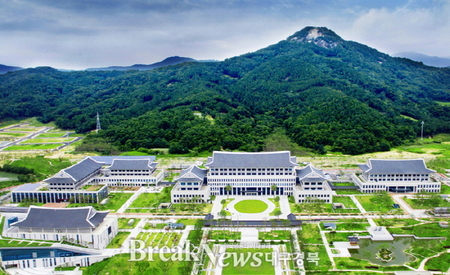
▲ 제12차 정밀 발굴 조사가 진행된 서산 보원사지 동남쪽 일원 전경=서산시 제공 © 김화중 기자 |
충남 서산의 국가사적 ‘보원사지’에서 고려시대 최대 규모로 추정되는 승방지(僧房址, 승려들의 생활 공간)가 새롭게 모습을 드러냈다.
서산시는 국가유산청과 함께 진행한 제12차 정밀발굴조사를 통해 동남쪽 구역에서 승방지 건물지군 6곳을 비롯해 담장지 11기, 석축 7기, 배수로 8기 등 다수의 유구를 확인했다고 14일 밝혔다. 이번 발굴은 지난 3월부터 약 8개월간 진행됐다.
발굴 결과, 조사 구역 내에는 총 25동의 건물지가 평면 디귿(ㄷ)자 형태로 배치돼 있으며 중앙에는 마당이 형성돼 있었다. 서쪽을 향해 열린 구조와 아궁이 흔적, 생활용기 등 출토유물의 성격을 볼 때 승려들의 거주 공간으로 사용됐던 승방지로 추정된다.
또한 건물 주춧돌의 배치가 불규칙하고 일부 중첩된 양상을 보여 최소 한 차례 이상 개축이 이루어진 것으로 보인다. 이러한 점을 종합할 때, 보원사지가 오랜 기간 동안 지속적으로 유지·확장되며 고려 시대 대사찰로서 기능했음을 시사한다.
보원사지는 통일신라 말기인 9세기 이전에 창건된 것으로 추정되며, 고려시대에는 승려 1천여 명이 머물렀다는 기록이 전해질 만큼 번성했던 사찰이다.
서산시는 오는 19일 서산시 운산면 용현리 보원사지 일원에서 발굴조사 현장설명회를 열고, 이번 조사 성과와 출토 유물을 일반에 공개할 예정이다. 현장에서는 해설과 함께 문화재 복원 및 정비 방향도 소개된다.
이완섭 서산시장은 “보원사지 오층석탑의 국보 승격 지정이 예고된 시점에 이번 발굴 성과는 사찰의 역사적 위상을 다시금 확인하는 계기가 될 것”이라며 “보원사지 종합정비사업을 차질 없이 추진해 국가사적으로서의 가치를 보존·활용하겠다”고 말했다.
한편, 시는 보원사지 일원에 박물관 기능을 갖춘 ‘보원사지 방문자센터’를 건립할 계획으로, 전시실과 수장고, 사무실 등을 갖춰 향후 발굴 유물과 역사적 자료를 한눈에 볼 수 있는 공간으로 조성할 예정이다.
*아래는 위 기사를 '구글 번역'으로 번역한 영문 기사의 [전문]입니다. '구글번역'은 이해도를 높이기를 위해 노력하고 있습니다. 영문 번역에 오류가 있을 수 있음을 전제로 합니다.<*The following is [the full text] of the English article translated by 'Google Translate'. 'Google Translate' is working hard to improve understanding. It is assumed that there may be errors in the English translation.>
Largest Buddhist Monk's Residence from the Goryeo Dynasty Discovered at Bowonsa Temple Site in Seosan
25 Building Sites Densely Concentrated… Presumed Monk's Living Space; Excavation Site to Be Unveiled on the 19th
A monk's residence (living space for monks) believed to be the largest of its kind during the Goryeo Dynasty has been newly discovered at the Bowonsa Temple Site, a national historic site in Seosan, South Chungcheong Province.
Seosan City announced on the 14th that the 12th detailed excavation, conducted in collaboration with the National Heritage Administration, uncovered numerous remains, including six monk's residence building sites, 11 wall structures, seven stone walls, and eight drainage ditches, in the southeastern area. The excavation, which began in March and lasted approximately eight months, revealed 25 buildings within the survey area, arranged in a ㄷ-shaped plan with a courtyard in the center. Considering the structure's west-facing orientation, traces of a furnace, and the nature of the excavated artifacts, including household utensils, it is presumed to have been a monk's quarters used as a living space for monks.
Furthermore, the irregular arrangement of the foundation stones, with some overlapping, suggests at least one renovation. Taken together, these findings suggest that the Bowonsa Temple site was continuously maintained and expanded over a long period, functioning as a major temple during the Goryeo Dynasty.
Bowonsa Temple is believed to have been founded before the 9th century, during the late Unified Silla period. During the Goryeo Dynasty, it flourished, with records indicating that over 1,000 monks resided there.
The city plans to hold an on-site excavation briefing session on the Bowonsa Temple site in Yonghyeon-ri, Unsan-myeon, Seosan City on the 19th, where the findings and excavated artifacts will be unveiled to the public. The on-site explanation will also provide information on the restoration and maintenance of cultural assets.
Seosan Mayor Lee Wan-seop stated, "With the five-story stone pagoda at Bowonsa Temple Site expected to be designated as a national treasure, this excavation will serve as an opportunity to reaffirm the temple's historical status." He added, "We will proceed with the Bowonsa Temple Site Comprehensive Redevelopment Project without a hitch to preserve and utilize its value as a national historic site."
Meanwhile, the city plans to build a "Bowonsa Temple Site Visitor Center" featuring museum functions within the Bowonsa Temple site. This center will include exhibition halls, storage facilities, and offices, providing a space where visitors can view excavated artifacts and historical materials at a glance.
원본 기사 보기:브레이크뉴스대전세종충청