▲ '2025 경주 APEC' 공식후원사로 선정된 농업회사법인 '경주로칼푸드'의 '미소 식혜'와 '미소 수정과' ©경주로컬푸드 |
【브레이크뉴스 경주】박영재 기자=‘신라 천년 고도’ 경주는 석굴암과 첨성대로 대표되는 국가유산의 도시이지만, ‘물의 도시’라는 점은 상대적으로 덜 알려져 있다. ‘삼국사기’에 전하는 김유신 장군 설화가 얽힌 교동 ‘재매정’을 비롯해 학계 조사에서 신라 이래 211개 우물이 존재하는 것으로 확인돼 물과 밀접한 도시임을 보여준다. 경주에서 2015년 ‘세계물포럼’이 열린 것도 이러한 특성과 무관치 않다.
경주 남산 초입 탑동에는 전국에서 유일한 지명 ‘식혜골’(食醯谷)이 남아 있어 지역의 전통음료 문화가 오래전부터 이어져 왔음을 시사한다. 지난 1일 폐막한 ‘2025 경주 APEC’에서는 지역 7개 공식 후원사와 품목 중 전통음료로 경주로컬푸드가 생산한 ‘미소 식혜’와 ‘미소 수정과’가 선정됐다.
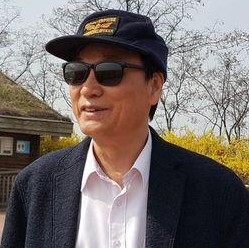
경주로컬푸드는 2018년 농업회사법인으로 설립됐다. 장춘광 대표(64)는 포항해양과학고 졸업 후 경주시청에서 해양수산 업무를 맡았던 공직자로, 명예퇴직 이후 전통식품 제조업에 뛰어들었다. 그는 식혜의 재료인 엿기름(질금)의 효능과 제조 과정에 흥미를 느끼며 새로운 기술 도입을 시도해왔다고 설명했다.
장 대표의 외가에는 오래전부터 엿기름과 식혜를 제조해온 전통이 있었다. 외할아버지는 경주 양동마을 인근 안강읍에서 엿공장을 운영했고, 장 대표의 어머니도 직접 만든 식혜를 포항 죽도시장에 유통하며 단골을 둘 만큼 솜씨가 알려져 있었다. 이러한 가족사적 배경은 장 대표가 전통 제조법을 현대적 방식으로 재해석하는 데 영향을 준 것으로 보인다.
경주로컬푸드는 식혜 제조 과정에서 발생하는 발효 성분이 살균 과정에서 사멸되는 점에 주목해, 유산균을 보완하는 ‘포스트바이오틱스’ 첨가 기술을 개발해 특허를 취득했다. 또한 국내산 찹쌀과 엿기름만을 사용하는 생산 방식으로 농림축산식품부의 ‘지역농산물 생산 증명’을 받았으며, 식품안전관리인증(HACCP)도 획득했다.
APEC 공식 후원사 선정 이후 장 대표는 생산시설 확충과 유통망 확대 등을 향후 과제로 제시했다. 현재 제품은 경주하나로마트, 보문관광단지 리조트, 동궁원, 포항산림조합, 경주 인근 고속도로 휴게소 등 일부 지역 매장에서 판매되고 있다.
장춘광 대표는 “APEC 행사장 K-푸드존에서 외국인들의 전통음료에 대한 관심을 확인했다”며 경주가 전통 식문화 분야에서도 경쟁력을 확보하길 기대한다는 입장을 밝혔다.
<구글 번역으로 번역한 영문 기사의 전문 입니다. 번역에 오류가 있을 수 있음을 밝힙니다.>
【Break News Gyeongju】Reporter Park Young-jae = Gyeongju, the "Millennium-old Capital of Silla," is a city of national heritage, represented by Seokguram Grotto and Cheomseongdae Observatory. However, its status as a "City of Water" is less well known. Academic research has confirmed the existence of 211 wells dating back to the Silla period, including "Jaemaejeong" in Gyodong, which is associated with the legend of General Kim Yu-sin as recorded in the "Samguk Sagi," demonstrating the city's close connection to water. The fact that Gyeongju hosted the 2015 World Water Forum is also related to this characteristic.
In Tap-dong, at the foot of Namsan Mountain in Gyeongju, the only place name in Korea called "Sikhye-gol" (食醯谷), signifies the long history of the region's traditional beverage culture. At the "2025 Gyeongju APEC," which concluded on the 1st, "Miso Sikhye" and "Miso Sujeonggwa," produced by Gyeongju Local Food, were selected as traditional beverages among the seven official sponsors and products from the region.
Gyeongju Local Food was established as an agricultural corporation in 2018. CEO Jang Chun-kwang (64), a graduate of Pohang Marine Science High School, worked in the marine and fisheries sector at Gyeongju City Hall. After his honorable retirement, he entered the traditional food manufacturing industry. He explained that he was fascinated by the efficacy and manufacturing process of malt (jilgeum), an ingredient in sikhye, and sought to introduce new technologies.
Jang's maternal family has a long tradition of making malt and sikhye. His maternal grandfather ran a taffy factory in Angang-eup, near Yangdong Village in Gyeongju, and Jang's mother also sold her homemade sikhye to the Jukdo Market in Pohang, earning a loyal customer base. This family background likely influenced Jang's modern interpretation of traditional manufacturing methods.
Gyeongju Local Food, noting that fermented ingredients produced during the sikhye production process are destroyed during the sterilization process, developed and patented a technology for adding "postbiotics" to supplement lactic acid bacteria. Furthermore, the company received the Ministry of Agriculture, Food and Rural Affairs' "Regional Agricultural Product Production Certification" for its production method using only domestically produced glutinous rice and malt, and also obtained HACCP (Hazard Analysis and Critical Control Point) certification for food safety management.
After being selected as an official APEC sponsor, CEO Jang outlined future tasks including expanding production facilities and expanding distribution networks. Currently, the product is available at select local stores, including Gyeongju Hanaro Mart, Bomun Tourist Complex Resort, Donggungwon, Pohang Forestry Cooperative, and highway rest areas near Gyeongju.
CEO Jang Chun-kwang expressed his hope that Gyeongju will further strengthen its competitiveness in traditional food culture, stating, "We witnessed the interest in traditional beverages from foreigners at the K-Food Zone at the APEC event."
원본 기사 보기:브레이크뉴스 대구경북