브레이크뉴스 김충열 정치전문기자 = 최수진 의원 (국민의힘)은 20 일 ( 목 ), 국회의원회관 제 9 간담회의실에서 ‘ 유전자교정 기술과 규제 혁신 – 첨단바이오산업의 성장동력 확보를 위한 정책 세미나’ 를 개최하고 GEO 규제 개선과 산업 경쟁력 확보를 위한 입법 · 정책 방향을 논의했다.
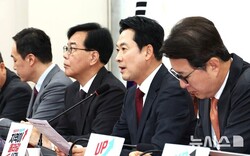
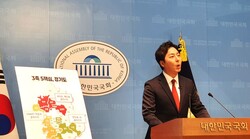
 ▲ 최수진 의원은 “유전자교정 기술은 차세대 바이오산업의 핵심 기술로, 규제 혁신 없이는 글로벌 경쟁에서 뒤처질 수밖에 없다”며 “한미 통상 협상에서 요구된 절차 투명성과 승인 간소화 논의처럼 , 국내 규제도 글로벌 기준에 맞춰 조정해야 한다 ”고 밝혔다 . © 김충열 정치전문기자 |
최근 한미 무역합의 팩트시트에는 “ 농업생명공학 제품 규제 승인 절차 간소화 ” 로 표기되었고, 언론에 따르면 미국 농산물 검역 전담 ‘US 데스크 ’ 가 신설되어 GMO 협의심사 절차개선이 본격적으로 논의될 것으로 예상된다.
또한 암참 (주한미국상공회의소) 보고서에 따르면 미국 정부는 그동안 한국의 비관세장벽으로 GMO 협의심사 개선과 함께 GEO 규제가 글로벌 기준 및 한미 FTA 조항에 어긋나지 않기를 요구해왔다.
그러나 국내에서는 여전히 유전자교정생물체(GEO)가 유전자변형생물체 (GMO)와 동일하게 규제되고 있어, 기술 상용화 및 산업 경쟁력 확보에 제약이 있다는 지적이 지속돼 왔다.
이에 이번 세미나는 「 유전자변형생물체의 국가간 이동 등에 관한 법률 」 개정안을 중심으로 GEO 규제체계 개선 방안을 모색하고 , 바이오 산업이 글로벌 시장에서 경쟁 우위를 확보하기 위한 정책적 대안을 논의하기 위해 마련됐다.
유전자교정 기술은 질병 치료, 신약 개발, 식량 및 환경 위기 대응 등 다양한 분야에서 빠르게 상용화되고 있으나, 국내 규제 체계는 기술 발전 속도를 따라가지 못하고 있는 실정이다. 특히 미국 , 일본 , EU 등 주요 국가들은 외래 유전자가 포함되지 않은 GEO 를 GMO 와 구분해 별도 관리하고 있으며, 관련 규제를 완화하는 방향으로 전환하고 있는 만큼 , 우리나라 역시 국제 기준에 부합하는 제도 정비를 서둘러야 한다는 지적이 제기되고 있다.
기조 발제에 나선 김진수 KAIST 교수는 "유전자교정 기술은 이미 의료 · 농업 · 환경 등에서 활용되는 글로벌 플랫폼 기술임에도, 우리나라는 GEO(Genome-Edited Organism)를 GMO(Genetically-Modified Organism)와 동일하게 규제해 상용화 및 산업 경쟁력이 심각하게 저해되고 있다 " 며, "국제 기준에 부합하는 과학적 규제 개선과 법 개정을 통해 기술 발전을 지원하고, 기후 · 식량 · 질병 대응 등 국가 전략 분야에서 주도권을 확보해야 한다 " 고 강조했다.
이어 발제에 나선 차진 박사 역시 "GEO, GMO 를 명칭적으로도 구분하는 것이 세계추세 "라며 "외래 유전자가 도입되지 않은 유전자교정생물체인 GEO 는 전통 육종 방식과 본질적으로 동일하므로 , 국제 기준에 부합하는 규제 개선이 필요하다"고 밝혔다.
패널토론에서는 최성화 서울대 생명과학부 교수를 좌장으로 산업계 · 학계 · 정부 관계자들이 참여해 유전자교정 기술의 제도적 기반 강화 방안을 논의했다.
고상억 원장(발라드 동물병원)은 “우리나라가 10-15년 정도 종자, 종돈이 늦어지고 있는데 한번 시장을 빼았기면 시장지배가 불가능하다”며, “연구비와 종돈시장이 활성화 되도록 법 제도적으로 하루빨리 규제를 혁신해야 한다”고 촉구했다.
이영완 부국장(조선비즈)은 “GEO는 외부 유전자를 주입하지 않고 자체 유전자로 교정한다는 점에서 GMO와도 다르다”며, “한국이 GEO를 GMO와 같이 규제한다면 오히려 농업분야에서 외국기술과 종자에 종속될 수 있다”며 우려를 표명했다. 적극적으로 지원을 강화하며 한편으론 안전감시를 강화하는 투트랙 전략을 제안했다.
특별히 DJ정부의 환경부장관이며, 김명자 카이스트 이사장은 “김진수 교수(KAIST공학생물학대학원)를 격려하며 바이오 산업은 금광 금맥이다”며, “시대에 뒤떨어지지 않도록 정부에서는 과감한 규제혁신이 이뤄져야 한다”고 강력 제안했다.
끝으로 최수진 의원은 “유전자교정 기술은 차세대 바이오산업의 핵심 기술로, 규제 혁신 없이는 글로벌 경쟁에서 뒤처질 수밖에 없다”며 “한미 통상 협상에서 요구된 절차 투명성과 승인 간소화 논의처럼 , 국내 규제도 글로벌 기준에 맞춰 조정해야 한다 ”고 밝혔다.
최 의원은 “ 국회 차원에서 「 유전자변형생물체의 국가간 이동 등에 관한 법률 」 개정안을 중심으로 GEO 규제 개선을 추진하고 , 산업부와 관련 부처와의 협력을 통해 과학적 근거에 기반한 제도 정비를 지속해 나가겠다 ” 고 말했다. hpf21@naver.com
* 아래는 위 기사를 '구글 번역'으로 번역한 영문 기사의 [전문]입니다. '구글번역'은 이해도 높이기를 위해 노력하고 있습니다. 영문 번역에 오류가 있을 수 있음을 전제로 합니다. *The following is [the full text] of the English article translated by 'Google Translate'. 'Google Translate' is working hard to improve understanding. It is assumed that there may be errors in the English translation.
Rep. Choi Soo-jin Holds Seminar on Gene Editing Technology and Regulatory Innovation
Outdated Regulations That Bind GEOs to GMOs Must Be Abolished
Break News Political Reporter Kim Choong-lyoul = Rep. Choi Soo-jin (People Power Party) held a seminar titled "Gene Editing Technology and Regulatory Innovation - Policy Seminar to Secure Growth Engines for the Advanced Bio Industry" in Conference Room 9 of the National Assembly Members' Hall on Thursday, the 20th. The seminar discussed legislative and policy directions for improving GEO regulations and securing industrial competitiveness.
The fact sheet for the recent Korea-US trade agreement states, "Simplification of Regulatory Approval Procedures for Agricultural Biotechnology Products." According to media reports, the establishment of a dedicated "US Desk" for US agricultural product inspections is expected to spark serious discussions on improving GMO consultation procedures.
Furthermore, according to a report by the American Chamber of Commerce in Korea (AMCHAM), the US government has been demanding that Korea improve its GMO consultation procedures due to non-tariff barriers and ensure that GEO regulations comply with global standards and the provisions of the Korea-US FTA.
However, in Korea, gene-edited organisms (GEOs) are still regulated in the same way as genetically modified organisms (GMOs), which has led to persistent criticism that this limits technology commercialization and industrial competitiveness.
This seminar, focusing on the revised Act on the Transboundary Movement of Genetically Modified Organisms, was organized to explore ways to improve the GEO regulatory system and discuss policy alternatives for the bio industry to secure a competitive edge in the global market.
Gene editing technology is rapidly being commercialized in diverse fields, including disease treatment, new drug development, and response to food and environmental crises. However, the domestic regulatory system has not kept pace with technological advancements. Major countries, such as the US, Japan, and the EU, manage GEOs without foreign genes separately from GMOs and are moving toward easing related regulations. This has led to calls for Korea to expedite the establishment of a system that aligns with international standards.
Professor Kim Jin-soo of KAIST, who delivered the keynote address, stated, "Gene editing technology is already a global platform technology utilized in healthcare, agriculture, and the environment. However, Korea regulates GEOs (Genome-Edited Organisms) in the same way as GMOs (Genetically-Modified Organisms), seriously hindering their commercialization and industrial competitiveness." He emphasized, "We must support technological advancement through scientific regulatory reform and legal revisions that align with international standards, and secure leadership in national strategic areas such as climate, food, and disease response."
Dr. Cha Jin, who also delivered the address, stated, "The global trend is to distinguish between GEOs and GMOs, even in nomenclature." He added, "GEOs, gene-edited organisms without the introduction of foreign genes, are essentially identical to traditional breeding methods. Therefore, regulatory reforms that align with international standards are necessary."
The panel discussion, moderated by Professor Choi Sung-hwa of the Department of Life Sciences at Seoul National University, brought together representatives from industry, academia, and government to discuss ways to strengthen the institutional foundation for genome editing technology.
Director Ko Sang-eok (Ballad Animal Hospital) stated, "Korea is lagging behind in seed and breeding pigs by 10-15 years, and once we've taken over the market, market dominance is impossible." He urged, "We must swiftly reform regulations through legal and institutional mechanisms to revitalize research funding and the breeding pig market."
Deputy Director Lee Young-wan (Chosun Biz) expressed concern, saying, "GEOs differ from GMOs in that they correct their own genes rather than injecting foreign genes." He added, "If Korea regulates GEOs in the same way as GMOs, it could lead to dependence on foreign technology and seeds in the agricultural sector." He proposed a two-track strategy: actively strengthening biosecurity while simultaneously strengthening safety audits.
Kim Myung-ja, Minister of Environment under the DJ administration and Chairwoman of the KAIST Board of Trustees, particularly encouraged Professor Kim Jin-soo, saying, "The bio industry is a gold mine." She strongly advocated, "The government must boldly implement regulatory reforms to keep up with the times."
Finally, Rep. Choi Soo-jin stated, "Gene editing technology is a core technology for the next-generation biotechnology industry. Without regulatory innovation, we will inevitably fall behind in global competition." She added, "Just as the procedural transparency and approval streamlining discussed in the Korea-US trade negotiations were demanded, domestic regulations must also be aligned with global standards."
Rep. Choi stated, "At the National Assembly level, we will pursue improvements to GEO regulations, focusing on the amendment to the Act on the Transboundary Movement of Genetically Modified Organisms. We will continue to work with the Ministry of Trade, Industry and Energy and related ministries to establish a scientifically sound system." hpf21@naver.com