▲ 정길선 박사 ©브레이크뉴스 |
러시아, 일본 두 나라가 본격적인 교류를 시작한 것은 19세기부터이다. 양국은 식민지 개척 정책의 일환으로 사할린을 자국 영토라 주장하기 시작하며 마찰을 빚게 된다. 그러자 두 나라는 1855년 2월 7일 러일 화친 조약(露日和親條約)을 맺어 사할린을 공동으로 관할하는 구역으로 만들게 된다. 이어 1875년에는 상트페테르부르크 조약을 맺어 러시아가 사할린을, 일본이 쿠릴 열도를 차지함으로 합의를 보았다. 일본이 쿠릴열도가 자국의 고유 영토라고 주장하는 것은 바로 상트페테르부르크 조약에 근거하는 것이다. 상트페테르부르크 조약은 1875년에 일본과 러시아 제국과의 사이에 국경을 변경·확정하기 위해서 체결된 조약이었다. 일본에서는 가라후토-지시마 교환조약(사할린-쿠릴 열도 교환조약)이라고 부른다. 일본과 러시아의 국경은 1855년의 러일 화친 조약에 의해 쿠릴 열도의 이투루프 섬과 우루프 섬의 사이로 정해졌지만, 일본 정부는 영토를 더 확보하기 위해 러시아 정부와 계속 교섭했다.
구로다 기요타카 등은 가라후토(사할린)보다 홋카이도 개척에 전력을 다해야 한다고 주장했다. 일본 정부는 이러한 주장을 받아들여 러시아와 이 조약을 체결하였다. 조약의 내용은 다음과 같다.
① 일본은 사할린 섬 전체를 러시아령으로 인정함.
② 러시아는 우루프 섬을 포함한 쿠릴 열도 북쪽의 18개 섬을 일본에 넘겨줌.
③ 러시아는 사할린 섬에 있던 일본인의 재산을 배상하고 일본의 어업권을 승인함.
이후 러일전쟁에서 일본은 사할린 섬의 남부(북위 50도선 이남)을 할양 받아 이 지역을 "남가라후토"로 통치하였으며, 러시아 내전 중에는 북부까지 점령(1918년~1925년)하기도 하였다. 소비에트 연방은 제2차 세계 대전 말인 1945년 8월에 사할린 남부와 쿠릴 열도 전역을 점령하였고, 1951년의 샌프란시스코 강화 조약으로 이 지역에 대한 영토권을 확립하였다. 그러나 일본은 이 중 쿠릴열도의 4개섬에 대해서 영유권을 주장하며 러시아에 반환을 요구하고 있다. 1980년 일본 국회 중의원과 참의원들이 북방 영토의 날(北方領土の日) 지정을 비롯하여 <북방 영토 문제의 해결 촉진에 관한 결의(北方領土問題の解決促進に関する決議)>를 만장일치로 채택했다. 이에 일본의 모든 도도부현 의회와 시정촌 의회, 전국지사회, 전국시의회의장회, 전국시장회, 전국정촌회에서 이와 같은 내용을 담은 결의가 채택되었다. 이와 같은 일련의 결의가 모아지는 것을 계기로 총무청에서는 북방 영토의 날(北方領土の日) 지정을 검토하기로 하고 각계 각층의 의견을 듣기로 결정했다.
그래서 1980년 12월 북방 영토의 날(北方領土の日)에 대한 간담회가 학계 인사들이 참석한 가운데 열리게 된다. 간담회의의 결과에 대해 답신을 받은 일본 내각은 1981년 1월 6일에 열린 내각 회의에서 매년 2월 7일을 북방 영토의 날로 정하는 안을 채택했다. 왜 2월 7일로 설정을 했냐면 가증스럽게도 1855년 2월 7일 에도 막부와 러시아 로마노프 제국 사이에 맺은 조약인 러일 화친 조약(露日和親條約)이 체결된 날이 그 날이기 때문이다. 화친(和親)이란, 국어사전적 의미로 볼 때 '서로 의좋게 지내는 정분', 혹은 '나라와 나라 사이에 다툼 없이 가까이 지냄' 이라도 되어 있다. 그럼에도 불구하고 화친조약을 체결한 2월 7일을 영토 분쟁과 관련하여 북방 영토의 날(北方領土の日)로 지정한 것이다. 사실 이 가증스러운 행위라고 비판하는 이유는 서로 친하게 지내는 것을 기념한 날인데 일본은 오랫동안 잃어왔던 자국의 영토를 되찾기 위한 의미로 지정한 것에서 그 의미가 맞지 않다고 보여진다. 친하게 지내자는 것은 평화와 우의를 동반하는 것인데 1981년부터 현재까지 41년 동안 2월 7일을 북방 영토의 날로 지정하고 다양한 축제를 비롯해 행사를 거듭하여 일본의 영유권을 주장하고 있다는 것은 평화와 우의의 상징으로 적합하지 않다는 얘기다.
이후 시간이 흘러 독일과 소련이 독소 불가침조약을 맺는 것을 보고 이에 충격을 받은 일본은 1941년 소일 불가침조약을 맺게 된다. 그러면서 안심하고 때린 것이 진주만이다. 이와 같이 양국 간에 불가침 조약이 있었지만 1945년, 소련은 얄타 회담의 결과에 따라 일본에 선전포고하고 공격을 결정한다. 이로써 소일 불가침조약은 결국 파기되었고 만주 기습 작전으로 일본은 만주, 몽골, 조선 등의 식민지를 상실하게 된다. 소련은 일본이 무조건 항복을 한 이후에도 평화협정에 서명하지 않았고 양국은 계속 휴전 상태를 유지하게 된다. 소련이 붕괴된 후, 2000년대에는 일본이 북방영토 회복 문제를 제기했고, 러시아는 도쿄 근해에 폭격기를 근접 비행시키는 등 일촉즉발의 위기가 발생한다. 이와 같은 북방 영토를 두고 일본과의 갈등이 있었기 때문에 러시아의 푸틴 대통령은 일본을 견제하기 위한 목적으로 우리 대한민국에게 접근하기도 했다. 우리 한국의 반일감정을 이용해 일본과 대응하자는 것이었다. 그러면서 러시아는 센카쿠 열도, 남중국해 등의 분쟁에 대해서 중국 편을 들었으며 이러한 러시아의 태도에 일본은 러시아에 적극적으로 맞대응하고 있다.
2012년부터는 러시아 태평양 함대 소속군함들이 쿠릴열도 지역을 방문했다. 국방부 발표에 의하면 제2차 세계대전 때 사망한 전몰 수병 추모 항해차원으로 쿠릴 열도와 하바로프스크 지역 등을 24일 동안 항해한다고 하는데, 이를 5년 동안 계속해왔다고 한다. 2017년 8월에는 러시아가 일본과의 영토 분쟁 지역인 쿠릴열도 남부지역의 쿠릴 4개 섬을 경제특구로 지정함을 발표했다. 쿠릴열도 지역에서 러시아와 일본의 공동 경제활동을 구상해온 일본은 이와 같은 조치에 당황해하면서도 적극 반발했다. 러시아 타스 통신과 일본 언론 등에 따르면 당시 드미트리 메드베데프 총리가 쿠릴 4개섬 가운데 하나인 시코탄에 경제 특구 성격의 '선도개발구역'(TOR)을 설치하는 총리령에 서명했다고 한다. 메드베데프 총리는 쿠릴열도가 속한 극동 사할린 주(州)의 주도 유즈노사할린스크를 방문해 여당인 '통합 러시아당'의 현지 열성당원들과 면담하는 자리에서 총리령에 서명했다고 밝히게 된다. 이와 같은 북방 4개 도서 선도 개발구역은 극동 지역에 분야별로 특화된, 경제자유구역과 유사한 산업 기지들을 조성함으로써 정부가 인프라를 구축해 주고 각종 행정과 세제 상의 특혜를 부여함으로 인해 국내외 입주의 업체들을 끌어 들여 완전히 영토화 하려는 러시아 정부의 방침으로 보여 진다.
쿠릴 열도가 속한 사할린 주 주지사 올렉 코줴먀코의 발표에 의하면 선도개발구역 지정으로 쿠릴 열도에 새로운 일자리들이 창출될 것이고 청년들의 실업난이 해결될 것이라며 적극적으로 환영하는다는 입장을 밝혔다. 사할린 주 주정부는 수산물 가공업체 '오스트로브니(Островни)'가 투자 의향을 밝혔다면서 이 업체가 약 74억 루블(약 1,400억 원)을 투자하여 시코탄 선도 개발구역에 수산물 가공 단지를 건설할 예정이라고 하였다. 오스트로브니(Островни)는 부두 시설 개보수, 수심 확장 사업 등을 시작으로 2020년까지 3단계로 사업을 추진할 계획을 세웠고 약 700개의 일자리가 창출될 것이라고 설명했으며 현재도 계속 사업이 추진되고 있다. 오스트로브니(Островни)는 이곳에서 생산된 수산물 가공품을 러시아 국내에 공급하는 것은 물론 일본, 중국, 한국 등으로 수출한다는 계획을 갖고 있다. 러시아 정부가 2010년 이후 1조원대 지역개발 및 관광지 개발을 할 예정이라 발표하고 이에 따라 현지 거주민들이 매우 기대하고 있으나 10년이 넘도록 아무것도 된 것은 없다. 아무래도 이곳으로 관광하러 올 사람들은 일본인들일 가능성이 높고 그들이 자주 출입하게 되면 문제가 생길 수 있기 때문이다. 일본이 영토 반환을 요구하는 남부 쿠릴 열도 인근 해상은 북극항로 활성화에 공을 들이고 있는 러시아의 입장에서는 중요한 길목이며 또한 태평양에 진출하는 데 있어서 핵심적인 요충지이다.
4개 섬 인근에는 천연가스와 석유, 비철금속, 수은 등 각종 자원이 엄청나게 매장되어 있는 것으로 알려져 러시아에게 아주 중요한 지역이기도 하다. 무엇보다 4개 섬을 일본에 넘겨줬을 경우 미군이나 일본 자위대의 군사시설이 이곳에 들어설 가능성을 러시아는 완전히 배제하지 못하고 있다. 따라서 이 지역을 두고 최근 푸틴 대통령은 일본의 영토 분쟁 및 도발을 상쇄하기 위하여 북방 4개 도서 경제특구에 외자유치를 승인했다. 20년동안 법인세와 고정자산세를 면제해 주는 획기적인 조건까지 승인한 것이다. 이후 러시아 정부는 내년인 2026년까지 쿠릴열도 남단의 섬 두 곳, 이투루프와 쿠나시르에 150개 이상의 군사 시설을 신축하거나 재정비해 '완전한 군사 도시'로 탈바꿈시킬 계획이라 발표했다. 일본이 영유권을 주장하는 4개의 주요 섬들 중 가장 큰 두 섬인데 이곳에 강력한 군사거점을 구축하려는 러시아의 전략으로 볼 때, 센카쿠 문제로 중국을 견제해 전력 재배치를 계획하는 일본 입장에서도 상당한 압력이 될 것으로 보인다. 이어 러시아 태평양 함대는 북부 쿠릴 열도 마투아 섬에 배치된 해안 방어용 지대함 미사일 시스템 바스티온 가동에 들어갔다.
일본 입장에서는 쿠릴열도가 문제가 아니라 훗카이도 지역에 대한 방위도 신경써야 할 상황에 놓였다. 그래서 토마호크를 발사할 수 있는 타이푼 미사일 발사대를 설치한 것이었고, 러시아는 이투루프 섬과 쿠나시르에 훗카이도 최대 도시인 삿포로와 오가사와라를 향해 중거리 미사일 기지를 설치할 가능성 또한 높아지게 되었다. 이럴 경우, 일본은 핀치에 몰리게 된다. 미국 또한 이를 도와줄 수 있는 여력이 없다. 따라서 그와 같은 위험도를 잘 알기에 다카이치 총리는 자신의 내정과 내부 권력을 강화할 속셈으로 이를 그저 정치적으로 활용할 가능성이 높다.
*필자/ 정길선.
노바토포스 회원, 역사학자, 고고인류학자, 칼럼니스트, 러시아 과학아카데미 유라시아 고고인류학연구소 연구교수.
*아래는 위 기사를 '구글 번역'으로 번역한 영문 기사의 [전문]입니다. '구글번역'은 이해도 높이기를 위해 노력하고 있습니다. 영문 번역에 오류가 있을 수 있음을 전제로 합니다.<*The following is [the full text] of the English article translated by 'Google Translate'. 'Google Translate' is working hard to improve understanding. It is assumed that there may be errors in the English translation.>
Japanese Prime Minister Takaichi's Future Highly Likely Issue: The Kuril Islands Under Russian Control
Columnist Jeong Gil-seon
Russia and Japan began engaging in full-scale exchanges in the 19th century. As part of their colonial development policies, both countries began claiming Sakhalin as their own territory, leading to friction. In response, the two countries signed the Russo-Japanese Treaty of Peace and Amity on February 7, 1855, establishing Sakhalin as a jointly administered territory. This was followed by the 1875 Treaty of St. Petersburg, where Russia ceded Sakhalin, and Japan ceded the Kuril Islands. Japan's claim that the Kuril Islands are its inherent territory is based on the Treaty of St. Petersburg, which was signed in 1875 to change and define the border between Japan and the Russian Empire. In Japan, this treaty is called the Karafuto-Chishima Exchange Treaty (Sakhalin-Kuril Islands Exchange Treaty). The border between Japan and Russia was established between Iturup and Urup Islands in the Kuril Islands by the Russo-Japanese Treaty of Peace and Amity in 1855. However, the Japanese government continued negotiations with the Russian government to secure more territory.
Kuroda Kiyotaka and others argued that Japan should focus its efforts on developing Hokkaido rather than Karafuto (Sakhalin). The Japanese government accepted this argument and concluded this treaty with Russia. The contents of the treaty were as follows:
① Japan recognized the entire island of Sakhalin as Russian territory.
② Russia ceded to Japan 18 islands north of the Kuril Islands, including Urup Island.
③ Russia compensated for the property of Japanese residents on Sakhalin Island and recognized Japan's fishing rights.
After the Russo-Japanese War, Japan received the southern part of Sakhalin Island (south of the 50th parallel north) and ruled this area as "South Karafuto." During the Russian Civil War, it also occupied the northern part (1918–1925). The Soviet Union occupied southern Sakhalin and the entire Kuril Islands in August 1945, at the end of World War II, and established territorial rights to this area with the San Francisco Peace Treaty of 1951. However, Japan claims sovereignty over four of the Kuril Islands and is demanding their return from Russia. In 1980, the Japanese House of Representatives and House of Councilors unanimously adopted the "Resolution on Promoting the Resolution of the Northern Territories Issue" and designated Northern Territories Day. Accordingly, resolutions containing these provisions were adopted by all prefectural and municipal assemblies, the National Governors' Association, the National Association of City Council Speakers, the National Association of Mayors, and the National Association of Towns and Villages. This series of resolutions prompted the Internal Affairs and Communications Agency to consider designating Northern Territories Day (北方領土の日) and to gather opinions from various sectors.
Therefore, a discussion meeting on Northern Territories Day (北方領土の日) was held in December 1980, attended by academics. After receiving a report on the meeting's findings, the Japanese Cabinet adopted a plan at its January 6, 1981, meeting to designate February 7th as Northern Territories Day. The reason it was set to February 7th is because, abhorrently, that is the day on which the Russo-Japanese Treaty of Peace and Amity (露日和親條約) was signed between the Edo shogunate and the Romanov Empire of Russia. According to the dictionary definition of peace and amity, it means “a feeling of mutual goodwill” or “living close without conflict between countries.” Nevertheless, February 7th, the day the Treaty of Peace and Amity was signed, was designated as Northern Territories Day (北方領土の日) in relation to a territorial dispute. In fact, the reason this heinous act is criticized is because it is a day to celebrate friendly relations, but Japan designated it with the meaning of reclaiming its long-lost territory, so the meaning does not seem to match. Relationships should be accompanied by peace and friendship. However, Japan's continued insistence on sovereignty over the islands, with various festivals and other events held on February 7th for 41 years since 1981, speaks volumes about its inappropriateness as a symbol of peace and friendship.
Subsequently, Japan, shocked by the signing of the German-Soviet Non-Aggression Pact between Germany and the Soviet Union, concluded the Soviet-Japanese Non-Aggression Pact in 1941. This, in turn, led to the attack on Pearl Harbor. Despite this non-aggression pact, in 1945, the Soviet Union declared war on Japan and decided to attack, following the results of the Yalta Conference. This ultimately led to the abrogation of the Soviet-Japanese Non-Aggression Pact, and Japan's surprise attack on Manchuria resulted in the loss of its colonies in Manchuria, Mongolia, and Korea. Even after Japan's unconditional surrender, the Soviet Union refused to sign a peace treaty, and the two countries remained in a state of armistice. After the collapse of the Soviet Union, in the 2000s, Japan raised the issue of reclaiming the Northern Territories, and Russia flew bombers close to the waters near Tokyo, creating a tense situation. Because of this conflict with Japan over the Northern Territories, Russian President Putin approached South Korea in an attempt to counter Japan. He attempted to exploit anti-Japanese sentiment in South Korea to counter Japan. Meanwhile, Russia sided with China in disputes over the Senkaku Islands and the South China Sea, and Japan has actively countered this stance.
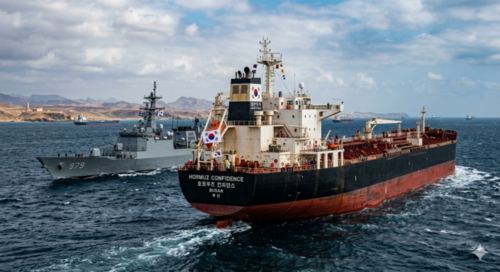
Since 2012, warships from the Russian Pacific Fleet have visited the Kuril Islands. According to the Ministry of National Defense, the 24-day voyage, which included the Kuril Islands and the Khabarovsk region, was intended to commemorate the sailors who died in World War II. This voyage has continued for five years. In August 2017, Russia announced the designation of four Kuril Islands in the southern part of the disputed Kuril Islands as special economic zones. Japan, which had been planning joint economic activities between Russia and Japan in the Kuril Islands region, expressed bewilderment and vehement opposition to this move. According to the Russian news agency TASS and Japanese media, then-Prime Minister Dmitry Medvedev signed a decree establishing an "Advanced Development Zone" (TOR) on Shikotan, one of the four Kuril Islands, as a special economic zone. Medvedev announced the signing of the decree during a meeting with local enthusiasts from the ruling United Russia party during a visit to Yuzhno-Sakhalinsk, the capital of Sakhalin Oblast in the Far East, where the Kuril Islands are located. These "Advanced Development Zones" in the four northern islands appear to be part of the Russian government's policy of establishing specialized industrial bases, similar to free economic zones, in the Far East. The government would build infrastructure and grant various administrative and tax benefits, attracting domestic and foreign companies and ultimately territorializing the islands.
According to an announcement by Oleg Kozhemyako, the governor of Sakhalin Oblast, which includes the Kuril Islands, the designation of the advanced development zone will create new jobs in the Kuril Islands and help solve the youth unemployment problem, and he warmly welcomes the decision. The Sakhalin Oblast government said that the seafood processing company "Ostrovni" has expressed its intention to invest, and the company will invest approximately 7.4 billion rubles (approximately 140 billion won) to build a seafood processing complex in the Shikotan Advanced Development Zone. Ostrovni plans to carry out the project in three stages until 2020, starting with the renovation of wharf facilities and the expansion of the water depth, and explained that approximately 700 jobs will be created, and the project is currently ongoing. Ostrovni plans to supply the processed seafood produced there not only domestically in Russia, but also export it to Japan, China, and South Korea. The Russian government announced plans for a trillion won ($8.5 billion) worth of regional and tourist development projects starting in 2010, raising high expectations among local residents. However, over a decade later, nothing has materialized. This is because the tourists are likely to be Japanese, and their frequent visits could lead to problems. The waters around the Southern Kuril Islands, to which Japan is demanding its return, are a crucial chokepoint for Russia, which is working to revitalize the Northern Sea Route. They are also a key strategic point for access to the Pacific.
The area around the four islands is known to harbor vast reserves of natural gas, oil, non-ferrous metals, mercury, and other resources, making it a crucial region for Russia. Furthermore, Russia cannot completely rule out the possibility that if the islands were handed over to Japan, US military facilities or Japanese Self-Defense Forces could be established there. Therefore, President Putin recently approved a special economic zone for the four northern islands to attract foreign investment, aiming to offset Japan's territorial disputes and provocations. This approval included a groundbreaking 20-year exemption from corporate and fixed asset taxes. The Russian government subsequently announced plans to transform the two southernmost Kuril Islands, Iturup and Kunashiri, into "full-fledged military cities" by 2026, constructing or reorganizing over 150 military facilities. These are the largest of the four main islands claimed by Japan, and given Russia's strategy to establish a strong military base on these islands, this will likely place significant pressure on Japan, which is planning to redeploy its forces to counter China's escalating Senkaku Islands dispute. Furthermore, the Russian Pacific Fleet activated the Bastion coastal defense surface-to-ship missile system deployed on Matua Island in the northern Kuril Islands.
From Japan's perspective, the defense of Hokkaido is no longer a concern, but rather a concern for the Kuril Islands. This led to the installation of Typhoon missile launchers capable of launching Tomahawk missiles. Furthermore, the possibility of Russia installing intermediate-range missile bases on Iturup and Kunashiri, targeting Hokkaido's largest city, Sapporo, and the Ogasawara Islands, has increased. In such a case, Japan would be in a pinch. The United States, too, lacks the capacity to provide assistance. Therefore, Prime Minister Takaichi, fully aware of the risks involved, is likely to exploit this politically, seeking to strengthen his own domestic affairs and internal power.