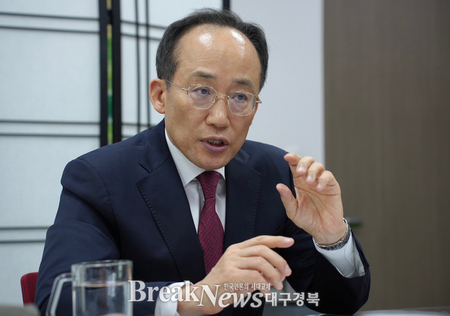
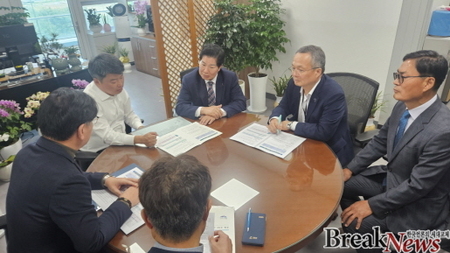
정성장세종연구소 수석연구위원(부소장)은 “핵추진잠수함 건조에 대한 한미 합의의 쟁점과 과제:건조 장소 문제와 우라늄 농축․재처리와의 관계”를 주제로 한미간의 복잡미묘한 관계를 아래와 같이 명쾌하게 밝혔다.
 ▲ 정성장 부소장은 “AUKUS 사례를 참고하면 핵잠 확보까지 약 10년 내외의 기간이 소요될 전망”이라며 “30년 숙원 사업의 전력화를 위해 정부의 전략적·단계적 접근이 중요하다”고 피력했다. © 김충열 정치전문기자 |
한미가 지난 10월 경주 정상회담에서 핵추진잠수함(핵잠) 건조에 합의한 가운데, 건조 장소와 우라늄 농축·재처리(ENR) 권한을 둘러싼 논란이 이어지고 있다. 그러나 전문가들은 “공식 외교문서에 명시된 내용이 핵심”이라며 한국 내 건조와 미국의 연료 공급 방식이 이미 공식화됐다고 평가한다.
트럼프 SNS 발언과 공식 문서의 괴리…핵심은 “한국이 건조”
정성장 세종연구소 수석연구위원은 11월 28일자 세종포커스에서 핵잠과 관련한 분석에서 “트럼프 전 대통령이 SNS에서 ‘미국 필라델피아 조선소에서 건조할 것’이라고 언급해 혼선이 생겼지만, 한미가 배포한 팩트 시트에는 미국 내 건조 언급이 전혀 없다”고 밝혔다. 실제 팩트 시트에는 “미국은 한국(ROK)이 핵추진잠수함을 건조하는 것을 승인한다(ROK to build)”는 문구가 명확히 포함돼 있다.
팩트 시트가 밝힌 구조: 한국 건조·미국 연료 공급
또한 문서에는 ‘연료 조달 방안(avenues to source fuel)’이라는 표현이 들어가 있어 한국이 국내에서 건조하는 것을 전제로 연료 공급 체계를 협의한다는 점을 보여준다. 정 연구위원은 “미국에서 건조한다면 연료 조달 문구는 필요 없다”며 “트럼프 SNS 발언은 미국 조선업을 강조하려는 정치적 수사에 가깝다”고 설명했다.
핵잠 승인 배경: 한국의 1,500억 달러 대미 투자와 전략 환경 변화
동북아 안보 환경·부담 공유 원칙이 승인에 영향
핵잠 승인 배경에는 경제·군사·전략 요인이 복합적으로 작용한 것으로 분석된다. 특히 한국이 미국 조선업 현대화를 위해 1,500억 달러(약 220조원) 규모의 투자를 약속한 점이 결정적 역할을 한 것으로 평가된다. 트럼프 대통령은 이와 관련해 “미국 조선업의 부활이 시작될 것”이라고 강조한 바 있다. 또한 트럼프가 강조해온 ‘부담 공유(burden sharing)’ 원칙, 북한 전략핵잠수함 개발과 중국의 해양 전력 확대 등 동북아 안보환경 변화, 미국 인도·태평양 전략과의 부합 등도 승인 배경으로 꼽힌다.
ENR(우라늄 농축·재처리)없어도 가능…핵잠 연료 체계는 상업용 ENR과 별개
일각에서 제기된 “ENR 권한이 없으면 핵잠 건조는 불가능하다”는 주장도 사실과 다르다는 분석이다. 정 수석연구위원은 “핵잠 연료는 NPT(핵확산금지조약) 제14조가 규정한 군사용 비폭발 목적 절차를 따르며 상업용 농축·재처리와는 전혀 다른 체계”라며 “ENR이 없는 호주도 AUKUS를 통해 핵잠 연료를 공급받는다”고 지적했다. 그는 오히려 “핵잠 확보가 한국의 ENR 협상력을 높이는 계기가 된다”고 덧붙였다.
한국 정부가 앞으로 넘어야 할 절차도 적지 않다. 미국 의회의 한국 전용 특별법 제정, 국제원자력기구(IAEA)와의 특별 안전조치 협정 체결, 미국 조선업 투자 이행, 국내 건조와 미국 공동 건조를 병행하는 복합 모델 검토 등이 주요 과제로 꼽힌다.
정성장 부소장은 “AUKUS 사례를 참고하면 핵잠 확보까지 약 10년 내외의 기간이 소요될 전망”이라며 “30년 숙원 사업의 전력화를 위해 정부의 전략적·단계적 접근이 중요하다”고 피력했다. hpf21@naver.com
*아래는 위 기사를'구글 번역'으로 번역한 영문 기사의[전문]입니다. '구글번역'은 이해도 높이기를 위해 노력하고 있습니다.영문 번역에 오류가 있을 수 있음을 전제로 합니다.*The following is [the full text] of the English article translated by 'Google Translate'. 'Google Translate' is working hard to improve understanding. It is assumed that there may be errors in the English translation.
Seong Jang-jang, Vice President of the Sejong Institute: "The Core of the ROK-US Nuclear Submarine Agreement is 'Building in Korea, Fuel Supply in the US'"
Controversy over the Construction Site Sparked by Trump's Social Media… Fact Sheet Stated "ROK to Build"
Nuclear Submarines Possible Without ENR… Korea's Large-Scale Investment in the US and Strategic Environment Drive Approval
Break News, Political Reporter Kim Choong-Lyoul = Senior Research Fellow (Vice President) Jeong Jang-jang of the Sejong Institute, presented "Issues and Challenges in the ROK-US Agreement on Nuclear-Powered Submarine Construction: The Construction Site Issue and the Relationship to Uranium Enrichment and Reprocessing," clearly elucidating the complex and nuanced relationship between South Korea and the US.
While South Korea and the US agreed to build nuclear-powered submarines at the Gyeongju Summit last October, controversy continues over the construction site and uranium enrichment and reprocessing (ENR) authority. However, experts believe that "the key is the content specified in official diplomatic documents," and that the method of construction in South Korea and fuel supply in the US has already been formalized.
Discrepancies Between Trump's Social Media Remarks and Official Documents… The key is "Korea to build."
Jeong Seong-jang, a senior research fellow at the Sejong Institute, stated in his analysis of nuclear submarines in the November 28th issue of Sejong Focus, "Former President Trump's social media comment that 'the submarine will be built at a Philadelphia shipyard in the United States' created confusion, but the fact sheet distributed by South Korea and the United States makes no mention of US construction." In fact, the fact sheet clearly states, "The United States approves South Korea (ROK) to build nuclear-powered submarines (ROK to build)."
Structure Revealed by the Fact Sheet: Korean Construction, US Fuel Supply
The document also includes the phrase "avenues to source fuel," indicating that the fuel supply system is being negotiated on the premise that South Korea will build the submarine domestically. Researcher Jeong stated, "If the submarine were built in the United States, the fuel supply clause would be unnecessary," adding, "Trump's social media remarks are more like political rhetoric aimed at highlighting the US shipbuilding industry."
Background to Nuclear Submarine Approval: South Korea's $150 Billion Investment in the US and the Changing Strategic Environment
Northeast Asian Security Environment and Burden-Sharing Principle Influenced Approval
A complex mix of economic, military, and strategic factors is believed to have influenced the approval of the nuclear submarine. In particular, South Korea's pledge to invest $150 billion (approximately 220 trillion won) in modernizing the US shipbuilding industry is considered a decisive factor. President Trump emphasized that this would "begin the revival of the US shipbuilding industry." Furthermore, Trump's emphasis on the "burden-sharing" principle, changes in the Northeast Asian security environment, such as North Korea's development of strategic nuclear submarines and China's expansion of maritime power, and alignment with the US Indo-Pacific Strategy are also cited as factors behind the approval.
Possible without ENR (Uranium Enrichment and Reprocessing)... Nuclear Submarine Fuel System Separate from Commercial ENR
The claim that "nuclear submarine construction is impossible without ENR authorization" is also debunked. Senior Researcher Jeong noted, "Nuclear submarine fuel follows the military non-explosive purpose procedures stipulated in Article 14 of the Treaty on the Non-Proliferation of Nuclear Weapons (NPT), and is a completely different system from commercial enrichment and reprocessing." He added, "Even Australia, which does not have an ENR, receives nuclear submarine fuel through AUKUS." He added, "Acquiring nuclear submarines will actually enhance Korea's ENR negotiation power."
The Korean government still has many hurdles to overcome. Key tasks include enacting a special law for Korea in the US Congress, concluding a special safeguards agreement with the International Atomic Energy Agency (IAEA), implementing investment in the US shipbuilding industry, and examining a hybrid model that combines domestic construction with US joint construction.
Vice Director Jeong Seong-jang stated, "Based on the AUKUS example, securing a nuclear submarine is expected to take approximately 10 years. To operationalize this 30-year-long project, a strategic and phased approach by the government is crucial." hpf21@naver.com