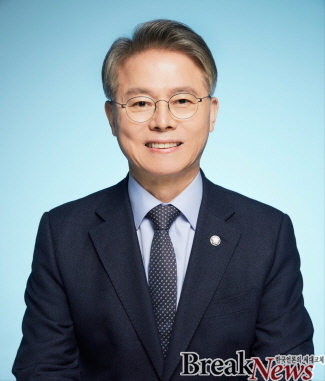
▲ 송하진 의원이 1일 여수시의회 본회의장에서 정기명 시장에게 시정 질의하고 있다. |
무소속 송하진 여수시의원이 여수시가 도시계획 기준을 대폭 완화한데 대해 개정안은 규제 합리화가 아닌 개발업자들에게 면허장을 발급해준 것과 같다며 강력 반발하고 나섰다.
'여수시 도시계획 조례 일부개정 조례안'이 지난달 18일 시의회 본회의를 통과한 데 대한 반발 심리로 읽힌다.
송 의원은 1일 열린 제252회 정례회 본회의 시정 질문에서 "이 조례는 앞으로 10년, 20년 동안 여수의 경관과 안전, 도시 구조에 중대한 영향을 미칠 사안임에도 시민 의견 수렴도, 외부 전문가의 검토도 없었다"며 "집행부는 ‘상위법 개정사항’이라는 이유만 반복하며 책임 있는 검토를 회피했다"고 비판했다.
그는 "집행부가 시민과 의회에 충분한 정보를 제공하지 않았고 최소한의 성의와 절차적 정당성을 갖추지 못했다"고 지적했다.
송 의원은 특히 특화경관지구 규제 완화가 가져올 변화를 우려했다.
그동안 공동주택을 제한해 온 특화경관지구에 연립·다세대 주택과 대형 상업시설이 들어서면 시민 모두가 공유해 온 해안 경관이 특정 소유주에게 넘어가는 경관 사유화가 발생한다고 강조했다.
이와함께 표고 기준 완화 역시 도마에 올랐다.
기존에는 표고 100m 이상 고지대 개발 시 교행이 가능한 2차로 도로 확보가 의무였지만 이번 개정안은 요건을 폭 5m 농어촌 도로로 낮췄다.
송 의원은 "차량 한 대 겨우 지나가는 농도를 2차로 도로와 동일하게 취급하는 것은 시민을 상대로 한 눈속임"이라며 "집중호우나 산사태, 산불 발생 시 소방차 조차 진입하기 어려운 위험 지역이 늘어날 것"이라고 경고했다.
여기에 토석채취 제한거리 완화에 대한 문제도 제기됐다.
송 의원은 "집행부는 설명서에서 '산지관리법 기준을 준용했다"고 주장했지만 "실제 조례 본문에는 이에 대한 근거 규정이 없다"고 했다.
송 의원은 "법적 근거가 없으니 본문에는 넣지 못하고 설명서에만 삽입해 의원들을 안심시키려 한 것 아니냐"며 "이는 의회의 판단을 흐리게 하는 기만적 행위"라고 말했다.
송 의원은 이번 조례 개정 과정 전반에 전문가 검증과 도시계획위원회 심의가 모두 생략된 점을 가장 큰 문제로 지적했다.
집행부가 근거로 내세운 ‘시설직 공무원 간담회’는 내부 실무자 회의에 불과하며 이 회의가 도시계획 조례 개정의 출발점이 되었다는 사실만으로도 절차적 정당성이 훼손되었다는 것이다.
그는 "도시계획의 기준을 내부 간담회 하나로 바꾼 행정은 졸속 행정 그 자체"라고 꼬집었다.
송 의원은 집행부가 이번 개정의 공익적 필요성을 제시하지 못한 점도 지적했다.
그는 "환경영향평가도 없고 교통·재해 위험 분석도 없고 경제 효과 자료도 없었다"며 "규제를 완화하면 도시가 발전할 것이라는 막연한 기대 외에는 어떤 실익도 제시하지 못했다"고 말했다.
이어 "이런 상태에서 통과된 조례가 어떻게 ‘규제 합리화’인가”라고 반문하며 결국 특정 사업자들에게 혜택을 주는 특혜성 완화일 뿐"이라고 비판했다.
송 의원은 "이번 조례로 인해 향후 경관 훼손, 난개발, 재해 위험이 현실화될 경우 그 책임은 전적으로 정기명 시장과 집행부에 있다"며 "의회와 시민 앞에서 이 사실을 분명히 기록으로 남긴다"고 강조했다.
[아래는 구글로 번역한 영문기사 전문입니다. 영문번역에 오류가 있을 수 있음을 전제로 합니다. Below is the full English article translated by Google. It is assumed that there may be errors in the English translation.]
Independent Yeosu City Council member Song Ha-jin has strongly opposed the city's significant relaxation of urban planning standards, claiming the amendment amounts to issuing licenses to developers rather than streamlining regulations.
This is seen as a backlash against the city council's passage of the "Partial Amendment to the Yeosu City Urban Planning Ordinance" at the plenary session on March 18th.
During a city administration question session at the 252nd regular session held on the 1st, Councilmember Song criticized, "This ordinance will have a significant impact on Yeosu's landscape, safety, and urban structure for the next 10 to 20 years, yet there was no public consultation or review by external experts." He added, "The executive branch has avoided responsible review, repeatedly claiming it is a 'revision of higher-level laws.'"
He pointed out that the executive branch failed to provide sufficient information to citizens and the council and failed to demonstrate the minimum level of sincerity and procedural legitimacy.
Councilmember Song expressed particular concern about the changes posed by the relaxation of regulations on Special Landscape Districts.
They emphasized that if townhouses, multi-family housing, and large commercial facilities are built in Special Landscape Districts, which have previously restricted the construction of apartment complexes, "the coastal landscape, once shared by all citizens, will be privatized, transferring it to a specific owner." They argued that this decision runs counter to Yeosu's long-standing urban planning philosophy.
Furthermore, the relaxation of elevation requirements has also come under fire.
Previously, development projects above 100 meters in elevation were required to have two-lane roads with cross-traffic. However, the revised bill lowers this requirement to a 5-meter-wide rural road.
Councilmember Song warned, "Treating roads that can barely accommodate one vehicle as two-lane roads is a deception against the public. This will increase the number of dangerous areas where even fire trucks will have difficulty accessing them during heavy rain, landslides, and forest fires."
Additionally, concerns have been raised about the relaxation of restrictions on soil and rock quarrying.
The executive branch claimed in the explanatory statement that it "applied the standards of the Forest Management Act," but the actual text of the ordinance contains no supporting provisions.
Councilmember Song stated, "Since there is no legal basis, they couldn't include this in the text, but inserted it only in the explanatory statement to reassure the council members. This is a deceptive act that clouds the council's judgment."
Councilmember Song pointed out that the biggest problem with this ordinance revision process was the omission of expert verification and deliberation by the Urban Planning Committee. He argued that the "facility civil servant meeting" cited by the executive branch as evidence was merely an internal working-level meeting, and the mere fact that this meeting served as the starting point for the urban planning ordinance revision undermined its procedural legitimacy.
He criticized, "The administration's decision to change urban planning standards based on a single internal meeting is the very definition of hasty administration."
Councilmember Song also pointed out the executive branch's failure to demonstrate the public interest necessity of this revision. He stated, "There was no environmental impact assessment, no traffic and disaster risk analysis, and no economic impact data." He added, "Aside from the vague expectation that deregulation would lead to urban development, they failed to present any tangible benefits."
He then questioned, "How can an ordinance passed under these circumstances be considered 'regulatory rationalization'?" He criticized the ordinance, saying, "Ultimately, it is nothing more than a preferential deregulation that benefits specific businesses."
Councilman Song emphasized, "If this ordinance leads to future damage to the landscape, overdevelopment, or a real disaster risk, the responsibility lies entirely with Mayor Jeong Gi-myeong and the executive branch. I will clearly record this fact before the council and the citizens."
원본 기사 보기:브레이크뉴스전남동부