브레이크뉴스 김충열 정치전문기자 = 친일재산 환수문제를 취재할 때마다 대한민국은 과연 독립국가가 맞는지 회의가 들 때가 많다. 친일재산 환수가 15년 만에 다시 국가 과제로 떠오르고 있다. 국회·지방정부·미래세대가 함께 참여한‘친일재산 환수를 위한 토론회’가 12월 1일 국회의원회관에서 열리며, 중단된 친일청산 체계를 재정비하기 위한 제도 논의가 공식화됐다. 입법·행정·교육 세 축이 동시에 환수논의에 나선 것은 이번이 처음이다.
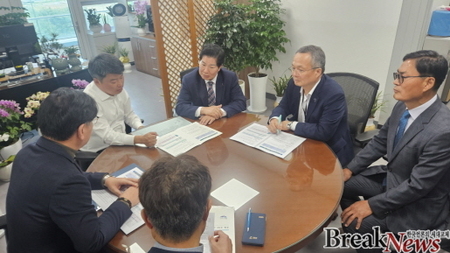
 ▲ 이강일 의원은 “친일재산 환수는 헌정질서의 기준을 바로 세우는 일”이라며, “입법·행정·교육이 함께 움직일 때 우리 역사는 더 이상 흔들리지 않게 된다.”고 강조했다. © 이강일 의원실 |
2005년 제정된「친일반민족행위자 재산의 국가귀속에 관한 특별법」은 4년간 168명의 친일반민족행위자의 1,300만㎡ 토지를 환수하며 역사정의 회복의 전기를 열었다.
그러나 2010년 조사위원회 활동 종료 이후 신규 환수는 한 건도 이루어지지 않았다. 제도 공백이 길어지는 사이 친일재산 관리체계는 사실상 멈춰 섰고, 역사정의는 후퇴할 수밖에 없었다. 이 공백을 극복하기 위해 지난해 이강일 더불어민주당 의원이‘친일재산조사위원회 부활 특별법’을 대표 발의하면서 국가적 환수 체계의 복원이 다시 입법의제로 떠올랐다.
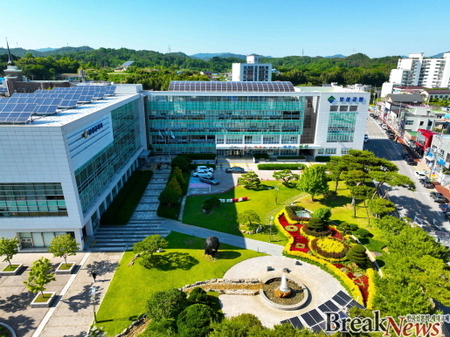
이 흐름 속에서 특히 주목받은 것은 중앙정부도 아닌 진천군의 사례다. 송기섭 진천 군수는 올해 8월 지방정부 최초로‘친일재산 환수 전담 TF’를 출범시켜 독자적인 조사·검증 체계를 가동했다. 진천군 TF는 △지적도·토지대장 기반의 1차 검증 △지역별 친일재산 전수 조사 △전문가 검토 및 법률 자문 △환수 가능성 분석 △국가기관 통보 절차를 포함한 실무 시스템을 구축했다.
이는 “친일재산 환수는 중앙정부 업무”라는 기존 인식을 깨고, 지방정부도 친일청산의 실행주체가 될 수 있음을 입증한 첫 사례다. 지역 단위에서 역사정의를 실천한 이 모델은 향후 전국 지자체로 확산될 수 있는 중요한 행정 선례로 평가된다.
진천군의 성과는 지방의 실천과 중앙의 입법이 결합하는 협력모델을 제시한다. 진천군이 현장에서 환수 의지를 실행으로 옮겼다면, 국회는 이를 뒷받침할 제도적 기반을 갖춰야 한다. 바로 이 지점에서 이번 토론회가 갖는 역사적 의의가 더욱 선명해 진다. 환수 공백을 제도·행정·교육의 종합체계로 재설계 하는 첫 출발점이기 때문이다.
이날 토론회에서 이준식 전 독립기념관 관장은 과거 조사위원회의 성과와 한계를 짚으며, 새롭게 출범할 조사위원회가 갖추어야 할 권한과 기능을 제시했다. 그는 △부동산 데이터 기반의 현대적 조사 시스템 △국가기관 간 정보 연계 △재산 은닉 추적 기능 강화 등을 강조하며“새로운 조사위는 과거보다 강력하고 지속 가능한 구조여야 한다”고 강조했다.
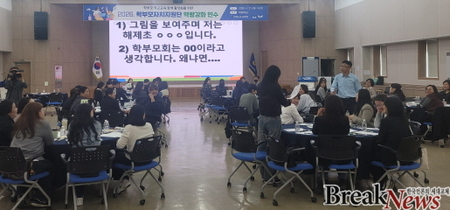
솔강 중학교 2학년 이다건 학생은‘친일재산 환수를 통한 역사교육 모델’을 발표하며“친일문제는 끝난 이야기가 아니라 오늘을 살아가는 시민의 책임”임을 강조했다.
전문가 토론에서는 분야별로 환수의 당위성과 실천 모델이 제시됐다. 역사학자인 이지원 대림대 명예교수는“친일재산 환수는 식민잔재 청산의 정수”라고 평가했고, 강태재 충북 참여자치시민연대 고문은 지역사회 참여형 감시모델을 제안했다. 이승진 국가보훈부 문화정책과장은 “보훈정책과 친일청산은 한 축으로 연결된다.”고 밝혔다. 국진 법무부 국가소송과장은 “친일재산 환수를 위한 국가 소송 시스템의 정비가 필요하다.”고 말했다. 언론계에서는 김남균 충북인 뉴스 편집국장과 우한울 KBS 기자가 은닉된 친일재산의 실태와 기록보존의 중요성을 설명했으며, 최우정 (사)조선의열단기념사업회 기획본부장은“환수는 독립운동의 명예를 회복하는 일”이라고 평가했다.
정치권의 참여도 두드러졌다. 더불어민주당·조국혁신당·사회민주당·기본소득당 의원 등 15명의 국회의원이 공동 주최자로 이름을 올리며, 친일청산 의제를 정파적 논쟁이 아닌 국가과제로 확장하겠다는 의지를 보였다. 강윤진 국가보훈부 차관은 축사에서 “친일청산은 국가보훈의 근본가치와 직결되는 과제”라고 강조했으며, 우원식 국회의장과 정청래 민주당 대표(서면 축사) 역시 국가적 책임 이행의 필요성을 밝혔다.
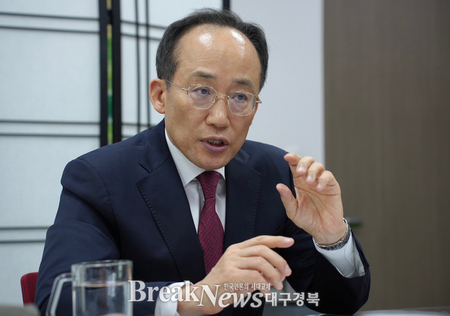
이강일 의원은 “친일재산 환수는 헌정질서의 기준을 바로 세우는 일”이라며, “입법·행정·교육이 함께 움직일 때 우리 역사는 더 이상 흔들리지 않게 된다.”고 강조했다.
이번 토론회는 중앙정부, 지자체, 미래세대가 동일한 목표 아래 환수체계를 논의한 첫 공식 행사로, 친일재산 환수 시스템 재가동의 실질적 출발점으로 평가되고 있다. hpf21@naver.com
*아래는 위 기사를'구글 번역'으로 번역한 영문 기사의[전문]입니다. '구글번역'은 이해도 높이기를 위해 노력하고 있습니다.영문 번역에 오류가 있을 수 있음을 전제로 합니다.*The following is [the full text] of the English article translated by 'Google Translate'. 'Google Translate' is working hard to improve understanding. It is assumed that there may be errors in the English translation.
Rep. Lee Kang-il: "Recovering pro-Japanese assets will restart the stalled wheel of history."
The National Assembly, the local government system, and future generations have joined forces to launch the first signal of resumption!
Break News, Political Reporter Kim Choong-Lyoul = Every time I cover the issue of recovering pro-Japanese assets, I often find myself questioning whether South Korea is truly an independent nation. After 15 years, the recovery of pro-Japanese assets is once again emerging as a national priority. A "Discussion on the Recovery of Pro-Japanese Assets," with the participation of the National Assembly, local governments, and future generations, will be held at the National Assembly Members' Hall on December 1st, formalizing institutional discussions to reorganize the stalled liquidation system for pro-Japanese collaboration. This marks the first time that the three axes of legislation, administration, and education have simultaneously engaged in discussions on recovery.
The Special Act on the Nationalization of Pro-Japanese Collaborators' Property, enacted in 2005, marked a turning point in restoring historical justice by reclaiming 13 million square meters of land owned by 168 pro-Japanese collaborators over a four-year period.
However, since the investigation committee's activities concluded in 2010, not a single new case has been recovered. As the legal vacuum continued, the pro-Japanese collaborator property management system effectively ground to a halt, and historical justice inevitably regressed. To address this vacuum, Rep. Lee Kang-il of the Democratic Party of Korea introduced the "Special Act on the Revival of the Pro-Japanese Collaborator Property Investigation Committee" last year, reviving the national restitution system.
In this context, the case of Jincheon County, not the central government, has garnered particular attention. In August of this year, Jincheon County Governor Song Ki-seop launched the "Pro-Japanese Collaborator Property Recovery Task Force," the first local government task force to implement an independent investigation and verification system. The Jincheon County Task Force established a working system that included: 1) initial verification based on cadastral maps and land registers; 2) a comprehensive survey of pro-Japanese assets by region; 3) expert review and legal advice; 4) analysis of the possibility of restitution; and 5) notification procedures to national agencies.
This is the first example that shatters the conventional perception that "restitution of pro-Japanese assets is a central government task" and demonstrates that local governments can also be agents of liquidation of pro-Japanese assets. This model of implementing historical justice at the local level is considered an important administrative precedent that can be replicated nationwide.
Jincheon County's achievements suggest a cooperative model that combines local action with central legislation. If Jincheon County has translated its commitment to restitution into action on the ground, the National Assembly must establish the institutional foundation to support it. This is precisely where the historical significance of this discussion becomes clearer. It serves as the first step toward redesigning the restitution gap through a comprehensive system of institutions, administration, and education.
At the discussion, Lee Jun-sik, former director of the Independence Hall of Korea, highlighted the achievements and limitations of past investigation committees and proposed the authority and functions that the new committee should possess. He emphasized the following: a modern investigation system based on real estate data, information linkage between government agencies, and strengthened tracking of concealed assets. He emphasized, "The new committee must have a stronger and more sustainable structure than the past."
Lee Da-geon, a second-year student at Solgang Middle School, presented "A History Education Model through the Retrieval of Collaborator-Japanese Assets," emphasizing, "The issue of collaboration is not a closed story; it is the responsibility of citizens living today."
In the expert discussion, the legitimacy and practical models of retrieval were presented by field. Lee Ji-won, a historian and professor emeritus at Daerim University, stated, "The retrieval of pro-Japanese assets is the essence of clearing up the remnants of colonialism." Kang Tae-jae, an advisor to the North Chungcheong Province Citizens' Coalition for Participatory Autonomy, proposed a community-based monitoring model. Lee Seung-jin, director of the Cultural Policy Division at the Ministry of Patriots and Veterans Affairs, stated, "Veterans' welfare policies and the liquidation of pro-Japanese collaborators are closely linked." Kook Jin, Director of the State Litigation Division at the Ministry of Justice, stated, "A national litigation system for the recovery of pro-Japanese assets is necessary." From the media, Kim Nam-gyun, Editor-in-Chief of Chungbukin News, and Woo Han-ul, a KBS reporter, explained the reality of hidden pro-Japanese assets and the importance of record preservation. Choi Woo-jeong, Director of Planning for the Joseon Uiyeoldan Memorial Foundation, commented, "Recovery is restoring the honor of the independence movement."
Political participation was also notable. Fifteen National Assembly members, including those from the Democratic Party of Korea, the Fatherland Innovation Party, the Social Democratic Party, and the Basic Income Party, signed up as co-sponsors, demonstrating their commitment to expanding the agenda of liquidating pro-Japanese collaborators beyond partisan debate to a national task. In her congratulatory address, Vice Minister of Patriots and Veterans Affairs Kang Yoon-jin emphasized, "Liquidating pro-Japanese collaborators is a task directly linked to the fundamental values of national veterans' affairs." National Assembly Speaker Woo Won-sik and Democratic Party leader Chung Cheong-rae (in a written address) also emphasized the need for national responsibility.
Rep. Lee Kang-il emphasized, "Recovering pro-Japanese assets is about establishing the standards of constitutional order," and added, "When legislation, administration, and education work together, our history will no longer be shaken."
This forum marks the first official event where the central government, local governments, and future generations discussed the repatriation system with a shared goal, and is considered a practical starting point for the reactivation of the pro-Japanese assets repatriation system. hpf21@naver.com