이재명 정치의 본질적 문제는 유능하냐, 무능하냐의 문제가 아니다. 그것은 권력을 어떻게 이해하느냐의 문제다. 국가 운영을 제도와 시스템의 문제로 보느냐, 아니면 개인의 결단과 개입의 문제로 보느냐의 차이다. 이재명이 스스로를 ‘잡학잡식형 지도자’로 규정할 때, 그가 떠올리는 모델은 선비형 박학다식이 아니다. 오히려 그것은 아전형 만기친람萬機親覽=임금이 모든 정사를 직접 보살피고 살피는 통치 방식)이라는 오래된 유혹에 가깝다.
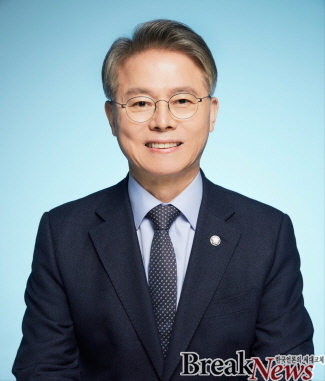
 ▲ 이재명 대통령. ©뉴시스 |
만기친람萬機親覽)은 동아시아 정치사에서 반복되어 온 실패의 공식이다. 최고 권력자가 모든 사안에 직접 개입하고, 모든 보고를 자신에게 집중시키며, 모든 결정을 스스로 내려야 직성이 풀리는 통치 방식이다. 겉으로는 열심히 일하는 지도자처럼 보이지만, 실제로는 제도의 숨통을 조이고 조직의 자율성과 전문성을 질식시키는 방식이다.
국정은 개인의 성실함이나 기민함으로 운영되지 않는다. 그것은 업무 분장, 책임의 위계, 상호 견제와 신뢰라는 제도적 장치 위에서만 작동한다. 대통령은 방향과 철학을 제시하고, 장관은 정책을 설계하며, 국장과 과장은 집행과 조정을 맡는다. 이 구조가 무너지는 순간 국정은 혼란으로 치닫는다. 대통령이 장관의 일을 하고, 장관이 국장의 일을 하며, 국장이 과장의 일을 하면, 그 끝은 늘 같다. 책임은 사라지고 사고만 남는다.
이재명의 정치적 이력은 이러한 구조적 위험을 이해하는 데 중요한 단서를 제공한다. 수십만 박사 시대에 그의 학력은 기껏 학부 졸업에 그친다. 법대 진학 이후에도 다양한 학문을 탐구하기보다는 사법시험 준비에만 전력을 기울였던, 한국 사회의 전형적인 ‘수험 법학’ 경로를 밟았다. 이 과정에서 장기적인 인문학적 사유나 역사적 상상력을 축적할 시간과 기회는 제한적일 수밖에 없었다. 그는 대학이라는 학문의 전당에서 학문을 한 것이 아니라, 시험을 통과하기 위한 지식 훈련에 몰두한 셈이다. 여기에 더해 그는 소년공으로서 제도권 밖의 삶을 경험했고, 이후 성남시장과 경기도지사로서 단체장 행정을 수행했다. 이 경험은 분명 그를 강단 있고 실행력 중심의 행정가로 만들었다. 그러나 문제는 여기서부터다. 국정은 단체장 행정의 확대판이 아니다.
지방행정은 비교적 제한된 영역에서 강한 리더십과 속도감이 효과를 발휘할 수 있다. 반면 국정은 외교, 안보, 금융, 산업, 과학기술, 문화, 교육이 복합적으로 얽힌 고차 방정식이다. 여기서 요구되는 것은 '내가 다 안다’는 확신이 아니라, ‘내가 다 알 수 없다’는 자각이다.
그러나 이재명은 이 지점에서 멈추지 않는다. 그는 자신의 경험과 이해를 넘어서는 영역에서도 과도한 확신과 공격적 개입을 서슴지 않는다. 정부 부처와 산하기관을 향해 공개적인 훈계와 질책을 반복하고, 임명권자라는 이유만으로 고위 관료나 산하기관장들을 하급 실무자처럼 대한다. 이것은 리더십이 아니라 권력의 오만이다.
역사는 이러한 유형의 지도자에게 결코 관대하지 않았다. 히틀러는 1941년 이후 군사 작전에 직접 개입하며 참모진의 전문적 판단을 무시했고, 그 결과 독일은 스탈린그라드에서 치명적 패배를 맞았다. 마오쩌둥은 대약진운동과 문화대혁명에서 모든 정책을 자신의 직관과 이념에 맡겼고, 보고는 왜곡되었으며 수천만 명이 아사했다. 푸틴 역시 우크라이나 침공 과정에서 듣고 싶은 보고만 받았고, 그 결과는 장기 소모전이었다. 만기친람萬機親覽)은 언제나 보고의 왜곡과 조직의 침묵을 낳는다.
해방 직후 북한 군정 시기의 스티코프 중장을 떠올려 보자. 소련군 중장이었던 그는 점령군의 권력으로 김일성을 교시할 수 있었다. 그러나 오늘의 대한민국은 점령지가 아니다. 이재명 정부의 장·차관과 산하기관장들은 각 분야에서 수십 년간 훈련된 엘리트들이다. 상당수는 대통령 개인보다 더 깊은 전문성과 국제적 경험을 갖고 있다.
그럼에도 불구하고 최근 타운홀 미팅이라는 형식으로 산하기관장들을 대규모로 동원해 공개 질책을 가하는 장면은 참담하다. 이는 소통도, 개혁도 아니다. 권력을 과시하는 의식일 뿐이다. 토론이 사라진 자리에 남는 것은 침묵과 복종뿐이며, 그렇게 길들여진 조직은 위기 앞에서 가장 먼저 무너진다.
대통령의 가장 큰 덕목은 지식의 총량이 아니다. 사람을 쓰는 능력이다. 겸손하게 위임하고, 책임 있게 신뢰하며, 필요할 때는 물러날 줄 아는 용기. 이것이 민주국가 지도자의 조건이다.
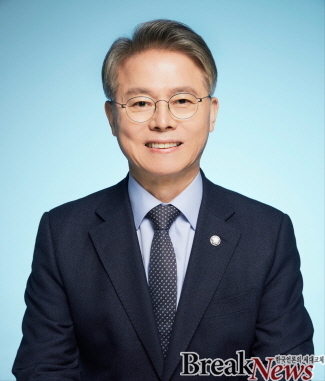
 ▲필자/ 김정기 '한국형 협상의 법칙(청년정신사)' 저자. ©브레이크뉴스 |
한 치밖에 되지 않는 지식과 경험을 과시하려는 태도는 결국 열등감의 다른 이름일 뿐이다. 왜 다수의 국민이 이러한 콤플렉스의 포로가 되어야 하는가. 그를 선택하지 않은 국민에게 이는 거의 폭력에 가깝다.
조선 왕조를 설계했던 정도전 같은 박학다식의 지도자가 이 장면을 본다면 기가 막힐 일이다. 지식은 권력을 과시하기 위한 장식이 아니라, 권력을 절제하기 위한 무기다. 이재명은 교만해져서는 안 된다. 세상은 그렇게 만만하지 않다. 이제는 정신 차릴 때다. Jeongkeekim@naver.com
*필자/김정기
● 학력
- 뉴욕주립대학교(Stony Brook) 정치학과 수석 졸업
- 마케트대학교(Marquette) 로스쿨 법학박사
- 하버드대학교(Harvard) 케네디스쿨 최고위 과정
- 베이징대학교(Peking) 북한학 연구학자
● 경력
- 세계스마트시티기구(WeGO) 사무총장 (현)
- 유엔 국제전기통신연합 (UN ITU) 가상세계 및 AI 글로벌 이니셔티브 집행위원(현)
- 아시아태평양지방정부네트워크(CityNet) 대표
- 제8대 주상하이 대한민국 총영사(13등급 대사)
- 2010 상하이엑스포 대한민국관 정부대표
- 제17대 대선 한나라당 이명박 대통령 후보 국제위원장
- 제20대 대선 국민의힘 윤석열 대통령 후보 정치개혁 공약 총괄
- 제21대 대선 국민의힘 김문수 대통령 후보 외교고문
- 자유한국당 오세훈 당대표 후보 SH전략회의 총괄 및 조직본부 총괄본부장
- 자유한국당 서울시장 예비후보
- 법무법인 대륙아주 중국 총괄 미국변호사\
- 난징대학교 국제경제연구소 객좌교수
- 동국대학교 경영전문대학원 석좌교수
- 숭실사이버대학교 총장
● 저서
1. 대학생을 위한 거로영어연구[전 10권](거로출판사)
2. 나는 1%의 가능성에 도전한다(조선일보사)
3. 한국형 협상의 법칙(청년정신사)
4. 대한민국과 세계 이야기 (도서출판 책미듬)
5. Korea and the World (Advance Reader Copy)
*아래는 위 기사를 '구글 번역'으로 번역한 영문 기사의 [전문]입니다. '구글번역'은 이해도 높이기를 위해 노력하고 있습니다. 영문 번역에 오류가 있을 수 있음을 전제로 합니다.<*The following is [the full text] of the English article translated by 'Google Translate'. 'Google Translate' is working hard to improve understanding. It is assumed that there may be errors in the English translation.>
The Temptation of "Man-gi Chin-lam" (Personal Oversight of All Things)... The Structural Dangers of Lee Jae-myung's State Administration
-Kim Jeong-gi, Columnist
The fundamental problem with Lee Jae-myung's politics isn't whether he's competent or incompetent. It's a question of how he understands power. It's a question of whether he views state governance as a matter of institutions and systems, or of individual decision-making and intervention. When Lee Jae-myung defines himself as a "generalist leader," the model he envisions isn't a scholar-like, erudite scholar. Rather, it's closer to the age-old temptation of "Man-gi Chin-lam" (a style of governance in which the king personally supervises and oversees all state affairs).
Man-gi Chin-lam (Personal Oversight of All Things) is a formula for failure that has been repeated throughout East Asian political history. It's a style of governance in which the supreme authority is compelled to directly intervene in all matters, direct all reports to himself, and make all decisions. On the surface, he appears to be a hard-working leader, but in reality, he strangles the system and stifles organizational autonomy and expertise.
Government is not governed by individual diligence or agility. It operates solely on the institutional framework of division of labor, hierarchy of responsibility, and mutual checks and balances and trust. The president sets the direction and philosophy, ministers design policies, and bureau chiefs and division chiefs are responsible for execution and coordination. The moment this structure collapses, government descends into chaos. When the president acts as a minister, ministers act as division chiefs, and division chiefs act as division chiefs, the outcome is always the same: responsibility disappears, leaving only accidents.
Lee Jae-myung's political history offers crucial clues to understanding this structural risk. In an era where hundreds of thousands of PhDs are earned, his academic background is limited to an undergraduate degree. Even after entering law school, he focused solely on preparing for the bar exam, rather than exploring diverse academic fields, following the typical "preparatory law" path of Korean society. This process inevitably limited the time and opportunity to cultivate long-term humanistic thought and historical imagination. Rather than pursuing his studies in the halls of academia, he focused on training himself to pass exams. Furthermore, he experienced life outside the system as a child laborer, and later served as mayor of Seongnam and governor of Gyeonggi Province. This experience undoubtedly shaped him into a strong and execution-oriented administrator. However, the problem begins here. National administration is not an expanded version of local administration.
Local administration can be effective in relatively limited areas with strong leadership and a sense of speed. National administration, on the other hand, is a complex equation involving diplomacy, security, finance, industry, science and technology, culture, and education. What is required here is not the conviction that "I know everything," but the awareness that "I can't know everything."
However, Lee Jae-myung doesn't stop there. He doesn't hesitate to be overconfident and aggressive in areas beyond his experience and understanding. He repeatedly publicly admonishes and reprimands government ministries and affiliated agencies, and simply because he holds the power to appoint officials, he treats high-ranking officials and heads of affiliated agencies like low-level practitioners. This is not leadership, but the arrogance of power.
History has never been kind to this type of leader. Hitler directly intervened in military operations after 1941, ignoring the expert judgment of his general staff, resulting in Germany's catastrophic defeat at Stalingrad. Mao Zedong, during the Great Leap Forward and the Cultural Revolution, relied on his intuition and ideology for all policy decisions, leading to distorted reports and the starvation of tens of millions. Similarly, Putin received only the reports he wanted to hear during the invasion of Ukraine, resulting in a protracted war of attrition. This "personalized approach" always leads to distorted reports and organizational silence.
Recall Lieutenant General Shtykov during the North Korean military administration immediately following liberation. As a Soviet lieutenant general, he was able to instruct Kim Il-sung through the power of the occupying forces. However, today's South Korea is not an occupied territory. The ministers, vice ministers, and heads of affiliated organizations in the Lee Jae-myung administration are elites trained for decades in their respective fields. Many possess deeper expertise and international experience than the president himself.
Nevertheless, the recent scene of large-scale public reprimands of heads of affiliated organizations, often in the form of town hall meetings, is devastating. This is neither communication nor reform. It's merely a ritual to flaunt power. Where discussion disappears, only silence and obedience remain, and organizations tamed in this way are the first to collapse in the face of crisis.
The greatest virtue of a president is not the sheer volume of knowledge. It's the ability to utilize people. Humbly delegating, responsibly trusting, and the courage to step back when necessary. These are the qualities of a leader in a democratic nation.
The attitude of flaunting one's meager knowledge and experience is ultimately nothing more than another name for an inferiority complex. Why should the majority of the people be captive to this complex? To those who did not elect him, it borders on violence.
If a leader as knowledgeable as Jeong Do-jeon, the architect of the Joseon Dynasty, were to witness this scene, he would be appalled. Knowledge is not a decoration for power, but a weapon for restraining it. Lee Jae-myung must not be arrogant. The world is not that easy. It's time to come to your senses. Jeongkeekim@naver.com
*Author/Kim Jeong-gi
● Education
- Summa Cum Laude, Department of Political Science, State University of New York (Stony Brook)
- Doctor of Law, Marquette Law School
- Harvard Kennedy School, Executive Program
- North Korean Studies Research Scholar, Peking University
● Career
- Secretary General of the World Smart Cities Organization (WeGO) (current)
- Executive Committee Member, Virtual World and AI Global Initiative, International Telecommunication Union (ITU)
- Representative, Asia-Pacific Local Government Network (CityNet)
- 8th Consul General of the Republic of Korea in Shanghai (Ambassador, Class 13)
- Government Representative, Republic of Korea Pavilion, 2010 Shanghai Expo
- Chairman of the International Affairs Committee, Grand National Party (GNP) Presidential Candidate Lee Myung-bak in the 17th Presidential Election
- Chief of Political Reform Pledges, People Power Party (PPP) Presidential Candidate Yoon Seok-yeol in the 20th Presidential Election
- President Kim Moon-soo of the People Power Party in the 21st Presidential Election Foreign Affairs Advisor to the Candidate
- Oh Se-hoon, Liberty Korea Party Candidate for Party Leadership, SH Strategy Council, and Head of the Organization Headquarters
- Liberty Korea Party Candidate for Seoul Mayor
- American Attorney, Head of China, Continental Law Firm
- Visiting Professor, Nanjing University International Economics Institute
- Distinguished Professor, Dongguk University Graduate School of Business
- President, Soongsil Cyber University
● Books
1. Georo English Studies for College Students [10 Volumes] (Georo Publishing)
2. I Challenge the 1% Chance (Chosun Ilbo)
3. The Law of Korean Negotiation (Chungnyeon Jeongshinsa)
4. Stories of Korea and the World (Chaekmidum Publishing)
5. Korea and the World (Advance Reader Copy)