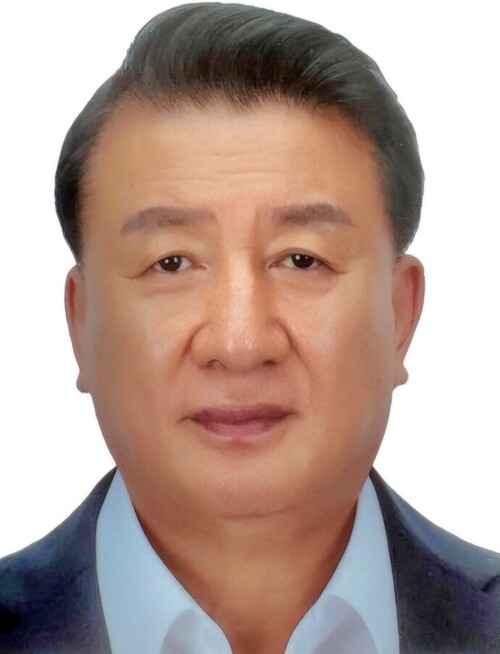
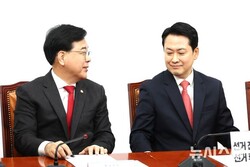
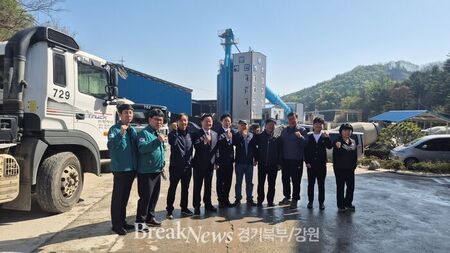
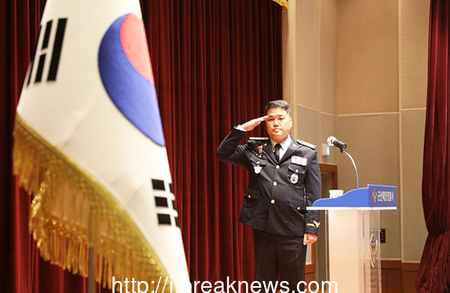
▲10.27 법란 피해자이자, 불교신문 편집국장 출신인 이법철 스님. ©브레이크뉴스 |
45년째, 아직 매듭 짓지 못한 1980년 10, 27 법란(法難=10·27 법란은 1980년 10월 27일, 전두환 신군부 정권이 불교계를 정화 명분으로 군과 경찰을 동원해 전국 사찰과 승려를 강제로 연행·수사한 국가권력 남용 사건) 피해자 스님들의 비참한 말년에 대한 성찰 보고, 그리고 대안촉구! “용서하라! 하지만 잊지는 말라!”는 말은 2차 대전 후 서독 총리 빌리 그란트란 자가 폴란드 아우슈비츠에 가 무릎 꿇고 빌었지만, 아직 독일엔 극우 나치 세력이 엄존하고 있다. 유대인들의 악마의 속성을 간파한 역사교육의 본질을 꿰뚫는 금언이다.
1980년 5, 17일 이전에 전두환 하나회 도당은 박정희가 시해되자 긴박하게 쿠데타를 모의 그 방법으로 살육과 공포 탄압과 금지를 선택했다. 광주학살로는 이미 민심의 들판에 번진 민주화 열망을 잠재울 수 없었다. 국민을 다 죽일 수는 없었는지, 중국 홍위병들의 문화혁명 방식을 택해 보안사를 첨병 삼고, 경찰 백골단까지 만들어 청바지에 헬멧 씌우고 양손엔 사과탄을 들려 대학교 강의실까지 난입시켜 시위 지도부를 무차별 폭행하여 여학생 머리를 개 끌 듯 끌고 가 닭장차에 실어, 보통 2~3년 형 교도소에 수감했다. 뱀 머리를 제거하면 독사도 쭉 뻗어 절명한다는 반인륜적 발상이었다. 난, 그 거리에 20살 청년 대학생으로 있었기에 첨삭하지 않고 늦은 진실을 말한다.
원점 소거작전으로 큰 계획을 수립, 정치지도자 수뇌부 제거로서, DJ 사형 YS 자택연금 JP 제주도 땅 부정 축재자로 몰아 겹겹의 족쇄를 채웠다. 언론은 통폐합시켜 자율과 독창적 의견을 내지 못하도록 괴벨스 전략을 이용했다. 박정의의 국기 하강식 때 전 국민을 올스톱 시키더니, 전두환은 땡전 뉴스로 보도 사전검열이란 장치를 걸어 언론인들을 맛없는 두부 조각으로 획일화시켰다. 반항하면 뒷조사 파렴치범으로 몰아 사회적 매장을 가하거나, 귀갓길 보안사 예하 민간인 복장의 요원을 깡패로 위장 의문사나 집단 린치로 가공할 소문을 퍼뜨리게 했다.
신군부는 마지막 제압분야로 종교계로 눈을 돌렸다. 세계적 종교인 가톨릭과 기독교는 로마와 미국의 지지를 받아 건드리기가 어려웠다. 신군부 이래 아직껏 명동성당으로 그 어떤 독재자도 숨은 민주화 투사를 검거하려 침입한 사례가 없다. 기독교 신자인 미 대사 글라이스틴은 본국에 긴급타전 DJ의 사형집행을 막았다. 주한미군 철수와 외교 단절 미 대사 소환 같은 미 국무부의 겁박에 ‘미국으로의 망명 겸 추방’ 형식으로 DJ를 미국에 넘겼다.
나를 기고토록 기회를 준 브레이크뉴스(2002년 인터넷신문 창간) 문일석 발행인도 이때부터 5년간 뉴욕 맨해튼에 거주하며 반정부 기사를 연일 퍼 올렸다. 이후, DJ는 DJP 연합정권 대통령이 되고 나서 첫 인터뷰어로 문일석 발행인(주간현대)의 민주화 필봉 노고를 답했다. 그는 DJ 최다 인터뷰어이기도 하다. 미국 정부는 문일석 민주화운동 언론인 자세를 높이 평가했다. 그는 컬럼비아 대학 도서관 등은 이용하면서 자료를 모아 “비록 중앙정보부(전3권)” 출간한 바 있다. 또한 CIA의 비밀요원 ‘최은희-신상옥’ 탈북 조사관이었던 마이클 리와도 평생지기로 오랜 신뢰를 교류해왔다.
이 사연을 소개하는 것은 세상만사 촘촘히 엮인 인연의 필연적 관계를 납득키 위함이다. 1985년 2월 전두환이 DJ의 조건부 귀국을 허가한다. 동교동 길 아래에 위치한 야트막한 골목길엔 항시 경찰이 24시간 방문객을 캐묻고 기록했다.
매년 명절엔 DJ가 문일석 발행인을 초청하기도 했다. DJ 서거 전까지이니, 미국까지 근 30여 년의 오랜 정치적인 대화를 해온 셈이다. 1989년 귀국한 문일석 발행인은 오랜 지인인 불교신문 편집국장이자 대표적 선승인 이법철 스님과 정기적인 교분을 뒀다. 필자 또한 문일석 발행인의 소개로 2만여 권을 통독한 학승이자 선승인 법철 스님과 15년 넘게 차담 우(茶談 友)의 연을 맺었다. 한때 조계종 총무원 재정국장-불교신문 편집국장직을 퇴임까지 지냈으나, 세월은 법철 스님의 온 육신을 거칠게 훑고 지나갔다. 경도 치매에 중증 당뇨로 강원도 원주 초막에 독거 중이고, 어언 팔순 언저리에 닿았다.
며칠 전, 40년 단골이라는 서울시 종로구 자하문로 소재 황금정이란 한식집에 전화 받고 갔다. 이곳에서 만나게 됐다. 스님이 가쁜 숨을 고르며 입을 천천히 열었다. 10.27 법란 이후, 삶의 고백이다.
“이래권 원장님... 김제라고 혔나? 나는 고창이네! 인민군들이 내 부모님을 뒷산 소나무에 새내끼로 묶고 죽창으로 찔러 죽였다네. 오갈 데 없는 천덕꾸러기로 밥 동냥하고 살다가 고창 선운사로 동자 출가했지. 내가 왜 빨갱이라면 치를 떨고 악을 써댔는지 알것는가? 부처님께서 인생은 고해(苦海)라고 하시더니 살어본 게 딱 그것이 인생이도만…. 원주로 가면서, 내가 가지고 있던 책 이만 권은 카트에 실어 고물로 내다 팔었네. 조계종 사회부장 불교신문 주필 할 때는 각다귀 떼처럼 아첨꾼들이 득실대도만, 내가 아프고 원주로 유배간 게 다 등 돌립디다. 나 기초수급자네. 진즉에 돈이나 좀 챙겨둘걸, 허허허.
밤이 깊어져 간 게 내 요점만 이 원장에게 말하리다. 1980년 10월 27일 해장부터 조계사에 보안사 놈들과 버스 서너 대가 들이닥쳤지. 바로 실려 간 곳은 서빙고 지하실이었다네. 각목으로 때리고 대가리 물에다 담그고, 가슴 고추에 전기고문 하면서 돈하고 여자 문제 불라고 보름간 맞었다네. 안 불응 게 월주 스님 비리를 불라고 또 때려. 전구다마 불은 안 꺼지고 잠을 안 재워. 비몽사몽에다 몸뚱이는 아프고... 여럿이 허위자백하고 풀려났지. 나중에 그 자백으로 자살한 스님도 여럿 있었어요.
1980년도 전두환이가 벌인 국가폭력 보상금이 국회서 다섯 차례 논의한 결과 듣기로는 1,500억이 조계종 총무원으로 내려왔다는데, 봉은사 인근 터에 무슨 기념관을 건립한다고 하네. 우리가 무슨 독립운동을 한 것도 아닌디, 세금 축내는 노인으로서 내 돈 내놔라 나설 일도 아니지 않은가? 혀서, 2천여 명이 전국 사찰서 끌려가 갖은 고초를 겪었는디 중상해자가 1백여 명 되는 가보네. 이미 48분이 열반하셨고, 50여 분이 생존해 계시는데 다 팔순 넘고 저승길이 대문 밖 아닌가?
내가 바라는 것은, 총무원이 무슨 기념관을 짓는 것은 하꼬방만 허게 차리면 될 것인디, 늙어 병에 빠진 피해자들을 45년째 내박치고 어서 죽으라는 식으로 건물을 짓고 돌비석에 영원히 새긴다는 것은 미세망상을 지고 죽어도 이승에 남으라는 뜻 아닌가?
많이 다친 내 도반들이 말년에, 주변에 천덕꾸러기 돈 없는 기초수급자로 오명이나 털고 죽게 이 원장이 그 글이나 한 줄 써주소. 살기도 죽기도 어려운 게 인생이라더만, 전두환이는 죽었고 국회는 2008년에 결의했는디, 인자 내 친정 조계종 총무원이 나서서 돈을 묶고 저승길에 아픈 것 참고 똥이나 지리고 죽으라니 참으로 고약한 후배 중들이야.
간병인이 일주일에 서너 번 와서 반찬하고 청소해 준다지만, 내가 더 살아 방바닥에 고꾸라지면 고독사 하게 생겼네. 죽은 제날짜 삼 일 후에 장작 한 지게 속으로 들어가 활활 타 죽으면 될 것을…. 죽기도 어렵네. 총무원이 천5백억 중에서 1980년 10, 27 법란(法難) 중상해 피해자들 불이나 좀 때주고 밥 먹다 고개 꺾게 해준다면 이런 부산을 떨고 이 원장을 부르겠는가? 법란 때 중상해자 50명 살리는디, 정부 보상금 1천5백억 중에서 몇 푼이나 들겄는가? 병원비 쌀 포대 보일라 기름 값 걱정 안 하게 조계종 총무원이 나섰으면 하는 것이 전부네.“
조계종 총무원에 묻는다. 현 지도부가 1980년 10, 27법란 때 보안사 서빙고에 끌려가 고초 받은 자 몇이나 되나? 선배 스님들이 흥부 매품팔이로 번 돈을 건물 지어. 또 얼마나 업자와 협잡 돈을 빼돌릴까, 하는 인사동 황금정에 모인 여덟 분의 스님과 사부대중의 염려를 허술히 간과하지 말라.
 ▲ 인터뷰어/이래권 작가. ©브레이크뉴스 |
겨울이 깊어지고 길다. 봄도 오고 있으니 하는 한가한 폐기처분 될 선어(禪語)를 남발하지 말라. 한때, 전두환 도당의 개 보안사의 고문에 굴하지 않고 종문(宗門) 금기를 목숨 걸고 지킨 어른들이시다. 파계 환속 거사도 염려가 이럴진데, 한때 조계종 재정국장을 지냈고 불교신문의 주필로서 불교 전파에 혼을 쥐어짠 이법철 스님을 고려장 시켜 놓고도 밥이 술술 넘어가냐? 세상 말세라지만, 산문(山門)까지 이리 돈에 환장해서야 어느 사부대중이 부처님께 절을 올릴까? samsohun@naver.com
*필자/이래권 작가
*아래는 위 기사를 '구글 번역'으로 번역한 영문 기사의 [전문]입니다. '구글번역'은 이해도 높이기를 위해 노력하고 있습니다. 영문 번역에 오류가 있을 수 있음을 전제로 합니다.<*The following is [the full text] of the English article translated by 'Google Translate'. 'Google Translate' is working hard to improve understanding. It is assumed that there may be errors in the English translation.>
Venerable Lee Beop-cheol, a victim of the October 27 Buddhist Incident, laments, "Where did the 150 billion won in government compensation go?"
[Exclusive Interview] Criticism: "The Jogye Order's General Affairs Office is saying they'll build a memorial hall on the Bongeunsa Temple site at the price of monks?"
- Author Lee Rae-kwon
45 years later, the unresolved October 27 Incident of 1980 (the October 27 Incident was an abuse of state power on October 27, 1980, when the Chun Doo-hwan military junta mobilized the military and police to forcibly arrest and investigate temples and monks nationwide under the pretext of purging the Buddhist community) remains unresolved. A report reflecting on the tragic final years of the monks who were victims, and calling for alternative solutions! "Forgive! But never forget!" was the phrase West German Chancellor Willy Grant knelt in prayer at Auschwitz in Poland after World War II, yet far-right Nazi forces still linger in Germany. This maxim penetrates the essence of history education, which has grasped the demonic nature of the Jews.
Before May 17, 1980, Chun Doo-hwan's Hanahoe faction, in the wake of Park Chung-hee's assassination, urgently plotted a coup, opting for massacre, terror, suppression, and prohibition. The Gwangju Massacre couldn't quell the democratic aspirations already raging among the people. Perhaps unable to annihilate the entire nation, they adopted the Cultural Revolution approach of the Chinese Red Guards, using the Security Command as their vanguard and forming a police force known as the White Bone Corps. Wearing jeans and helmets, they stormed university lecture halls, wielding grenades, and indiscriminately assaulted protest leaders. They dragged female students by the hair like dogs, loading them into chicken trucks, and imprisoned them, typically for two to three years. It was an inhumane idea: if you remove the head of a snake, even a venomous snake will stretch out and die. I, a 20-year-old college student, was there, so I'm telling the truth, without editing.
A grand plan was developed to eliminate the core political leaders: DJ was executed, YS was placed under house arrest, and JP was accused of amassing wealth through illegal means, placing him under multiple shackles. The media was consolidated, employing Goebbels' tactics to suppress independent and original opinions. After Park Chung-hee's national flag-lowering ceremony, Chun Doo-hwan imposed a nationwide shutdown, reducing journalists to tasteless pieces of tofu through pre-reporting censorship. Any resistance was branded a criminal with a criminal background check, leading to social ostracism. On the way home, agents from the Defense Security Command in civilian attire were disguised as gangsters, spreading horrific rumors of suspicious deaths or mob lynchings.
The new military junta turned its attention to the religious community as its final area of control. Global religions like Catholicism and Christianity, backed by Rome and the United States, were difficult to tamper with. Since the military junta, no dictator has ever invaded Myeongdong Cathedral to arrest a hidden democracy activist. US Ambassador Gleysteen, a Christian, sent an urgent telegram to his home country, preventing DJ's execution. Under pressure from the US State Department, including the withdrawal of US troops from Korea, the severance of diplomatic ties, and the recall of the US ambassador, DJ was handed over to the US under the guise of "exile and deportation."
Moon Il-seok, publisher of Break News (an online newspaper launched in 2002), who gave me the opportunity to contribute, also lived in Manhattan, New York, for five years, publishing anti-government articles daily. After becoming president of the DJP coalition government, Moon Il-seok was the first interviewee to acknowledge the hard work of publisher Moon Il-seok (of Weekly Hyundai) in promoting democracy. He was also DJ's most frequent interviewee. The US government highly praised Moon Il-seok's stance as a journalist for the democracy movement. He collected materials from libraries like Columbia University and published "Although the Central Intelligence Agency (3 volumes)." He also maintained a lifelong friendship and trust with Michael Lee, a former CIA agent who had defected to North Korea and was an investigator for the CIA's secret agents, Choi Eun-hee and Shin Sang-ok.
This story is told to illustrate the inevitability of the intricately interwoven relationships in all things. In February 1985, Chun Doo-hwan granted DJ a conditional return to Korea. Police were constantly on duty 24 hours a day, questioning and recording visitors in the narrow alleyway down Donggyo-dong.
DJ also invited publisher Moon Il-seok every holiday. Until DJ's death, they engaged in a long-term political dialogue, even reaching the United States, spanning nearly 30 years. Upon his return to Korea in 1989, publisher Moon Il-seok maintained regular contact with his longtime friend, the Buddhist newspaper editor-in-chief and renowned Zen monk, Venerable Lee Beop-cheol. Through the introduction of publisher Moon Il-seok, I also developed a tea-chatting friendship with Venerable Beopcheol, a scholar-monk and Zen master who had read over 20,000 books, for over 15 years. He once served as the Director of the Finance Bureau of the Jogye Order General Affairs Office and as the editor-in-chief of the Buddhist Newspaper, but time has taken a harsh toll on Venerable Beopcheol. Suffering from mild dementia and severe diabetes, he now lives alone in a shack in Wonju, Gangwon Province, and is nearing his eighties.
A few days ago, I received a phone call from a Korean restaurant called Hwanggeumjeong on Jahamun-ro, Jongno-gu, Seoul, a place I'd been frequenting for 40 years. It was here that we met. The monk, breathing heavily, slowly opened his mouth. This was a confession of life after the October 27th Buddhist Incident.
"Director Lee Rae-kwon... Did you say Gimje? I'm from Gochang! The People's Army tied my parents to a pine tree in the back mountain and stabbed them to death with bamboo spears. I lived as a homeless outcast, begging for food, until I became a monk at Seonunsa Temple in Gochang. Do you know why I would tremble and swear at anyone who called me a communist? The Buddha said life is a sea of suffering, and that's exactly what I've experienced... On my way to Wonju, I loaded all 20,000 books I owned onto a cart and sold them as scrap. When I was the head of the social affairs department of the Jogye Order and editor-in-chief of the Buddhist newspaper, sycophants swarmed like gnats, but my illness and exile to Wonju were the reasons they all turned their backs on me. I'm on basic livelihood security. I should have saved some money a long time ago. Hehe.
As the night grew deeper, I'll tell Director Lee my main point. October 1980 On the 27th, three or four buses carrying security agents stormed Jogyesa Temple. They were immediately taken to the basement of the Seobinggo building. They beat them with wooden clubs, submerged their heads in water, and subjected them to electric shocks on their chests and legs, demanding they report on money and women. Those who refused were beaten again, demanding they report on the corruption of Monk Wolju. The lights wouldn't go out, and they wouldn't let them sleep. They were half-asleep and in pain... Many made false confessions and were released. Several monks later committed suicide after making those confessions.
I heard that after five rounds of National Assembly discussions on compensation for state violence perpetrated by Chun Doo-hwan in 1980, 150 billion won was handed over to the Jogye Order's General Administration Office. They're planning to build some kind of memorial hall on the grounds near Bongeunsa Temple. We didn't fight for independence, and as taxpayers, shouldn't we be demanding our money? So, over 2,000 people were taken from temples across the country. They've endured all kinds of hardships, and there must be over 100 seriously injured. Forty-eight have already passed away, and over fifty are still alive, all in their eighties and facing the afterlife.
What I hope is that the General Affairs Office, building a memorial hall, would be as simple as setting up a small room. For 45 years, they've been confining the victims, who are old and sick, to death. They've built a building and engraved it on a stone monument, telling them to die quickly. Doesn't that mean they're supposed to remain in this world, carrying delusions of their own?
I hope this director will write a line so that my comrades, who have been badly injured, can live their final years, clearing their name as worthless, penniless beneficiaries of basic livelihood security. They say life is difficult, whether you live or die. Chun Doo-hwan is dead, and the National Assembly passed a resolution in 2008. And now, the General Affairs Office of my own Jogye Order is stepping in, tying up our funds and telling us to endure pain and poop on our way to the afterlife. It's truly a shame. "You're juniors.
They say a caregiver comes three or four times a week to cook and clean, but if I live any longer and collapse on the floor, I'll die alone. I should just be buried in a load of firewood and burned to death three days after my death... Even dying is difficult. If the General Affairs Office had spent 150 billion won to light a fire for the victims of the October 27, 1980 Incident and let them break their heads while eating, would they have made such a fuss and called this director? How much of the 150 billion won in government compensation would it take to save 50 seriously injured victims of the Incident? All I wish was for the Jogye Order General Affairs Office to step in so we wouldn't have to worry about hospital bills, rice sacks, boiler oil, and other costs."
I ask the Jogye Order General Affairs Office: How many of the current leadership were taken to the Security Command's serving room and tortured during the October 27, 1980 Incident? Don't dismiss the concerns of the eight monks and the four groups of monks gathered at Hwanggeumjeong in Insa-dong, who are wondering how much more money the senior monks will embezzle from the merchants and corrupt officials.
Don't overuse the Zen words, "Winter is deepening and long. Spring is coming," which will be discarded as idle talk. These are the elders who once risked their lives to uphold the taboos of the religious order, refusing to yield to torture from the Security Command, the dog of Chun Doo-hwan's faction. If even a monk who has renounced his order and returned to secular life has such concerns, how can you possibly be so easily satisfied with the appointment of Venerable Lee Beop-cheol, who once served as the finance director of the Jogye Order and devoted his life to the spread of Buddhism as the editor-in-chief of the Buddhist newspaper? They say it's the end of the world, but when even the mountain sect is so obsessed with money, which of the four groups of monks will bow down to Buddha? samsohun@naver.com
*Author: Lee Rae-kwon
- Monk Lee Beop-cheol, a victim of the October 27th Buddhist Incident and former editor-in-chief of the Buddhist Newspaper.