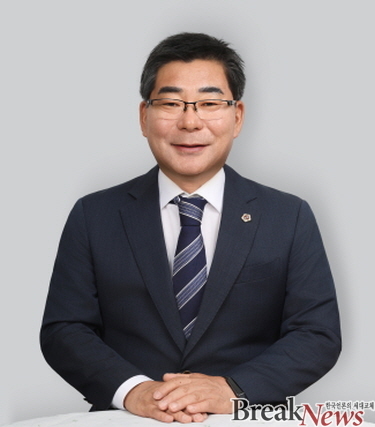
▲필자/ 정길선 박사 ©브레이크뉴스 |
간혹 한국에 있다보면 베트남 까오방이 그리울 때가 있다. 따이족의 친절함과 순수함은 절대 잊지 못한다. 비록 오토바이 사고라는 큰 아픔을 겪은 곳이지만 나는 까오방을 정말 좋아한다. 까오방(Cao Bằng)은 베트남 북동부에 위치한 산악 지방으로 아름다운 자연 경관과 독특한 문화유산으로 유명한 지역이다. 이 지역은 풍부한 역사와 문화적 배경을 가지고 있으며, 다양한 민족이 함께 살아가는 다채로운 문화의 중심지다. 까오방의 자연은 베트남에서 가장 아름다운 곳 중 하나로 손꼽한다. 특히, 반지옥 폭포(Thác Bản Giốc)는 베트남과 중국의 국경을 가로지르는 장대한 폭포로 여행객들이 반드시 방문해야 할 명소 중 하나이다. 이 폭포는 층층이 쌓인 계단식의 수직 절벽과 맑은 물이 흐르는 모습이 매우 인상적이다.
또한, 바베(Ba Bể) 국립공원은 깨끗한 호수와 울창한 숲이 어우러져 자연 그대로의 아름다움을 간직하고 있다. 이곳은 다양한 야생동물과 식물들이 서식하고 있어 자연 애호가들에게 인기가 많다. 까오방은 북쪽으로 중국과 맞대고 있는 베트남 최북단에 있는 성(省)으로 서쪽으로는 하장성, 남쪽으로는 박깐성, 랑선성과 경계를 이루고 있다. 성도는 까오방 시이다. 다른 북동부 지역과 마찬가지로 지형이 험준해서 기반시설이 부족하므로 대체적으로 농업에 의존하고 있는데 중국 광서장족자치구에서 시작된 카르스트 지형이 보이는 지역이라 아름다운 풍광을 볼 수 있는 지역이기도 한다. 유일한 교통망은 도로교통망이나 고속도로망이 전혀 없어서 차량을 이용해서 이동해야 하는데 베트남 3번 국도가 수도 하노이에서 성도 까오방시를 거처 중국 광서장족자치구의 수이커우 통상구를 잇고 있다.
하지만 도로 사정이 좋지 않아 슬리핑버스를 이용하면 하노이 미딩 버스터미널(Bến xe Khách Mỹ Đình)에서 까오방시까지 최소 7시간 이상 소요된다. 주요 관광지로는 중국 국경에 위치한 반지옥 폭포(Thác Bản Giốc)로 아시아에서는 가장 큰 폭포로 유명하며 중국 측에서는 더톈폭포(德天瀑布) 또는 반웨폭포(板约瀑布)라고 부르는데 성도 까오방 시에서 차량이나 버스로 약 80km정도 떨어져있다. 까오방에는 베트남의 소수민족 중에 하나인 따이(Tày)족이 살고 있다. 까오방에서 따이족은 주민 중에 대다수라 볼 정도로 영향력이 막강하다. 따이족은 중앙 타이계 언어를 구사하는 민족으로 윈난-크메르어 계통 민족이라 볼 수 있다. 토(Thổ), 또(T'o), 따이 토(Tai Tho), 응안(Ngan), 펜(Phen), 투 라오(Thu Lao), 빠디(Pa Di) 등으로도 불리며 베트남 내에 따이족은 180만 정도가 살고 있다.
그 숫자는 베트남의 주 민족은 낀족이지만 낀족 다음으로 가장 많은 민족이 따이족이다. 낀족은 고대 중원 신농씨의 후예로 남쪽으로 이주한 이주 민족인데 비해 따이족은 중국 광서, 운남, 북베트남까지 퍼져 있는 토착 민족이다. 이들은 대부분 베트남 북부의 까오방 성, 박깐 성, 타이응우옌 성, 꽝닌 성 등에 분포하며 주로 계곡이나 산기슭에 거주한다. 박닌 성, 박장 성에도 일부의 따이족이 있다. 까오방(Cao Bằng)은 소수민족 공동체의 독특한 전통 문화적 가치를 많이 보존하고 있는 땅임을 매우 자랑스럽게 생각한다. 그 중에서도 까오방(Cao Bằng), 디엔탄(Tiên Thành)지역의 낭하이(Nàng Hai) 축제는 따이(Tày)족의 전형적인 문화적 특징을 담고 있기 때문에 축제 중의 백미로 알려져있다. 이 축제는 자연에 대한 감사와 존경, 풍년을 기원하는 축제이다. 따이(Tày)족의 민간 신앙에 따르면 달나라에는 어머니 달과 선녀가 있다고 한다.
어머니 달과 선녀들은 매년 사람들의 농작물을 보호하는 일을 맡고 있다. 낭하이(Nàng Hai) 축제는 어머니 달과 선녀들을 맞이하여 지상의 축제를 즐기며 마을 사람들의 사업과 생계를 돕고, 농사가 잘 되고 우순풍조를 원하기 위해 천국으로 여행한다는 상징적인 의미로 개최된다. 이러한 개념에 따라 이곳 사람들은 짝수 해 음력 3월 22일에 낭하이 축제를 개최한다. 따이족은 축제 도중 다음과 같은 기도를 한다.
"초대에 응해주세요. 조상님들 제사에 올린 음식을 드세요. 말린 생선을 드세요. 생선 국을 드세요. 제가 맛있게 만든 말린 생선을 드세요. 배불리 드시고 충분히 마시세요. 후손들을 도와주세요. 먼 곳을 가게 도와주시고, 고요한 길로 데려다 주세요. 저의 가정 모두 평안하길 도와주세요(Xin hãy nhận lời mời. Ăn đồ ăn cúng tổ tiên. Ăn cá khô. Ăn canh cá. Ăn cá khô do ta làm rất ngon. Ăn no uống đầy. Giúp con cháu ta. Giúp ta đi xa, dẫn ta đi trên con đường yên tĩnh. Giúp cả nhà ta được bình an)."
제사가 끝난 후에, 향이 다하길 기다리고 초대한 손님들이 다 참석한 가정은 축제를 즐기기 시작하는데, 먹을 때 나이가 많은 사람은 제사상 가까이에 있는 쟁반 위에 앉고, 자손들은 아래쪽으로 둘러 앉는다. 식사 중에 그들은 술을 마시며 서로의 건강을 빌고, 다가오는 수확기에 더 많은 벼를 수확하기를 기원하며 건배한다. 이 축제에서 따이족은 각 놀이들을 조직하지 않고, 단지 서로의 집에 방문하여 먹고 마시며 놀고 서로 좋은 일을 기원하기만 한다. 주인집을 떠나기 전에, 손님들은 보통 그들 부족의 전통적인 노래인 '르언(Lượn, 베트남 소수 민족인 따이족들의 남녀가 서로 다른 음조로 주고 받는 노래)' 을 선물로 불러 맛있는 식사를 준 가정에게 감사를 표현하고 축복의 말들을 전하는 것을 잊지 않는다. lukybaby7@gmail.com
*필자/ 정길선.
노바토포스 회원, 역사학자, 고고인류학자, 칼럼니스트, 러시아 과학아카데미 유라시아 고고인류학연구소 연구교수.
*아래는 위 기사를 '구글 번역'으로 번역한 영문 기사의 [전문]입니다. '구글번역'은 이해도 높이기를 위해 노력하고 있습니다. 영문 번역에 오류가 있을 수 있음을 전제로 합니다.<*The following is [the full text] of the English article translated by 'Google Translate'. 'Google Translate' is working hard to improve understanding. It is assumed that there may be errors in the English translation.>
The Culture of the Tay People in Cao Bang, Vietnam
- Columnist Jeong Gil-seon
Sometimes, when I'm in Korea, I miss Cao Bang, Vietnam. The kindness and purity of the Tay people are unforgettable. Despite the tragic loss of a motorcycle accident, I truly love Cao Bang. Cao Bang, a mountainous region in northeastern Vietnam, is renowned for its beautiful natural landscapes and unique cultural heritage. Rich in history and culture, the region is a vibrant cultural hub where diverse ethnic groups coexist. Cao Bang's natural beauty is considered one of the most beautiful in Vietnam. In particular, the Ban Gioc Waterfall (Thác Bản Giốc), a magnificent waterfall straddling the border between Vietnam and China, is a must-see for travelers. The waterfall's cascading vertical cliffs and clear waters are truly impressive.
Ba Be National Park also boasts pristine natural beauty, with pristine lakes and lush forests. Its diverse wildlife and plant life make it a popular destination for nature enthusiasts. Cao Bang is Vietnam's northernmost province, bordering China to the north. It borders Ha Giang Province to the west, and Bac Can and Lang Son Provinces to the south. Cao Bang is the capital. Like other northeastern regions, Cao Bang's rugged terrain and limited infrastructure make it largely dependent on agriculture. However, the area boasts breathtaking scenery, with karst topography originating in China's Guangxi Zhuang Autonomous Region. The only transportation network is a lack of roads or highways, requiring vehicles for transportation. Vietnam National Highway 3 connects the capital, Hanoi, through Cao Bang City, the provincial capital, and on to the Suikou Trade Port in China's Guangxi Zhuang Autonomous Region.
However, due to poor road conditions, it takes at least 7 hours to travel from Hanoi My Dinh Bus Terminal to Cao Bang City by sleeping bus. The main tourist attraction is the Ban Gioc Waterfall (Thác Bản Giốc) located on the Chinese border, famous for being the largest waterfall in Asia. Called Detian Waterfall (德天瀑布) or Ban Yen Waterfall (板约瀑布) by the Chinese, it is about 80km away from the provincial capital Cao Bang City by car or bus. Cao Bang is home to the Tay people, one of Vietnam's ethnic minorities. The Tay people are so influential that they constitute the majority of the population in Cao Bang. The Tay people speak a Central Tai language and are considered a Yunnanese-Khmer language group. Also known as Thổ, T'o, Tai Tho, Ngan, Phen, Thu Lao, and Pa Di, the Tai people number approximately 1.8 million in Vietnam.
While the Kinh people are the main ethnic group in Vietnam, the Tai are the second largest ethnic group after the Kinh. While the Kinh people are descendants of the Shennong clan of the ancient Central Plains and migrated south, the Tai are an indigenous people whose origins extend to Guangxi, Yunnan, and northern Vietnam. They are mostly found in northern Vietnam's Cao Bang, Bac Kan, Thai Nguyen, and Quang Ninh provinces, primarily living in valleys and mountain slopes. Some Tai also live in Bac Ninh and Bac Giang provinces. Cao Bang is proud of its land, which preserves much of the unique traditional cultural values of its ethnic minority communities. Among them, the Nang Hai Festival in Cao Bang and Tien Thanh districts is considered the highlight of the festivals, as it embodies the cultural characteristics of the Tay people. This festival celebrates gratitude and respect for nature and prays for a bountiful harvest. According to Tay folk beliefs, the moon world is home to Mother Moon and fairies.
Mother Moon and fairies are responsible for protecting the people's crops each year. The Nang Hai Festival is held to symbolically welcome Mother Moon and fairies, enjoy a festival on earth, and travel to heaven to support the villagers' businesses and livelihoods, and pray for a good harvest and favorable weather. Following this concept, the local people hold the Nang Hai Festival on the 22nd day of the third lunar month in even-numbered years. During the festival, the Tay people recite the following prayer:
"Please accept the invitation. Eat the food offered to the ancestors. Eat the dried fish. Eat the fish soup. Eat the dried fish that I have made deliciously. Eat your fill and drink plenty. Please help my descendants. Help me go far away, and lead me on a quiet road. Help my whole family to be at peace. Please accept the invitation. Eat the food offered to the ancestors. Eat the dried fish. Eat the fish soup. Eat the dried fish that I have made deliciously. Eat your fill and drink plenty. Please help my descendants. Help me go far away, and lead me on a quiet road. Please help my whole family to be at peace. Please accept the invitation. Eat the food offered to the ancestors. Eat the dried fish that I have made deliciously. Eat the food that I have made, and drink plenty. Please help my descendants. Help me go far away, and lead me on a quiet road. Please help my whole family to be at peace. Please accept the invitation. Eat the food that I have made, and drink plenty ... "(The phrase "tĩnh. Giúp cả nhà ta được bình an")."
After the ancestral rites, after waiting for the incense to dissipate, the families, with all the invited guests present, begin to enjoy the feast. While eating, the elders sit on trays near the ancestral table, while their descendants sit in a circle below. During the meal, they drink wine and toast to each other's health and a bountiful rice harvest during the coming harvest. During this festival, the Tay do not organize any games; they simply visit each other's homes to eat, drink, play, and wish each other good fortune. Before leaving the host family, the guests usually sing "Lượn," a traditional song of their tribe (a song sung by men and women of the Tay, an ethnic minority in Vietnam, in different tones), as a gift to express their gratitude and extend blessings to the family for the delicious meal. lukybaby7@gmail.com
*Author/ Jeong Gil-seon.
Member of Novatopos, historian, paleoanthropologist, columnist, and research professor at the Institute of Eurasian Paleoanthropology of the Russian Academy of Sciences.