정치는 설득의 기술이지 동원의 기술이 아니다. 설득은 시간을 필요로 하고 불확실성을 감수한다. 반면 동원은 즉각적인 반응을 요구하며, 선명한 적과 단순한 구호를 전제로 한다. 민주주의 정치가 설득 위에 서야 하는 이유가 여기에 있다.
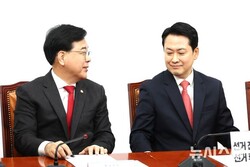
 ▲ 한동훈 전 국민의힘 대표. ©뉴시스 |
그러나 최근 국민의힘을 뒤흔든 이른바 ‘당원게시판(당 게시판) 사건’은 보수 정치 내부에 이미 깊숙이 자리 잡은 위험한 정치 문법을 적나라하게 드러냈다. 여론을 형성하려는 정치가 아니라 여론을 설계하고 관리하려는 정치다. 이는 단순한 전술의 문제가 아니라 정치 인식의 문제다.
플랫폼만 달라졌을 뿐 본질은 변하지 않았다. 댓글이든, 당원게시판이든, SNS 여론이든 방식의 차이일 뿐, 여론을 인위적으로 증폭시켜 정치적 정당성으로 포장하려는 시도라는 점에서는 과거 김경수·드루킹 사건과 다르지 않다. 당시 진보 진영은 이를 일탈이라 주장했지만, 사법부는 민주주의의 근간을 훼손한 구조적 범죄로 규정했다. 보수가 과거 진보의 오류를 비판해 놓고 동일한 방식을 반복한다면, 그것은 위선이 아니라 정치적 퇴행이며 도덕적 우위의 자발적 포기다.
당 게시판 사건을 단순한 관리 실패나 실무 착오로 축소해서는 안 된다. 이 사태는 우발적 사고가 아니다. 팬덤에 기대고, 이미지를 앞세우며, SNS 반응을 관리하면 정치가 작동한다고 믿는 특정한 권력 유형이 반복적으로 노출해 온 구조적 한계의 결과다. 선거 국면에서는 일시적 효과를 낼 수 있을지 모른다. 그러나 국정은 선거와 다르다. 결집은 가능하지만 통합은 불가능하고, 공격은 날카롭지만 책임은 남지 않는다. 무엇보다 이 정치에는 국가 비전이 없다. 프레임은 넘치지만 설계도는 없다. 정의와 공정의 언어는 반복되지만, 그것이 경제·안보·사회 구조 속에서 어떻게 작동할 것인지에 대한 종합 전략은 제시되지 않는다. 대통령을 꿈꾸는 정치인에게 이는 치명적인 결함이다.
이 한계는 2024년 탄핵 국면에서 결정적으로 드러났다. 탄핵의 도덕적 정당성 여부를 떠나 그 정치적 결과를 계산하지 못한 판단은 변명의 여지가 없다. 박근혜 탄핵 이후 보수가 어떤 과정을 거쳐 붕괴됐는지, 탄핵이라는 수단이 단순한 정권 교체를 넘어 진영 자체의 해체로 이어졌는지 우리는 이미 충분히 경험했다. 그럼에도 불구하고 국회에서의 탄핵소추 의결이 가져올 정치적 파장, 인용 가능성, 그리고 그 이후 민주당이 꺼내 들 ‘내란 선동’ 프레임과 정치 공세를 예측하지 못했다면 그것은 무능이다. 모든 결과를 알고도 밀어붙였다면, 그것은 무책임을 넘어 위험한 권력관이다. 어느 쪽이든 국가 지도자로서는 실격이다.
정치는 수사가 아니다. 수사는 죄를 발견하면 끝나지만, 정치는 그 이후의 사회를 책임져야 한다. 갈등을 봉합하고, 제도를 안정시키며, 다음 단계를 설계해야 한다. 고위 정치 검사 출신들이 반복해서 실패하는 이유가 여기에 있다. 작은 정의에는 집요할 수 있지만, 큰 질서를 설계하고 상충하는 이해를 조정하는 능력은 전혀 다른 차원의 문제다.
한동훈 개인을 놓고 보더라도 결론은 달라지지 않는다. 그는 당과 국가를 관통하는 비전을 제시하지 못했다. 엘리트 경로의 연속일 뿐, 국민 다수의 삶과 맞닿은 서사와 시대정신의 축적은 보이지 않는다. 경제 영역에서도 마찬가지다. 위기 국면에서 필요한 지도자는 전문가에게 기대는 사람이 아니라, 경제를 실제로 운용해 본 책임자다. 광역단체장 경험이나 검증된 행정 성과 없이 국정 운영을 논하는 것은 설득력이 없다. 정치라는 종합예술을 수행할 훈련 역시 충분하지 않다. 전략적 사고, 정무 판단, 갈등 조정 능력은 고위 정치 검사 경력의 연장선에서 자동으로 획득되지 않는다.
윤석열 정부의 국정 실패는 이 한계가 개인의 문제가 아니라 검사정치 자체의 구조적 문제임을 이미 증명했다. 의료개혁 등 주요 현안에서 반복적으로 드러난 ‘치고 빠지기식 정치’는 갈등은 키우되 수습과 설계는 남기지 않는 이미지 정치의 전형이었다. 포용과 통합보다 결집과 동원에 익숙한 리더십 또한 극도로 분열된 한국 사회를 통합하기에는 명백한 한계다.
이제는 분명히 말해야 한다. 황교안 총리 한 번, 윤석열 대통령 한 번이면 충분히 겪었다. 정치를 수사의 연장으로 착각한 고위 정치 검사들의 실험은 이미 실패로 판명됐다. 그 과정에서 보수 진영은 절멸의 위기에 처했고, 국정은 흔들렸으며, 사회는 깊은 피로에 빠졌다.
그러나 문제의 책임을 정치 엘리트에게만 돌리는 것은 충분하지 않다. 보수 진영 유권자들의 판단 또한 냉정하게 성찰해야 한다. 보수 유권자들 사이에는 여전히 서울법대, 사법시험, 고위 검사라는 경력을 정치적 능력과 동일시하는 왜곡된 인식이 깊게 남아 있다. 특정 학벌과 시험, 직함이 곧 국정 운영 능력이라는 믿음은 신화에 불과하다. 이 왜곡에는 언론의 책임이 크다. 대중을 교화해야 할 언론이 오히려 ‘검사 엘리트 신화’를 증폭시켜 왔다. 상당수 언론인들이 공유하는 '고시 낭인' 경험과 그로부터 비롯된 열등감, 그리고 시험과 신분 상승에 대한 과도한 미화가 결합되면서, 출신과 이력이 정치적 자격증처럼 소비되도록 만들었다. 그 결과 대중은 정치인의 실제 능력—비전 설계, 이해 조정, 전략적 사고, 장기적 국정 운영 역량—을 묻지 않게 됐다.
나는 지난 20여 년간 정치권 현장에서 이른바 ‘서울법대·사시·고위 검사’ 경력을 가진 정치인들을 수없이 지켜봤다. 그들 중 절대다수는 정치적으로 진화하지 못하고 '식물 정치인'에 머물렀다. 종합예술이어야 할 정치 무대에서 그들의 정치적 사고는 여전히 수사 논리와 단선적 판단에 머물렀고, 고도의 전략적 사고에 기반한 정무적 판단 능력을 안정적으로 보여준 인물을 거의 본 적이 없다. 그럼에도 보수는 또다시 같은 경력을 신성시하고 같은 실험을 반복하려 한다. 이는 정치인의 문제이기 이전에 유권자의 판단 실패이며, 언론이 방치하고 조장해 온 집단적 오판의 결과다. 이 악순환을 끊지 못한다면 보수는 앞으로도 같은 유형의 인물, 같은 방식, 같은 결말을 반복하게 될 것이다.
보수의 재건은 인물 교체의 문제가 아니다. 권력 문법의 교체에서 시작돼야 한다. 이미지 정치, 팬덤 정치, 관리 정치로는 대한민국이라는 복.합 국가를 운영할 수 없다. 설계하고, 조정하고, 책임지는 정치만이 가능하다. 한동훈식 검사정치는 더 이상 필요 없다. 윤석열과 황교안의 실패로 충분하다. 이제 필요한 것은 또 다른 실험이 아니라 방향 전환의 용기다. 그 결단이 없다면, 보수의 미래는 없다. Jeongkeekim@naver.com
*필자/김정기
 ▲ 필자/김정기 대한민국과 세계 이야기(도서출판 책미듬) 의 저자. ©브레이크뉴스 |
● 학력
- 뉴욕주립대학교(Stony Brook) 정치학과 수석 졸업
- 마케트대학교(Marquette) 로스쿨 법학박사
- 하버드대학교(Harvard) 케네디스쿨 최고위 과정
- 베이징대학교(Peking) 북한학 연구학자
● 경력
- 세계스마트시티기구(WeGO) 사무총장 (현)
- 유엔 국제전기통신연합 (UN ITU) 가상세계 및 AI 글로벌 이니셔티브 집행위원(현)
- 아시아태평양지방정부네트워크(CityNet) 대표
- 제8대 주상하이 대한민국 총영사(13등급 대사)
- 2010 상하이엑스포 대한민국관 정부대표
- 제17대 대선 한나라당 이명박 대통령 후보 국제위원장
- 제20대 대선 국민의힘 윤석열 대통령 후보 정치개혁 공약 총괄
- 제21대 대선 국민의힘 김문수 대통령 후보 외교고문
- 자유한국당 오세훈 당대표 후보 SH전략회의 총괄 및 조직본부 총괄본부장
- 자유한국당 서울시장 예비후보
- 법무법인 대륙아주 중국 총괄 미국변호사\
- 난징대학교 국제경제연구소 객좌교수
- 동국대학교 경영전문대학원 석좌교수
- 숭실사이버대학교 총장
● 저서
1. 대학생을 위한 거로영어연구[전 10권](거로출판사)
2. 나는 1%의 가능성에 도전한다(조선일보사)
3. 한국형 협상의 법칙(청년정신사)
4. 대한민국과 세계 이야기 (도서출판 책미듬)
5. Korea and the World (Advance Reader Copy)
*아래는 위 기사를 '구글 번역'으로 번역한 영문 기사의 [전문]입니다. '구글번역'은 이해도 높이기를 위해 노력하고 있습니다. 영문 번역에 오류가 있을 수 있음을 전제로 합니다.<*The following is [the full text] of the English article translated by 'Google Translate'. 'Google Translate' is working hard to improve understanding. It is assumed that there may be errors in the English translation.>Han Dong-hoon Proves "Unprepared Power"—The Structural Limitations of Party Bulletin Boards and Prosecutorial Politics
- Columnist Kim Jeong-gi
Politics is the art of persuasion, not mobilization. Persuasion requires time and embraces uncertainty. Mobilization, on the other hand, demands an immediate response and presupposes a clear enemy and simple slogans. This is why democratic politics must be founded on persuasion.
However, the so-called "Party Member Bulletin Board (Party Bulletin Board) Incident," which recently rocked the People Power Party, has starkly exposed the dangerous political grammar already deeply entrenched within conservative politics. It's not politics aimed at shaping public opinion, but rather at designing and managing it. This isn't simply a matter of tactics; it's a matter of political awareness.
The platform has changed, but the essence remains the same. Whether it's comments, party member bulletin boards, or social media, the method is different. In essence, it's an attempt to artificially amplify public opinion and package it as political legitimacy, no different from the Kim Kyung-soo and Druking incidents of the past. At the time, the progressive camp argued that this was an aberration, but the judiciary defined it as a structural crime that undermined the very foundations of democracy. If conservatives criticize past progressive errors and then repeat the same practices, it is not hypocrisy but political regression and a voluntary abandonment of moral superiority.
The party bulletin board incident should not be reduced to a simple management failure or operational error. This incident was not an accidental one. It is the result of the structural limitations repeatedly exposed by a certain type of power that believes politics works by relying on fandom, prioritizing image, and managing social media responses. While this may produce temporary effects during an election, national governance is different. Coalition is possible, but integration is impossible; attacks are sharp, but accountability remains. Above all, this politics lacks a national vision. There are plenty of frames, but no blueprint. The language of justice and fairness is repeated, but no comprehensive strategy is presented for how these principles will function within the economic, security, and social structures. For a politician aspiring to be president, this is a fatal flaw.
This limitation was decisively revealed during the impeachment process in 2024. Regardless of the moral legitimacy of impeachment, there is no excuse for failing to calculate its political consequences. We have already experienced the process through which the conservative party collapsed following Park Geun-hye's impeachment, and how impeachment, as a means of achieving not just a regime change but also the disintegration of the entire camp. Nevertheless, failing to anticipate the political repercussions of the National Assembly's impeachment vote, the possibility of its being cited, and the subsequent "incitement of sedition" frame and political offensive the Democratic Party would employ is incompetent. Pushing ahead despite knowing the full consequences is not only irresponsible but also demonstrates a dangerous view of power. Either way, it disqualifies a national leader.
Politics is not an investigation. An investigation ends with the discovery of guilt, but politics must take responsibility for the society that follows. It must resolve conflicts, stabilize institutions, and chart the next course. This explains the repeated failures of high-ranking prosecutors. While they may be tenacious in pursuing small-scale justice, the ability to design grand order and reconcile conflicting interests is a matter of a completely different level.
Even considering Han Dong-hoon as an individual, the conclusion remains the same. He failed to present a vision that permeates both the party and the nation. It merely continues the elite's path, lacking the accumulation of narratives and zeitgeist that resonate with the lives of the majority of the people. The same holds true for the economy. In times of crisis, the leader we need is not someone who relies on experts, but someone who has actually managed the economy. Discussing state administration without experience as a metropolitan government head or proven administrative achievements is unconvincing. Furthermore, the training required to practice the comprehensive art of politics is insufficient. Strategic thinking, political judgment, and conflict resolution skills are not automatically acquired through experience as a high-ranking political prosecutor.
The Yoon Seok-yeol administration's failures have already proven that this limitation is not an individual problem, but a structural problem inherent in prosecutorial politics itself. The "hit-and-run" approach repeatedly demonstrated in key issues like healthcare reform was a typical example of image politics, exacerbating conflict while leaving no room for resolution or planning. A leadership that prioritizes unity and mobilization over inclusion and integration also presents clear limitations in unifying a deeply divided Korean society.
It's time to speak clearly. Prime Minister Hwang Kyo-ahn and President Yoon Seok-yeol have already experienced enough. The experiment of high-ranking prosecutors, who mistook politics for an extension of investigation, has already proven a failure. In the process, the conservative camp has been brought to the brink of extinction, national governance has been shaken, and society has fallen into deep exhaustion.
However, placing the blame solely on the political elite is insufficient. Conservative voters' judgments also require a sober reflection. Among conservative voters, a distorted perception persists, equating Seoul Law School, the bar exam, and high-ranking prosecutors with political ability. The belief that a specific academic background, exam, or title equates to state governance ability is nothing more than a myth. The media is largely responsible for this distortion. While supposed to educate the public, the media has instead amplified the "myth of the prosecutorial elite." The shared experience of "gisaengs" (gisaengs who failed the bar exam) and the resulting inferiority complex, combined with the excessive glorification of exams and social advancement, has led to the consumption of background and career history as political credentials. As a result, the public has stopped questioning politicians' true abilities—vision planning, interest coordination, strategic thinking, and long-term governance.
Over the past two decades, I've observed countless politicians with backgrounds in politics, including those who passed the Seoul Law School, the bar exam, and served as high-ranking prosecutors. The vast majority of them failed to evolve politically and remained "vegetable politicians." In a political arena that should be a comprehensive art form, their political thinking remained confined to investigative logic and linear judgments. I've rarely seen anyone demonstrate a stable political judgment based on sophisticated strategic thinking. Yet, conservatives once again sanctify the same background and attempt to repeat the same experiment. This is not a problem of politicians, but rather a failure of judgment on the part of voters, a consequence of collective misjudgments neglected and fostered by the media. If this vicious cycle cannot be broken, conservatives will continue to repeat the same types of people, the same methods, and the same outcomes.
Rebuilding the conservative movement is not a matter of replacing personnel. It must begin with a shift in the grammar of power. Image politics, fandom politics, and managerial politics cannot govern the complex nation of the Republic of Korea. Only politics that designs, coordinates, and takes responsibility is possible. Han Dong-hoon's style of prosecutorial politics is no longer necessary. The failures of Yoon Seok-yeol and Hwang Kyo-ahn are enough. What's needed now is not another experiment, but the courage to change direction. Without that determination, there is no future for conservatives. Jeongkeekim@naver.com
*Author/Kim Jeong-gi
● Education
- Summa Cum Laude, Department of Political Science, State University of New York (Stony Brook)
- Doctor of Law, Marquette Law School
- Harvard Kennedy School, Executive Program
- North Korean Studies Research Scholar, Peking University
● Career
- Secretary General of the World Smart Cities Organization (WeGO) (current)
- Executive Committee Member, Virtual World and AI Global Initiative, International Telecommunication Union (ITU)
- Representative, Asia-Pacific Local Government Network (CityNet)
- 8th Consul General of the Republic of Korea in Shanghai (Ambassador, Class 13)
- Government Representative, Republic of Korea Pavilion, 2010 Shanghai Expo
- Chairman of the International Affairs Committee, Grand National Party (GNP) Presidential Candidate Lee Myung-bak in the 17th Presidential Election
- Chief of Political Reform Pledges, People Power Party (PPP) Presidential Candidate Yoon Seok-yeol in the 20th Presidential Election
- President Kim Moon-soo of the People Power Party in the 21st Presidential Election Foreign Affairs Advisor to the Candidate
- Oh Se-hoon, Liberty Korea Party Candidate for Party Leadership, SH Strategy Council, and Head of the Organization Headquarters
- Liberty Korea Party Candidate for Seoul Mayor
- American Attorney, Head of China, Continental Law Firm
- Visiting Professor, Nanjing University International Economics Institute
- Distinguished Professor, Dongguk University Graduate School of Business
- President, Soongsil Cyber University
● Books
1. Georo English Studies for College Students [10 Volumes] (Georo Publishing)
2. I Challenge the 1% Chance (Chosun Ilbo)
3. The Law of Korean Negotiation (Chungnyeon Jeongshinsa)
4. Stories of Korea and the World (Chaekmidum Publishing)
5. Korea and the World (Advance Reader Copy)