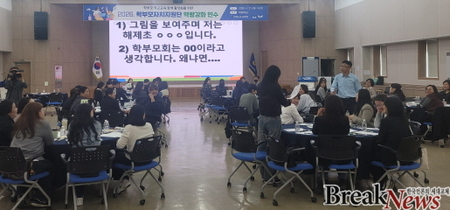
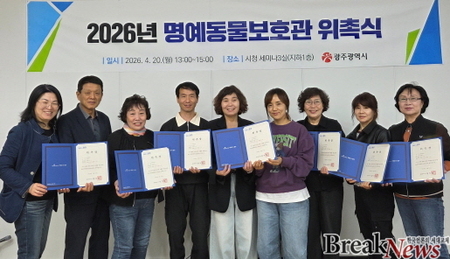
▲ '2025년 인천광역시 외로움 대응단 발대식' 슬로건 선포 와 추진배경및 정책 등(사진제공:인천시) © 박상도 기자 |
(브레이크뉴스인천 박상도 기자) 인천시가 지난 9일, ‘외로움돌봄국’이 전격 출범했다고 밝혔다.
인천시에 따르면, 시민의 외로움에 대응하기 위해 전담 조직을 만든 도시 인천, 인천시는 외로움을 개인의 감정이나 일시적 심리 문제가 아닌, 도시가 책임져야 할 사회적 위험으로 보고 전담 조직을 만들었다.
인천에서 출범한 외로움돌봄국은 노인·청년·1인가구·자살 예방 등으로 흩어져 있던 관련 정책을 하나로 묶어, 예방부터 발굴, 연결, 돌봄까지를 총괄하는 사령탑 역할을 맡는다.
이는 외로움에 대응하는 방식 자체를 바꾼 것으로, 사후 대응이나 대상별 지원이 아니라, 관계가 끊어지기 전에 개입하는 구조를 만들겠다는 것이 인천시의 전략이다.
○ 외로움 대응, ‘복지’에서 ‘관계’로 방향을 틀다.
인천시의 외로움 대응 정책은 ‘무엇을 해준다’가 아니라 ‘어떻게 다시 연결할 것인가’를 묻는다.
그동안 외로움은 복지의 언어로 다뤄졌다.
위기 상황에 놓인 사람을 찾아내 상담하고, 지원금을 지급하고, 사후 관리하는 방식은 필요한 조치였지만, 분명한 한계가 있었다.
외로움을 개인의 성격이나 선택의 결과로 보지 않고, 가구 구조 변화·노동 환경·지역 공동체 해체가 누적된 사회적 현상으로 인식한 인천시는 외로움을 결핍의 문제가 아니라 관계의 문제로 재정의했다.
그래서 인천의 해법은 ‘지원 대상’을 선별하는 데서 출발하지 않는다. 대신, 사람이 다시 사람을 만날 수 있는 조건을 어떻게 만들 것인가를 정책의 중심에 놓는다.
행정이 나서 관계의 조건을 만들고, 연결의 통로를 설계한다.
외로움돌봄국을 중심으로 인천시가 준비한 대응책(17개 사업) 중 대표적인 사업인 24시간 외로움 상담콜은 위기 대응 창구이지만, 목적은 상담 자체가 아니다.
상담은 관계로 가는 입구로 외로움을 느낀다는 사실을 말하는 순간, 행정과 지역사회가 함께 움직이도록 설계됐다.
누구든 외로움을 느끼는 순간 도움을 요청할 수 있도록 문턱을 낮췄으며, 상담은 끝이 아니라 시작으로 위험 신호가 감지되면 정신건강·복지·지역 자원으로 즉시 연결된다.
더 상징적인 변화는 공간 정책이며 폐파출소를 활용한 ‘마음지구대’는 복지시설의 외형을 의도적으로 벗었다.
카페처럼 머물 수 있는 공간, 조용히 이야기를 나눌 수 있는 상담실, 소모임을 위한 활동 공간을 한데 묶은 공간은 상담을 받기 위해 찾아가는 곳이 아니라, 머물다 보면 이야기가 시작되고 자연스럽게 관계가 생기도록 했다.
외로움을 ‘치료받아야 할 상태’로 규정하고, 외로움을 드러내는 순간 낙인이 찍히는 구조에서는 누구도 도움을 요청하지 않는다.
인천시는 그 장벽을 공간과 일상 안에서 허문다는 방침이다.
청년과 중장년을 대상으로 한 ‘i Link Company(아이 링크 컴퍼니)’ 역시 같은 맥락에 있다.
가상회사를 통해 출퇴근과 과제 수행, 소통을 경험하도록 설계한 ‘i Link Company(아이 링크 컴퍼니)’는 취업 지원이나 상담보다 앞서, 다시 사회에 속해 있다는 감각을 회복하는 것을 목표로 삼았다.
지역 상점과 연결한 ‘가치가게’, 이웃과 자연스럽게 마주치는 ‘마음라면’도 마찬가지다.
정책은 개입하지만, 관계는 시민 사이에서 만들어지도록 했다.
사회 활동이 끊긴 이들이 소규모 과제나 일상 훈련에 참여해 받은 포인트를 지역 음식점이나 가게에서 사용할 수 있도록 하는 가치가게는 프로그램 참여자를 단순 수혜자가 아닌 지역에서 소비하고 관계를 맺는 주체가 되도록 돕는다.
마음라면은 외로움을 느끼는 시민 누구나 부담 없이 들러 식사하고 머물 수 있는 공간을 만드는 사업으로 종합사회복지관 등 지역 거점에서 시민이 스스로 조리해 먹으며 자연스럽게 머물 수 있도록 한다
○ 외로움, 특정 계층 아닌 사회 문제
인천시의 과감한 해법 제시는 분명한 현실 인식이 배경이 됐다.
2024년 기준 인천의 1인 가구(41만 2,000)는, 전체 가구(126만 7,000)의 32.5%로, 불과 5년 사이 26% 이상 늘었다.
혼자 사는 삶은 예외가 아닌, 도시의 기본 구조가 됐다.
통계는 외로움의 위험을 경고한다.
2024년 인천의 자살 사망자는 935명, 하루 평균 2.6명. 고독사는 2024년 260명, 특히 50~60대 남성의 비중이 높다.
자살과 고독사 이전에는 장기간의 고립과 외로움이 축적된다.
외로움이 ‘신호’인 이유다.
외로움은 노년층만의 문제가 아니다.
인천의 고립·은둔 청년은 약 4만 명, 청년 인구의 약 5%로 추정된다.
취업 실패, 관계 단절, 반복되는 좌절이 고립을 고착화하고, 이는 다시 사회 복귀를 어렵게 만든다.
고령층 역시 상황은 다르지 않다.
연구에 따르면 인천의 고령자 다수는 외로움 고위험군에 속하며, 1인 가구 여부와 상관없이 관계 단절이 삶의 질을 급격히 떨어뜨리고 있다.
인천시는 이 지점에서 외로움을 개인의 성격이나 선택의 문제가 아니라, 사회 구조의 결과로 보고 있다.
외로움은 방치될수록 사회적 비용은 커진다.
인천의 선택은 이 문제를 더 늦기 전에 붙잡겠다는 선언에 가깝다.
유정복 시장은 “외로움은 개인의 문제가 아닌 사회적 과제로 인식하는 것이 중요하다”면서, “공공과 민간이 역할을 나누고 협력함으로써 시민 누구나 안전하고 따뜻하게 연결되는 도시를 만들어 나가겠다”고 말했다.
*아래는 위 기사를 ‘구글 번역’으로 번역한 영문 기사의 [전문]입니다.‘구글번역’은 이해도 높이기를 노력하고 있습니다. 영문 번역에 오류가 있을 수 있음을 전제로 합니다.<*Below is the full text of the English translation of the above article, translated using Google Translate. Google Translate strives to improve comprehension. Please understand that there may be errors in the English translation.>
Incheon City Launches 'Loneliness Care Bureau'... 17 Projects Promoted as 'Relationship Policies,' Not Welfare
-Break News Incheon Park Sang-do Reporter
Incheon City announced the launch of its 'Loneliness Care Bureau' on the 9th.
According to Incheon City, Incheon has created a dedicated organization to address loneliness among its citizens. The city views loneliness not as an individual emotion or temporary psychological problem, but as a social risk for which the city must take responsibility. This dedicated organization was created to address loneliness.
The Loneliness Care Bureau launched in Incheon will serve as a command center, overseeing everything from prevention and identification to connection and care, by unifying related policies previously scattered across areas such as seniors, youth, single-person households, and suicide prevention.
This shift in how to address loneliness itself is crucial. Incheon City's strategy is to create a structure that intervenes before relationships are severed, rather than relying on reactive measures or targeted support.
○ Responding to Loneliness: Shifting Focus from "Welfare" to "Relationships."
Incheon City's loneliness response policy asks not "What can we do?" but "How can we reconnect?"
Loneliness has traditionally been addressed through the lens of welfare.
While identifying individuals in crisis, providing counseling, providing support, and providing follow-up care were necessary measures, they had clear limitations.
Recognizing loneliness not as a result of individual personality or choice, but as a social phenomenon resulting from the accumulation of changes in household structure, work environment, and the disintegration of local communities, Incheon City redefined loneliness as a problem of relationships, not a problem of deprivation.
Therefore, Incheon's solution does not begin with selecting "support recipients." Instead, it centers its policies on creating the conditions for people to reconnect with others.
The administration takes the lead in creating the conditions for relationships and designing pathways for connection.
Among the 17 initiatives prepared by Incheon City, centered around the Loneliness Care Bureau, the 24-Hour Loneliness Counseling Hotline is a key initiative. While it serves as a crisis response channel, its purpose is not counseling itself.
Counseling is a gateway to relationships, designed to foster collaboration between the administration and the community the moment one reveals their loneliness.
The threshold for seeking help has been lowered, allowing anyone to feel lonely. Counseling is not the end, but the beginning. When warning signs are detected, they are immediately connected to mental health, welfare, and local resources.
A more symbolic change is the spatial policy. The "Mind Zone," a space built in an abandoned police box, intentionally sheds the appearance of a welfare facility.
By combining a café-like space for lodging, a counseling room for quiet conversation, and activity spaces for small groups, the space is not a place to seek counseling, but rather encourages conversation and the natural formation of relationships.
In a system where loneliness is defined as a "condition requiring treatment" and the moment one reveals it, people are stigmatized, leading to a lack of support.
Incheon City aims to break down these barriers within space and daily life.
The "i Link Company," targeting young and middle-aged adults, follows this same principle.
Designed to allow people to experience commuting, task completion, and communication through a virtual company, "i Link Company" aims to restore a sense of belonging to society, rather than simply providing job support or counseling.
The "Value Store," which connects with local businesses, and the "Maeum Ramen" (Mind Ramen) program, which fosters natural encounters with neighbors, are similarly effective.
While policies intervene, relationships are fostered among citizens.
The Value Store allows those disconnected from social activities to earn points by participating in small-scale tasks or daily training sessions, which can then be redeemed at local restaurants and shops. This program helps participants move beyond mere beneficiaries to become active consumers and stakeholders in the community.
Mind Ramen is a project that creates spaces where anyone experiencing loneliness can comfortably stop by for a meal and a stay. It aims to create spaces where citizens can cook for themselves and stay comfortably at community centers, such as community welfare centers.
○ Loneliness: A Social Problem, Not a Specific Class
Incheon City's bold solution is based on a clear understanding of reality.
As of 2024, single-person households (412,000) in Incheon accounted for 32.5% of all households (1.267 million), a more than 26% increase in just five years.
Living alone is no longer an exception; it has become the norm in the city.
Statistics warn of the dangers of loneliness.
In 2024, Incheon will see 935 suicide deaths, an average of 2.6 per day. Lonely deaths will also reach 260 by 2024, with a particularly high proportion of men in their 50s and 60s.
Suicide and lonely deaths are preceded by long-term isolation and loneliness. This is why loneliness is a "signal."
Loneliness isn't just a problem for the elderly.
It's estimated that there are approximately 40,000 isolated and reclusive young people in Incheon, or about 5% of the youth population.
Failure to find a job, loss of relationships, and repeated frustrations perpetuate this isolation, which in turn makes social reintegration difficult.
The situation is no different for the elderly.
Research shows that a large number of Incheon's seniors are at high risk for loneliness, and regardless of whether they live alone, the loss of relationships drastically reduces their quality of life.
Incheon City views loneliness not as a matter of individual personality or choice, but as a consequence of social structure.
The longer loneliness is left unattended, the greater the social cost.
Incheon's decision is a declaration of its commitment to addressing this problem before it's too late.
Mayor Yoo Jeong-bok stated, "It is important to recognize loneliness as a social issue, not an individual problem. By dividing responsibilities and cooperating with the public and private sectors, we will create a city where all citizens are safe and warmly connected."
원본 기사 보기:ebreaknews.com