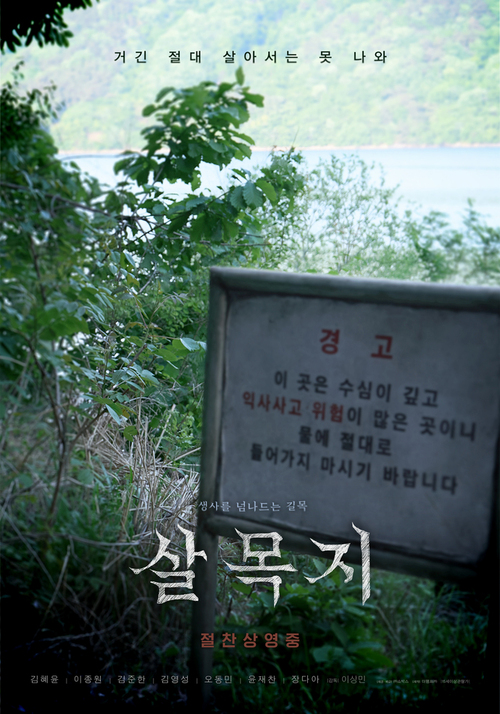
▲ ‘일제침략기 의병문학’ 출간기념 국회특강 포스터 및 일제침략기 의병문학 책(사진제공:인천대학교 독립운동사연구소) © 박상도 기자 |
(브레이크뉴스인천 박상도 기자) 인천대학교가 오는 1월 30일 오후 2시께 국회 의원회관 제4간담회의실에서 인천대 독립운동사연구소장 이태룡 박사의 특강이 열릴 예정이다고 밝혔다.
인천대에 따르면, 이 박사는 40년 동안 의병연구 끝에 의병이 남긴 문학작품을 집대성하여 최근 ‘일제침략기 의병문학(미래엔. 국배판 1248쪽)’을 출간한 바 있다.
이날 행사에는 김교흥 국회의원의 개회사에 이어 권오을 국가보훈부 장관과 최용규 인천대학교 전 이사장의 축사, 이인재 인천대학교 총장의 인사말이 이어질 예정이다.
일제침략기(1894~1910) 최남선이 일본의 전통 운율인 7·5조를 들여와서 ‘경부철도가’를 지어 우쭐거리고, 일제 앞잡이 내각의 총리대신 이완용의 통역과 비서로 활동한 이인직은 ‘혈의 누’를 지어 청일전쟁 때 청군은 식량과 가축을 약탈하는 공포의 대상인 반면, 일본군은 전쟁고아가 된 소녀를 구출하여 일본에 유학을 보내서 신여성으로 성장시키는 줄거리로 반청친일(反淸親日) 사상을 담은 작품을 광복 후 지금까지 국문학사(國文學史)에서 개화기(開化期) 문학이라고 하고 있다.
이에 대하여 필자는 개화기라는 말은 근대화를 외부로부터의 문명 수용 과정으로 설명하는 식민사관에서 비롯된 용어이고, 일제 침략을 근대화라는 이름으로 포장한 것이며, 더구나 일제가 무력으로 국권을 침탈하는 과정을 ‘개화’라는 말로 치환함으로써 침략의 폭력성을 숨겼을 뿐만 아니라, 그에 맞서 싸운 배달겨레의 의병투쟁은 주변으로 밀려났기 때문에 이 시기는 ‘개화기’가 아니라 ‘일제침략기’이라고 밝혔다.
필자가 정리한 ‘일제침략기 의병문학’에는 의병 거의와 투쟁 과정의 의기가 담긴 격문·통문 133편, 가사·일기·편지·한시 126편, 전기·비문·축문 30편, 상소·조칙 28편, 제문·만사 25편 등 총 342편의 작품을 원문과 함께 해설해서 실었는데, 이에 대한 특강이기에 그 귀추가 주목된다.
*아래는 위 기사를 ‘구글 번역’으로 번역한 영문 기사의 [전문]입니다.‘구글번역’은 이해도 높이기를 노력하고 있습니다. 영문 번역에 오류가 있을 수 있음을 전제로 합니다.<*Below is the full text of the English translation of the above article, translated using Google Translate. Google Translate strives to improve comprehension. Please understand that errors may exist in the English translation.>
Dr. Lee Tae-ryong, Director of the Incheon National University Independence Movement History Research Institute, to Give a Special Lecture at the National Assembly to Commemorate the Publication of "Righteous Army Literature during the Japanese Invasion"
-Break News Incheon Park Sang-do Reporter
Incheon National University announced that Dr. Lee Tae-ryong, Director of the Incheon National University Independence Movement History Research Institute, will hold a special lecture at the National Assembly Members' Hall 4th Conference Room at around 2:00 PM on January 30th.
According to Incheon National University, Dr. Lee, after 40 years of research on righteous armies, has recently published "Righteous Army Literature during the Japanese Invasion" (Mirae-N, National Bae Edition, 1,248 pages).
The event will feature opening remarks by National Assemblyman Kim Kyo-heung, followed by congratulatory remarks from Minister of Patriots and Veterans Affairs Kwon Oh-eul and former Incheon National University Board of Trustees Chairman Choi Yong-gyu, and remarks from Incheon National University President Lee In-jae.
During the Japanese colonial period (1894-1910), Choi Nam-seon boasted about his introduction of the traditional Japanese 7·5 rhythm to compose "Gyeongbu Railroad Song." Lee In-jik, who served as interpreter and secretary to Prime Minister Yi Wan-yong in the Japanese puppet cabinet, wrote "Blood Rain." During the Sino-Japanese War, the Qing army terrorized Korea by pillaging food and livestock. Meanwhile, the Japanese army rescued a war orphaned girl and sent her to Japan to study, where she grew into a modern woman. These works, embodying anti-Qing and pro-Japanese sentiment, have been considered part of the literature of the Enlightenment Period in Korean literature since liberation.
In response, the author argues that the term "Enlightenment Period" originated from a colonial perspective that explained modernization as a process of accepting civilization from outside sources. It also disguised Japanese invasion as modernization. Furthermore, by substituting the term "enlightenment" for the process of Japan's military annexation of Korea, it obscured the violence of the invasion. Furthermore, the righteous army struggles of the Baedal people who fought against it were marginalized. Therefore, this period is not an "Enlightenment Period," but a "Japanese Invasion Period."
The author's compilation of "Righteous Army Literature during the Japanese Invasion Period" includes 342 works, including 133 proclamations and communications containing the spirit of the righteous army and its struggles; 126 lyrics, diaries, letters, and Chinese poems; 30 biographies, epitaphs, and congratulatory messages; 28 petitions and imperial edicts; and 25 funeral orations and ceremonial events. As this is a special lecture, the future of this work is drawing keen attention.
원본 기사 보기:ebreaknews.com