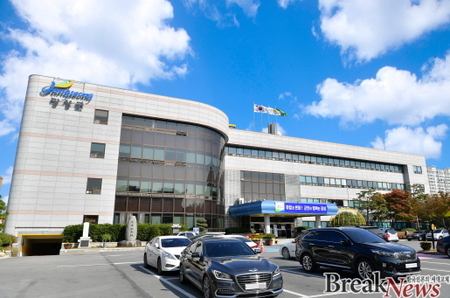
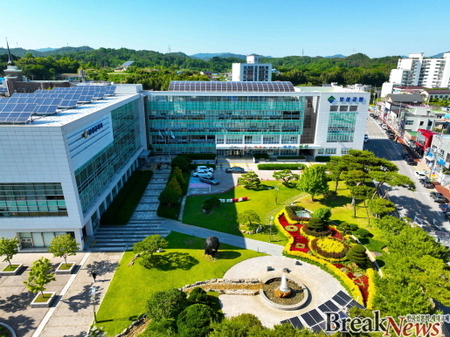
▲ 인천광역시 ©박상도 기자 |
(브레이크뉴스인천 박상도 기자) 인천시가 29일, 2026년 지역 중소기업의 경영 안정과 성장을 지원하기 위해 총 1조 5,350억 원 규모의 중소기업 육성자금을 지원한다고 밝혔다.
인천시에 따르면, 자금별 세부 지원 규모는 이자차액보전 1조 3,200억 원, 매출채권보험 1,400억 원, 협약보증지원 400억 원, 구조고도화자금 350억 원이다.
이 가운데 상반기 이자차액보전 지원 규모는 8,000억 원이며, 신청은 2월 2일부터 가능하다.
인천시 중소기업 육성자금은 경영안정자금과 구조고도화자금으로 구성된다.
경영안정자금은 은행 대출금 이자의 일부를 지원하는 이자차액보전,신용보증기금과 연계해 외상거래 시 거래처의 채무불이행으로 발생한 손해 일부를 보전하는 매출채권보험, 기술보증기금과 협력해 담보력이 부족한 기업의 금융 접근성을 높이는 협약보증지원사업으로 운영된다.
구조고도화자금은 제조업의 생산성 향상과 생산기반 강화를 위해 기계 구입, 공장 확보, 에너지 효율화, 재해 피해 기업 지원 등에 활용된다.
인천시는 자금 지원 규모를 유지하는 한편, 이차보전 확대와 자금 운용 방식 개선을 통해 중소기업의 체감 효과를 높일 계획이다.
최근 금리 변동성과 금융시장 불확실성으로 중소기업의 자금 조달 여건이 악화되고 있는 점을 고려해, 이차보전 구간별 지원율을 상향 조정함으로써 기업이 실제로 부담하는 이자 비용을 낮출 방침이다.
아울러 올해부터는 접수·검토 과정에서 미결정 또는 반려 등으로 발생한 잔여 재원을 별도로 관리해 추가 접수 방식을 새롭게 도입한다.
추가 접수는 1~2개월 간격으로 진행될 예정이며, 이를 통해 자금이 조기에 소진되는 현상이 완화될 것으로 기대하고 있다.
또, 인천시는 시중은행과 협력한 이차보전 사업도 지속 추진한다.
2024년 신한은행, 2025년 NH농협은행과의 사업비 출연 및 협업을 통해 기업에 보다 낮은 금리 혜택이 돌아가도록 했으며, 현재는 NH농협은행과 연계한 특별자금 잔여분을 추가 지원 중이다.
중소기업 육성자금 지원을 희망하는 기업은 2월 2일부터 인천시 중소기업 맞춤형 지원 시스템 ‘비즈오케이(BizOK)’를 통해 신청할 수 있다.
자세한 내용은 인천시 누리집 고시·공고에서 확인 가능하며, 기타 문의는 인천테크노파크로 하면 된다.
이남주 시 미래산업국장은 “중소기업 육성자금은 지역 중소기업의 경영 안정과 성장 강화를 위한 핵심 정책 자금”이라며, “올해는 이차보전율 상향 등을 통해 기업이 실질적으로 체감할 수 있도록 제도를 설계했다”고 말했다.
이어 “기술혁신 활성화를 위한 기술전환 관련 저리 융자자금도 조속히 지원하겠다”고 밝혔다.
한편, 인천시는 중소기업 기술전환 활성화 지원에도 나설 계획이다.
기술기업 성장을 지원하기 위해 이차보전과 대출보증을 연계한 기술혁신기업 Jump-Up 사업의 지원 규모를 2배로 확대하고, 기술 이전과 사업화 과정에서 발생하는 자금 부담을 완화하기 위해 ‘기술전환·사업화 관련 자금’을 저리 융자 방식으로 신규 지원할 예정이다.
또한, 인천시가 29일, 2045년 탄소중립 목표 달성과 친환경 교통체계 전환을 가속화하기 위해 ‘2026년도 전기자동차 민간보급사업’을 본격 추진한다고 밝혔다.
인천시에 따르면, 올해 시는 전기자동차 총 9,733대(상반기 6,823대, 하반기 2,910대)를 보급할 계획으로, 이는 전년 대비 약 20% 확대된 규모다.
이를 통해 시민들은 출퇴근 등 일상생활 속에서 친환경 교통수단을 보다 폭넓게 이용할 수 있을 것으로 기대된다.
차종별 최대 보조금은 전기승용차(중·대형) 754만 원, 전기승합차(일반·대형) 9,100만 원, 전기승합차(어린이통학·대형) 14,950만 원, 전기화물차(대형) 7,800만 원으로, 차량 특성과 용도에 따라 차등 지원된다.
특히, 올해는 전기차 전환 촉진과 실수요자 중심 지원 강화를 위해 제도를 대폭 개선했다.
주요 신규 지원 사항으로는 대형·중형 전기화물차 및 소형 전기승합차 추가 지원, 보유 중인 내연기관차(하이브리드 제외)를 매각 또는 폐차 후 전기차로 전환할 경우 전환지원금 최대 130만 원(국비 100만 원, 시비 30만 원) 추가 지원, 국비 추가보조금 대상 항목에 대해 시비 추가보조금(국비 30%) 연계 지원 등 지원 폭을 한층 확대했다.
신청 대상은 신청일 기준 30일 이상 인천시에 주소를 둔 만 18세 이상 시민과 개인·법인 사업자이다.
신청은 1월 29일부터 11월 30일까지 ‘무공해차 통합누리집’을 통해 가능하며 단, 예산 소진 시 조기 마감될 수 있다.
한편, 지난해 말 기준 인천시 전기자동차 등록 대수는 29,822대로, 특·광역시 중 전기자동차 보급 대수가 가장 많은 수준이다.
유정복 시장은 “전기자동차 보급사업은 단순한 보급 대수 확대를 넘어, 기존 내연기관차를 친환경 차량으로 전환함으로써 인천이 탄소중립을 선도하는 도시로 도약하는 데 핵심적인 역할을 할 것”이라며,“시민 수요에 맞춘 세분화된 지원을 통해 전기차 대중화는 물론, 충전 인프라 확충 등 친환경 정책을 지속적으로 확대해 나가겠다”고 강조했다.
전기자동차 민간보급사업 관련 자세한 내용은 무공해차 통합누리집 에서 확인할 수 있다.
또한, 인천시가 29일, 전통시장과 상점가의 안전성을 강화하고 이용환경을 개선하기 위해 ‘2026년 전통시장 및 상점가 시설현대화사업’을 본격 시행한다고 밝혔다.
인천시에 따르면, 이번 사업은 관내 전통시장과 상점가 22개소를 대상으로 추진되며, 아케이드, 조명시설, CCTV 등 노후화된 시설을 체계적으로 개선해 화재·전기·가스 등 각종 안전사고를 예방하고, 시민과 상인이 모두 체감할 수 있는 쾌적한 쇼핑 환경을 조성하는 것을 목표로 한다.
인천시는 총사업비 49억 원(시비 37억 원, 군·구비 9억 원, 자부담 3억 원) 중 시비 37억 원을 9개 군·구에 교부 완료했다.
주요 사업 내용은 신포국제시장 증발냉방장치 설치, 현대시장·장승백이전통시장 고객지원센터 건립, 아트포레 판매시설 스마트 동선 및 안전유도 시스템 구축, 만수시장 아케이드 신설, 강남시장 아케이드 누수 보수 등 총 22개 사업이다.
각 사업은 시장별 여건과 수요를 반영해 맞춤형으로 추진된다.
특히, 올해는 지난해와 달리 아케이드 신설과 고객지원센터 건립 등 비교적 규모가 큰 사업이 다수 선정돼, 단순한 외관 개선을 넘어 폭설과 화재 등 재난·재해에 강한 전통시장 조성과 함께 고령자와 장애인 등 보행 약자를 고려한 이용환경 개선에도 중점을 두고 추진된다.
이를 통해 전통시장의 경쟁력을 높이고 지역 상권 활성화로 이어질 수 있도록 지원할 방침이다.
김상길 시 경제산업본부장은 “전통시장은 지역경제의 중요한 기반이자 시민 생활과 밀접한 공간”이라며, “2026년 시설현대화사업을 통해 안전성과 편의성을 동시에 높여 시민이 안심하고 찾을 수 있는 전통시장을 만들어 나가겠다”고 말했다.
*아래는 위 기사를 ‘구글 번역’으로 번역한 영문 기사의 [전문]입니다.‘구글번역’은 이해도 높이기를 노력하고 있습니다. 영문 번역에 오류가 있을 수 있음을 전제로 합니다.<*Below is the full text of the English article translated using Google Translate. Google Translate strives to improve comprehension. Please understand that there may be errors in the English translation.>
Incheon City to Support SME Development Funds, Promote Private Distribution of Electric Vehicles, and Modernize Traditional Markets and Shopping Districts
-Break News Incheon Park Sang-do Reporter
Incheon City announced on the 29th that it will provide a total of 1.535 trillion won in SME development funds by 2026 to support the management stability and growth of local SMEs.
According to Incheon City, the detailed support amounts for each fund are 1.32 trillion won for interest difference compensation, 140 billion won for accounts receivable insurance, 40 billion won for agreement guarantee support, and 35 billion won for restructuring funds.
Of this amount, 800 billion won will be provided for interest difference compensation in the first half of the year, and applications will be accepted starting February 2nd.
Incheon City's SME development fund consists of a Management Stabilization Fund and a Structural Improvement Fund.
The Management Stabilization Fund operates through various programs, including interest difference compensation, which subsidizes a portion of bank loan interest; trade receivable insurance, which compensates for losses incurred by default by business partners in credit transactions, in conjunction with the Korea Credit Guarantee Fund; and a contract guarantee support program, which collaborates with the Korea Technology Finance Corporation (KOTIF) to improve access to financing for companies with limited collateral.
The Structural Improvement Fund is used to improve productivity and strengthen the manufacturing industry's production base, including purchasing machinery, securing plants, improving energy efficiency, and supporting companies affected by disasters.
Incheon City plans to maintain the scale of its financial support while enhancing the perceived benefits for SMEs by expanding secondary guarantees and improving fund management methods.
Considering the recent deterioration in financing conditions for SMEs due to interest rate volatility and financial market uncertainty, the city plans to increase the subsidy rates for each secondary guarantee tier to lower the actual interest costs borne by companies.
Furthermore, starting this year, a new additional application system will be introduced, which will separately manage remaining funds resulting from pending decisions or rejections during the application and review process.
Additional applications will be processed at one- to two-month intervals, which is expected to mitigate the premature depletion of funds.
Furthermore, Incheon City will continue to pursue secondary collateralization projects in collaboration with commercial banks.
By contributing project costs and collaborating with Shinhan Bank in 2024 and NH Nonghyup Bank in 2025, companies will benefit from lower interest rates. Currently, additional support is being provided through the remaining special funds linked to NH Nonghyup Bank.
Companies seeking SME development funding can apply through Incheon City's SME-tailored support system, "BizOK," starting February 2nd.
Detailed information can be found on the Incheon City website's public notices and announcements section. For further inquiries, please contact Incheon Technopark.
Lee Nam-joo, Director of the Future Industry Bureau of Incheon City, stated, "The SME Promotion Fund is a key policy fund for stabilizing the management and strengthening the growth of local SMEs. This year, we've designed the system so that businesses can tangibly benefit from the support, including through increased secondary guarantee rates."
He added, "We will also promptly provide low-interest loans related to technology transfer to revitalize technological innovation."
Meanwhile, Incheon City plans to support the technological transfer of SMEs.
To support the growth of technology companies, the city will double the support for the Jump-Up Project for Technology Innovation Companies, which combines secondary guarantees with loan guarantees. To alleviate the financial burden of technology transfer and commercialization, the city will also provide new low-interest loans for "technology transfer and commercialization-related funds."
Furthermore, on the 29th, Incheon City announced the full launch of the "2026 Private Electric Vehicle Distribution Project" to achieve its 2045 carbon neutrality goal and accelerate the transition to an eco-friendly transportation system.
According to Incheon City, the city plans to distribute a total of 9,733 electric vehicles this year (6,823 in the first half and 2,910 in the second half), a roughly 20% increase over the previous year.
This is expected to allow citizens to utilize eco-friendly transportation more widely in their daily lives, including commuting to and from work.
The maximum subsidy by vehicle type is KRW 7.54 million for electric passenger vehicles (mid- and large-sized), KRW 91 million for electric vans (regular and large-sized), KRW 149.5 million for electric vans (school and large-sized), and KRW 78 million for electric cargo vehicles (large-sized). Subsidies vary depending on vehicle characteristics and intended use.
Notably, this year, the system has been significantly improved to promote the transition to electric vehicles and strengthen support for end-users.
Key new support measures include expanded support for large and medium-sized electric cargo vehicles and small electric passenger vehicles; an additional conversion subsidy of up to KRW 1.3 million (KRW 1 million from the national government and KRW 300,000 from the city government) for converting existing internal combustion engine vehicles (excluding hybrids) to electric vehicles after selling or scrapping them; and linking additional city subsidies (30% of the national government) to additional national subsidies for items eligible for additional national subsidies.
Eligible applicants include citizens aged 18 or older and individual or corporate business owners who have resided in Incheon City for at least 30 days as of the application date.
Applications can be submitted from January 29 to November 30 through the "Zero-Emission Vehicle Integrated Website." However, applications may close early if the budget is exhausted.
Meanwhile, as of the end of last year, Incheon City had 29,822 registered electric vehicles, the highest number of electric vehicles among metropolitan cities.
Mayor Yoo Jeong-bok emphasized, "The electric vehicle distribution project goes beyond simply expanding the number of vehicles. By converting existing internal combustion engine vehicles to eco-friendly ones, it will play a key role in Incheon's leap forward as a leading city in carbon neutrality." He added, "We will continue to expand eco-friendly policies, such as expanding charging infrastructure and popularizing electric vehicles through targeted support tailored to civic needs."
Details regarding the private electric vehicle distribution project can be found on the Zero-Emission Vehicle Integrated Website.
Furthermore, on the 29th, Incheon City announced the full-scale implementation of the "2026 Traditional Market and Shopping District Facility Modernization Project" to enhance safety and improve the user experience in traditional markets and shopping districts.
According to Incheon City, this project will target 22 traditional markets and shopping districts within the city. The goal is to systematically improve aging facilities, such as arcades, lighting, and CCTV, to prevent various safety accidents, including fires, electrical and gas leaks, and to create a pleasant shopping environment for both citizens and merchants.
Incheon City has completed disbursement of KRW 3.7 billion of the total project cost of KRW 4.9 billion (KRW 3.7 billion from the city, KRW 900 million from the county and districts, and KRW 300 million from private contributions) to nine counties and districts.
Key projects include the installation of evaporative cooling systems at Sinpo International Market, the construction of customer support centers at Hyundai Market and Jangseung Baekyi Traditional Market, the establishment of smart circulation and safety guidance systems at Art Foret retail facilities, the construction of a new arcade at Mansu Market, and the repair of leaks at the arcade at Gangnam Market.
Each project is tailored to the specific needs and circumstances of each market.
Notably, this year, unlike last year, a number of relatively large-scale projects, such as the construction of a new arcade and a customer support center, have been selected. Beyond mere exterior improvements, the focus is on making traditional markets more resilient to disasters like heavy snow and fires, as well as improving the user experience for vulnerable pedestrians, including the elderly and people with disabilities.
Through these efforts, the city plans to support the competitiveness of traditional markets and revitalize local commercial districts.
Kim Sang-gil, head of the city's Economic and Industrial Headquarters, said, "Traditional markets are an important foundation for the local economy and are closely related to citizens' lives," adding, "Through the 2026 facility modernization project, we will simultaneously enhance safety and convenience to create traditional markets where citizens can visit with confidence."
원본 기사 보기:ebreaknews.com