브레이크뉴스 김충열 정치전문기자 = 정동영 통일부 장관이 여당이 추진 중인 'DMZ(비무장지대)의 평화적 이용에 관한 법률(이하 DMZ법)'에 대해 유엔군사령부(유엔사)가 우려를 표명한 것과 관련, "법 제정은 입법부의 고유 권한"이라며 입법 강행 의지를 분명히 했다.
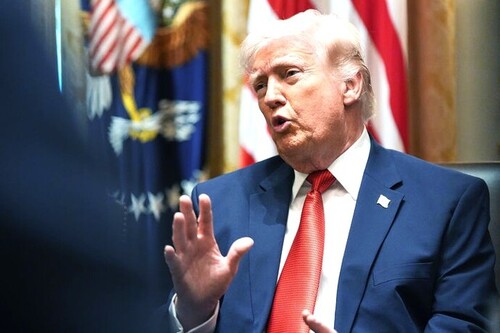
 ▲ 정동영 장관은 "현재 심의 중인 법안에는 유엔사와 사전 협의 절차를 거치도록 하는 규정이 포함되어 있어 정전협정과 충돌하지 않는다"고 설명했다. © 사진, KBS뉴스 캡춰 |
■ 유엔사 "정전협정 무력화 시도... 한국 정부 협정 대상 아니라는 선언"
유엔사는 28일, 이재강·한정애 의원이 발의한 DMZ법이 통과될 경우 "정전협정에 정면으로 위배된다"며 강력한 반대 입장을 표명했다. 유엔사 관계자는 "이 법안은 DMZ 내 민간인 출입 통제 등 유엔군사령관의 고유 권한을 부정하고 제3자에게 넘기는 것"이라며, "권한은 넘기면서 책임만 사령관에게 지우는 상황을 초래해 한미 관계 및 이해관계자들에게 큰 우려를 야기할 것"이라고 지적했다. 특히 유엔사는 통일부가 추진 중인 ‘파주·철원·고성’ 등 'DMZ 평화의 길' 내부 구간 재개방 계획에 대해서도 사실상 거부 의사를 밝히며 정부와 대립각을 세웠다.
■ 정동영 장관 "사전 협의 절차 포함돼 있어...한미 관계 악화 우려 없다"
이에 대해 정동영 장관은 29일 출근길 기자들과 만난 자리에서 "유엔사가 주장하는 것은 그들의 입장일 뿐"이라며 선을 그었다. 정 장관은 "현재 심의 중인 법안에는 유엔사와 사전 협의 절차를 거치도록 하는 규정이 포함되어 있어 정전협정과 충돌하지 않는다"고 설명했다.
이어 국회 외교통일위원회에서도 "이재명 정부의 선제적 신뢰 회복 조치 차원에서 DMZ 내부 구간 개방은 반드시 필요하다"며 "입법권은 우리 국회의 고유 영역"임을 재차 강조했다. 정 장관은 이번 사안으로 한미 관계가 악화할 가능성에 대해서도 "그렇지 않다"고 일축했다.
■ 쟁점은 'DMZ 관할권'... 주권 행사냐 정전 관리냐?
DMZ법의 핵심은 그동안 유엔사가 군사적으로 통제해 온 DMZ 출입 권한의 일부를 통일부가 행사하도록 하여 ‘남북 교류와 생태 관광’에 적극 활용하는 데 있다. 정부는 '평화적 이용'이라는 주권적 권리를 강조하는 반면, 유엔사는 '정전협정 유지'를 위한 군사적 통제권을 우선시하고 있어 향후 법안 통과 과정에서 상당한 진통이 예상된다.
 ▲ DMZ법의 핵심은 그동안 유엔사가 군사적으로 통제해 온 DMZ 출입 권한의 일부를 통일부가 행사하도록 하여 ‘남북 교류와 생태 관광’에 적극 활용하는 데 있다. 정부는 '평화적 이용'이라는 주권적 권리를 강조하는 반면, 유엔사는 '정전협정 유지'를 위한 군사적 통제권을 우선시하고 있어 향후 법안 통과 과정에서 상당한 진통이 예상된다. © 사진, 통일부 |
■ 유엔군사령부(UNC)의 법적 지위는 합법인가?
유엔군사령부(UNC)의 법적 지위는 국제정치와 국제법 분야에서 매우 오랫동안 논쟁이 되어온 뜨거운 감자이다.
결론적으로 "유엔사는 실체적·군사적으로는 존재하지만, UN의 정식 산하기구(보조기관)인가에 대해서는 법적 논란이 있다"고 볼 수 있다. 주요 쟁점 3가지는 아래와 같다.
1. 탄생의 배경: 유엔사는 1950년 6.25 전쟁 발발 당시 유엔 안전보장이사회 결의(제84호)에 따라 창설되었다. 당시 결의문은 "미국이 지휘하는 통합사령부(unified command)를 설치하고, 유엔기(UN flag) 사용권을 부여한다"는 내용을 담고 있다.
- 미국의 주장: 안보리 결의에 따라 합법적으로 창설된 기구이며, 정전협정의 당사자로서 한국의 안보를 책임지는 합법적 기구이다.
- 비판적 시각: 안보리가 미국에 '권한'을 위임했을 뿐, 유엔사가 UN 예산을 쓰거나 UN 사무총장의 지휘를 받는 기구가 아니다. 즉, "유엔의 이름을 쓴 미국 주도의 다국적군"에 가깝다는 지적이다.
2. UN 사무국의 공식 입장 : 1994년 부트로스 갈리 당시 UN 사무총장은 유엔사의 지위에 대해 매우 의미심장한 답변을 내놓았다. "유엔사는 안보리의 보조기관으로 설립된 것이 아니며, 미국의 통제하에 있다. 따라서 유엔사는 UN의 이름만 빌렸을 뿐, UN의 통제를 받는 기구가 아니다."고 답했다. 실제로 유엔사는 매년 UN에 보고서를 제출하긴 하지만, UN의 직접적인 명령을 받지는 않는다.
3. 1975년 UN 총회 결의안 (해체 논의) : 1975년 제30차 UN 총회에서는 '유엔사 해체'를 촉구하는 결의안이 통과된 적이 있다. 하지만 해체의 전제조건(정전협정을 대체할 평화협정 체결 등)이 충족되지 않았고, 총회 결의는 안보리 결의와 달리 강제력이 없었기 때문에 지금까지 유지되고 있다.
따라서 유엔사는 정전협정을 관리하는 측면에서는 국제적으로 인정받는 실체이지만, 대한민국이 독자적인 주권(DMZ법 등)을 행사하려 할 때마다 "UN 기구도 아니면서 왜 우리 땅의 출입을 통제하느냐"는 법적·정치적 비판에 직면하게 된다.
 ▲ 결론적으로 DMZ 출입에 있어서 ‘남북 교류와 생태 관광’에 적극 활용하는 차원에서 정부의 '평화적 이용'이라는 주권적 권리와 유엔사의 '정전협정 유지'를 위한 군사적 통제권을 우선시하고 있는 상황에서 어떻게 슬기롭게 해결해 가는 것이 정부와 정동영 통일부 장관의 역할이 중요해졌다. © 사진, 통일부 |
■ ‘남북 교류와 생태 관광' 및 평화적, 인도적 지원까지도 막아야 한가?
2019년 초 문재인 정부가 추진했던 타미플루 대북 지원이 무산된 사건은, 앞서 논의한 유엔사(UNC) 및 한미 워킹그룹의 대북 제재 잣대가 인도적 지원에 어떻게 작용하는지를 보여주는 대표적인 사례이다.
타미플루 사례는 결국 "누가 DMZ 통행과 물자 반입의 최종 열쇠를 쥐고 있는가"의 문제이다. 현재 정동영 장관이 추진하는 DMZ법은 바로 이런 '트럭 한 대도 마음대로 못 보내는 상황'을 법적으로 타개해 보려는 시도로 해석될 수 있다. 즉, 정동영 장관이 "입법권은 고유 권한"이라고 강조한 것도, 유엔사의 관할권이 절대적인 국제법적 성역이 아니라는 인식이 깔려 있다고 볼 수 있다.
결론적으로 DMZ 출입에 있어서 ‘남북 교류와 생태 관광’에 적극 활용하는 차원에서 정부의 '평화적 이용'이라는 주권적 권리와 유엔사의 '정전협정 유지'를 위한 군사적 통제권을 우선시하고 있는 상황에서 어떻게 슬기롭게 해결해 가는 것이 정부와 정동영 통일부 장관의 역할이 중요해졌다. 특히 국방과 외교 안보는 여야가 따로 없다. 이재명 정부는 문재인 정부의 전철을 밟을 것인가? 그 어느 때보다 초당적 접근이 필요한 시점이다. hpf21@naver.com
*아래는 위 기사를'구글 번역'으로 번역한 영문 기사의[전문]입니다. '구글번역'은 이해도 높이기를 위해 노력하고 있습니다.영문 번역에 오류가 있을 수 있음을 전제로 합니다.*The following is [the full text] of the English article translated by 'Google Translate'. 'Google Translate' is working hard to improve understanding. It is assumed that there may be errors in the English translation.
Minister Chung Dong-young: "Legislative power is the exclusive prerogative of the National Assembly...DMZ Act must not conflict with UNC Armistice Agreement"
UNC: "It directly violates the Armistice Agreement"... Minister Chung dismisses claims, saying, "There are prior consultation procedures, so it's not a conflict."
Jurisdiction dispute heats up between government and UNC over civilian access rights within the DMZ
Break News, Political Reporter Kim Choong-Lyoul = Unification Minister Chung Dong-young stated his intention to push ahead with legislation, stating, "Enactment of the law is the exclusive prerogative of the legislature," in response to the United Nations Command (UNC)'s concerns about the "Act on the Peaceful Use of the DMZ (Demilitarized Zone)" being promoted by the ruling party.
■ UNC: "Attempt to nullify the Armistice Agreement... Declaration that the South Korean government is not subject to the agreement."
On the 28th, the UNC strongly opposed the passage of the DMZ Act, proposed by Representatives Lee Jae-gang and Han Jeong-ae, stating, "It would directly violate the Armistice Agreement." A UNC official stated, "This bill denies the UNC Commander's inherent authority, such as controlling civilian access within the DMZ, and delegates it to a third party. This will create a situation where authority is delegated while responsibility is placed on the Commander, raising significant concerns for ROK-US relations and stakeholders." In particular, the UNC has effectively rejected the Ministry of Unification's plan to reopen sections of the "DMZ Peace Trail," including Paju, Cheorwon, and Goseong, establishing a confrontational stance with the government.
■ Minister Chung Dong-young: "Prior consultation procedures are included...no concerns about worsening ROK-US relations"
Meeting with reporters on his way to work on the 29th, Minister Chung Dong-young drew a line, stating, "What the UNC is asserting is simply their position." He explained, "The bill currently under review includes provisions requiring prior consultation with the UNC, so it does not conflict with the Armistice Agreement."
The National Assembly's Foreign Affairs and Unification Committee also stated, "Opening the DMZ is absolutely necessary as a preemptive measure to restore trust under the Lee Jae-myung administration," reiterating that "legislative authority is the exclusive domain of our National Assembly." Minister Chung also dismissed the possibility that this issue could worsen South Korea-US relations, stating, "There is no such thing."
■ The issue is 'DMZ jurisdiction'... Is it an exercise of sovereignty or armistice management?
The core of the DMZ Act is to grant the Ministry of Unification some of the DMZ access rights, previously controlled militarily by the United Nations Command, to actively utilize them for 'inter-Korean exchanges and eco-tourism.' While the government emphasizes the sovereign right to 'peaceful use,' the UNC prioritizes military control for 'maintaining the Armistice Agreement.' Therefore, significant difficulties are expected in the bill's passage.
■ Is the legal status of the United Nations Command (UNC) legitimate?
The legal status of the United Nations Command (UNC) has been a hot topic of debate in international politics and international law for a long time.
In conclusion, it can be said that "while the UNC exists substantively and militarily, there is legal controversy over whether it is a formal subsidiary body of the UN." The three main points of contention are as follows:
1. Background: The UNC was established in 1950, following the outbreak of the Korean War, pursuant to UN Security Council Resolution 84. The resolution stipulated, "A unified command under the command of the United States is established and the right to use the UN flag is granted."
- US argument: The UNC was legally established pursuant to a UN Security Council resolution and, as a party to the Armistice Agreement, is a legitimate organization responsible for the security of South Korea.
- Critical perspective: The UNC merely delegated "authority" to the United States, and does not use the UN budget or receive direction from the UN Secretary-General. In other words, the argument is that it is more like a "US-led multinational force in the name of the UN."
2. Official Position of the UN Secretariat: In 1994, then-UN Secretary-General Boutros Boutros-Ghali issued a very significant response regarding the status of the UNC. He stated, "The UNC was not established as a subsidiary organ of the Security Council and is under the control of the United States. Therefore, the UNC merely borrows the name of the UN and is not an organization under its control." While the UNC does submit annual reports to the UN, it does not receive direct orders from the UN.
3. 1975 UN General Assembly Resolution (Dissolution Discussion): In 1975, the 30th UN General Assembly passed a resolution calling for the "dissolution of the UNC." However, the prerequisites for dissolution (such as a peace agreement to replace the Armistice Agreement) were not met, and the General Assembly resolution, unlike the Security Council resolution, lacked binding force, so it remains in effect to this day.
Therefore, while the UNC is an internationally recognized entity in managing the Armistice Agreement, whenever South Korea attempts to exercise its sovereignty (such as through the DMZ Act), it faces legal and political criticism, asking, "Why are you controlling access to our land when you're not even a UN agency?"
■ Should we block "inter-Korean exchanges and eco-tourism," as well as peaceful and humanitarian aid?
The failure of the Moon Jae-in administration's Tamiflu aid to North Korea in early 2019 is a prime example of how the UNC and the ROK-US working group's sanctions against North Korea, discussed above, affect humanitarian aid.
The Tamiflu case ultimately boils down to the question of "who holds the ultimate key to DMZ passage and the transport of supplies?" The DMZ Act currently being promoted by Minister Chung Dong-young can be interpreted as an attempt to legally overcome this very situation, where even a single truck cannot be sent freely. In other words, Minister Chung Dong-young's emphasis that "legislative power is an inherent right" can be seen as reflecting the recognition that the UNC's jurisdiction is not an absolute sanctuary under international law.
In conclusion, given the government's sovereign right to "peaceful use" of the DMZ for "inter-Korean exchange and eco-tourism," and the UNC's military control to "maintain the Armistice Agreement," the government and Unification Minister Chung Dong-young's role in wisely resolving the issue has become crucial. In particular, there is no distinction between the ruling and opposition parties in national defense, foreign affairs, and security. Will the Lee Jae-myung administration follow in the footsteps of the Moon Jae-in administration? A bipartisan approach is more crucial than ever. hpf21@naver.com