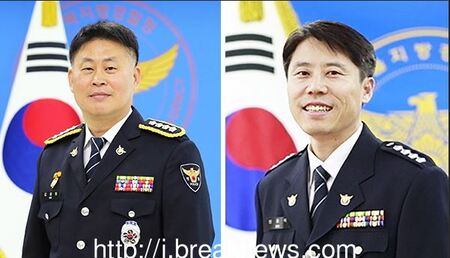
▲ 주철현·조계원 국회의원은 30일 여수시와 여수시의회, 전남동부권 열린 포럼과 함께 ‘전남·광주 행정통합 대토론회’를 여수시민회관에서 열어 동부권의 주요 현안과 행정통합 방향을 놓고 시민 의견을 수렴했다. |
전남·광주 행정통합에 따른 여수지역 대토론회가 성황리에 마무리됐다.
주철현·조계원 국회의원은 30일 여수시와 여수시의회, 전남동부권 열린 포럼과 함께 '전남·광주 행정통합 대토론회'를 여수시민회관에서 열어 동부권의 주요 현안과 행정통합 방향을 놓고 시민 의견을 수렴했다.
이날 토론회에는 여수 시민과 전남 동부권 각계 인사 등 1000여 명이 참석했으며 현장 질의와 토론이 이어지면서 당초 예정된 시간을 넘어 진행됐다.
정기명 여수시장은 개회 인사에서 "행정통합은 단순한 규모 확대가 아니라 여수의 산업·관광 정체성과 역할이 제대로 반영되는 방향이어야 한다"며 "찬성과 우려를 포함한 시민 의견을 기준으로 향후 방향을 판단하겠다"고 말했다.
백인숙 여수시의회 의장은 "행정통합 특별법에는 전남 동부권이 국가 균형발전의 핵심 축으로 기능할 수 있도록 산업·관광 인프라 지원과 재정 기반 확충, 자치권 보장 원칙이 분명히 담겨야 한다"고 강조했다.
주제 발제에 나선 이정록 전남대학교 경제학부 명예교수와 이영철 전남대학교 행정학과 명예교수는 행정통합의 필요성과 전남 동부권의 대응 과제를 제시했다.
이정록 교수는 △규모경제 확보 △생활권과 행정구역 불일치 해소 △공간적 불균형 완화 등을 행정통합의 주요 논거로 들며 "동부권은 국가 기간산업을 기반으로 광주권과 구조가 다른 만큼, 흡수가 아닌 역할 분담 중심의 통합 전략이 필요하다"고 설명했다.
이영철 교수는 "행정통합은 선언보다 실행이 중요하다"며 △동부청사 기능 설정 △기존 산업 고도화 △미래 성장 산업 설계 △교통·교육·의료 인프라 확충 등을 통합 이후 핵심 과제로 제시했다.
지정토론자로 나선 전남동부권 열린포럼 정금호 여수YMCA 이사장은 "행정통합 논의 과정은 투명하고 민주적으로 진행돼야 하며 전남 동부권은 통합의 주변부가 아니라 산업·에너지 전략의 핵심 축으로 제도화돼야 한다"고 말했다.
자유토론 좌장을 맡은 박계성 여수지역발전협의회 이사장은 토론에 앞서 "토론회는 여수와 전남 동부권이 무엇을 요구하고 지켜야 하는지를 확인하는 자리"라며 "시민들의 질문과 요구는 통합 논의의 핵심 과제로 다뤄져야 한다"고 밝혔다.
이어진 질의응답에서는 △여수대·전남대 통합 당시 약속된 교육·의료 인프라 이행 촉구 △여수 국가산단 국세 환류 구조 제도화 △율촌산단 기업도시화와 소부장(소재·부품·장비) 실증 거점 조성 △여수공항 국제선 유치와 활주로 확장 △한반도 KTX 구축을 통한 전남 동부권 광역 교통망 확충 △섬 지역 여객선 공영제 도입과 교통·의료 접근성 개선 △국립공원·수산보호구역 중첩 규제 완화 △해상풍력·분산에너지 기반 전남 동부권 에너지 전략 반영 △청년 참여 보장 위한 정책 협의체·위원회 제도화 등의 요구가 제기됐다.
조계원 국회의원은 "행정통합은 행정구역을 하나로 묶는 문제가 아니라, 산업과 일자리, 인구 흐름을 어떻게 다시 설계하느냐의 문제"라며 "전남 동부권이 지금 제기하고 있는 국가산단 고도화, 공항·교통 인프라, 청년 참여 보장 요구는 모두 통합 이후에도 반드시 유지·확대돼야 할 핵심 조건"이라고 말했다.
그는 "이런 요구가 특별법과 제도 설계에 반영되지 않는다면 통합은 동의를 얻기 어렵다"며 "여수와 동부권 시민들의 문제 제기를 입법 과정에서 끝까지 책임지고 반영하겠다"고 밝혔다.
주철현 국회의원은 "행정통합의 성패는 선언이 아니라 특별법에 무엇을 담느냐에 달려 있다"며 "여수 국가산단과 율촌산단은 대한민국 산업 전환의 핵심 거점인 만큼 통합특별시 체제에서도 산업 경쟁력이 약화되지 않도록 제도적 안전장치를 분명히 마련해야 한다"고 말했다.
이어 "토론회에서 나온 국세 환류 구조, 소부장 실증 거점 조성, 공항·의료 인프라 확충 요구는 현장의 절박한 목소리"라며 "국회에서 특별법 논의가 본격화되는 과정에서 여수와 전남 동부권의 이해가 흔들리지 않도록 끝까지 챙기겠다"고 강조했다.
한편 주최 측은 토론회에서 제기된 발제·토론 내용과 시민 의견을 종합해 향후 정책 설계와 전남 동부권 추가 간담회, 중앙정부 및 당과의 협의 과정에 공식적으로 전달할 계획이다.
[아래는 구글로 번역한 영문기사 전문입니다. 영문번역에 오류가 있을 수 있음을 전제로 합니다. Below is the full English article translated by Google. It is assumed that there may be errors in the English translation.]
The Yeosu-Gwangju administrative integration debate has concluded successfully.
On the 30th, National Assembly members Joo Cheol-hyun and Cho Gye-won, along with Yeosu City, the Yeosu City Council, and the Eastern Jeollanam-do Open Forum, held the "Jeonnam-Gwangju Administrative Integration Debate" at the Yeosu Citizens' Hall. They gathered public opinion on key issues in the eastern region and the direction of the administrative integration.
Approximately 1,000 Yeosu citizens and figures from various sectors of the Eastern Jeollanam-do region attended the debate. The on-site Q&A and discussion continued, extending the originally scheduled time.
Yeosu Mayor Jeong Gi-myeong stated in his opening remarks, "Administrative integration should not simply be about expanding the scale of the region, but should properly reflect the identity and role of Yeosu's industry and tourism." He added, "We will determine future directions based on public feedback, including both support and concerns."
Yeosu City Council Speaker Baek In-sook emphasized, "The Special Act on Administrative Integration must clearly include principles for supporting industrial and tourism infrastructure, expanding the financial base, and guaranteeing autonomy so that the eastern part of Jeollanam-do can serve as a key axis of national balanced development."
Lee Jeong-rok, Professor Emeritus of the Department of Economics at Chonnam National University, and Lee Yeong-cheol, Professor Emeritus of the Department of Public Administration at Chonnam National University, presented the necessity of administrative integration and the challenges facing the eastern part of Jeollanam-do.
Professor Lee Jeong-rok cited the following as key arguments for administrative integration: securing economies of scale, resolving mismatches between residential areas and administrative districts, and mitigating spatial imbalances. He explained, "Since the eastern part of the region is based on national key industries and has a different structure from the Gwangju area, an integration strategy centered on role division, rather than absorption, is necessary."
Professor Lee Yeong-cheol stated, "Administrative integration is about execution rather than declaration," and proposed the following as key tasks after the integration: establishing the functions of the eastern government building, upgrading existing industries, designing future growth industries, and expanding transportation, education, and healthcare infrastructure.
Jeong Geum-ho, Director of the Yeosu YMCA and a designated discussant of the Jeonnam Eastern Region Open Forum, stated, "The administrative integration process must be transparent and democratic. The Jeonnam Eastern Region should not be considered peripheral to the integration, but rather institutionalized as a core axis of the industrial and energy strategy."
Park Gye-seong, Director of the Yeosu Regional Development Council, who moderated the open discussion, stated before the discussion, "Today's discussion is an opportunity to confirm what Yeosu and the Jeonnam Eastern Region demand and uphold. Citizens' questions and demands must be addressed as core issues in the integration discussion."
In the Q&A session that followed, demands were made, including: △ Urging the implementation of the education and medical infrastructure promised at the time of the merger of Yeosu National University and Chonnam National University; △ Institutionalizing the national tax return structure for the Yeosu National Industrial Complex; △ Establishing the Yulchon Industrial Complex as a corporate city and a demonstration base for materials, parts, and equipment; △ Attracting international flights to Yeosu Airport and expanding its runway; △ Expanding the metropolitan transportation network in eastern Jeollanam-do through the construction of the KTX on the Korean Peninsula; △ Introducing a public ferry system for island regions and improving transportation and medical accessibility; △ Relaxing overlapping regulations on national parks and fishery protection areas; △ Reflecting an energy strategy for eastern Jeollanam-do based on offshore wind power and distributed energy; and △ Institutionalizing a policy consultative body and committee to ensure youth participation.
National Assemblyman Cho Kye-won stated, "Administrative integration is not about consolidating administrative districts, but about redesigning industry, jobs, and population flows." He added, "The demands currently being raised by the eastern Jeollanam-do region for the advancement of the national industrial complex, airport and transportation infrastructure, and guaranteed youth participation are all core conditions that must be maintained and expanded even after the integration."
He continued, "If these demands are not reflected in the design of special laws and systems, it will be difficult to gain approval for the integration." He added, "We will take full responsibility for addressing the concerns raised by the citizens of Yeosu and the eastern region throughout the legislative process."
National Assemblyman Joo Cheol-hyun stated, "The success or failure of administrative integration depends not on declarations, but on what is included in the special law.
The Yeosu National Industrial Complex and Yulchon Industrial Complex are key hubs for Korea's industrial transformation.
Therefore, institutional safeguards must be clearly established to ensure that their industrial competitiveness is not weakened even under the integrated special city system."
He continued, "The demands raised at today's forum for a national tax recirculation structure, the creation of a small business demonstration base, and the expansion of airport and medical infrastructure are urgent voices from the field." He emphasized, "As the National Assembly begins its full-scale discussion on the special law, we will ensure that the interests of Yeosu and the eastern Jeollanam-do region remain intact."
Meanwhile, the organizers plan to synthesize the presentations and discussions raised at the forum, along with citizen feedback, and officially share them with the public for future policy design, additional meetings with the eastern Jeollanam-do region, and consultations with the central government and the party.
원본 기사 보기:브레이크뉴스전남동부