경기도가 올해 축산업을 스마트하고 친환경적인 산업으로 바꾸기 위해 2,205억 원의 예산을 투입한다.
도는 2026년까지 ‘사람·환경·가축이 조화로운 경기축산’을 목표로, 지속가능한 축산업 구조 전환과 미래 경쟁력 확보에 속도를 낼 계획이다.
경기도는 이를 위해 ▲축산농가 경영 안정과 소득 기반 강화 ▲환경 친화형 축산 전환 ▲악취 저감과 가축복지 향상 ▲사료 안전성 강화와 조사료 자급 확대 ▲축산업 기능 확장 등 5대 분야 전략을 추진한다.
먼저 가축개량과 시설 개선 등 축종별 경쟁력 강화를 위해 1,086억 원을 투입한다. 스마트 축산 패키지 보급과 ICT 기반 농장 관리, 축사 현대화 사업을 통해 사육 환경과 가축 건강을 실시간으로 관리하고, 노동력 절감과 생산성 향상을 동시에 꾀한다.
동물복지 강화에도 힘쓴다. 가축행복농장 확대와 사료 품질·안전 관리를 통해 동물복지 수준을 높이고, 안전한 고품질 축산물 생산으로 소비자 신뢰를 높인다는 방침이다.
축산 분야 탄소중립을 위해서는 606억 원을 투입한다. 가축분뇨 자원화 등을 통해 온실가스 배출과 환경오염, 악취를 줄여 도민 삶의 질을 높이고 지속가능한 축산 기반을 마련한다.
재해로부터 안전한 축산 환경 조성을 위해 가축재해보험 등 286억 원도 지원한다. 특히 올해는 노후 전선 등 전기시설 교체 사업을 추진해 축사 화재 예방에 집중할 계획이다.
이와 함께 치유승마, 말문화 체험, 지역 축제 연계 사업 등 말산업 활성화에 104억 원을 투입해 축산업을 복지·관광·치유 산업으로 확장한다.
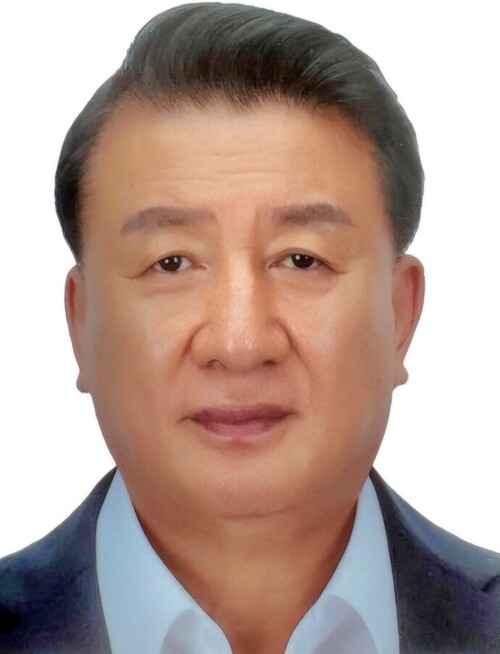
신종광 경기도 축산정책과장은 “올해는 성장 위주의 정책에서 벗어나 스마트 기술 확산과 친환경 생산, 동물복지 강화와 축산업의 체질 개선에 집중하겠다”며 “축산농가와 도민이 공감하는 정책으로 안전한 먹거리와 지속가능한 축산업을 만들어 가겠다”고 말했다.
아래는 위 기사를 ‘Google 번역’으로 번역한 영문 기사의 ‘전문’이다. ‘Google 번역’은 이해도를 높이기 위해 노력하고 있다. 영문 번역에 오류가 있을 수 있음을 전제로 한다. <*The following is [the full text] of the English article translated by ‘Google Translate’ and amended. ‘Google Translate’ is working hard to improve understanding. It is assumed that there may be errors in the English translation.>
Gyeonggi Province to Invest KRW 220.5 Billion in Smart and Eco-Friendly Livestock Industry This Year
Promoting Structural Transformation to Environmentally Friendly "Responsible Livestock"
Gyeonggi Province will invest KRW 220.5 billion this year to transform the livestock industry into a smart and eco-friendly one.
With the goal of "Gyeonggi Livestock Industry: Harmony
 ▲ 경기도 청사[제공=경기도] © |
among People, Environment, and Livestock" by 2026, the province plans to accelerate the structural transformation of the livestock industry and secure future competitiveness.
To achieve this, Gyeonggi Province is pursuing five key strategies: ▲Stabilizing livestock farm management and strengthening the income base, ▲Converting to environmentally friendly livestock farming, ▲Reducing odor and improving livestock welfare, ▲Enhancing feed safety and expanding forage self-sufficiency, and ▲Expanding livestock industry functions.
First, KRW 108.6 billion will be invested to enhance the competitiveness of each livestock species, including livestock improvement and facility improvements. Through the distribution of smart livestock packages, ICT-based farm management, and livestock house modernization projects, the province will manage the livestock environment and livestock health in real time, simultaneously reducing labor and improving productivity.
We are also committed to strengthening animal welfare. The plan is to enhance animal welfare by expanding livestock happiness farms and managing feed quality and safety, while enhancing consumer trust by producing safe, high-quality livestock products.
KRW 60.6 billion will be invested to achieve carbon neutrality in the livestock sector. Through measures such as recycling livestock manure, we will reduce greenhouse gas emissions, environmental pollution, and odors, thereby improving the quality of life for residents and establishing a foundation for sustainable livestock farming.
KRW 28.6 billion will also be provided in support of livestock disaster insurance to ensure a disaster-safe livestock environment. This year, we plan to focus on preventing livestock house fires by replacing aging electrical equipment, including power lines.
Furthermore, KRW 10.4 billion will be invested to revitalize the horse industry through programs such as therapeutic horseback riding, horse culture experiences, and local festival-related projects, expanding the livestock industry into a welfare, tourism, and healing industry.
Gyeonggi Province Livestock Policy Division Director Shin Jong-kwang said, “This year, we will move away from growth-oriented policies and focus on spreading smart technologies, promoting eco-friendly production, strengthening animal welfare, and improving the livestock industry’s constitution,” adding, “We will create safe food and a sustainable livestock industry with policies that both livestock farmers and residents can relate to.”
원본 기사 보기:경기브레이크뉴스&주간현대신문