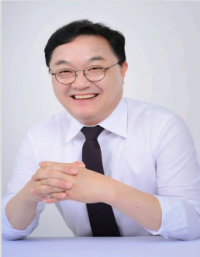
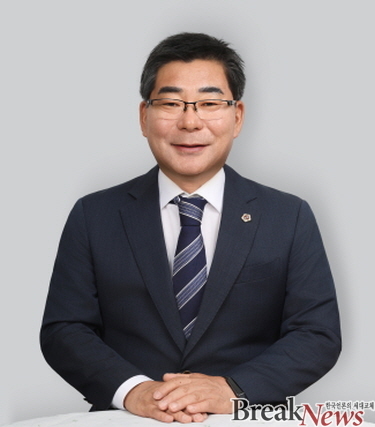
▲ 정장수 전 경제부시장 ©진예솔 기자 |
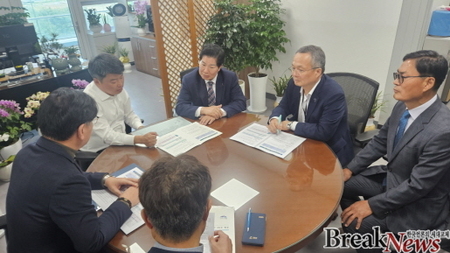
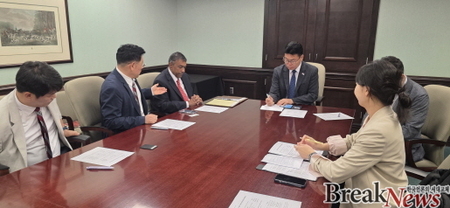
【브레이크뉴스 대구】진예솔 기자=정장수 전 대구시 경제부시장(중구청장 출마 예정자)이 대구·경북 행정통합 추진과 관련해 대구 7개 자치구의 재정과 자치권한 확대를 공식적으로 건의했다.
정 전 부시장은 행정통합을 “선택이 아닌 생존의 문제”라고 강조했다. 그는 통합특별법 논의와 함께, 자치구에 대한 직접적인 재원 배분과 권한 조정을 국회 차원에서 검토해야 한다고 촉구했다.
정 전 부시장은 최근 행정통합 논의 과정에서 “대구·경북 통합이 현실화될 경우, 지금의 재정 구조가 그대로 유지된다면 대구 자치구는 이중의 재정 역차별을 겪을 수밖에 없다”고 지적했다. 현재 자치구는 재산세, 주민세 사업자분·종업원분, 등록면허세 등 제한된 세원에 의존하고 있다. 반면, 시·군은 자동차세, 주민세 개인분, 지방소득세, 담배소비세 등 비교적 안정적인 자체 세입을 확보하고 있다.
그는 “통합 이후 광역 단위의 재정 조정이 이뤄질 경우 자치구가 지금보다 더 불리한 구조가 될 수 있다”며, “이미 열악한 세입 구조에 조정교부금마저 차별받는다면 자치구 행정 기능은 크게 위축될 것”이라고 우려했다.
정 전 부시장은 이에 대한 해법으로 ▲지방교부세의 자치구 직접 교부 ▲조정교부율 인상 ▲도시계획 등 핵심 사무의 자치구 권한 확대 등을 제시했다. 그는 “행정통합이 단순한 행정구역 결합에 그쳐서는 안 된다”며, “재정과 권한이 함께 재편되지 않으면 통합의 실질적 효과를 기대하기 어렵다”고 덧붙였다.
정 전 부시장은 또 이번 문제 제기가 대구만의 일이 아님을 분명히 했다. 그는 “광주, 대전 등 자치구가 있는 다른 광역시들도 비슷한 구조적 한계를 가지고 있다”며, “행정통합 논의 과정에서 자치구 재정과 권한 문제를 전국적으로 함께 고민해야 한다”고 말했다.
지역 행정·재정 전문가들 사이에서는 통합과 함께 기초자치단체 간 형평성 문제를 짚어야 한다는 목소리도 나온다. 행정통합이 광역 차원의 효율성 제고만을 목표로 한다면, 기초 자치구의 재정 자율성과 집행 역량을 어떻게 보완할지가 제도의 성공 여부를 가를 핵심 쟁점이 될 전망이다.
정 전 부시장은 “행정통합이 성공하려면 자치구가 통합의 수혜자가 되어야 한다”고 거듭 강조했다. 그는 “국회와 정부가 통합특별법 논의에서 자치구 재정과 권한 문제를 적극적으로 다뤄야 한다”고 밝혔으며, 공식 건의문을 토대로 국회와 관계 부처를 상대로 지속적으로 문제 제기에 나설 계획이다.
<구글 번역으로 번역한 영문 기사의 전문 입니다. 번역에 오류가 있을 수 있음을 밝힙니다.>
Former Daegu City Economic Vice Mayor Jeong Jang-soo (and prospective candidate for Jung-gu District Mayor) officially proposed expanding the financial and autonomous authority of Daegu's seven autonomous districts in connection with the administrative integration of Daegu and Gyeongbuk.
Former Vice Mayor Jeong emphasized that administrative integration is "not a matter of choice, but of survival." He urged that, along with discussions on a special law for integration, the National Assembly should review direct financial allocation and authority adjustments for autonomous districts.
During recent discussions on administrative integration, former Vice Mayor Jeong pointed out, "If the Daegu-Gyeongbuk integration becomes a reality and the current financial structure remains in place, Daegu's autonomous districts will inevitably face double financial discrimination." Currently, autonomous districts rely on limited tax sources, such as property taxes, business and employee resident taxes, and registration and license taxes. In contrast, cities and counties secure relatively stable revenue sources, including automobile taxes, individual resident taxes, local income taxes, and tobacco consumption taxes.
He expressed concern, saying, "If metropolitan-level fiscal adjustments are implemented after the merger, autonomous districts could find themselves at an even greater disadvantage than they are now." He added, "If they face discrimination in adjustment grants on top of their already poor tax revenue structure, the administrative functions of autonomous districts will be significantly diminished."
Former Deputy Mayor Jeong proposed solutions to this problem, including: directly allocating local allocation taxes to autonomous districts; increasing the adjustment grant rate; and expanding the authority of autonomous districts over key matters such as urban planning. He added, "Administrative integration should not simply be a merger of administrative districts. Without a reorganization of both finances and authority, it will be difficult to expect substantial results from the merger."
Former Deputy Mayor Jeong also made it clear that this issue is not unique to Daegu. He stated, "Other metropolitan cities with autonomous districts, such as Gwangju and Daejeon, also face similar structural limitations. During discussions on administrative integration, we must consider the issues of autonomous district finance and authority nationwide."
Some local administrative and financial experts argue that the integration process should address equity issues among local governments. If administrative integration aims solely to improve efficiency at the metropolitan level, how to enhance the fiscal autonomy and execution capacity of local governments will likely become a key issue determining the system's success.
Former Deputy Mayor Jeong repeatedly emphasized, "For administrative integration to succeed, local governments must be beneficiaries of the integration." He stated, "The National Assembly and the government must proactively address local government finances and authority issues in discussions on the special integration law." He plans to continue raising these issues with the National Assembly and relevant ministries based on an official petition.
원본 기사 보기:브레이크뉴스 대구경북