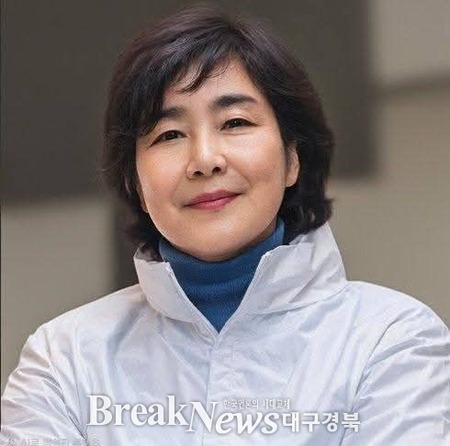
▲ 강은희 대구시교육감 ©대구시교육청 |
【브레이크뉴스 대구】진예솔 기자=대구시교육청이 국회 소위원회를 통과한 대구경북통합특별법안에 교육재정 지원 근거가 빠진 데 대해 깊은 우려를 표했다.
특히 지방교육세가 지방세 세율 조정 대상에 포함된 점을 문제 삼으며, 관련 법안 보완을 강하게 요구하고 나섰다.
대구시교육청은 12일 열린 국회 행정안전위원회 법안심사 제1소위원회에서 통합특별법안이 통과된 것과 관련해 “교육재정 지원 부분이 빠지고, 지방교육세가 세율 조정 대상이 된 점에 우려를 표명한다”고 밝혔다.
이번에 소위를 통과한 법안은 대구·경북 통합특별시 설치와 함께 지방자치 및 재정체계 개편 방안을 담고 있지만, 교육청이 꾸준히 요구해 온 특별교육교부금 등 국가 차원의 교육재정 지원 대책은 빠져 있다. 교육청은 “그간 요청했던 국가의 교육재정 지원 방안이 모두 제외돼 있다”고 지적했다.
재정 구조 개편이 곧바로 교육재원 감소로 이어질 수 있다는 점도 문제로 지적됐다. 법안에 따르면 특별시세 세율을 100분의 100 범위 내에서 조정할 수 있도록 해, 이와 연동되는 지방자치단체의 교육비 전입금이 줄어들 가능성이 제기되고 있다. 대구교육청은 “전입금이 최대 7천억 원까지 줄어들 수 있다”고 내다봤다.
특히 대구교육청은 지방교육세의 목적세 성격을 강조하며, 세율 조정 대상에서 제외돼야 한다는 입장이다.
교육청은 “지방교육세는 교육의 질 향상과 교육자치의 자율성 확보를 위해 필요한 자금을 마련하는 목적세인 만큼, 세율 조정 대상에서 빠져야 한다”고 주장했다.
강은희 대구시교육감도 통합 이후 교육 수요 증가와 지역 간 격차 해소를 위한 재정 규모를 구체적으로 제시하며, 국가 차원의 책임을 강조했다. 강 교육감은 “서울 32배가 넘는 넓은 지역에서 도시와 농촌의 교육격차 해소, 교육복지 수준 향상, 광역 교육 인프라 구축을 위해 연간 1조 원 이상의 예산이 추가로 필요하다”며 “국가 재정 지원이 법률로 명확히 보장되지 않으면, 통합 뒤 오히려 교육의 질 저하와 하향 평준화 우려가 있다”고 말했다.
이번 대구경북 통합이 행정 효율성과 광역 경쟁력 강화를 목적에 두고 있음에도 불구하고, 교육 분야가 통합 부담이 가장 먼저, 가장 크게 나타날 수 있는 영역이라는 게 교육청 판단이다.
통합 과정에서 농촌·산간 지역의 교육 인프라 확충, 통학권 조정, 교육복지 확대 등 추가적 수요가 불가피한 만큼 안정적인 재원 확보가 선행돼야 한다는 주장이다.
이와 관련해 대구교육청은 남은 국회 전체회의와 본회의 심의 과정에서 지방교육세 세율 조정 대상 제외와 국가 지원 근거 명문화를 지속적으로 요구할 계획이다. 정부와 법안 발의자, 국회 행정안전위원회 측에도 공식 입장을 전달하고 추가 협의를 요청한 상태다.
통합이라는 큰 틀의 행정 개편이 교육의 질 저하로 이어질지, 국가 책임 강화를 이끌 전환점이 될지는 결국 법안 최종 심의 과정에서 교육재정이 어떻게 반영되느냐에 달려 있다는 지적이다.
<구글 번역으로 번역한 영문 기사의 전문 입니다. 번역에 오류가 있을 수 있음을 밝힙니다.>
The Daegu Metropolitan Office of Education expressed deep concern over the omission of grounds for education funding support in the Daegu-Gyeongbuk Integration Special Act, which recently passed a National Assembly subcommittee.
They specifically took issue with the inclusion of local education taxes in the local tax rate adjustments and strongly demanded revisions to the relevant legislation.
On the 12th, the Daegu Metropolitan Office of Education stated at the 1st Subcommittee of the National Assembly's Public Administration and Security Committee's Bill Review Committee that regarding the passage of the Special Act for Integration, "We express concern that the provision for education funding support was omitted and that local education taxes were subject to rate adjustments."
The bill that recently passed the subcommittee includes measures to reform local autonomy and the financial system, along with the establishment of the Daegu-Gyeongbuk Integrated Special City. However, it omits national education funding support measures, such as special education grants, which the Office of Education has consistently requested. The Office of Education stated, "All of the national education funding support measures we have requested have been excluded."
The possibility that the financial restructuring could directly lead to a decrease in education funding was also raised as a concern. According to the bill, the special city tax rate can be adjusted within a 100/100 range, raising concerns that local governments' education funding could decrease. The Daegu Office of Education predicted that "funding could decrease by up to 700 billion won."
In particular, the Daegu Office of Education emphasized the purpose-built nature of local education taxes and argued that they should be excluded from rate adjustments.
The Office of Education argued that "local education taxes are intended to raise funds necessary for improving the quality of education and securing educational autonomy, and therefore should be excluded from rate adjustments."
Daegu Superintendent of Education Kang Eun-hee also emphasized national responsibility, detailing specific financial measures to address the increased demand for education and narrow regional disparities following the merger. Superintendent Kang stated, "In a region more than 32 times the size of Seoul, an additional budget of over 1 trillion won is needed annually to bridge the educational gap between urban and rural areas, improve educational welfare, and establish a regional educational infrastructure." He added, "If national financial support is not clearly guaranteed by law, there are concerns that the integration will lead to a decline in educational quality and a downward standardization."
Despite the goal of the Daegu-Gyeongbuk integration being to enhance administrative efficiency and regional competitiveness, the Office of Education believes that the education sector will be the first and most significant area to bear the burden of integration.
The Office argues that securing stable financial resources is essential, as the integration process will inevitably require additional demands, such as expanding educational infrastructure in rural and mountainous areas, adjusting school districts, and expanding educational welfare.
Regarding this matter, the Daegu Office of Education plans to continue demanding that the local education tax rate be excluded from adjustments and that the basis for national support be clearly stated during the remaining plenary and general sessions of the National Assembly. The Office has also conveyed its official position to the government, the bill sponsor, and the National Assembly's Public Administration and Security Committee and requested further discussions.
The point is that whether the large-scale administrative reorganization of integration will lead to a decline in the quality of education or become a turning point that strengthens national responsibility ultimately depends on how the education budget is reflected in the final deliberation process of the bill.
원본 기사 보기:브레이크뉴스 대구경북