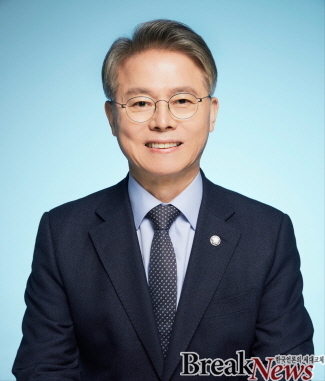
▲ 권영진 의원 ©아시아포럼 21 |
【브레이크뉴스 대구】박영재 기자=국민의힘 권영진 의원( 대구 달서구병)이 최근 대구·경북 행정통합특별법의 조속한 처리를 촉구하며 “지금이 대구·경북 행정통합의 적기”라고 밝혔다.
권 의원은 이날 새벽 입장문을 내고 이재명 정부의 ‘5극 3특 전략’과 광역행정통합 지원 방안 발표로 통합 논의가 급물살을 타고 있다고 진단했다. 대구·경북을 비롯해 광주·전남, 대전·충남 행정통합특별법이 발의돼 공청회를 거쳤고, 현재 국회 행정안전위원회 법안심사소위에서 논의 중이라는 것이다.
그는 “행안위 국민의힘 간사인 서범수 의원에 따르면 이번 주 중 상임위 논의를 마무리하고, 오는 26일 본회의 통과를 목표로 추진 중”이라며 “광주·전남 행정통합특별법은 26일 본회의 통과가 확실시되는 반면, 대전·충남은 통과가 쉽지 않은 상황”이라고 전했다.
권 의원은 지난 10일 정점식 국민의힘 정책위의장 주재로 열린 대구·경북 국회의원 간담회에서 다수 의원이 신중론이나 반대 의견을 밝힌 데 대해 “큰 충격과 심각한 우려를 느꼈다”고 했다. 일부 의원들은 △광주·호남 통합에 들러리가 될 수 있다는 점 △재정분권 등이 담보되지 않으면 실익이 없다는 점 △정략적 통합 추진이라는 의구심 △연방제에 준하는 분권을 역제안하자는 의견 등을 제시한 것으로 알려졌다.
이에 대해 권 의원은 “국세와 지방세 비율을 8대 2에서 7대 3으로 조정하자는 주장도 10여 년 넘게 이어졌지만 2024년 기준 7.5대 2.5에 그쳤고, 조직 인사권 독립은 한 발짝도 나아가지 못했다”며 “근본적 분권을 한 번에 실현하는 것은 지난한 과제”라고 지적했다.
그러면서 정부가 제시한 지원책에 대해 “역대 어느 정권에서도 보기 어려웠던 파격적 제안”이라고 평가했다. 4년간 매년 5조원씩 총 20조원의 통합지원 교부금, 통합특별시에 서울시에 준하는 지위 부여, 2차 공공기관 이전 시 우선 배치, 순환 철도망 등 교통 인프라 확충 시 예비타당성조사 면제 등이 포함됐다는 설명이다.
권 의원은 “근본적 분권과 자주재정 확보는 통합과 별개가 아니라 오히려 통합을 통해 관철할 정치적 지렛대가 될 수 있다”며 “통합은 끝이 아니라 새로운 시작으로, 이후에도 중앙정부 권한 이양과 재정구조 개편을 계속 입법으로 추진해야 한다”고 강조했다.
또 “지방선거 이후로 미루자는 주장도 있지만, 새로 선출될 단체장이 임기 단축을 전제로 통합 논의를 선뜻 꺼내들 수 있을지 장담할 수 없다”며 “지금과 같은 지원책이 다시 제시될지도 알 수 없다”고 말했다.
권 의원은 “우리가 주저하면 광주·전남 통합만 앞서갈 가능성이 크다”며 “정부 지원책에 추가 인센티브를 최대한 확보하고, 내부 이견은 특례로 정리한 뒤 통합 후 근본적 해결책을 마련하자”고 제안했다.
그는 “이 길만이 TK의 이익을 지키고 미래를 여는 길”이라며 “대구·경북 시도민과 국회의원들의 현명한 판단과 용기 있는 결단을 부탁드린다”고 밝혔다.
<구글 번역으로 번역한 영문 기사의 전문 입니다. 번역에 오류가 있을 수 있음을 밝힙니다.>
【Break News Daegu】Reporter Park Young-jae = People Power Party lawmaker Kwon Young-jin (Dalseo District B, Daegu) recently urged the swift passage of the Daegu-Gyeongbuk Special Administrative Integration Act, stating, "Now is the right time for the integration of Daegu and Gyeongbuk."
Representative Kwon released a statement early this morning, stating that the Lee Jae-myung administration's "5-pole, 3-special strategy" and the announcement of a plan to support metropolitan administrative integration have accelerated discussions on the integration. He stated that the special administrative integration laws for Daegu and Gyeongbuk, Gwangju and South Jeolla Province, and Daejeon and South Chungcheong Province have been proposed and held public hearings, and are currently under discussion by the National Assembly's Public Administration and Security Committee's Bill Review Subcommittee.
He stated, "According to Representative Seo Beom-soo, the People Power Party's floor leader on the Public Administration and Security Committee, we are aiming to conclude the standing committee discussions this week and pass the plenary session on the 26th. While the Gwangju-Jeonnam Special Administrative Integration Act is expected to pass the plenary session on the 26th, passage for Daejeon and South Chungcheong Province is unlikely."
Representative Kwon said he was "deeply shocked and deeply concerned" by the fact that many lawmakers expressed caution or opposition at a meeting with Daegu and Gyeongbuk lawmakers held on the 10th, chaired by People Power Party Policy Committee Chairman Jeong Jeom-sik. Some lawmakers reportedly raised concerns that the merger could become a sideshow to the Gwangju-Honam integration, that it would be ineffective without financial decentralization, that it was a politically motivated merger, and that they advocated for a counterproposal for decentralization similar to a federal system.
Representative Kwon stated, "The call to adjust the national and local tax ratio from 8:2 to 7:3 has persisted for over a decade, but as of 2024, it only reached 7.5:2.5, and no progress has been made in achieving organizational and personnel independence. Achieving fundamental decentralization all at once is a daunting task."
He praised the government's proposed support measures as "unprecedented proposals, unprecedented under any previous administration." These include a total of 20 trillion won in integrated support grants (5 trillion won annually for four years), granting the integrated special city status equivalent to Seoul, prioritizing the relocation of secondary public institutions, and exempting preliminary feasibility studies for transportation infrastructure expansion, including a circular railway network.
Representative Kwon stated, "Fundamental decentralization and securing self-sufficient finances are not separate from integration. Rather, they can serve as political leverage for achieving these goals through integration." He emphasized, "Integration is not the end, but a new beginning. We must continue to pursue legislative efforts to devolve central government authority and restructure our fiscal structure."
He added, "While some argue for postponing the issue until after the local elections, it's uncertain whether newly elected heads of local governments will readily discuss integration under the premise of a shortened term. It's also uncertain whether support measures like the current ones will be proposed again."
Rep. Kwon stated, "If we hesitate, the integration of Gwangju and South Jeolla Province will likely take precedence. Let's secure as much additional incentives as possible from government support measures, resolve internal disagreements through special measures, and then find a fundamental solution after the integration."
He added, "This is the only way to protect TK's interests and open the door to a brighter future. I urge the citizens of Daegu and North Gyeongsang Province, as well as the National Assembly members, to make wise decisions and courageous decisions."
원본 기사 보기:브레이크뉴스 대구경북