▲ 국민의힘 대전시당, 신동욱 수석최고위원 '왜 다시 보수인가?' 강의 후, 단체 기념촬영 모습=국민의힘 대전광역시당 제공 © 정지완 기자 |
국민의힘 대전광역시당이 2026년 지방선거를 겨냥한 출마예정자 교육 프로그램을 본격 가동했다. 시당은 지난 20일 오후 대전시당 강당에서 ‘출마예정자 실전 오리엔테이션’ 개강식과 1일차 강의를 열고, 후보자와 선거관계자의 실무 역량 제고에 나섰다.
이번 과정은 선거 국면에서 즉시 활용 가능한 전략과 메시지 역량을 체계적으로 보완하는 데 초점을 맞췄다. 형식적 강연을 넘어 현장 대응력과 설득력 강화를 목표로 설계된 점이 특징이다. 지방선거가 인물 경쟁과 메시지 구도가 맞물려 전개되는 만큼, 후보자의 준비도는 곧 조직의 경쟁력으로 직결된다는 판단이 깔려 있다.
이은권 시당위원장은 환영 인사를 통해 이번 교육이 선언적 구호에 머무는 자리가 아니라 실전에 투입될 수 있는 역량을 다지는 과정임을 분명히 했다. 그는 대전의 미래 비전과 지역정치의 책임성을 언급하며, 준비된 후보군 형성이 곧 선거 승리의 전제 조건이라는 점을 강조했다. 이는 단순한 선거 기술 습득을 넘어 정당의 가치와 정책 역량을 후보 개인의 언어로 재구성하는 훈련이 필요하다는 문제의식으로 읽힌다.
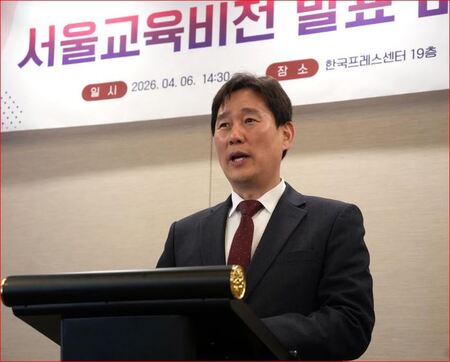
첫 강의는 신동욱 수석최고위원이 맡아 ‘왜 다시 보수인가?’를 주제로 진행됐다. 그는 보수의 핵심 가치와 국가 시스템의 안정성 문제를 짚으며, 이번 지방선거가 지역 차원의 경쟁을 넘어 자유민주주의 체제의 지속 가능성과 연결된 분기점이라는 인식을 공유했다. 이는 지방정치 역시 중앙정치의 흐름과 분리될 수 없다는 점을 상기시키는 대목이다.
이어진 강의에서는 이미지컨설턴트 이수화 강사가 후보자의 첫인상 관리, 메시지 전달 방식, 현장 소통 전략을 구체적으로 다뤘다. 선거에서 시각적 인상과 비언어적 표현이 유권자 판단에 미치는 영향을 분석하고, 상황별 대응 시나리오를 제시함으로써 후보자의 자기관리 역량을 점검하는 시간이 됐다. 정치 커뮤니케이션의 전문화 추세를 반영한 구성으로 평가된다.
마지막 순서로는 황규환 국민의힘 보좌진협의회 회장이 언론 대응과 메시지 작성법을 설명했다. 그는 급변하는 미디어 환경에서 일관된 프레임 설정과 간결한 문장 구조의 중요성을 강조하며, 위기 상황에서의 대응 원칙과 보도자료 작성 요령을 구체화했다. 이는 디지털 플랫폼 확산 속에서 정치인의 발언 하나가 즉각 여론으로 환류되는 현실을 고려한 실무 교육으로 볼 수 있다.
시당은 21일 2일차 일정을 이어가며 서지영 국회의원(부산 동래구) 특강을 시작으로 선거법과 스피치 실습을 진행한 뒤 수료식을 열 계획이다. 공직선거법에 대한 이해와 발화 훈련을 병행함으로써 법적 리스크를 최소화하고 메시지 전달력을 높이겠다는 구상이다.
정당 차원의 체계적 후보자 교육은 지방선거가 정책 경쟁과 이미지 정치가 복합적으로 작동하는 장이라는 점에서 의미를 갖는다. 특히 지역 정당조직이 자체 교육 시스템을 구축해 후보군을 관리하는 방식은 당의 조직력과 장기 전략을 가늠하는 지표로 작용한다. 국민의힘 대전시당의 이번 오리엔테이션은 단기적 선거 준비를 넘어 지역 정치 생태계에서의 주도권 확보를 겨냥한 행보로 해석된다.
*아래는 위 기사를 '구글 번역'으로 번역한 영문 기사의 [전문]입니다. '구글번역'은 이해도를 높이기를 위해 노력하고 있습니다. 영문 번역에 오류가 있을 수 있음을 전제로 합니다.<*The following is [the full text] of the English article translated by 'Google Translate'. 'Google Translate' is working hard to improve understanding. It is assumed that there may be errors in the English translation.>
The People Power Party's Daejeon City Chapter Launches "Practical Orientation" Ahead of the Local Elections
From messaging strategy to image management to media response... Preparing for the 2026 elections with practical training
The People Power Party's Daejeon Metropolitan City Chapter has launched a training program for prospective candidates targeting the 2026 local elections. On the afternoon of the 20th, the chapter held the opening ceremony and first-day lectures of the "Practical Orientation for Prospective Candidates" in the Daejeon City Chapter auditorium, focusing on improving the practical skills of candidates and election officials.
This course focuses on systematically refining strategies and messaging skills that can be immediately applied in the election cycle. It is designed to go beyond formal lectures and enhance on-the-ground responsiveness and persuasiveness. Given that local elections are characterized by a competition between candidates and messaging, the program's underlying belief is that candidate preparation directly impacts the organization's competitiveness.
In his welcoming remarks, Lee Eun-kwon, the city party chairman, made it clear that this training was not merely a place for declarative slogans, but a process for developing practical capabilities. He mentioned Daejeon's future vision and the responsibility of local politics, emphasizing that forming a well-prepared field of candidates is a prerequisite for election victory. This suggests a need for training that goes beyond simply acquiring election skills and reframes the party's values and policy capabilities into the individual candidates' own words.
The first lecture was given by Senior Supreme Council Member Shin Dong-wook, titled "Why Conservative Again?" He highlighted the core values of conservatism and the stability of the national system, sharing the understanding that this local election represents a turning point, connecting not only local competition but also the sustainability of liberal democracy. This underscores the importance of local politics being inseparable from the currents of national politics.
In the following lecture, image consultant Lee Su-hwa addressed candidates' first impression management, message delivery methods, and on-site communication strategies. This session analyzed the impact of visual impressions and nonverbal expressions on voter judgment during elections and presented scenario-based response plans, allowing candidates to assess their self-management skills. The format is considered to reflect the trend toward professionalization in political communication.
Finally, Hwang Gyu-hwan, Chairman of the People Power Party's Advisory Council, explained media relations and message writing techniques. He emphasized the importance of consistent framing and concise sentence structure in a rapidly changing media environment, and detailed crisis response principles and press release writing tips. This can be seen as practical training, considering the reality that a politician's remarks can instantly circulate in public opinion amidst the proliferation of digital platforms.
The city party plans to continue the second day on the 21st, starting with a special lecture by National Assembly Member Seo Ji-young (Dongrae District, Busan). This will be followed by training in election law and speech delivery, followed by a graduation ceremony. By combining understanding of the Public Official Election Act with speaking practice, the program aims to minimize legal risks and enhance message delivery.
Systematic candidate training at the party level is significant, given that local elections are a complex arena where policy competition and image politics intersect. In particular, the way local party organizations establish their own training systems and manage their candidate pool serves as an indicator of the party's organizational strength and long-term strategy. The People Power Party's Daejeon City chapter's recent orientation is interpreted as a move beyond short-term election preparation and aimed at securing leadership in the local political ecosystem.
원본 기사 보기:브레이크뉴스대전세종충청