브레이크뉴스 김충열 정치전문기자 = 더불어민주당 박지원 의원(전남 해남·완도·진도)이 전남·광주 행정통합법의 국회 법제사법위원회 통과 소식을 전하며, 지자체 간 희비가 엇갈린 행정통합 추진 현황에 대해 쓴소리를 냈다.
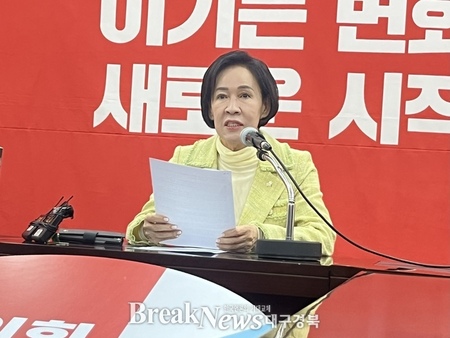
 ▲박지원 의원은 “전남·광주는 행정통합으로 발전하고 미래로 갈 것”이라며 “반대 세력 때문에 기회를 놓친 대구·경북과 대전·충남 시민들도 하루빨리 찬성으로 돌아서서 함께 미래로 나아가자”고 촉구했다. © 사진, 박지원 의원 SNS에서 캡춰/ 김충열 정치전문기자 |
박 의원은 24일 자신의 SNS를 통해 “오늘 법사위에서 유일하게 전남·광주 행정통합법만 통과됐다”며 “이는 전남·광주 시민들의 간절한 열망이 만들어낸 축복이자 은혜”라고 평가했다.
■ 대구·경북 ‘날벼락’… 여권 내부 반대로 보류
박 의원은 당초 통합 논의가 활발했던 대구·경북의 통합법이 보류된 것에 대해 안타까움을 표했다. 그는 “이철우 경북지사가 나에게까지 전화를 걸어 통과를 부탁할 정도로 절실했지만, 정작 오늘 아침 대구시의회가 반대 입장을 밝혔다”며 “결국 국민의힘 원내지도부의 반대 의사 표명으로 대구·경북 시민들은 날벼락을 맞은 셈”이라고 지적했다.
■ 대전·충남 향해선 “대통령이 제안하니 표변… 청개구리 심보”
대전·충남 지역에 대해서는 더욱 강한 어조로 비판을 쏟아냈다. 박 의원은 “시장과 지사가 일찍 통합을 서둘러 의회 인준과 주민설명회까지 마쳤음에도, 정작 이재명 대통령이 통합을 제안하니 반대로 돌아섰다”며 이를 ‘청개구리 심보’라고 비판했다. 이어 “정치적 계산 때문에 지역 발전을 외면한 결과”라고 날선 바판을 했다.
■ “전남·광주는 미래로… 타 지역도 조속히 동참해야”
박지원 의원은 이번 법사위 통과를 계기로 전남·광주가 행정통합을 통해 비약적인 발전을 이룰 것이라고 확신했다. 그는 “전남·광주는 행정통합으로 발전하고 미래로 갈 것”이라며 “반대 세력 때문에 기회를 놓친 대구·경북과 대전·충남 시민들도 하루빨리 찬성으로 돌아서서 함께 미래로 나아가자”고 촉구했다.
한편, 이번 전남·광주 행정통합법의 법사위 통과로 광주광역시와 전라남도는 단일 광역경제권을 형성하며 인구 소멸 대응과 지역 경쟁력 강화에 속도를 낼 것으로 전망된다.
■ 전남·광주 행정통합법의 구체적 비전
전남과 광주가 하나의 광역 행정체계로 확대되면, 기존의 행정 구역 분리로 인해 발생했던 비효율이 제거되고 강력한 ‘초광역 경제권’이 형성된다.
1) 메가시티급 위상 확보 : 광주의 인프라와 전남의 자원·부지가 결합하여 인구 300만 명 이상의 메가시티로 도약한다. 이는 수도권 일극 체제에 대응할 수 있는 남부권 거점이 된다.
2) 교통 및 인프라 통합 : 광역철도망 구축, 도로망 연결 등 광역 교통 체계가 일원화되어 시·도민의 이동권이 대폭 개선된다. 특히 광주 군 공항 이전 등 해묵은 갈등 과제를 해결할 전기가 마련된다.
3) 자치재정권 및 특례 강화 : 통합 지방정부는 중앙정부로부터 강력한 자치재정권을 이양받는다. 지방세 비율 조정 및 국고 보조금 가산 지원 등을 통해 지역 주도형 대형 프로젝트(에너지 밸리, 해상풍력 등) 추진이 용이해질 것이다.
4) 산업 시너지 : 광주의 AI·자동차 산업과 전남의 에너지·농어업·관광 자원이 유기적으로 연결되어 전후방 산업 생태계가 확장될 것으로 보인다.
특별히 박지원 의원이 "전남·광주에 복이 터졌다"고 표현한 정치적 시사점은, 타 지역이 여야 갈등과 지자체 내 이견으로 발이 묶인 사이 호남권이 선제적으로 ‘미래 경쟁력’을 선점했다는 자신감의 표현이다. 특히 6·3 지방선거 공천권과 맞물려 있어, 이번 통합법 통과는 호남 지역 발전은 물론 정계 개편의 신호탄이 될 것으로 전망된다. hpf21@naver.com
*아래는 위 기사를'구글 번역'으로 번역한 영문 기사의[전문]입니다. '구글번역'은 이해도 높이기를 위해 노력하고 있습니다.영문 번역에 오류가 있을 수 있음을 전제로 합니다.*The following is [the full text] of the English article translated by 'Google Translate'. 'Google Translate' is working hard to improve understanding. It is assumed that there may be errors in the English translation.
Rep. Park Ji-won: "Jeonnam and Gwangju Administrative Integration Act Passes the Legislation and Judiciary Committee... Daegu, Gyeongbuk, and Daejeon Get a Blessing"
Jeonnam and Gwangju: A Blessing for Their Earnest Desire... Establishing a Bridgehead for the Future
A Direct Hit to Opposition Local Government Leaders: "Oppose the President's Proposal with a 'Tree Frog Symbol'... Only Citizens Are Being Harmed"
Break News, Political Reporter Kim Choong-Lyoul = Rep. Park Ji-won (Haenam, Wando, Jindo, South Jeolla Province) of the Democratic Party of Korea delivered the news of the Jeonnam and Gwangju Administrative Integration Act's passage through the National Assembly's Legislation and Judiciary Committee, criticizing the mixed fortunes of local governments in the administrative integration process.
On the 24th, Rep. Park posted on his social media, "Today, only the Jeonnam and Gwangju Administrative Integration Act passed the Legislation and Judiciary Committee. This is a blessing and grace born from the earnest desires of the citizens of Jeonnam and Gwangju."
■ Daegu and Gyeongbuk Get a Blessing... Ruling Party Internal Opposition Holds the Legislative Assembly
Representative Park expressed regret over the suspension of the Daegu-Gyeongbuk integration bill, which had initially been actively discussed. He stated, "Governor Lee Cheol-woo of Gyeongbuk Province desperately called me to urge passage, but this morning, the Daegu City Council expressed its opposition." He added, "In the end, the citizens of Daegu and Gyeongbuk were caught in a tailspin by the People Power Party's floor leadership's declaration of opposition."
■ Towards Daejeon and South Chungcheong Province: "The President's Proposal Has Changed Their Opposition... A Frog's Mind"
Representative Park was even more critical of the Daejeon-South Chungcheong Province region. "The mayor and governor rushed to integrate, securing legislative approval and holding briefings for residents. However, now that President Lee Jae-myung has proposed the merger, they've turned their backs on it," he criticized, calling this a "frog's mind." He continued his sharp criticism, saying, "This is the result of neglecting regional development due to political calculations."
■ "Jeonnam and Gwangju are heading for the future... Other regions must quickly join in."
Representative Park Ji-won expressed confidence that the passage of the bill by the Legislation and Judiciary Committee will lead to significant development in Jeonnam and Gwangju through administrative integration. He stated, "Jeonnam and Gwangju will develop and move toward the future through administrative integration." He urged, "Citizens of Daegu and Gyeongbuk, and Daejeon and Chungnam, who missed the opportunity due to opposition, should quickly turn to support and move toward the future together."
Meanwhile, with the passage of the Jeonnam and Gwangju Administrative Integration Act by the Legislation and Judiciary Committee, Gwangju Metropolitan City and Jeollanam-do Province are expected to form a single metropolitan economic zone, accelerating efforts to address population decline and strengthen regional competitiveness.
■ Specific Benefits of the Jeonnam and Gwangju Administrative Integration Act
If Jeonnam and Gwangju expand into a single metropolitan administrative system, the inefficiencies caused by the existing administrative divisions will be eliminated, creating a powerful "super-metropolitan economic zone."
1) Securing Megacity Status: Gwangju's infrastructure and Jeollanam-do's resources and land will combine to create a megacity with a population of over 3 million. This will serve as a southern hub, countering the unipolar structure of the Seoul Capital Area.
2) Transportation and Infrastructure Integration: The metropolitan transportation system will be unified, including the construction of a metropolitan railway network and road network connections, significantly improving mobility for residents of the city and province. This will provide a turning point for resolving long-standing issues, such as the relocation of the Gwangju Military Airport.
3) Strengthening Autonomous Fiscal Authority and Special Measures: The integrated local government will receive strong autonomous fiscal authority from the central government. Adjustments to local tax rates and additional national subsidies will facilitate the implementation of large-scale, locally-led projects (such as energy valleys and offshore wind power).
4) Industrial Synergy: Gwangju's AI and automotive industries will be organically linked with Jeollanam-do's energy, agriculture, fisheries, and tourism resources, expanding the upstream and downstream industrial ecosystem.
The political implications of Rep. Park Ji-won's expression, "Jeonnam and Gwangju have been blessed with good fortune," are particularly significant. While other regions are mired in partisan conflict and internal disagreements within local governments, the Honam region has proactively secured "future competitiveness." Given its close relationship with the nomination rights for the June 3 local elections, the passage of this integration law is expected to signal not only the development of the Honam region but also a political realignment. hpf21@naver.com