“지방의회가 바로 서지 않으면 우리의 민주주의는 반쪽짜리에 불과하다.” 이 서늘한 경고는 단순한 수사가 아니다. 대한민국 풀뿌리 민주주의의 최전선이자 동시에 가장 소외된 사각지대인 지방의회, 그 은밀하고도 치열한 현장을 담은 신간 <어쨌든 지방의회>(이일우 저, 페이퍼로드)가 세상에 나왔다.
지난 10여 년간 지방의회 전문위원으로서 정책 보좌의 길을 묵묵히 걸어온 이일우 작가는 이번 신작을 통해 우리가 그동안 자극적인 뉴스 헤드라인 너머로는 결코 알지 못했던 지방의회의 ‘진짜 속살’을 가감 없이 드러낸다.

|
이 책은 2022년 출간되어 지방자치 관계자들과 공직 사회에서 큰 호평을 받았던 <나는 지방의회에서 일한다>를 잇는 두 번째 작품이다. 전작이 지방의회라는 제도의 틀과 구조, 즉 ‘숲’을 조망하며 시스템이 어떻게 굴러가는지를 설명하는 데 방점을 찍었다면, 이번 신작은 저자가 의회 현장에서 직접 부딪히고 깨지며 겪은 구체적인 에피소드, 즉 ‘나무’ 하나하나에 집중한다.
9년간 국민권익위원회 조사관으로 일하며 주택 건축 분야의 얽히고설킨 고충 민원을 3,000건 이상 처리했던 저자가 안정적인 국가직 공무원이라는 타이틀을 과감히 내려놓고, 정치적 풍파가 거센 지방의회라는 ‘험지’를 선택한 이후 겪어야 했던 고뇌와 성찰이 문장마다 고스란히 묻어난다.
책의 백미는 단연 내부자가 아니면 절대로 알 수 없는 생생하고도 은밀한 뒷이야기들이다. 특히 학력 콤플렉스에 갇혀 행정사무감사장에서 질의 한 번 제대로 하지 못하고 겉돌던 초선 의원을 위해 밤늦게까지 1:1 과외를 자처했던 일화는 압권이다.
이는 단순히 지식을 전달하는 과정을 넘어, 선출직 공무원이 느끼는 실존적인 중압감과 이를 뒷받침하는 전문위원의 사명감을 동시에 보여준다. 단순히 자료를 정리해 주는 기능적 보좌를 넘어, 의원이 주민의 대표로서 제 목소리를 낼 수 있도록 등 뒤에서 밀어주는 보좌진의 고군분투는 독자에게 뭉클한 감동과 함께 ‘정치란 무엇인가’라는 근원적인 질문을 던진다.
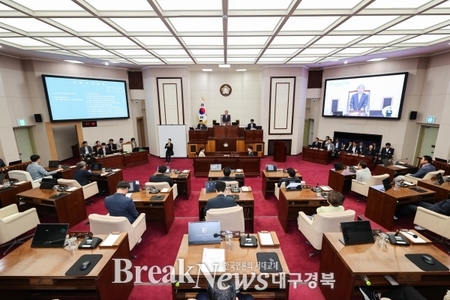
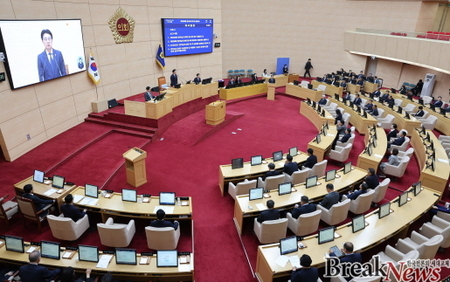
또한, 본회의장 좌석 배치라는 사소해 보이는 결정 하나가 어떻게 조직 내부의 역린을 건드리고 거대한 권력 다툼으로 번지는지를 묘사한 대목은 흥미롭다. 의전과 서열이 곧 권력의 지표가 되는 정치 세계에서, 의석 하나가 갖는 상징적 의미와 그로 인해 발생하는 갈등은 지방의회가 단순한 행정의 연장선이 아니라 얼마나 예민한 정치적 역학 관계가 작동하는 공간인지를 단적으로 증명한다.
특히 ‘어공(어쩌다 공무원)’으로 불리는 임기제 공무원인 저자가 관료 조직의 핵심인 ‘늘공(늘 공무원)’들과 겪는 미묘한 신경전과 문화적 충돌, 그리고 그 과정에서 발생하는 오해와 끝내 찾아오는 화해의 서사는 조직의 벽에 부딪혀본 경험이 있는 모든 이들에게 깊은 공감과 위로를 건넨다.
저자는 지방의회를 ‘풀꽃’에 비유한다. 나태주 시인의 유명한 시구처럼 “자세히 보아야 예쁘고 오래 보아야 사랑스러운” 대상이 바로 지방의회라는 것이다. 대중은 흔히 선정적인 언론 보도를 통해 일부 의원의 해외 연수 추태나 이권 개입 같은 일탈만을 접하며 지방의회 전체를 세금 낭비의 온상이자 혐오의 대상으로 바라보곤 한다.
그러나 저자는 2022년 지방자치법 전부 개정 이후 인사권 독립과 정책지원관 제도 도입이라는 역사적 변곡점 위에서도, 여전히 ‘기울어진 운동장’을 바로잡기 위해 보이지 않는 곳에서 땀 흘리는 이름 없는 조연들의 가치에 주목한다. 정보의 비대칭성으로 인해 집행부에 밀릴 수밖에 없는 구조적 한계 속에서도, 주민의 삶을 바꾸기 위해 조례 한 줄을 고치려 밤을 지새우는 이들의 모습은 지방자치의 희망을 보여준다.
그의 문장은 유려하면서도 단단하다. 제도 개선의 당위성이라는 딱딱한 담론을 넘어, 그 안에서 숨 쉬는 사람들이 어떻게 성장하고 실패하며 다시 희망을 찾아가는지를 섬세한 필치로 그려냈기 때문이다. 저자는 지방의회를 향한 무조건적인 비난보다는 ‘비판적 애정’이 필요하다고 말한다.
지방의회가 제 역할을 하지 못할 때 그 피해는 고스란히 주민의 일상으로 돌아오며, 반대로 지방의회가 깨어있을 때 우리 동네의 도서관이 바뀌고 아이들의 통학로가 안전해지기 때문이다. 저자는 이러한 변화가 결국 국가 전체의 민주주의를 견인하는 동력이 된다고 설파한다.
이일우 작가는 현재 서울시 동작구의회 전문위원으로 재직하며 한국지방의회학회 교육이사로서 현장과 학계를 잇는 가교 역할을 충실히 수행하고 있다. 그는 이 책의 마지막 장을 덮는 독자들에게 날카롭지만 꼭 필요한 질문을 던진다.
“당신이 사는 동네의 구의원, 시의원 이름을 단 한 명이라도 알고 있는가?”
저자는 지방의회의 수준을 높이는 가장 빠르고 확실한 방법은 거창한 법령의 제정이 아니라, 바로 주민의 ‘작은 관심’과 ‘감시’라고 확신한다. <어쨌든 지방의회>는 풀뿌리 민주주의의 최전선에서 고군분투하는 사람들의 치열한 생존 기록이자, 우리 지역의 민주주의를 완성하기 위해 시민들이 반드시 읽어야 할 가장 솔직하고 다정한 안내서다.
*아래는 위 기사를 '구글 번역'으로 번역한 영문 기사의 [전문]입니다. '구글번역'은 이해도 높이기를 위해 노력하고 있습니다. 영문 번역에 오류가 있을 수 있음을 전제로 합니다.<*The following is [the full text] of the English article translated by 'Google Translate'. 'Google Translate' is working hard to improve understanding. It is assumed that there may be errors in the English translation.>
"If local councils don't stand up straight, our democracy will be only half-baked." This chilling warning isn't mere rhetoric. A new book, "Local Councils Anyway" (written by Lee Il-woo, Paper Road), has been released, capturing the hidden and intense realities of local councils, the frontlines of grassroots democracy in South Korea, yet also the most neglected and neglected.
For over a decade, author Lee Il-woo has quietly worked as a policy advisor as a local council expert. Through this new work, he unvarnishedly reveals the "real inside" of local councils, something we've never known beyond sensational news headlines.
This book is the second in a series, following "I Work in a Local Council," which was published in 2022 and received rave reviews from local government officials and the public sector. While his previous work focused on explaining how the system operates by examining the framework and structure of the local council system—the "forest," this new work focuses on the specific episodes the author encountered and experienced firsthand in the field, each "tree."
Having worked as an investigator for the Anti-Corruption and Civil Rights Commission for nine years, handling over 3,000 complex complaints in the housing construction industry, the author boldly abandoned the stable title of national civil servant and chose the "rugged terrain" of the politically turbulent local council. The struggles and reflections he endured are evident in every sentence.
The book's true gems are the vivid and intimate behind-the-scenes stories, ones only an insider would ever know. A particularly compelling anecdote is the story of how he volunteered to provide one-on-one tutoring late into the night to a first-term council member, who, obsessed with his academic background, had been unable to properly question the Administrative Audit Office and was left hanging in the background.
This goes beyond simply imparting knowledge; it simultaneously demonstrates the existential pressure felt by elected officials and the sense of duty of the expert committee members who support them. Beyond the functional role of organizing data, the struggles of the aides, who support council members from behind the scenes to ensure they can speak for themselves as representatives of their constituents, leave readers deeply moved and raise the fundamental question, "What is politics?"
Furthermore, the passage depicting how a seemingly trivial decision—the seating arrangements in the plenary hall—touches an internal itch within the organization and escalates into a massive power struggle is intriguing. In a political world where protocol and hierarchy are indicative of power, the symbolic significance of a single seat and the resulting conflicts clearly demonstrate how local councils are not simply an extension of administrative processes, but rather a space where delicate political dynamics operate.
The author, a temporary civil servant known as an "eo-gong" ("sometimes civil servant"), experiences a subtle war of nerves and cultural clashes with the "neul-gong" ("always civil servants"), the core of the bureaucracy, and the resulting misunderstandings and eventual reconciliation that ultimately lead to resonance and comfort for anyone who has ever encountered organizational barriers.
The author likens local councils to "wild flowers." As poet Na Tae-ju famously articulates, local councils are objects that "only become beautiful when looked at closely and loveable when observed for a long time." The public, often exposed to sensational media reports about the scandalous overseas training practices of some council members and their interference in vested interests, often views local councils as a breeding ground for tax waste and an object of disgust.
However, even amidst the historical inflection point of the 2022 revision of the Local Autonomy Act, which will bring about independence in personnel management and the introduction of the policy support officer system, the author highlights the value of the unsung supporting actors who continue to toil behind the scenes to rectify the "uneven playing field." Even amidst the structural limitations of information asymmetry, where the executive branch inevitably takes a back seat, the images of those who stay up all night to amend a single line of ordinance to transform the lives of residents offer a glimpse of hope for local autonomy.
His writing style is both elegant and compelling. Beyond the rigid discourse of institutional reform, he delicately portrays how the people within it grow, fail, and find hope again. The author argues that "critical affection" is needed, rather than unconditional condemnation of local councils.
When local councils fail to fulfill their roles, the damage is felt directly in residents' daily lives. Conversely, when local councils are vigilant, neighborhood libraries are transformed and children's paths to school become safer. The author argues that these changes ultimately become the driving force behind democracy across the nation.
Lee Il-woo currently serves as an expert member of the Dongjak District Council in Seoul and as an education director for the Korean Association of Local Councils, faithfully bridging the gap between the field and academia. He poses a sharp but essential question to readers as they close the final chapter of this book:
"Do you know the name of even a single district or city council member in your neighborhood?"
The author believes that the quickest and most certain way to elevate the quality of local councils is not through the enactment of grandiose laws, but through the "small attention" and "oversight" of residents. "Local Councils Anyway" is a fiercely fought survival story of those struggling on the front lines of grassroots democracy, and the most honest and compassionate guidebook citizens must read to perfect democracy in our region.