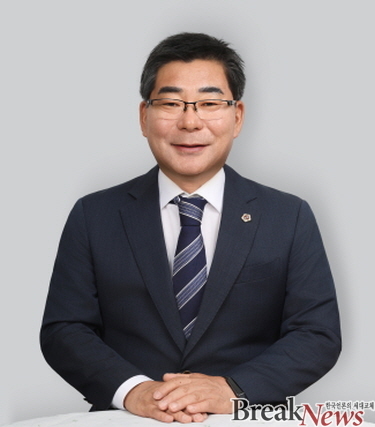
서영교 의원이 대표발의한「헌법재판소법 일부개정법률안(재판소원제 도입) 」이 27일 국회 본회의를 통과했다. 이로써 법원의 재판으로 기본권을 침해받고도 구제받지 못했던 국민들이 헌법재판소의 판단을 받을 수 있는 길이 37 년 만에 열리게 됐다.
 ▲ 서영교 의원은 법안 통과 직후 소회를 통해 “사법권의 독립은 민주주의의 근간이지만, 그 독립은 ‘헌법과 법률’ 에 의한 재판을 전제로 한 것” 이라며 , “재판이 헌법을 위반해 국민의 기본권을 침해했다면 그것은 이미 보호받아야 할 사법권의 범위를 벗어난 것이며, 이번 재판소원제 도입으로 국민 권리구제의 사각지대는 사라지게 됐다”고 밝혔다. © 사진, 서 의원실/ 김충열 정치전문기자 |
현행 헌법소원 제도는 입법부의 법률이나 행정부의 공권력 행사에 대해서는 청구가 가능했으나, 정작 국민의 삶에 가장 직접적인 영향을 미치는 ‘법원의 재판’은 심판 대상에서 제외되어 왔다.
그 결과 명백한 위헌적 법 해석이나 기본권 침해가 있는 판결이 확정되더라도 수십 년이 걸리는 ‘재심’ 절차 외에는 이를 바로잡을 방법이 없어 국민의 재판청구권이 사실상 침해당해왔다는 지적이 제기되어 왔다.
이번 개정안은 헌법재판소법 제 68 조 제 1 항을 개정해 ‘법원의 재판’ 을 헌법소원 심판 대상에 명시적으로 포함한 것이 핵심 이다. 이는 사법권 역시 헌법 제 10 조가 규정한 ‘기본권 보장 의무’를 지는 공권력의 행사라는 점에서 예외 없이 헌법적 통제를 받아야 한다는 취지다.
서영교 의원은 법안 통과 직후 소회를 통해 “사법권의 독립은 민주주의의 근간이지만, 그 독립은 ‘헌법과 법률’ 에 의한 재판을 전제로 한 것” 이라며 , “재판이 헌법을 위반해 국민의 기본권을 침해했다면 그것은 이미 보호받아야 할 사법권의 범위를 벗어난 것이며, 이번 재판소원제 도입으로 국민 권리구제의 사각지대는 사라지게 됐다”고 밝혔다.
또한 대법원 등 일각에서 제기하는 ‘4 심제’, ‘법적 안정성 저해’ 우려에 대해서도 조목조목 반박했다. 서 의원은 “독일, 스페인 등 주요 국가들은 이미 재판소원을 통해 국민의 기본권을 폭넓게 보호하고 있으며, 엄격한 사전심사 제도로 남소(濫訴)를 방지하고 있다”며, “기본권이 침해된 상태의 안정은 정의가 아니라 독단일 뿐, 국민은 억울함을 바로잡을 수 있는 최소한의 통로를 요구하고 있다”고 말했다.
특히 서영교 의원은 이번 법안 통과를 계기로 중단 없는 사법 개혁의 의지를 분명히 했다. 서 의원은 “재판소원제는 헌법이 약속한 기본권 보장을 현실로 만든 역사적 전환점 ” 이라며 , “그동안 조희대 사법부가 외면해온 사법 정의를 이제 국회가 시민의 힘으로 바로 세우겠다”고 밝혔다.
이어 “재판소원제를 포함한 사법개혁 법안(법왜곡죄, 대법관 증원)들의 통과는 국민의 권리를 끝까지 책임지겠다는 입법부의 약속”이라며, “국민의 기본권에는 성역이 없고, 어떤 국가권력도 헌법 위에 설 수 없다”고 강조했다.
끝으로 “중단 없는 사법 개혁을 통해 오직 국민을 위해 존재하고, 국민에게 신뢰받는 사법부를 만드는 길에 앞장서겠다”고 밝혔다.
그렇다면 재판소원제 도입이 국민의 삶을 어떻게 변화시킬까? 재판소원제 도입을 두고 여당은 “국민 기본권 보장”을 강조하는 반면, 야당은 “사실상의 4심제”라며 강하게 반발하고 있다. 쟁점은 헌법재판소가 대법원 확정판결까지 다시 심사할 수 있느냐는 문제인데, 이는 사법 체계의 근간을 흔드는 논란으로 이어지고 있다.
현재 쟁점 상황은 여당은 독일·스페인 등 해외 사례를 들어, 헌법재판소가 재판소원을 통해 국민 권리를 폭넓게 보호하고 있다고 주장한 반면, 야당은 “소송 지옥” “사법 파괴”라는 표현을 쓰며, 대법원의 최고법원 지위를 흔드는 위헌적 제도라고 반발하고 있다.
법조계에선 대법원은 “실질적 4심제”라며 반대하고, 헌법재판소는 “보충적 권리구제 절차일 뿐”이라며 찬성 입장을 보여 두 기관이 정면으로 충돌하는 이례적 상황이다. 이 제도가 도입되면 최종심인 대법원 판결을 헌법제판소에서 다시 재판하는 결과를 초래한다.
바람직한 방향은 어느 쪽이 더 바람직한지는 국민 권리 보장과 법적 안정성 사이의 균형 문제이다. 국민 권리 보장을 최우선으로 본다면, 재판소원제는 억울한 판결을 바로잡을 최소한의 통로가 될 수 있다.
그러나 법적 안정성을 중시한다면, 대법원 판결 이후에도 다툼이 가능해져 소송이 장기화되고 사법 체계 혼란이 커질 수 있어 대형 로펌 법무법인의 영향력이 커지게 된다. 유전무죄 무전유죄! 따라서 제도 시행 과정에서 엄격한 사전심사 제도와 남소(濫訴)방지 장치를 마련하는 것이 핵심 과제라 할 수 있다.
정리하면, 재판소원제는 국민 권리 구제의 폭을 넓히는 역사적 전환점이 될 수 있지만, 동시에 법적 안정성을 해칠 위험도 있다. 결국 헌법재판소의 권한을 어떻게 제한·운영하느냐가 제도의 성패를 좌우할 것이다.
결론적으로 재판소원제는 국민 권리구제의 폭을 넓히는 데 바람직한 제도일 수 있지만, 운영 방식에 따라 “4심제”라는 비판이 현실화될 수도 있다. 따라서 헌법재판소의 권한을 엄격히 제한하고, 사전심사 제도를 강화하는 것이 균형점을 찾는 핵심이다. hpf21@naver.com
* 아래는 위 기사를 '구글 번역'으로 번역한 영문 기사의 [전문]입니다. '구글번역'은 이해도 높이기를 위해 노력하고 있습니다. 영문 번역에 오류가 있을 수 있음을 전제로 합니다.
*The following is [the full text] of the English article translated by 'Google Translate'. 'Google Translate' is working hard to improve understanding. It is assumed that there may be errors in the English translation.
Representative Seo Young-kyo's bill, "'Court Appeal System' Passes Plenary Session...Court Trials Are Also Subject to Constitutional Appeals," was sponsored by Representative Seo Young-kyo.
After 37 years, we will break down judicial sanctuaries and ensure the protection of citizens' fundamental rights.
Judicial justice, neglected by the Cho Hee-dae judiciary, will be rectified through the power of the people.
Break News political reporter Kim Choong-lyoul = The "Partial Amendment to the Constitutional Court Act (Introducing the Court Appeal System)," sponsored by Representative Seo Young-kyo, passed the plenary session of the National Assembly on the 27th. This opens the door for citizens who have suffered violations of their fundamental rights in court trials but have not received redress, to receive a ruling from the Constitutional Court after 37 years.
The current constitutional appeal system allows for petitions against laws passed by the legislature or the executive branch's exercise of public power. However, "court trials," which directly impact the lives of citizens, have been excluded from the scope of appeal.
As a result, even if a ruling is confirmed as clearly unconstitutional or violates fundamental rights, there is no way to correct it other than through a decades-long "retrial" process, effectively violating the people's right to seek justice. This has led to criticism that this has effectively violated the people's right to seek justice.
The core of this amendment is its revision of Article 68, Paragraph 1 of the Constitutional Court Act, explicitly including "court trials" within the scope of constitutional appeals. This revision emphasizes that the judiciary, as an exercise of public power with the "duty to guarantee fundamental rights" stipulated in Article 10 of the Constitution, must be subject to constitutional control without exception.
In his remarks immediately following the bill's passage, Representative Seo Young-kyo stated, "Judicial independence is the foundation of democracy, but that independence presupposes adjudication in accordance with the 'Constitution and the law.'" He added, "If a trial violates the Constitution and infringes upon the fundamental rights of the people, it has already exceeded the scope of the judiciary's protection. The introduction of this court appeal system will eliminate any blind spots in the people's right to seek justice."
He also refuted point by point the concerns raised by some, including the Supreme Court, about the "four-tier system" and the "undermining of legal stability." Rep. Seo stated, "Major countries like Germany and Spain already broadly protect citizens' fundamental rights through the judicial system, and they prevent frivolous lawsuits with strict pre-trial review systems." He added, "Stability in a state where fundamental rights are violated is not justice, but arbitrary. Citizens demand the minimum avenue to redress their grievances."
Rep. Seo Young-kyo, in particular, used the passage of this bill to clearly demonstrate his commitment to uninterrupted judicial reform. He stated, "The judicial system is a historic turning point that has made the fundamental rights guarantees promised in the Constitution a reality." He added, "The National Assembly will now, through the power of the people, rectify judicial justice, which the Cho Hee-dae judiciary has neglected."
He continued, "The passage of judicial reform bills, including the petition system (criminalizing legal distortion and increasing the number of Supreme Court justices), is a promise from the legislature to uphold the rights of the people to the fullest extent." He emphasized, "There are no sanctuaries when it comes to the people's fundamental rights, and no state power can stand above the Constitution."
Finally, he declared, "Through uninterrupted judicial reform, we will lead the way in creating a judiciary that exists solely for the people and is trusted by them."
So, how will the introduction of the petition system change the lives of the people? While the ruling party emphasizes the "guarantee of the people's fundamental rights," the opposition party strongly opposes it, calling it a "de facto four-tier system." The central issue is whether the Constitutional Court can reexamine Supreme Court rulings, a debate that threatens to shake the very foundations of the judicial system.
The current contentious situation is one in which the ruling party, citing overseas examples like Germany and Spain, argues that the Constitutional Court broadly protects citizens' rights through the appeals system. The opposition party, however, uses terms like "litigation hell" and "destruction of the judiciary," arguing that the system is unconstitutional and threatens the Supreme Court's status as the highest court.
In the legal community, the Supreme Court opposes the new system, arguing that it is a "de facto four-tier system," while the Constitutional Court supports it, arguing that it is merely a supplementary remedy. This creates an unusual situation where the two institutions are in direct conflict.
Which direction is more desirable depends on the balance between protecting citizens' rights and legal stability. If protecting citizens' rights is paramount, the appeals system can provide a minimal avenue for redressing unjust rulings.
However, if legal stability is prioritized, litigation can continue even after a Supreme Court ruling, potentially prolonging litigation and increasing chaos in the judicial system. This, in turn, increases the influence of large law firms. The innocent are the guilty, the innocent are the guilty! Therefore, establishing a rigorous prior review system and measures to prevent male-dominated lawsuits are key tasks during the implementation process.
In summary, the Constitutional Court system could be a historic turning point, expanding the scope of redress for citizens' rights, but it also risks undermining legal stability. Ultimately, how the Constitutional Court's authority is limited and operated will determine the system's success or failure.
In conclusion, the Constitutional Court system may be a desirable system for expanding the scope of redress for citizens' rights, but depending on how it is operated, criticisms of a "four-tier system" could become a reality. Therefore, strictly limiting the Constitutional Court's authority and strengthening the prior review system are key to finding a balance. hpf21@naver.com