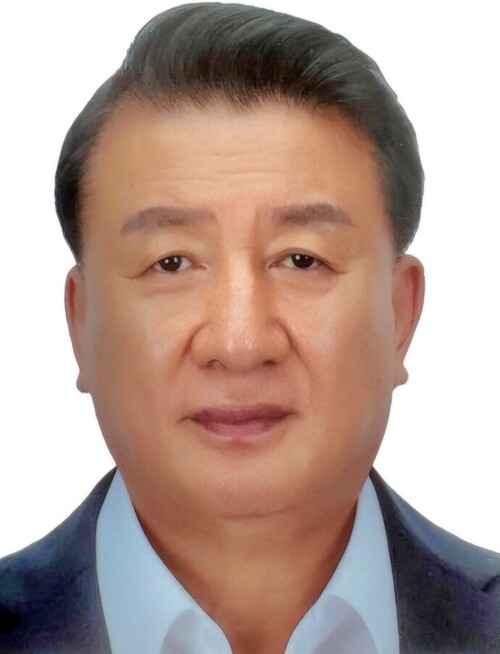
▲ 주진우 (국민의힘 해운대갑) 국회의원이 9일 부산시의회 브리핑룸에서 부산시장 출마 선언을 하고 있다. © 배종태 기자 |
[브레이크뉴스=배종태 기자] 국민의힘 주진우 국회의원이 9일 오전 부산시의회 브리핑룸에서 기자회견을 열고 6·3 지방선거 부산시장 출마를 공식 선언했다. 그는 “부산을 해양수도로 만드는 일에 모든 것을 바치겠다”며 청년·미래 산업·북극항로를 축으로 한 도시 대전환 비전을 제시했다.
주 의원은 “부산은 산업화 시기 대한민국 경제의 심장 역할을 했고, 부마민주항쟁으로 국민이 주인이 되는 나라를 만들었다”며 “이제 부산의 자긍심과 부흥을 되찾아야 한다”고 강조했다. 해양수산부와 HMM 이전만으로는 부족하다며 “정책은 더 혁신적이어야 하고 예산은 더 화끈해야 부산을 바꿀 수 있다”고 말하고, 정부를 상대로 보다 높은 수준의 지원을 요구하겠다는 입장을 분명히 했다.
그는 HMM 이전 이후를 부산 도약의 계기로 삼겠다는 구상을 내놨다. 주 의원은 프랑스 마르세유 사례를 언급하며 “HMM과 민간이 합동 투자하는 방식으로 부산 신항을 고도화하고 배후단지를 첨단 비즈니스·문화 복합단지로 개발하겠다”고 밝혔다. HMM이 쌓아온 막대한 이익유보금과 민간 자본을 활용해 양질의 일자리를 만들고, HMM에는 효율적인 항만 인프라를 제공하는 ‘윈윈 구조’를 만들겠다는 설명이다.
또한 그는 “부산을 AI의 메카로 만들겠다”며 에너지 정책과 신산업 전략을 함께 묶어 제시했다. 분산에너지 특별법과 차등 요금제를 통해 부산을 압도적인 에너지 특화 지역으로 만들고, 합리적인 전기료를 바탕으로 AI·데이터센터 등 첨단 기업을 집중 유치하겠다고 약속했다. 이어 “규제 제로 존과 세제 혜택까지 더해진다면 부산 산업에 새 바람이 불 것”이라고 덧붙였다.
청년 정책도 핵심 축으로 제시했다. 주 의원은 “청년 일자리와 주거 문제를 전담할 청년 부시장 직위를 신설하겠다”며 “젊은 시장으로서 20·30·40 세대를 두루 등용해 부산을 강하게 만들겠다”고 말했다. 청년과 신혼부부에게 ‘고품격 반값 아파트’를 공급하겠다고 밝히며, 토지임대부 분양주택을 도입해 적은 토지 임대료만 부담하고도 내 집을 마련할 수 있게 하겠다고 했다. 원도심 재개발 과정에서 나오는 부지와 수익을 청년 주거에 집중 투자해, 도심 외곽이 아닌 도심 요충지에 새로운 청년 랜드마크를 조성하겠다는 구상도 내놨다.
미래 먹거리 전략으로는 북극항로와 수산업을 꼽았다. 주 의원은 “북극항로는 대한민국의 100년 먹거리”라며 북극항로청과 수산진흥공사 신설을 제안했다. 소수 파견 공무원 체제로는 북극항로 시대를 준비하기 어렵다고 지적하며, 부산에 북극항로청을 설치해 항로 개척, 원자력 쇄빙선 관련 연구·개발, 외교 협상을 체계적으로 추진하겠다고 밝혔다. 수산진흥공사를 통해 ‘K-수산’의 세계 진출을 지원하고, 수산업과 노후 선박 첨단화를 통해 지역 경제를 살리겠다는 목표도 제시했다.
부산 현안에 대해서는 “속도가 생명”이라고 못 박았다. 주 의원은 가덕도 신공항과 부산형 급행철도를 더 이상 늦출 수 없는 과제로 규정하며 “매일 직접 챙기겠다”고 약속했다. 아울러 부산·울산·경남 통합은 “선택이 아닌 필수”라며, 인구 800만 명의 거대 시장을 만들고 국비 20조 원 이상을 확보해 지역 경제에 마중물을 대야 한다고 강조했다. 그는 “부울경 신속 통합을 위해 어떤 기득권도 내려놓겠다”고 했다.
질의응답에서 주 의원은 야당 국회의원으로서 그동안 정부를 견제하고 감독하는 역할을 충실히 해왔다고 자평했다. 다만 시장이 된다면 “부산 시민의 삶과 실용보다 더 중요한 것은 없다”며, 해수부·HMM 이전과 같은 사안에서도 단순 수용에 그치지 않고 이후 청사진까지 제시하며 더 치열하게 협상하겠다고 했다. 청와대, 금융위원회, 법무부, 대통령실 등에서의 정책 경험을 언급하며 “정책 역량을 바탕으로 실용적으로 일하겠다”고 덧붙였다.
여론조사와 관련된 질문에는 “부산 시민은 변화를 열망하고 있다”고 진단하며, 청년 이탈과 자영업 쇠퇴 등 모두가 아는 문제를 기존 정치 방식으로는 해결하지 못했다고 지적했다. 그는 “보다 새로운 시각과 과감한 방법으로 부산을 살릴 방안을 제시하겠다”며 “누가 부산을 더 제대로 발전시킬지 치열하게 경쟁하겠다”고 말했다.
주 의원은 현 직역에 대한 평가를 언급하며 “단 하루도 쉬지 않고 치열하게 제 자리에서 역할을 해왔다”고 말했다. 그러면서 “이제 역할을 바꾸려 한다”며, 바뀐 역할에 걸맞은 비전으로 부산 시민의 변화 열망을 담아낼 그릇이 되겠다고 했다.
현직 시장 평가와 관련해서는 “그동안 글로벌 유산을 만들기 위해 많은 노력을 했고 성과도 있었다”며 계승할 부분은 계승하겠다고 말했다. 다만 “기존에 하던 업무를 잘 마무리하겠다는 방식만으로는 더 이상 부산 시민의 마음을 얻기 어렵다”고 지적하며, 보다 과감한 변화가 필요하다고 했다.
정당 지지율과 당내 상황에 대해서는 말을 아꼈다. 주 의원은 “당은 당대로 통합을 이루고 분열하지 않으면서 부산을 위해 바른 길로 나아갈 것”이라며, 자신은 부산을 바꾸는 비전을 놓고 경쟁하는 데 집중하겠다고 밝혔다.
아울러, 그는 “개혁은 깨끗한 손으로 해야 한다”고 강조하며, “부산은 대한민국의 끝이 아니라 세계로 나아가는 시작점”이라고 규정했다. 이어 “부산을 다시 강하게 만들겠다. 부산을 확 뒤집어 놓겠다”며 “부산이 해양수도로 우뚝 서는 데 저와 함께해 달라”고 지지를 호소했다.
[Here is a natural English version of the Korean article] Joo Jin-woo vows ‘major reset’ for Busan, Declares bid for Busan mayor, pledges to “make Busan strong again”
Rep. Joo Jin-woo of the People Power Party on Sunday officially declared his candidacy for Busan mayor in the June 3 local elections, unveiling a sweeping vision to transform the city into a global maritime capital. He pledged to put everything on the line to “make Busan strong again” by focusing on young people, future industries and the Arctic shipping route.
Joo stressed that Busan had long served as “the heart that pumped blood through Korea’s economy” during industrialization and stood at the forefront of democratization with the Buma Democratic Uprising. Now, he said, the city must restore its pride and revive its stalled growth. While welcoming the relocation of the Ministry of Oceans and Fisheries and shipping giant HMM to Busan, he argued that such moves alone are not enough, insisting that “policies must be more innovative and budgets far bolder” to truly change the city and secure stronger support from the central government.
Laying out his economic blueprint, Joo said he wants to turn HMM’s relocation into a launchpad for Busan’s next takeoff. Citing the example of Marseille in France, he proposed using HMM’s retained earnings together with private-sector capital to upgrade Busan New Port and build a high-tech business and cultural complex in the surrounding hinterland. This, he said, would create quality jobs for the city while providing HMM with a more efficient port infrastructure in a “win–win structure.”
Joo also vowed to make Busan a hub for artificial intelligence. He said he would leverage special legislation on distributed energy and introduce differential electricity pricing to turn the city into a leading energy-specialized zone. Based on more affordable power, Busan would aggressively attract AI companies and data centers, he said, adding that a package of deregulation and tax incentives would “bring a new breeze” to the local industrial landscape.
Youth policy is another pillar of his platform. Joo promised to create a new deputy mayor position dedicated to youth employment and housing. As a “young mayor,” he said he would bring in talented people in their 20s, 30s and 40s to strengthen the city’s leadership. He pledged to supply “high-quality homes at half price” for young people and newlyweds, using a land-lease scheme that lowers upfront costs by charging only a modest land rent. He further vowed to channel land and profits generated from old downtown redevelopment projects into youth housing, building new youth landmarks in key central locations rather than pushing young residents out to the outskirts.
For long-term growth, Joo highlighted the Arctic shipping route and the fisheries industry as “100-year growth engines.” Calling the current system of a small team of dispatched officials inadequate, he proposed establishing an Arctic Route Agency in Busan to systematically handle route development, research and development on nuclear-powered icebreaking vessels, and related diplomatic negotiations. He also promised to set up a Fisheries Promotion Corporation to help “K-fisheries” expand globally, modernize aging fishing fleets and boost the regional economy.
On major local projects, Joo said “speed is everything.” He argued that the new Gadeokdo Airport and Busan-style express rail network can no longer be delayed and pledged to oversee them “on a daily basis.” He also called the integration of Busan, Ulsan and South Gyeongsang Province “not a choice but a necessity,” saying the creation of an 8-million-strong mega-region and the securing of more than 20 trillion won in state funds would act as vital seed money for the regional economy. He said he is prepared to “give up any vested interests” to accelerate the integration process.
Responding to questions, Joo said that as an opposition lawmaker he had faithfully carried out his role of checking and monitoring the government, but that as mayor his top priority would be “the practical needs and everyday lives of Busan citizens.” He stressed that he would not simply accept central government plans, such as ministry or corporate relocations, at face value, but would negotiate “more toughly and more thoroughly” to ensure they lead to real improvements in residents’ lives. Citing his experience at the presidential office, the Financial Services Commission and the Ministry of Justice, he said he would bring “pragmatic policy skills” to city hall.
On public sentiment, Joo said Busan citizens are “yearning for change,” pointing to chronic issues such as youth outmigration, lack of jobs and struggling small businesses that have not been solved under “old-style politics.” He vowed to present bold, fresh solutions and to compete “head-on over who can truly move Busan forward.” He described himself as someone who has “never backed down in times of crisis” and has consistently delivered results in every post he has held.
Joo acknowledged the achievements of the incumbent mayor in raising Busan’s global profile but argued that simply finishing existing projects would not be enough to win the hearts of citizens. The city now needs a new direction and more ambitious vision, he said, based on careful listening to residents rather than preconceived notions.
On internal party matters and approval ratings, he struck a cautious tone, saying the party would find its own way forward without falling into division. As a candidate, he said he will focus on debating concrete visions to change Busan rather than getting drawn into internal power struggles.
Concluding his remarks, Joo said “reform must be carried out with clean hands” and described Busan not as “the end of Korea” but as the country’s gateway to the world. Pledging to “turn Busan upside down” and make it stand tall as a true maritime capital, he appealed to voters to join him in turning their shared dream for the city into reality.
원본 기사 보기:부산브레이크뉴스