▲ 뉴욕증권거래소(NYSE)에 따르면 11일(현지 시간) 미국 서부텍사스산원유(WTI) 가격은 전일 대비 3.80달러(4.55%) 상승한 배럴당 87.25달러에 거래를 마감했다. 국제 유가 기준물 브렌트유는 4.18달러(4.76%) 오른 배럴당 91.98달러로 거래를 마쳤다. 이날 호르무즈 해협 인근을 지나던 화물선 4척이 이란 소행으로 추정되는 공격을 받은 사실이 알려지면서 유가 불안정이 지속됐다. © 뉴시스 |
브레이크뉴스 정명훈 기자= 국제에너지기구(IEA)가 미국과 이스라엘의 이란 군사 공격으로 인한 글로벌 석유 공급 차질에 대응하기 위해 전략 비축유 4억 배럴을 방출하기로 합의했다.
미국 월스트리트저널 보도에 따르면 국제에너지기구(IEA)는 11일(현지시간) 성명을 통해 32개 회원국이 총 4억 배럴 규모의 전략 비축유를 방출하기로 만장일치로 합의했다고 발표했다. 이는 2022년 러시아의 우크라이나 침공 당시 방출량 1억8200만 배럴보다 두 배가 넘는 규모이자, IEA 역사상 최대 규모다.
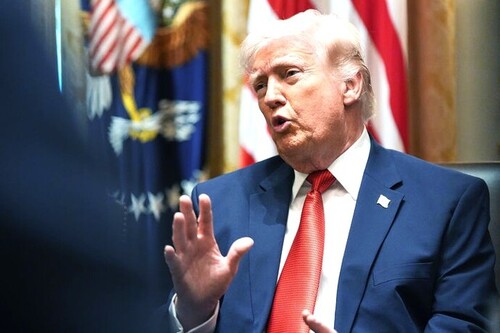
특히 도널드 트럼프 미국 대통령이 기존의 시장 개입 반대 입장을 뒤집고 동맹국들을 설득해 대규모 비축유 방출을 추진한 것으로 전해졌다. 트럼프 대통령은 취임 당시 비축유를 확대하겠다고 공약한 만큼, 비축유 방출에 부정적인 입장을 유지했다.
그러나 트럼프 대통령은 비축유 방출이 필요하다는 참모진들의 설득을 받아들였고, 결국 IEA의 대규모 비축유 방출 결정을 이끌어낸 것으로 전해졌다.
미국은 IEA 회원국 중 가장 큰 비중을 맡았다. 미국은 전체 물량 4억 배럴 중 1억7200만 배럴을 방출할 계획이다. 이렇게 될 경우 미국 전략 비축유는 2008년 이후 최저 수준으로 감소할 전망이다.
다만 일부 전문가들은 IEA의 4억 배럴 방출에 대해 "급한 불을 끄는 정도"라며 회의적인 시각을 보이고 있다. 4억 배럴은 호르무즈 해협을 통과하는 원유 수송량의 약 20일치에 불과하다는 점을 언급하며 중동에서 발생한 공급 감소를 메우기엔 어렵다는 것이다.
반면 IEA의 파티 비롤 사무총장은 "회원국별 상황을 고려해 적절한 시점에 맞춰 전략 비축유를 순차적으로 방출할 것"이라며 전략 비축유 방출이 유가 시장 안정에 기여할 것이라고 강조했다.
현재 IEA 회원국이 보유한 공공 비상 비축유는 12억 배럴 이상인 것으로 알려졌으며 정부가 관리하는 기업 비축량도 약 6억 배럴에 달한다.
*아래는 위 기사를 '구글 번역'으로 번역한 영문 기사의 [전문]입니다. '구글번역'은 이해도 높이기를 위해 노력하고 있습니다. 영문 번역에 오류가 있을 수 있음을 전제로 합니다.<*The following is [the full text] of the English article translated by 'Google Translate'. 'Google Translate' is working hard to improve understanding. It is assumed that there may be errors in the English translation.>
International Energy Agency Agrees to Release 400 Million Barrels of Strategic Oil Reserves... US Position Shifts
The International Energy Agency (IEA) has agreed to release 400 million barrels of oil from its strategic reserves to address the disruption to global oil supply caused by the US and Israeli military attacks on Iran.
According to a Wall Street Journal report, the IEA announced in a statement on the 11th (local time) that its 32 member countries had unanimously agreed to release a total of 400 million barrels of oil from its strategic reserves. This amount is more than double the 182 million barrels released during Russia's invasion of Ukraine in 2022 and represents the largest release in the IEA's history.
Notably, US President Donald Trump reportedly reversed his previous opposition to market intervention and persuaded allies to push for a large-scale release of oil reserves. President Trump, having pledged to expand the reserves upon taking office, has maintained a negative stance on releasing oil reserves.
However, President Trump reportedly accepted the persuasion of his aides that a release of oil reserves was necessary, ultimately leading to the IEA's decision to release a large amount of oil.
The United States holds the largest share of the IEA's member states. The US plans to release 172 million barrels of its total 400 million barrels. This release is expected to reduce the US Strategic Petroleum Reserve to its lowest level since 2008.
However, some experts are skeptical of the IEA's 400 million barrel release, calling it "a mere fire-fighting measure." They argue that 400 million barrels is only enough to cover the supply shortage in the Middle East, considering that it represents only about 20 days' worth of crude oil transiting the Strait of Hormuz.
On the other hand, IEA Executive Director Fatih Birol emphasized that the release of oil from the Strait of Hormuz would contribute to the stabilization of the oil price market, stating, "We will release the Strategic Petroleum Reserve sequentially, taking into account the circumstances of each member state and at the appropriate time."
IEA member countries currently hold over 1.2 billion barrels of public emergency oil reserves, while government-managed corporate reserves amount to around 600 million barrels.