중국 허베이성 스자좡의 황량한 벌판 위에 세워진 허베이미술대학(Hebei Academy of Fine Arts)를 처음 마주한 이들은 당혹감을 감추지 못합니다.
한편에는 중세 유럽의 고성이 솟아 있고, 다른 한편에는 동양의 고전적인 전각들이 호수를 에워싸고 있기 때문입니다. 이 기묘하고도 웅장한 풍경의 중심에는 설립자이자 총장인 견충이(甄忠义)가 있습니다. 그에게 이 캠퍼스는 단순한 교육 시설이 아니라, 자신의 교육 철학을 실현한 거대한 '설치 미술' 그 자체입니다.
 |
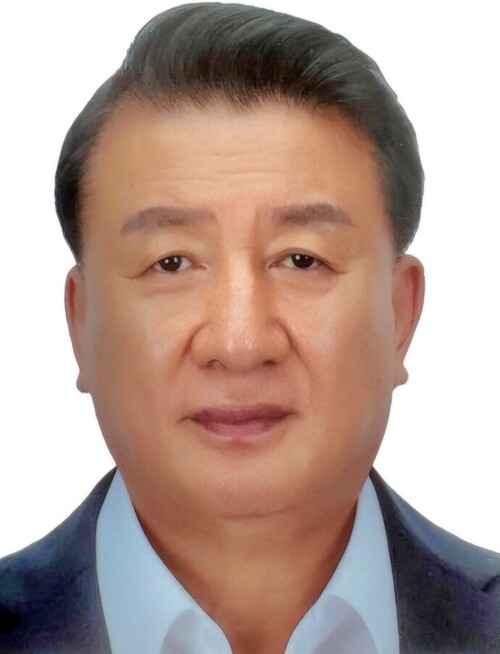
사진: 허베이미술대학(Hebei Academy of Fine Arts) 견충의 총장
‘대미(大美)’를 향한 집념 환경이 예술을 만든다
견충이 총장의 교육 철학은 "예술가는 아름다운 환경에서 태어난다"고 믿습니다. 학생들이 매일 보고 만지는 건축물, 정원, 호수가 곧 그들의 감성을 결정짓는 '제2의 교수'라는 논리입니다.
그가 사재를 털어 디즈니 성을 연상시키는 '신데렐라 성'과 전통 수묵화 속 정원을 구현한 이유는 명확합니다. 학생들이 책상 앞이 아닌, 압도적인 시각적 경험 속에서 상상력을 극대화하기를 바랐기 때문입니다.
이는 "교육은 틀에 가두는 것이 아니라, 환경을 통해 잠재력을 끌어내는 것"이라는 그의 확고한 신념을 보여줍니다.
‘중체서용(中體西用)’의 현대적 변용
전 총장은 전통주의자인 동시에 파격적인 혁신가입니다. 그는 캠퍼스를 남과 북으로 나누어 동양과 서양의 미학을 공존시켰습니다.
북구(North Zone): 서양의 고딕, 바로크 양식을 통해 학생들에게 글로벌한 미적 감각과 판타지적 상상력을 자극합니다.
남구(South Zone): 중국 전통 건축과 조경을 통해 민족적 자긍심과 고전적 깊이를 체득하게 합니다.
이러한 구성은 "뿌리는 깊게 내리되, 가지는 세계로 뻗어야 한다"는 그의 인재 양성 철학을 상징합니다. 그는 학생들이 동서양의 경계를 자유롭게 넘나드는 '융합형 아티스트'가 되길 강조합니다.
 ▲ 허베이미술대학(Hebei Academy of Fine Arts) 전경 |
실용주의적 예술관, "예술은 굶주려선 안 된다"
많은 예술 교육자가 순수 예술의 고고함을 강조할 때, 견충이 총장은 과감하게 예술의 산업화를 외칩니다. 그는 예술가가 사회에서 고립되는 것을 경계합니다.
그의 철학에 따라 허베이미술대학교는 게임, 애니메이션, 디자인 등 시장 수요가 확실한 분야를 특성화했습니다. "학생들이 졸업 후 자신의 기술로 당당히 생계를 유지하고, 사회에 공헌할 수 있어야 진정한 교육"이라는 그의 실용주의적 접근은 보수적인 예술계에 신선한 충격을 주었습니다.
사제동행(師弟同行)의 정신
전 총장은 스스로를 거창한 교육자보다 '선배 예술가'로 정의하기를 즐깁니다. 그는 여전히 붓을 들고 학생들과 소통하며, 캠퍼스 구석구석의 조형물 작업에 직접 참여합니다. 총장이 직접 현장에서 땀 흘리는 모습은 학생들에게 '예술은 이론이 아니라 실천'이라는 가장 강력한 메시지를 전달합니다.
견충이 총장이 꿈꾸는 허베이미술대학교의 미래는 타인의 시선이 아니라, 이곳에서 자라날 학생들의 무한한 가능성입니다.
"상상할 수 있는 모든 것은 현실이 된다"는 것을 캠퍼스라는 실체로 증명해 보인 견충이 총장. 그의 교육 철학은 단순한 지식 전수를 넘어, 학생들에게 '꿈을 시각화하는 용기'를 가르치고 있습니다
 ▲ 글/사진: 김지윤, 中 허베이미술대학교 조소, 공공예술대 교수, 디자인학 박사 |
*아래는 위 기사를 '구글 번역'으로 번역한 영문 기사의 [전문]입니다. '구글번역'은 이해도 높이기를 위해 노력하고 있습니다. 영문 번역에 오류가 있을 수 있음을 전제로 합니다.<*The following is [the full text] of the English article translated by 'Google Translate'. 'Google Translate' is working hard to improve understanding. It is assumed that there may be errors in the English translation.>
A University Transformed into a Giant Canvas: Zhen Zhongyi’s ‘Art Utopia’
- Kim Ji-yoon, Professor of Public Art, Department of Sculpture, Hebei Academy of Fine Arts, China
Those who encounter the Hebei Academy of Fine Arts for the first time, built on a desolate plain in Shijiazhuang, Hebei Province, China, cannot hide their bewilderment.
This is because a medieval European castle rises on one side, while classical Eastern pavilions surround a lake on the other. At the center of this peculiar yet magnificent landscape stands Zhen Zhongyi, the founder and president. To him, this campus is not merely an educational facility, but a massive work of ‘installation art’ in itself, realizing his educational philosophy.
Photo: President Jian Chongyi of Hebei Academy of Fine Arts
**Obsession with ‘Great Beauty’: Environment Creates Art**
President Jian Chongyi’s educational philosophy is based on the belief that "artists are born in beautiful environments." His logic is that the architecture, gardens, and lakes students see and touch every day serve as a "second professor" that determines their sensibilities.
The reason he invested his personal fortune to realize a "Cinderella Castle" reminiscent of Disney castles and gardens inspired by traditional ink wash paintings is clear. It is because he wanted students to maximize their imagination amidst overwhelming visual experiences, rather than confined to their desks.
This demonstrates his firm conviction that "education is not about confining within a mold, but about drawing out potential through the environment."
**A Modern Adaptation of ‘Chinese Essence, Western Application’**
President Jian is both a traditionalist and a radical innovator. He divided the campus into North and South, allowing Eastern and Western aesthetics to coexist. North Zone: Stimulates students' global aesthetic sensibilities and fantastical imagination through Western Gothic and Baroque styles.
South Zone: Allows students to internalize national pride and classical depth through traditional Chinese architecture and landscaping.
This composition symbolizes his philosophy of talent cultivation: "Roots must be deep, but branches must extend to the world." He emphasizes that students should become "fusion artists" who freely cross the boundaries between East and West.
▲ Panoramic view of Hebei Academy of Fine Arts
A pragmatic view of art: "Art must not starve."
While many art educators emphasize the loftiness of pure art, President Jian Chongyi boldly advocates for the industrialization of art. He guards against artists becoming isolated from society.
In accordance with his philosophy, Hebei Academy of Fine Arts has specialized in fields with certain market demand, such as games, animation, and design. His pragmatic approach—that "true education is when students can confidently make a living with their skills and contribute to society after graduation"—came as a refreshing shock to the conservative art world.
**The Spirit of Teacher-Student Collaboration**
President Jeon enjoys defining himself as a "senior artist" rather than a grandiose educator. He still holds a brush to communicate with students and personally participates in the creation of sculptures throughout the campus. The sight of the President sweating it out on-site conveys the most powerful message to students: "Art is practice, not theory."
The future of Hebei Academy of Fine Arts that President Jian Chongyi envisions is not the gaze of others, but the infinite potential of the students who will grow up here.
President Jian Chongyi has proven through the tangible reality of the campus that "everything imaginable becomes reality." His educational philosophy goes beyond the mere transmission of knowledge to teach students the "courage to visualize their dreams."
▲ Text/Photos: Kim Ji-yoon, Professor of Sculpture and Public Art at Hebei Academy of Fine Arts, China; Ph.D. in Design