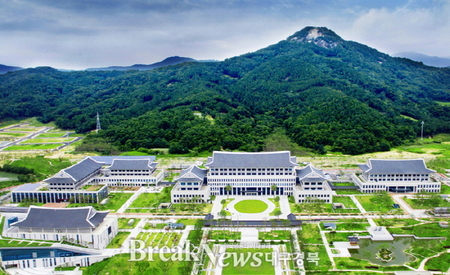
▲ 법무부 ©박상도 기자 |
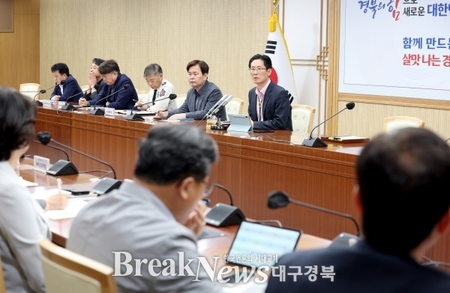
(브레이크뉴스인천 박상도 기자) 정성호 법무부장관이 정부와 스위스의 글로벌 승강기 업체인 쉰들러 사이의 국제투자분쟁 사건 판정 결과를 밝혔다.
사건 판정 결과는 지난 14일 새벽 2시 3분경, PCA 국제상설중재재판소의 중재판정부는 쉰들러의 모든 청구를 기각했다.
쉰들러가 중재 절차에서 주장한 약 3,200억 원 상당의 손해배상 청구는 모두 기각됐으며 이에 우리 정부의 소송비용 약 96억 원 또한 쉰들러 측으로부터 돌려받을 수 있게 됐다.
즉, 대한민국 정부가 100% 승소한 것이다.
이 사건은 현대엘리베이터의 유상증자 및 콜옵션 양도 등에 관하여 공정거래위원회, 금융위원회, 금융감독원 등 한국 정부기관들이 규제 및 조사 권한을 충실히 행사하지 않아 그 주주인 쉰들러가 손해를 입었다고 주장한 사건이다.
쉰들러는 2018년, 자신들이 보유한 현대엘리베이터 주식의 주가가 하락하는 등 약 5천억 원 상당의 손해가 발생했다고 주장하며, 대한민국을 상대로 ISDS를 제기했다.
그 배경에는 2013년부터 2015년 무렵 현대엘리베이터가 시행한 유상증자 등을 둘러싸고 발생한 현대엘리베이터와 그 2대 주주인 쉰들러 사이의 '경영권 분쟁'이 있습니다.
쉰들러 측의 최초 ISDS 청구 액수는 약 5천억 원이었으나, 지난 8년 간 치열한 공방 과정에서 최종 배상청구액은 약 3,200억 원으로 줄어들었다.
중재판정부의 선고 요지는, 한국 공정위, 금융위, 금감원의 조치는 자의적이거나 차별적이지 않은 합법적인 권한 범위 내에서 충분한 조사와 심사를 수행한 것으로 인정할 수 있으므로, 우리 정부의 투자협정 위반이 인정되지 않아 국제법상 국가책임이 성립할 수 없으며, 이에 따라 쉰들러의 배상 청구를 모두 기각한다는 것이다.
앞으로도 해외 투자자가 국내 사기업의 경영권 분쟁이나 주주 간 갈등을 국제투자분쟁을 통해 국가책임으로 전가하려는 시도가 다수 있을 수 있다.
이번 판정을 통해, 국가가 정당한 공익 목적으로 합리적으로 수행한 규제권 행사는 국제법적으로 존중받아야 한다는 국가의 규제권 존중 원칙을 명확히 확인받았고, 주주 간 사적 분쟁과 국제투자분쟁을 명백히 분리하여 국고를 지켜낸 의미가 있다.
론스타, 엘리엇 사건에 이어 이 사건 승소를 계기로 대한민국 정부의 우수한 ISDS 대응 역량이 국제 사회에 각인되고 있다.
정성호 법무부장관은 ‘앞으로도 우리 정부는 혼신의 힘을 다해 국제투자분쟁에 대응하여 국부의 유출을 막고 국익을 수호해 내겠다’ 며 ‘판정문을 면밀히 분석하여, 추후 상세한 내용을 국민 여러분께 알려드리겠다’고 밝혔다.
*아래는 위 기사를 ‘구글 번역’으로 번역한 영문 기사의 [전문]입니다.‘구글번역’은 이해도 높이기를 노력하고 있습니다. 영문 번역에 오류가 있을 수 있음을 전제로 합니다.<*Below is the [full text] of the English article translated from the above article using 'Google Translate'. 'Google Translate' strives to improve comprehension. It is based on the premise that there may be errors in the English translation.>
Government Wins 100% in Schindler International Investment Dispute Case... All Schindler Compensation Claims Dismissed
-Break News Incheon Park Sang-do Reporter
Minister of Justice Jung Sung-ho announced the ruling results of the international investment dispute case between the government and Schindler, a global elevator manufacturer based in Switzerland.
The ruling was announced around 2:03 AM on the 14th, when the arbitration tribunal of the Permanent Court of Arbitration (PCA) dismissed all of Schindler's claims.
All claims for damages amounting to approximately 320 billion won asserted by Schindler during the arbitration proceedings were dismissed. Consequently, the Korean government will also be able to recover approximately 9.6 billion won in litigation costs from Schindler.
In other words, the South Korean government has won 100% of the case.
This case involves claims that Schindler, a shareholder, suffered damages because South Korean government agencies—including the Fair Trade Commission, the Financial Services Commission, and the Financial Supervisory Service—faithfully exercised their regulatory and investigative authority regarding Hyundai Elevator’s paid-in capital increase and the transfer of call options.
In 2018, Schindler filed an ISDS claim against the Republic of Korea, alleging that it had incurred losses amounting to approximately 500 billion won due to factors such as a decline in the share price of Hyundai Elevator stocks it held.
The background to this lies in the "management rights dispute" that arose between Hyundai Elevator and its second-largest shareholder, Schindler, over paid-in capital increases implemented by the company around 2013 to 2015.
Schindler's initial ISDS claim was approximately 500 billion won, but the final compensation claim was reduced to approximately 320 billion won following an eight-year fierce legal battle. The gist of the arbitral tribunal's ruling is that the measures taken by the Korea Fair Trade Commission (KFTC), the Financial Services Commission (FSC), and the Financial Supervisory Service (FSS) can be recognized as having conducted sufficient investigations and reviews within the scope of their lawful authority, without being arbitrary or discriminatory. Consequently, the Korean government was not found to have violated the investment agreement, and thus state liability under international law cannot be established; accordingly, Schindler's claim for damages is dismissed in its entirety.
In the future, there may be numerous attempts by foreign investors to shift the responsibility for management disputes or shareholder conflicts within domestic private companies onto the state through international investment disputes.
Through this ruling, the principle of respect for the state's regulatory authority—that the exercise of regulatory power reasonably carried out by a state for the purpose of legitimate public interest must be respected under international law—has been clearly confirmed. Furthermore, it holds significance in protecting the national treasury by clearly separating private shareholder disputes from international investment disputes.
Following the Lone Star and Elliott cases, this victory serves as a catalyst to impress upon the international community the Republic of Korea's excellent capabilities in responding to ISDS. Minister of Justice Jeong Seong-ho stated, "Our government will continue to do its utmost to respond to international investment disputes to prevent the outflow of national wealth and safeguard national interests," adding, "We will thoroughly analyze the ruling and inform the public of the details later."
원본 기사 보기:ebreaknews.com