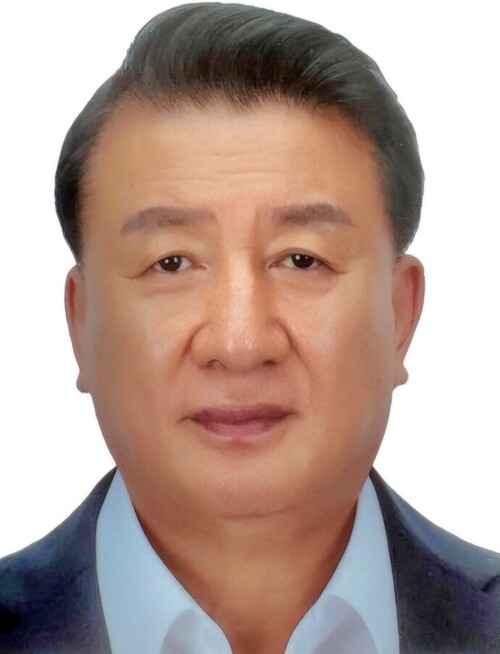
▲ 카마네(Camané) 이미지 출처: 공식 사이트 © |
가슴으로 듣는 Playlist: (65) 카마네(Camané) ― 나는 어떤 강을 알고 있다(Sei de Um Rio)
-이일영 칼럼니스트
저작권이라는 엄연한 울타리에 기록될 수 없는 노래를 기록하려 노력하면서 지워질 수 없는 글로 위안을 삼는다. 포르투갈 파두(Fado)는 '운명'이라는 뜻을 품고 있다. 그 운명은 체념이 아니라 삶의 무게를 견디는 아픔 속에서 피어나는 소리다. 이와 같은 소리의 가장 깊은 물결을 이어 온 목소리 파두의 거장 카마네(Camané)가 부르는 ‘나는 어떤 강을 알고 있다(Sei de Um Rio)’는 한 인간이 운명을 흐르는 독백처럼 들린다.
카마네 가수는 태생적으로 파두와 함께하였다. 1966년 리스본 외곽의 도시 오에이라스에서 태어난 그는 어린 시절 병상에서 우연히 부모가 애장한 음반을 펼쳐 들었을 때 그의 귀에 닿은 첫 이름들은 아말리아 호드리게스, 루실리아 두 카르무, 마르세네이루와 같은 파두의 거장들이었다. 그는 여덟 살 때에 부모 몰래 기타리스트를 찾아가 페르난도 마우리시오의 노래를 불렀던 순간부터 운명의 파두와 동행하였다.
13살 때에 파두 가수 등용문 ‘리스본 파두의 밤’에서 우승한 이후 그는 자기 목소리로 운명의 강을 건너기 시작했다. 나아가 그는 자신이 어린 시절 겪은 병마의 통증과 성장하면서 만나게 된 다양한 삶의 파열음을 바탕으로 파두의 감정적 문법을 다시 쓴 인물이었다. 그의 스승이며 동반자로 불린 음악가 조제 마리우 브랑쿠는 그의 목소리에는 말로 설명되지 않는 진실이 담겨있다고 말하였다.
이처럼 카마네의 파두는 슬픔을 노래하지만, 그 통증의 무게를 견딜 수 있게 하는 위로와 치유의 감성을 담아낸다. 나는 어떤 강을 알고 있다’라는 노래가 탄생한 이야기는 길다. 세기의 유명 작곡가 알랭 울만이 만든 노래였지만, 카세트테이프 속에 운명처럼 숨어 있었던 노래가 카마네의 귀를 만나 비로소 영혼의 노래가 되었다.
카마네(Camané) ― 나는 어떤 강을 알고 있다(Sei de Um Rio) 유튜브 링크
https://youtu.be/zFGlVGxk8mE?si=kuGehExTCPcuBta-
포르투갈 파두 역사상 대표적인 작곡가 중 한 명인 알랭 울만(1928~1990)은 파두의 여왕 아말리아 호드리게스와 동행하며 파두 음악사의 전설을 써 내렸다. 노래 가사는 포르투갈의 저명한 시인 페드루 오멘 드 멜루(1904~1984)의 시였다 .
카마네는 과거의 유산을 지키는 데 머물지 않았다. 마르세네이루의 유산을 이어받아 전통의 호흡을 배웠으며 동시에 그 전통을 가볍게 소비되는 향수로 만들지 않기 위해 늘 새로운 리듬과 어법으로 파두의 가능성을 확장해 왔다.
마르세네이루는 시를 이야기하는 방식으로 파두를 혁명적으로 변화시킨 작곡가였다. 기존의 파두 선율 위에 자신만의 독특한 해석과 즉흥적 변형을 얹어낸 에스틸라르(estilar) 기법으로 가사의 의미와 감정에 따라 선율을 유연하게 변화시키는 새로운 파두 역사를 탄생시킨 인물이다. 카마네는 이러한 바탕에서 악기 소리에 기대지 않고 자신의 숨결로 강물의 너비와 수심을 재는 노래를 추구하였다. artwww@naver.com
#Fado #카마네 #Camané #나는어떤강을알고있다 #SeideUmRio #파두 #이일영칼럼 #가슴으로듣는Playlist
필자: 이일영
KOREA ART CENTER 관장. 칼럼니스트. 시인).
*아래는 위 기사를 '구글 번역'으로 번역한 영문 기사의 [전문]입니다. '구글번역'은 이해도 높이기를 위해 노력하고 있습니다. 영문 번역에 오류가 있을 수 있음을 전제로 합니다.<*The following is [the full text] of the English article translated by 'Google Translate'. 'Google Translate' is working hard to improve understanding. It is assumed that there may be errors in the English translation.>
 ▲ 필자: 이일영 ©이일영 칼럼니스트 |
Playlist Heard with the Heart: (65) Camané ― I Know a River (Sei de Um Rio)
- Columnist Lee Il-young
While striving to record songs that cannot be confined within the strict boundaries of copyright, I find solace in indelible words. Portuguese Fado carries the meaning of "fate." That fate is not resignation, but a sound that blossoms amidst the pain of enduring the weight of life. "I Know a River (Sei de Um Rio)," sung by Camané—a master of Fado whose voice has carried on the deepest waves of such sound—sounds like a monologue of a human being flowing through fate.
Singer Camané was born with Fado. Born in 1966 in Oeiras, a city on the outskirts of Lisbon, the first names that reached his ears when he happened to open a record cherished by his parents while on his sickbed as a child were those of Fado masters such as Amália Rodrigues, Lucilia do Carmo, and Marseneiro. He has been accompanied by the Fado of his destiny since the moment he secretly sought out a guitarist and sang a song by Fernando Mauricio at the age of eight.
After winning the "Lisbon Fado Night," a gateway for Fado singers, at the age of 13, he began to cross the river of destiny with his own voice. Furthermore, he was a figure who rewrote the emotional grammar of Fado based on the pain of the illness he suffered in his childhood and the various dissonances of life he encountered as he grew up. The musician José Mário Branco, who was called his mentor and companion, said that his voice contained a truth that could not be explained in words.
In this way, Camane's Fado sings of sorrow, but it also embodies a sensibility of comfort and healing that enables one to endure the weight of that pain. The story behind the birth of the song "I Know a River" is long. Although it was a song created by the famous composer of the century, Alain Ullmann, it remained hidden like fate within a cassette tape until it met Camané's ears, finally becoming a song of the soul.
Camané ― I Know a River (Sei de Um Rio) YouTube Link
https://youtu.be/zFGlVGxk8mE?si=kuGehExTCPcuBta-
Alain Ullmann (1928–1990), one of the representative composers in the history of Portuguese Fado, accompanied the Queen of Fado, Amália Rodrigues, and wrote a legend in the history of Fado music. The lyrics were based on a poem by the renowned Portuguese poet Pedro Omén de Mello (1904–1984).
Camané did not stop at merely preserving the legacy of the past. Inheriting the legacy of Marseneiro, he learned the breath of tradition, while simultaneously expanding the possibilities of Fado with new rhythms and idioms to ensure that this tradition would not be reduced to a fleeting, consumed nostalgia.
Marseneiro was a composer who revolutionized Fado by telling stories through poetry. He was a figure who created a new history of Fado by employing the estilar technique—layering his own unique interpretations and improvisational variations over existing Fado melodies—to flexibly alter melodies according to the meaning and emotions of the lyrics. Building upon this foundation, Camané pursued songs that measured the width and depth of the river with his own breath, rather than relying on the sound of instruments. artwww@naver.com
#Fado #Camané #IKnowARiver #SeideUmRio #Fado #LeeIlYoungColumn #PlaylistHeardWithTheHeart
Author: Lee Il-young
Director of KOREA ART CENTER. Columnist. Poet.