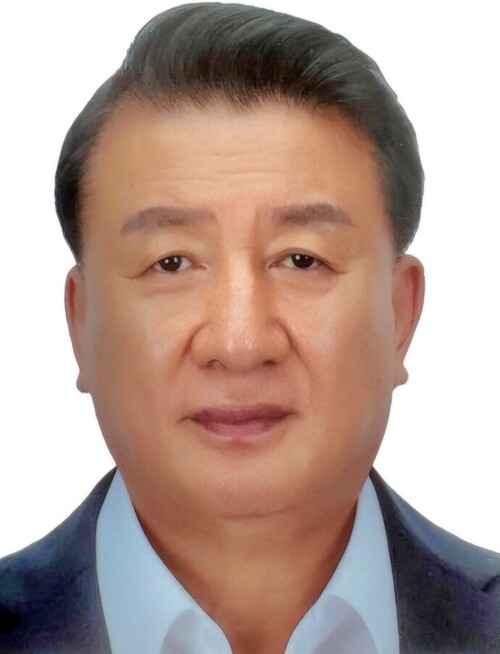
▲ 필자/김정기, 김대중 전 대통령 청와대 수행부장. ©브레이크뉴스 |
1980년대 초, 권위주의 군사정권 시절 한국 프로야구는 출범했다. 자유는 억압되고, 언론은 통제되었으며, 정치는 지역을 나누는 방식으로 국민을 갈라 세웠다. 영남과 호남이라는 이름 아래 지역 감정은 의도적으로 자극되고 확대되었다. 그 시절의 야구장은 단순한 스포츠 공간이 아니었다. 해태 타이거즈와 삼성 라이온즈의 경기가 열리는 날이면, 경기장은 사실상 또 하나의 ‘전선’이 되곤 했다.
홈팀을 향한 일방적인 응원, 원정팀을 향한 거친 야유와 비난은 일상이었다. 패배한 날이면 분노는 더욱 거칠어졌다. 관중이 경기장에 오물을 던지고, 난입하여 경기를 중단시키는 일까지 벌어졌다. 심지어 원정팀 버스의 이동을 막고 차량을 파손하는 일도 적지 않았다. 그때의 야구는 승부 이상의 것이었다. 그 안에는 당시 사회의 분열과 갈등, 그리고 권위주의 독재 정치가 만들어 낸 지역주의의 그림자가 고스란히 담겨 있었다.
그러나 시간이 흘렀다. 민주화가 이루어지고, 정권이 교체되며 사회는 점차 성숙해졌다. 지역주의도 서서히 완화되기 시작했다. 그 변화는 야구장에서 먼저 드러났다. 오늘날의 프로야구는 완전히 달라졌다. 상대 팀을 존중하는 응원
문화가 자리 잡았고, 멋진 플레이에는 팀을 가리지 않고 박수가 쏟아진다. 승패를 넘어 스포츠 그 자체를 즐기는 문화가 형성되었다. 이제 한국 프로야구는 세계 스포츠 구단들이 벤치마킹할 정도로 독특하고 성숙한 문화를 가진 ‘국민 스포츠’가 되었다. 야구장은 우리 사회의 축소판이다. 과거의 야구장이 분열과 대립의 상징이었다면, 오늘의 야구장은 존중과 공존의 공간이 되었다.
이는 단순한 스포츠 문화의 변화가 아니라 민주주의가 사회에 뿌리내리면서 나타난 변화다. 그렇다면 우리는 묻지 않을 수 없다. 정치는 과연 야구장만큼 성숙해졌는가. 여전히 우리 정치에는 ‘너와 나’의 경계가 뚜렷하다. 상대를 인정하기보다 배제하고, 설득하기보다 공격하며, 공존하기보다 승패에 집착하는 모습이 반복되고 있다. 마치 과거의 야구장처럼 말이다.
이제 정치가 배워야 할 곳은 멀리 있지 않다. 바로 우리의 야구장이다. 상대를 존중하는 태도, 좋은 플레이에는 아낌없이 박수를 보내는 여유, 승패를 넘어 함께 즐기는 공동체 의식. 이것이 오늘의 야구가 우리에게 보여주는 민주주의다. 정치가 그 수준에 이르지 못한다면, 그것은 국민이 뒤처진 것이 아니라 정치가 뒤처진 것이다. 야구는 변했다. 이제는 정치가 변해야 한다. pss2242@naver.com
*필자/김정기
청와대 대통령(김대중 대통령) 수행부장. 대통령직속 국민통합위원회 정치갈등 해소분과 위원장. 칼럼니스트.
*아래는 위 기사를 '구글 번역'으로 번역한 영문 기사의 [전문]입니다. '구글번역'은 이해도 높이기를 위해 노력하고 있습니다. 영문 번역에 오류가 있을 수 있음을 전제로 합니다.<*The following is [the full text] of the English article translated by 'Google Translate'. 'Google Translate' is working hard to improve understanding. It is assumed that there may be errors in the English translation.>
Applause for Great Plays... Democracy and Politics Learned at the Baseball Stadium
-Columnist Kim Jeong-gi
Korean professional baseball was launched in the early 1980s during the era of the authoritarian military regime. Freedom was suppressed, the press was controlled, and politics divided the nation by dividing regions. Regional animosity was intentionally incited and amplified under the names of Yeongnam and Honam. The baseball stadiums of that era were not merely spaces for sports. On days when the Haitai Tigers and the Samsung Lions played, the stadium would effectively become another "front line."
One-sided cheering for the home team and harsh jeers and criticism directed at the visiting team were commonplace. On days of defeat, the anger became even more ferocious. Spectators threw garbage onto the field and even stormed the stadium to stop the game. It was not uncommon for them to block the visiting team's bus and vandalize the vehicle. Baseball at that time was more than just a competition. It contained within it the division and conflict of the society at the time, as well as the shadow of regionalism created by the authoritarian dictatorship.
Applause for Great Plays... Democracy and Politics Learned at the Baseball Stadium
= Columnist Kim Jeong-gi
In the early 1980s, professional baseball in Korea was launched during the authoritarian military regime. However, time passed. As democratization was achieved and regimes changed, society gradually matured. Regionalism also began to slowly ease. This change first manifested itself in the baseball stadium. Today's professional baseball is completely different. A cheering culture that respects the opposing team has taken root, and spectacular plays are met with applause regardless of the team. A culture has formed where people enjoy the sport itself, beyond winning or losing. Now, Korean professional baseball has become a "national sport" with a unique and mature culture that sports clubs around the world benchmark. The baseball stadium is a microcosm of our society. If the stadiums of the past were symbols of division and confrontation, today's stadiums have become spaces of respect and coexistence.
This is not merely a change in sports culture, but a transformation that emerged as democracy took root in society. If so, we cannot help but ask: Has politics truly matured as much as the baseball stadium? In our politics, the boundaries between "you and me" remain distinct. We continue to see a pattern of excluding opponents rather than acknowledging them, attacking rather than persuading, and obsessing over winning or losing rather than coexisting. Just like the baseball stadiums of the past. The place where politics needs to learn is not far away. It is right here in our baseball stadium. An attitude of respect for opponents, the generosity to applaud generously for good plays, and a sense of community that enjoys the game together beyond winning or losing. This is the democracy that today's baseball demonstrates to us. If politics fails to reach that level, it is not the people who have fallen behind, but politics itself. Baseball has changed. Now, politics must change. pss2242@naver.com
*Author/Kim Jeong-gi
Chief of Staff to the President (President Kim Dae-jung) at the Blue House. Chairman of the Political Conflict Resolution Subcommittee of the Presidential Committee for National Unity. Columnist.