국민의힘이 가장 중요한 두 카드를 스스로 내려놓았다. 이정현 공천관리위원회는 대구시장 선거에서 주호영과 이진숙을 동시에 컷 오프했다. 대신 6인 경선이라는 구도를 택했다. 그러나 지금 대구 선거의 본질은 경선 흥행이 아니라 본선 승부다. 김부겸이라는 대선급 인물이 등판한 순간, 이번 선거는 이미 ‘관리 가능한 경쟁’이 아니라 ‘반드시 이겨야 하는 전쟁’으로 바뀌었다. 그럼에도 이길 수 있는 카드부터 걷어낸 이번 결정은 전략이라기보다 승부를 스스로 좁힌 선택에 가깝다.
대구 선거는 더 이상 지방선거가 아니다. 보수 정치의 마지막 축을 지켜내느냐의 문제다. 김부겸은 대구에서 국회의원에 당선된 경험을 가진 데다 국무총리를 지낸 전국급 정치인이다. 지역 기반과 전국 인지도를 동시에 갖춘 상대다. 이 변수 하나로 선거의 무게중심은 이미 이동했다. 이번 선거는 지역 경쟁이 아니라 정치 질서의 균형을 가르는 시험대다.
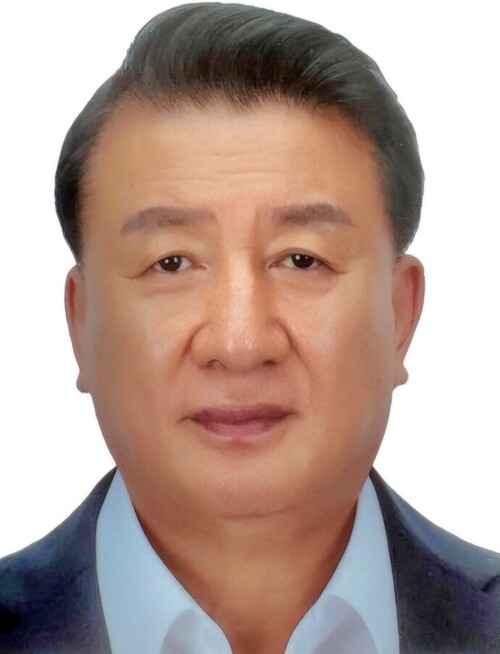
 ▲ 주호영 국민의힘. 의원. ©뉴시스 |
 ▲ 이진숙 전 방송통신위원장. ©뉴시스 |
공관위는 “특정인을 배제한 것이 아니다”라고 설명했다. 그러나 이 해명은 책임 회피에 가깝다. 유권자가 보는 것은 절차가 아니라 결과다. 왜 하필 이 두 사람이 빠져야 했는지에 대한 납득 가능한 설명은 끝내 제시되지 않았다. 공정성을 말하려면 최소한 상식적 기준과 일관성이 있어야 한다. 지금의 공천은 그 기준조차 무너뜨렸다.
6파전은 경쟁이 아니라 분산이다. 표는 쪼개지고, 인물의 체급은 희석된다. 문제는 이것이 우연이 아니라는 점이다. 이정현 공관위는 승부의 무게를 낮춘 판을 의도적으로 만들었다. 경선을 관리하려다 선거 자체를 가볍게 만든 것이다. 이름만 늘려놓고 책임은 분산시키는 방식, 이것이 지금 공천의 본질이다. 전략은 사라지고 정치공학만 남았다.
현재 구도에서 본선 경쟁력을 냉정하게 따져보면 한계는 분명하다.
유영하는 상징성은 있으나 그것이 곧 광역단체를 이끌 정치력으로 이어지지는 않는다. 전국 단위 선거 경험도 없다. 최은석 역시 기업 경영 경험은 장점일 수 있지만, 공공 행정과 정치적 확장성은 전혀 다른 영역이다. 검증되지 않은 행정 역량으로는 김부겸과 같은 중량급 정치인을 상대하기 어렵다.
추경호와 윤재옥은 관료형 정치인의 한계를 벗어나지 못한다. 다선 경력은 갖췄지만 그것이 곧 돌파력이나 확장성을 의미하지는 않는다. 안정적 관리에는 익숙할지 몰라도, 불리한 판을 뒤집는 정치력은 전혀 다른 차원의 능력이다. 결국 이번 경선은 ‘누가 더 강한가’가 아니라 ‘누가 덜 약한가’를 가리는 수준으로 전락할 가능성이 크다.
문제는 후보 개인이 아니라 구도다. 이정현 공관위가 ‘이길 수 있는 구도’가 아니라 ‘통제하기 쉬운 구도’를 선택한 결과다. 선거는 관리의 대상이 아니다. 승부의 대상이다. 그런데 이번 공천은 노골적으로 관리의 논리를 앞세웠다. 승리를 포기하지 않고서는 나올 수 없는 결정이다.
선거는 체급 싸움이다. 김부겸은 이미 체급이 검증된 정치인이다. 이와 맞서기 위해서는 같은 수준의 경험과 정치적 확장성을 갖춘 인물이 필요하다. 그 기준에서 보면 답은 분명하다. 주호영이다.
리더십 이론으로 보더라도 결론은 같다. 베버의 권위, 번스의 변혁적 리더십, 배스의 신뢰 기반 리더십, 헌팅턴이 말한 제도 안정성을 동시에 구현할 수 있는 인물은 극히 드물다. 주호영은 이 네 요소를 현실 정치에서 구현해온 몇 안 되는 정치인이다. 그는 단순한 중진이 아니라 제도를 이해하고 갈등을 조정하며 신뢰를 기반으로 영향력을 행사하는 정치인이다. 대구시장은 행정과 정무를 동시에 요구하는 자리다. 이 무게를 감당할 수 있는 인물은 많지 않다.
그럼에도 이정현 공관위는 이 카드를 잘라냈다. 이것은 단순한 판단 미스가 아니다. 정치적 무능이다. 승부를 읽지 못했고, 읽으려 하지도 않았다. 선거를 이길 생각이 있었다면 결코 내릴 수 없는 결정이다.
더 문제는 책임의식의 부재다. 결과가 어떻게 나오든 “공정한 공천이었다”는 말로 넘어가겠다는 태도다. 그러나 정치에서 결과는 곧 책임이다. 패배하면 그 모든 책임은 결국 공천을 설계한 사람에게 돌아간다.
이번 공천은 명백히 잘못됐다. 전략은 없고 감정만 있었고, 승부는 없고 관리만 있었다. 이정현 공관위는 선거를 설계한 것이 아니라 리스크를 분산시켰을 뿐이다. 그러나 정치에서 리스크를 분산시키는 순간, 승리도 함께 사라진다.
대구는 더 이상 안전지대가 아니다. 공천은 인사가 아니라 전쟁 계획이다. 그 계획이 이처럼 허술하다면 결과는 이미 예고된 것이나 다름없다. 이길 수 있는 카드를 스스로 걷어낸 순간, 패배는 현실이 된다. Jeongkeekim@naver.com
*필자/김정기
 ▲ 필자/김정기 칼럼니스트. ©브레이크뉴스 |
● 학력
- 뉴욕주립대학교(Stony Brook) 정치학과 수석 졸업
- 마케트대학교(Marquette) 로스쿨 법학박사
- 하버드대학교(Harvard) 케네디스쿨 최고위 과정
- 베이징대학교(Peking) 북한학 연구학자
● 경력
- 세계스마트시티기구(WeGO) 사무총장 (현)
- 유엔 국제전기통신연합 (UN ITU) 가상세계 및 AI 글로벌 이니셔티브 집행위원(현)
- 법무법인 대륙아주 중국 총괄 미국변호사
- 동국대학교 경영전문대학원 석좌교수
- 숭실사이버대학교 총장
- 칼럼니스트
● 저서
1. 대학생을 위한 거로영어연구[전 10권](거로출판사)
2. 나는 1%의 가능성에 도전한다(조선일보사)
3. 한국형 협상의 법칙(청년정신사)
4. 대한민국과 세계 이야기 (도서출판 책미듬)
5. Korea and the World (Advance Reader Copy).
*아래는 위 기사를 '구글 번역'으로 번역한 영문 기사의 [전문]입니다. '구글번역'은 이해도 높이기를 위해 노력하고 있습니다. 영문 번역에 오류가 있을 수 있음을 전제로 합니다.<*The following is [the full text] of the English article translated by 'Google Translate'. 'Google Translate' is working hard to improve understanding. It is assumed that there may be errors in the English translation.>
Daegu Mayoral Nomination: Why Discarded Winning Cards? "Why the Simultaneous Cut-off of Joo Ho-young and Lee Jin-sook?"
- Columnist Kim Jung-ki
The People Power Party has voluntarily laid down its two most important cards. The Nomination Management Committee led by Lee Jung-hyun simultaneously cut off Joo Ho-young and Lee Jin-sook from the Daegu mayoral election. Instead, they opted for a six-candidate primary. However, the essence of the current Daegu election is not the excitement of the primary, but the showdown in the main election. The moment a presidential-caliber figure like Kim Boo-kyum entered the race, this election transformed from a "manageable competition" into a "war that must be won." Nevertheless, this decision to remove the winning cards first is closer to a choice that narrows the gap for the party itself than a strategy.
The Daegu election is no longer a local election. It is a matter of whether the last pillar of conservative politics can be defended. Kim Boo-kyum is a national-level politician who has served as Prime Minister and has experience being elected as a National Assembly member in Daegu. He is an opponent who possesses both a regional base and national recognition. This single variable has already shifted the center of gravity of the election. This election is not a regional competition, but a test of the balance of the political order.
The Nomination Committee explained, "We did not exclude specific individuals." However, this explanation is closer to an evasion of responsibility. What voters see is the result, not the procedure. A convincing explanation as to why these two people in particular had to be excluded was never presented. To speak of fairness, there must be at least common-sense standards and consistency. The current nomination process has destroyed even those standards.
A six-way race is not competition, but dispersion. Votes are split, and the stature of the candidates is diluted. The problem is that this is not a coincidence. The Lee Jung-hyun Nomination Committee intentionally created a game where the weight of the contest is lowered. In an attempt to manage the primary, they have made the election itself lighter. A method of merely increasing the number of names while dispersing responsibility—this is the essence of the current nomination process. Strategy has vanished, leaving only political engineering.
If we coldly assess competitiveness in the general election under the current structure, the limitations are clear.
While they possess symbolic significance, this does not automatically translate into the political power to lead a metropolitan government. They also lack experience in nationwide elections. Similarly, while Choi Eun-seok’s corporate management experience may be an advantage, public administration and political scalability are entirely different domains. It is difficult to compete against heavyweight politicians like Kim Boo-kyum with unproven administrative capabilities.
Choo Kyung-ho and Yoon Jae-ok fail to transcend the limitations of bureaucratic politicians. Although they possess multi-term experience, this does not equate to breakthrough power or scalability. They may be accustomed to stable management, but the political ability to turn a tide in an unfavorable situation is a capability of a completely different dimension. Ultimately, it is highly likely that this primary will degenerate into a contest of "who is less weak" rather than "who is stronger."
The problem is not the individual candidates, but the political landscape. This is the result of the Lee Jung-hyun Nomination Committee choosing a "structure that is easy to control" rather than a "structure that can be won." Elections are not subjects of management; they are subjects of competition. However, this nomination process blatantly prioritized the logic of management. It is a decision that could not have been made without giving up on victory. Elections are a battle of weight classes. Kim Boo-kyum is a politician whose stature has already been proven. To counter him, a figure with the same level of experience and political scalability is required. By that standard, the answer is clear: Joo Ho-young.
Even from the perspective of leadership theory, the conclusion is the same. It is extremely rare to find a figure who can simultaneously embody Weber's authority, Burns' transformational leadership, Bass's trust-based leadership, and the institutional stability described by Huntington. Joo Ho-young is one of the few politicians who has implemented these four elements in real-world politics. He is not merely a veteran politician, but a politician who understands institutions, mediates conflicts, and exercises influence based on trust. The position of Mayor of Daegu demands both administrative and political responsibility. There are few individuals capable of bearing this weight.
Nevertheless, the Lee Jung-hyun Nomination Committee cut this card. This is not a simple misjudgment; it is political incompetence. They failed to read the outcome, and they did not even attempt to read it. It is a decision they could never have made if they had intended to win the election.
The bigger problem is the lack of a sense of responsibility. Their attitude is to gloss over the outcome by claiming that "it was a fair nomination," regardless of the result. However, in politics, results equate to responsibility. If defeated, all responsibility ultimately falls on the person who designed the nomination process.
This nomination was clearly flawed. There was no strategy, only emotion; there was no competition, only management. The Lee Jung-hyun Nomination Committee did not design the election; they merely diversified the risk. However, in politics, the moment risk is diverted, victory vanishes along with it.
Daegu is no longer a safe zone. Nominations are not merely personnel matters; they are war plans. If that plan is this sloppy, the outcome is practically a foregone conclusion. The moment they themselves discarded the cards that could have led to victory, defeat becomes reality. Jeongkeekim@naver.com
*Author/Kim Jeong-ki
● Education
- Graduated with honors from the Department of Political Science, State University of New York (Stony Brook)
- Juris Doctor from Marquette Law School
- Executive Program at Harvard Kennedy School
- North Korean Studies Scholar at Peking University
● Career
- Secretary General of the World Smart Cities Organization (WeGO) (Current)
- Executive Committee Member for the Global Initiative on Virtual Worlds and AI, United Nations International Telecommunication Union (ITU) (Current)
- US Attorney General for China at Daeryuk Aju Law Firm
- Distinguished Professor, Graduate School of Business, Dongguk University
- President, Soongsil Cyber University
- Columnist
● Publications
1. Georo English Research for University Students [10 Volumes] (Gero Publishing)
2. I Challenge the 1% Possibility (Chosun Ilbo)
3. Korean-style Negotiation The Law (Cheongnyeonjeongsinsa)
4. The Story of Korea and the World (Chaekmideum Publishing)
5. Korea and the World (Advance Reader Copy).