필자는 30년째 주간신문-인터넷신문 등, 언론 산업에서 종사해왔다. 언론 경영인의 입장에서 이 글을 쓴다.
그간 우리 정부는 북한 언론-방송의 자유로운 구독(購讀)이나 시청(視聽)을 금기시(禁忌視) 해왔다. 북한산 출판물의 수입도 막았었다. 그런데, 남한이 먼저, 남한 국민들로 하여금 북한 방송을 자유로이 시청-청취하도록 개방하면, 어떠할까?
우리 정부가 지난해(2025년) 말 북한의 로동신문을 읽거나 복사할 수 있는 자유를 주었음에도 그 후유증이 발견되지 않는다. 북한의 로동신문은 국회 도서관 등에 배치돼 이 뉴스-정보에 대해서 자유롭게 자신의 견해를 발표할 수 있게 됐다. 북한의 정부기관지인 로동신문 정도에 우리 국민들이 세뇌(洗腦)되거나 흔들리지 않았다. 국민의 민도(民度)가 그만큼 성숙돼 있다는 반증(反證)이다.
 ▲ 남산타워 안테나. 이 안테나를 통해 북한방송의 전파를 자유로이 날린다면? ©브레이크뉴스 |
우리나라(대한민국)는 북한보다 앞서, 북한의 주요 매체의 단계적인 개방을 추진하고 있다. 매체의 종류와 형태(종이 신문 vs 온라인 웹사이트)에 따라 개방 시점과 범위가 다르다. 북한 로동신문(종이 신문)을 우리 정부가 개방한 때는 지난 2025년 12월 30일이었다. 1970년부터 '특수자료'로 분류되어 열람이 엄격히 제한되었던 로동신문이 55년 만에 일반자료로 재분류된 것. 이제 일반 국민도 별도의 신분 확인이나 신청서 작성 없이 통일부 북한자료센터, 국립중앙도서관, 국회도서관 등 전국 181개 지정 기관에서 자유롭게 읽고 복사할 수 있다. 북한 로동신문 읽기가 해금(解禁)된 것. 반면, 북한 로동신문 누리집을 포함한 조선중앙통신 등 60여 개 북한 운영 웹사이트는 정보통신망법에 따라 여전히 국내 접속이 차단돼 있다.
정부는 온라인 매체에 대해서도 단계적으로 접속 제한을 해제할 계획을 밝히고 관련 법률 개정을 검토하고 있는 것으로 전해진다. 우리나라는 윤석열 정부 때부터 '남북 방송 상호 개방'을 국정과제로 추진됐다. 현재까지 일반 가정에서 북한 TV 방송을 직접 시청하는 것은 기술적·법적 논의 단계에 머물러 있다. 그 개방 시기가 언제인지? 그 시기가 구체적으로 특정(特定)되진 않았으나, 가까운 시기 내에 미개방의 빗장이 풀릴 가능성이 있다.
동서독의 예를 들면, 동서독은 분단국가(1949-1990)로 있다가 독일-한 국가로 통일된 나라인데, 서독은 분단 기간 내에 동독의 방송을 인위적으로 차단하거나 금지하지 않았다. 별도의 '개방' 시점을 특정하기보다는, 서독 정부가 동독 방송의 수신을 시종일관 허용했다는 점이 핵심이다. 서독은 동독 언론에 대해 개방 정책을 유지했었다. 자유 수신 원칙을 고수했다. 서독 정부는 동독의 선전 방송을 법적으로 금지하거나 전파 방해를 하지 않았다. 동독이 서독 방송 시청을 단속하고 전파 방해를 시도했던 것과 달리, 서독은 동독 방송에 대해 전면 개방된 상태를 유지했다.
동서독 간은 1972년 체결된 '동·서독 기본조약'이 1973년부터 발효되자, 양국 간 공식적인 방송 교류가 시작됐다. 이 조약을 통해 서독 언론사가 동독에 특파원을 파견하여 취재하고 보도할 수 있는 제도적 기반이 마련됐다. 서독의 이러한 언론 개방 정책에 대해, 동독은 처음에는 서독 방송 시청을 강력히 단속했으나, 기술적 한계와 주민들의 반발로 인해 1970년대 이후 사실상 시청을 허용하게 됐다. 서독 방송은 동독 주민들에게 외부 세계의 정확한 정보를 전달하는 창구 역할을 했다. 이는 1989년 평화 혁명과 독일 통일의 결정적인 동력이 됐다.
우리나라도 북한 언론에 대한 개방을 서두르면 어떠할까? 로동신문 읽기의 허용이 이뤄진 만큼, 내친김에 북한방송의 자유롭게 시청(視聽)할 수 있었으면 한다.
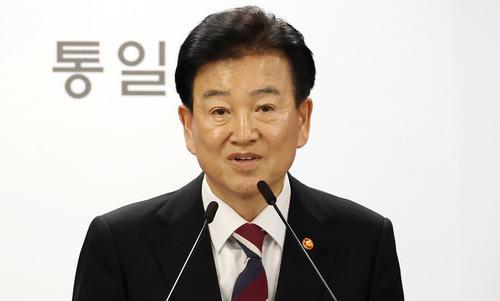
정동영 통일부 장관은 지난 SNS 저널인 페이스북 3월22일치에 게재한 글에서 “2005년 통일부장관으로서 가장 의미 있는 일을 꼽자면 개성공단을 연 것이었다. 그리고 국회를 도와 남북관계 발전법을 통과시킨 일이다. 냉전시대 국가보안법, 교류협력법 시대를 넘어 남북관계를 법과 제도적으로 뒷받침하는 ‘남북관계 발전법’시대가 시작된 것이었다. 그러나 20년이 지난 오늘, 남북관계는 다시 폐허가 되어버렸다. 수십 년간 우리를 떠받쳐 왔던 기본 원칙도 흔들리고 있다. 남북관계발전법 제2조에는 ‘남북관계 발전은 자주·평화·민주 원칙에 입각해서 추진한다’고 명시돼 있다.”면서 “지금 이재명 정부의 국정과제에는 남북 관계에 관한 기본 협정 체결이 들어 있다. 노태우 정부 시절인 1991년, 남북은 기본 합의서를 체결했다. 이 기본 합의서가 대한민국과 조선민주주의인민공화국 간의 기본 협정으로 발전될 수 있다면, 변화된 국제 정세 아래서 남북관계 발전은 물론 동북아시아의 평화와 안정에 기여하게 될 것이라고 생각한다”고 강조했다.
정동영 장관은 이 글에서 “우리의 목표는 ‘평화 공존 그 자체’이다. 평화 공존을 수단으로 해서 상대를 어떻게 해 보겠다는 생각은 우리 정책 안에 아예 존재하지 않는다. 현실을 있는 그대로 인정하고 상대방의 입장을 최대한 존중하면서 그 안에서 현실적인 방안을 찾아가고자 한다”고 피력하면서 “1972년 동서독 기본 조약의 정식 명칭은 ‘독일 연방 공화국과 독일 민주 공화국의 관계에 관한 조약’이다. 독일 사람들은 상호 주권, 그리고 국가성을 인정하고 존중하는 가운데서, 특수 관계 속에서의 민족 내부 거래라는 경제적 이익을 공유하는 이중적 원칙을 통해서 명분과 실리를 모두 챙기는 실용적인 모습을 보였다.“고 덧붙였다.
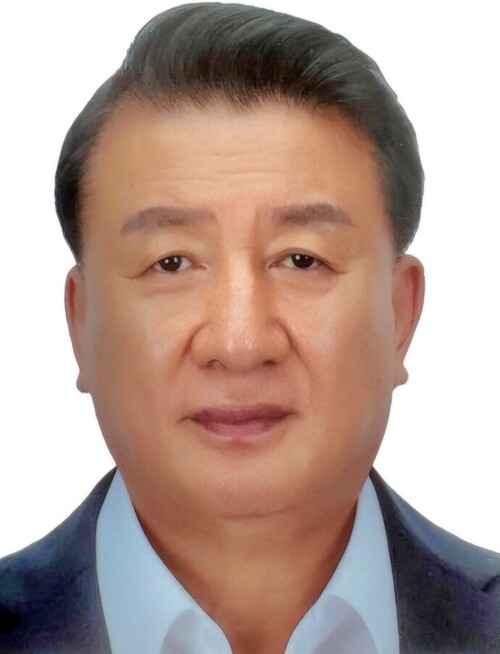
 ▲필자/문일석. 시인. 신문사(본지) 발행인. ©브레이크뉴스 |
우리 정부가 북한 방송의 자유로운 시청권을 허용한다면, 새로운 채널 하나가 생기는 개념(槪念)이 있다. 우리나라는 올해 포브스지가 선정한 세계 강한 나라 6위국가이다. 그런 만큼, 북한 언론의 세뇌에 무너진 나약한 국가-국민이 아닐 것이다. 동서독 분단시기, 서독의 언론개방 정책을 벤치마킹할 때이다. 남북한 언론의 획기적인 교류(交流)를, 이재명 정권에 기대한다. moonilsuk@naver.com
*필자/문일석. 시인. 신문사(본지) 발행인.
*아래는 위 기사를 '구글 번역'으로 번역한 영문 기사의 [전문]입니다. '구글번역'은 이해도 높이기를 위해 노력하고 있습니다. 영문 번역에 오류가 있을 수 있음을 전제로 합니다.<*The following is [the full text] of the English article translated by 'Google Translate'. 'Google Translate' is working hard to improve understanding. It is assumed that there may be errors in the English translation.>
“Watching North Korean Broadcasts”... What If We Immediately Allowed Free Viewing of North Korean Broadcasts?
[Essay-style Approach] I have been working in the media industry, including weekly and online newspapers, for 30 years... I write this article from this perspective!
- Moon Il-suk, Publisher of the Newspaper (This Publication)
I have worked in the media industry, including weekly and online newspapers, for 30 years. I am writing this article from the standpoint of a media executive.
Until now, our government has treated the free subscription to or viewing of North Korean media as taboo. It also blocked the import of North Korean publications. However, what if South Korea were to take the initiative and open up the system to allow its citizens to freely listen to North Korean broadcasts?
Although our government granted the freedom to read or copy North Korea's Rodong Sinmun at the end of last year (2025), no aftereffects have been observed. North Korea’s Rodong Sinmun has been distributed to places like the National Assembly Library, allowing people to freely express their views on this news and information. Our citizens were not brainwashed or swayed by the Rodong Sinmun, the official organ of the North Korean government. This is proof that the level of civility among the people has matured to that extent.
Our country (the Republic of Korea) is pursuing the phased opening of North Korea's major media outlets ahead of North Korea. The timing and scope of the opening vary depending on the type and form of the media (paper newspapers vs. online websites). The South Korean government opened access to the North Korean Rodong Sinmun (paper newspaper) on December 30, 2025. This marked the reclassification of the Rodong Sinmun as general material for the first time in 55 years, after it had been classified as "special material" and strictly restricted from viewing since 1970. Now, ordinary citizens can freely read and copy the North Korean materials at 181 designated institutions nationwide, including the Ministry of Unification's North Korea Data Center, the National Library of Korea, and the National Assembly Library, without separate identity verification or the need to fill out application forms. This effectively lifts the ban on reading North Korea's Rodong Sinmun. On the other hand, domestic access to approximately 60 North Korean websites, including the Rodong Sinmun website and the Korean Central News Agency, remains blocked under the Information and Communications Network Act.
It is reported that the government has announced plans to gradually lift access restrictions on online media as well and is reviewing amendments to relevant laws. South Korea has pursued the "mutual opening of inter-Korean broadcasting" as a national agenda since the Yoon Suk-yeol administration. To date, direct viewing of North Korean TV broadcasts in ordinary households remains at the stage of technical and legal discussions. When will this opening take place? Although the specific timing has not been determined, there is a possibility that the barriers to non-opening will be lifted in the near future. Taking East and West Germany as an example, they were divided nations (1949–1990) before being unified into a single German state; however, West Germany did not artificially block or ban East German broadcasts during the period of division. Rather than specifying a particular point in time for "opening," the key point is that the West German government consistently allowed the reception of East German broadcasts. West Germany maintained an open policy toward the East German press and adhered to the principle of free reception. The West German government did not legally ban East German propaganda broadcasts or jam their signals. Unlike East Germany, which cracked down on the viewing of West German broadcasts and attempted to jam signals, West Germany maintained a state of complete openness regarding East German broadcasts.
Official broadcasting exchanges between the two countries began in 1973, following the entry into force of the Basic Treaty between East and West Germany, which was signed in 1972. This treaty established an institutional foundation that allowed West German media outlets to dispatch correspondents to East Germany to cover and report on events. In response to West Germany's policy of opening up the media, East Germany initially strictly cracked down on the viewing of West German broadcasts; however, due to technical limitations and public backlash, it effectively allowed viewing after the 1970s. West German broadcasts served as a channel for delivering accurate information about the outside world to East German residents. This became a decisive driving force behind the 1989 Peaceful Revolution and the reunification of Germany.
Wouldn't it be worthwhile for our country to also expedite the opening of North Korean media? Now that the reading of the Rodong Sinmun has been permitted, I hope we can go a step further and allow the free viewing of North Korean broadcasts. In a post published on the March 22nd issue of Facebook, a social media journal, Minister of Unification Chung Dong-young stated, “If I were to choose the most meaningful achievement as Minister of Unification in 2005, it would be the opening of the Kaesong Industrial Complex. It was also helping the National Assembly pass the Act on the Development of Inter-Korean Relations. Moving beyond the Cold War era of the National Security Act and the Exchange and Cooperation Act, the era of the ‘Act on the Development of Inter-Korean Relations’ began, providing legal and institutional support for inter-Korean relations. However, today, 20 years later, inter-Korean relations have once again fallen into ruin. Even the fundamental principles that have supported us for decades are shaking. Article 2 of the Act on the Development of Inter-Korean Relations stipulates that ‘the development of inter-Korean relations shall be pursued based on the principles of independence, peace, and democracy.’” He continued, “The conclusion of a basic agreement on inter-Korean relations is included in the current Lee Jae-myung administration’s national agenda. In 1991, during the Roh Tae-woo administration, the two Koreas signed a Framework Agreement. If this Framework Agreement can evolve into a basic agreement between the Republic of Korea and the Democratic People's Republic of Korea, then under the changed international situation, the development of inter-Korean relations, as well as He emphasized, “I believe it will contribute to peace and stability in Northeast Asia.”
In this article, Minister Chung Dong-young stated, “Our goal is ‘peaceful coexistence itself.’ The idea of using peaceful coexistence as a means to do something to the other side does not exist at all in our policy. We intend to find realistic solutions within that framework while acknowledging reality as it is and respecting the other side’s position to the fullest extent.” He added, “The official name of the 1972 Basic Treaty between East and West Germany is the ‘Treaty on the Relations between the Federal Republic of Germany and the German Democratic Republic.’ The German people demonstrated a pragmatic approach, securing both justification and practical benefits through a dual principle of sharing economic interests—specifically internal trade within a special relationship—while acknowledging and respecting mutual sovereignty and statehood.”
If our government allows the right to freely watch North Korean broadcasts, it is conceptually equivalent to the creation of a new channel. Our country was ranked 6th on Forbes’ list of the world’s strongest nations this year. As such, we are not a weak nation or people who have succumbed to the brainwashing of North Korean media. It is time to benchmark West Germany's open media policy from the period of the division between East and West Germany. I look forward to groundbreaking media exchanges between South and North Korea under the Lee Jae-myung administration. moonilsuk@naver.com
*Author/Moon Il-suk. Poet. Publisher of this newspaper.