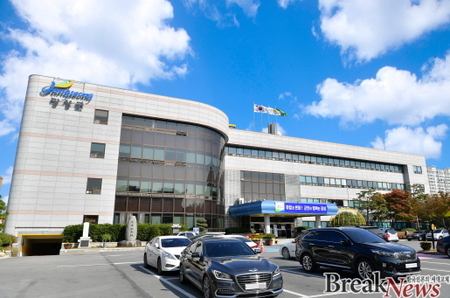
▲ 계양구청 전경 ©박상도 기자 |
(브레이크뉴스인천 박상도 기자) 계양구가 오는 3월 27일부터 전국적으로 시행되는 ‘의료·요양 통합돌봄사업’을 앞두고, 주민들이 쉽게 이해하고 이용할 수 있도록 제도 기반 조성과 서비스 연계 체계를 구축하는 등 사전 준비를 마쳤다고 밝혔다.
계양구에 따르면, 통합돌봄사업은 나이가 많거나 몸이 불편한 주민, 퇴원 후 회복이 필요한 주민 등이 병원이나 시설이 아닌 살던 집에서 생활하면서 필요한 돌봄 서비스를 함께 지원받을 수 있는 제도이다.
예를 들어 혼자 사는 어르신의 건강이 악화된 경우, 병원 치료와 함께 방문 건강관리, 식사 지원, 주거환경 개선 등 생활 전반에 걸친 서비스를 통합적으로 연계해 제공받을 수 있다.
계양구는 2025년부터 의료-돌봄 통합지원 기술지원형 시범사업에 참여하며 제도 도입을 준비해 왔으며, 같은 해 관련 조례 제정과 전담 인력을 구성하는 등 본사업 추진에 선제적으로 대비해왔다.
또, 통합지원협의체를 구성하고 의료기관 및 복지요양기관 등 서비스 제공기관과의 협의, 통합지원회의 체계화, 실무 담당자 교육 등을 통해 제도 시행을 위한 준비를 단계적으로 추진해 왔다.
이를 통해 의료·요양·일상생활지원이 하나의 체계로 유기적으로 연결되는 통합돌봄 기반을 갖췄다.
아울러, 사업에 대한 이해도와 관심을 높이기 위해 직무자료와 홍보자료를 지원부서, 통합안내창구, 유관기관, 12개 동 행정복지센터에 지속적으로 배포하며 협업체계를 구축하고, 업무 전문성 강화에도 힘써 왔다.
3월 27일 제도 시행 이후에는 돌봄이 필요한 노인과 장애인 등 지역 주민이면 누구나 거주지 동 행정복지센터를 통해 상담 및 신청이 가능하다.
신청 시에는 담당자가 상담과 방문조사를 통해 건강 상태와 생활 여건을 종합적으로 확인하고, 개인별 상황에 맞는 돌봄계획을 수립한 뒤 병원 치료, 방문간호, 요양서비스, 생활지원, 주거환경 개선 등 다양한 서비스를 맞춤형으로 연계해 제공한다.
계양구는 보다 내실 있는 서비스 제공을 위해 지역 내 돌봄서비스 자원을 재조사하고 이를 체계적으로 목록화해 서비스 공백을 최소화할 계획이다.
현재는 13개 지역 특화 서비스를 마련해 일상생활 유지, 보건의료, 건강관리, 요양, 주거 영역을 아우르는 ‘계양형 통합돌봄 서비스’를 제공할 예정이다.
계양구 관계자는 “기존 개인이 개별적으로 서비스를 신청하던 방식에서 벗어나, 통합돌봄 신청을 통해 조사 담당자가 서비스 계획을 수립하고 통합지원회의에서 최적의 서비스를 도출하는 방식으로 전환되는 것은 큰 변화”라며, “시설이 아닌 ‘살던 곳’에서 편안하고 건강한 삶을 지속할 수 있도록 계양구가 선도적으로 노력하겠다.”고 밝혔다.
또한, 계양구가 24일, 여름철 집중호우와 태풍 등 자연재난에 대비해 인명 및 재산피해를 최소화하고자 ‘2026년 여름철 자연재난(호우·태풍) 사전대비 추진계획’을 수립하고 본격 추진한다고 밝혔다.
계양구에 따르면, 오는 5월 14일까지를 사전대비 기간으로 정하고, 부구청장을 반장으로 하는 여름철 자연재난 사전대비 대책반(TF)을 운영해 분야별 사전대비 업무를 추진할 계획이다.
중점 추진사항은 비상 대응체계 구축, 재해우려지역 및 취약시설 점검, 주민대피 기준 정립, 교육·훈련 실시 등이다.
계양구는 재해우려지역과 취약시설에 대한 전수조사 및 점검을 추진 중이며, 그 결과를 인명피해 우려지역 관리와 주민대피체계 정비에 반영할 계획이다.
또, 인명피해 우려지역별 통제 및 주민대피 기준을 마련하고, 거주자 전수조사를 통해 우선대피 대상자를 선정할 계획이다. 선정된 대상자에 대해서는 주민대피지원단과 1대1 매칭을 추진하고, 재난 예·경보시설과 민방위 사이렌 등을 활용해 위험정보를 신속히 전파할 예정이다.
아울러, 우선대피 대상자 대면 교육, 주민대피지원단 임무교육, 관계기관 합동훈련 등을 실시해 실제 재난 발생 시 신속한 대피가 이뤄질 수 있도록 대응체계를 강화할 방침이며, 이와 함께 산사태취약지역, 하천, 도로 등 취약시설 보호대책, 취약계층 보호대책, 수해쓰레기 처리대책 등 분야별 대책도 함께 추진할 예정이다.
계양구 관계자는 “자연재난은 철저한 사전 대비가 무엇보다 중요하다.”라며 “위험지역 점검과 주민대피체계 정비 등을 통해 구민을 보호하는 데 총력을 다하겠다.”고 말했다.
*아래는 위 기사를 ‘구글 번역’으로 번역한 영문 기사의 [전문]입니다.‘구글번역’은 이해도 높이기를 노력하고 있습니다. 영문 번역에 오류가 있을 수 있음을 전제로 합니다.<*Below is the [full text] of the English version of the article above, translated using 'Google Translate'. 'Google Translate' strives to improve comprehension. It is assumed that there may be errors in the English translation.>
Gyeyang-gu Promotes Implementation of ‘Integrated Medical and Long-term Care’ and Advance Preparations for Summer Natural Disasters
-Break News Incheon Park Sang-do Reporter
Gyeyang-gu announced that it has completed preliminary preparations, including establishing a systemic foundation and a service linkage system, to ensure residents can easily understand and utilize the ‘Integrated Medical and Long-term Care Project,’ which will be implemented nationwide starting March 27.
According to Gyeyang-gu, the Integrated Care Project is a system that allows residents who are elderly, physically incapacitated, or require recovery after discharge to receive necessary care services while living in their own homes, rather than in hospitals or facilities.
For example, if the health of an elderly person living alone deteriorates, they can receive integrated services covering their entire daily life—such as visiting health care, meal support, and improvements to the living environment—along with hospital treatment.
Gyeyang-gu has been preparing for the introduction of the system since 2025 by participating in the technical support pilot project for integrated medical-care support. In the same year, the district proactively prepared for the full-scale implementation by enacting relevant ordinances and forming a dedicated workforce.
Furthermore, the district has been preparing for the system's implementation in stages by forming an Integrated Support Council, consulting with service providers such as medical institutions and welfare and nursing agencies, systematizing the Integrated Support Meetings, and providing training for working-level staff.
Through these efforts, the district has established a foundation for integrated care where medical, nursing, and daily living support are organically connected as a single system.
In addition, to increase understanding and interest in the project, the district has continuously distributed job-related and promotional materials to support departments, integrated information windows, related organizations, and the 12 Dong Administrative Welfare Centers. This has fostered a collaborative system and strengthened professional expertise.
Following the implementation of the system on March 27, any local resident, including the elderly and people with disabilities requiring care, can receive counseling and apply through their local Dong Administrative Welfare Center. Upon application, a staff member comprehensively assesses the applicant's health status and living conditions through consultation and on-site inspections. After establishing a care plan tailored to the individual's situation, various customized services—such as hospital treatment, visiting nursing, long-term care services, daily living support, and housing environment improvement—are provided through coordinated linkages.
To ensure the provision of more substantial services, Gyeyang-gu plans to minimize service gaps by re-examining local care service resources and systematically cataloging them.
Currently, 13 region-specific services have been prepared to provide the "Gyeyang-type Integrated Care Service," which encompasses the areas of maintaining daily life, healthcare, health management, long-term care, and housing.
A Gyeyang-gu official stated, "It is a significant change to shift from the previous method where individuals applied for services individually to a system where an inspector establishes a service plan through an integrated care application and the optimal service is determined at an integrated support meeting." The official added, "Gyeyang-gu will make a leading effort to ensure that people can continue to lead comfortable and healthy lives in their own homes rather than in facilities." In addition, Gyeyang-gu announced on the 24th that it has established and will begin implementing the "2026 Summer Natural Disaster (Heavy Rain/Typhoon) Pre-preparation Plan" to minimize casualties and property damage in preparation for natural disasters such as summer torrential rains and typhoons.
According to Gyeyang-gu, the period until May 14 has been designated as the pre-preparation period. The district plans to carry out pre-preparation tasks by sector by operating a Summer Natural Disaster Pre-preparation Task Force (TF) headed by the Deputy District Head.
Key priorities include establishing an emergency response system, inspecting disaster-prone areas and vulnerable facilities, defining resident evacuation standards, and conducting education and drills.
Gyeyang-gu is currently conducting a comprehensive survey and inspection of disaster-prone areas and vulnerable facilities, and plans to incorporate the results into the management of areas at risk of casualties and the refinement of the resident evacuation system.
Furthermore, the district plans to establish control and resident evacuation standards for each area at risk of casualties and select priority evacuees through a comprehensive survey of residents. For selected individuals, a one-on-one matching system with the Resident Evacuation Support Team will be implemented, and risk information will be rapidly disseminated using disaster warning and alert facilities as well as civil defense sirens.
In addition, the district plans to strengthen its response system to ensure rapid evacuation in the event of an actual disaster by conducting face-to-face training for priority evacuees, mission training for the Resident Evacuation Support Team, and joint drills with relevant agencies. Along with this, sector-specific measures will be implemented, including protection measures for vulnerable facilities such as landslide-prone areas, rivers, and roads, protection measures for vulnerable groups, and flood debris disposal plans.
An official from Gyeyang-gu stated, "Thorough advance preparation is paramount for natural disasters," adding, "We will do our utmost to protect our residents by inspecting high-risk areas and overhauling the resident evacuation system."
원본 기사 보기:ebreaknews.com