이정현 국민의힘 공관위원장은 이번 공천의 성격을 분명히 규정했다. “경기지사 공천은 누가 나오느냐의 문제가 아니라 우리가 이 선거를 어떻게 뒤집을 것인가의 문제다.” 이 발언은 단순한 수사가 아니다. 이번 선거의 본질을 정확히 짚고 있다. 인물 경쟁이 아니라 전략 경쟁이며, 지역 선거가 아니라 판 전체를 뒤집는 싸움이라는 인식이다. 오랜만에 듣는 이정현의 ‘정답’이다.
문제는, 이 인식이 여태까지의 공천 과정에서는 전혀 구현되지 않았다는 점이다. 그래서 나는 다시 묻게 된다. 이정현, 당신의 말은 전략이었는가. 만일 그렇다면 선언에 그쳐서는 안 된다. 실행력을 보여라. 그때 비로소 당신을 믿겠다. 보수의 심장인 영남지역 공천을 다시 보자.
우선, 대구다. 주호영이라는 중량급 인사를 컷오프하고, 유영하를 포함한 후보군으로 경선을 구성했다. 결과는 뻔하다. 도토리 키재기식 경쟁 속에서 내부 소모전만 벌어진다. 이 구조에서 누가 올라와도 본선 경쟁력은 떨어질 수밖에 없다. 왜냐하면 상대는 김부겸이기 때문이다. 전국적 인지도를 가진 전직 국무총리를 상대로, 내부 경쟁으로 힘이 빠진 후보를 내세우는 것은 애초에 불균형한 싸움이다.
다음으로 부산이다. 현역 시장 박형준에게 상처를 주고, 그 대안으로 거론되는 인물이 ‘윤석열 키즈’로 불리는 정치 검사 출신 주진우라면, 이것은 전략이 아니라 혼선이다.
경남은 더 명확하다. 현역 지사 박완수 중심의 공천은 기득권 유지에 머물러 있다. 그러나 상대는 김경수다. 경남지사 출신이자 전국적 인지도를 가진 인물을 상대로, 지역 기반에 머문 대응으로는 감당하기 어렵다. 상대를 보고 대응하는 전략 공천이 필요했지만, 그런 흔적은 보이지 않는다.
이 세 사례는 따로 떨어진 문제가 아니다. 하나로 연결된다. 전략이 아니라 관성, 선택이 아니라 타성이다. 반면 민주당은 정반대로 움직인다. 김부겸, 김경수처럼 전국 단위 인지도를 가진 인물을 전면에 배치한다. 이 격차가 바로 지금 선거의 본질이다.
그 결과는 이미 나타나고 있다. 부산-울산-경남으로 대표되는 낙동강 전선은 무너졌고, 보수의 성지 대구마저 흔들리고 있다.
그렇다면 전체적으로 이 구조를 뒤집을 변수는 무엇인가. 기존 공천이 아니라 판을 흔들 수 있는 ‘결정적 카드’다.
그 점에서 이정현의 ‘수도권 삼각편대론’은 방향만큼은 정확하다. 서울의 오세훈, 인천의 유정복, 그리고 경기를 묶는 전략이다. 수도권 선거는 개별 지역전이 아니다. 서울은 상징, 인천은 확장, 경기는 결정이다. 이 세 축이 동시에 움직일 때 판이 뒤집힌다. 문제는 지금 그 ‘결정의 축’, 즉 경기가 비어 있다는 점이다. 그리고 바로 이 지점에서 안철수가 등장한다.
 ▲ 안철수 국민의힘 의원. |
안철수 의원은 지금 다시 선택의 기로에 서 있다. 그리고 이번 선택은 개인의 문제가 아니다. 보수 정치의 생존과 직결된 문제다.
냉정하게 말해야 한다. 지금까지의 안철수 정치는 늘 마지막 한 걸음을 남겨두었다. 2011년 그는 기존 정치 질서를 흔들며 등장했지만, 2012년에는 출마 대신 단일화를 선택했고,
2017년에는 완주했지만 끝까지 밀어붙이지 못했으며, 2022년에는 다시 단일화를 택했다.
이 모든 과정은 하나를 보여준다. 안철수 의원은 늘 중심에 있었지만, 결단의 순간에는 물러섰다.
그러나 지금은 상황이 다르다. 이재명의 왕국 경기도에서 민주당 후보와 맞붙을 수 있는 인지도와 확장성을 동시에 가진 인물은 안철수 의원 외에 없다. 대체재가 없다. 이 점에서 그의 선택은 선택이 아니라 책임에 가깝다.
정치는 결국 어디에 자신을 던졌는가로 완성된다. 노무현은 부산에서 자신을 던졌고, 이명박은 서울에서 자신을 증명했다.
경기도는 단순한 광역단체가 아니다. 대한민국 인구의 1/4이 모여 있는 정치의 핵심 전장이다.
지금 보수의 현실은 냉정하다. 낙동강 전선은 무너졌고, 대구마저 흔들리고 있다. 앞으로의 승부는 오직 수도권이다. 그리고 그 중심에는 이재명이라는 강력한 축이 존재한다. 따라서 안철수 의원의 선택은 개인의 문제가 아니다. 보수 정치가 살아남을 수 있느냐의 문제다.
이번 선거는 당이 아니라 후보 중심으로 치러져야 한다. 지도부는 뒤로 물러서고, 전면에는 후보가 서야 한다. 오세훈, 유정복, 그리고 안철수가 하나의 전선을 형성할 때, 수도권은 비로소 하나의 전쟁이 된다. 안철수 의원이 경기도에 서는 순간 수도권 삼각편대가 완성된다. 그러면, 선거는 더 이상 영남 방어전이 아니라 수도권 결전으로 전환된다. 그리고 그때 비로소 이 선거는 뒤집힌다.
수도권에서 지면, 정당이 지는 것이 아니라 시대가 끝난다. 지금 보수는 선택의 기로에 서 있다. 과거의 관성으로 무너질 것인가, 아니면 수도권에서 다시 살아날 것인가.
안철수 의원은 선택해야 한다. 또 한 번 물러설 것인가, 아니면 자신의 이름을 보수 정치 역사에 새길 것인가. 정치는 안전한 선택으로 완성되지 않는다. 던지는 순간, 비로소 시작된다.
안철수 의원은 보수 진영의 노무현이 되어야 한다. 그래야 정치인이 아니라 지도자가 된다. Jeongkeekim@naver.com
*필자/김정기
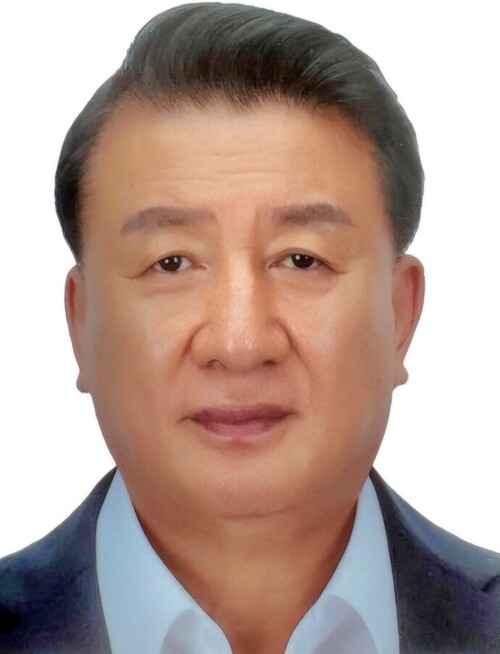
 ▲필자/ 김정기 칼럼니스트. ©브레이크뉴스 |
● 학력
- 뉴욕주립대학교(Stony Brook) 정치학과 수석 졸업
- 마케트대학교(Marquette) 로스쿨 법학박사
- 하버드대학교(Harvard) 케네디스쿨 최고위 과정
- 베이징대학교(Peking) 북한학 연구학자
● 경력
- 세계스마트시티기구(WeGO) 사무총장 (현)
- 유엔 국제전기통신연합 (UN ITU) 가상세계 및 AI 글로벌 이니셔티브 집행위원(현)
- 법무법인 대륙아주 중국 총괄 미국변호사
- 동국대학교 경영전문대학원 석좌교수
- 숭실사이버대학교 총장
- 칼럼니스트
● 저서
1. 대학생을 위한 거로영어연구[전 10권](거로출판사)
2. 나는 1%의 가능성에 도전한다(조선일보사)
3. 한국형 협상의 법칙(청년정신사)
4. 대한민국과 세계 이야기 (도서출판 책미듬)
5. Korea and the World (Advance Reader Copy).
*아래는 위 기사를 '구글 번역'으로 번역한 영문 기사의 [전문]입니다. '구글번역'은 이해도 높이기를 위해 노력하고 있습니다. 영문 번역에 오류가 있을 수 있음을 전제로 합니다.<*The following is [the full text] of the English article translated by 'Google Translate'. 'Google Translate' is working hard to improve understanding. It is assumed that there may be errors in the English translation.>
[Political Proposal] Assemblyman Ahn Cheol-soo, Please Run as a Candidate for Gyeonggi Governor!
Leave Bundang, the fertile ground of politics, and burn yourself out in Gyeonggi Province, which can be called frozen ground.
- Columnist Kim Jeong-gi
Nomination Committee Chairman Lee Jung-hyun clearly defined the nature of this nomination process. “The nomination for Gyeonggi Governor is not a matter of who runs, but a matter of how we will turn this election around.” This statement is not mere rhetoric. It accurately captures the essence of this election. It reflects the understanding that this is a competition of strategy, not of individual candidates, and a battle to overturn the entire landscape, not just a regional election. It is the “correct answer” from Lee Jung-hyun that we have heard for the first time in a long while.
The problem is that this understanding has not been realized at all in the nomination process so far. Therefore, I ask again: Lee Jung-hyun, were your words a strategy? If so, they must not stop at mere declarations. Show us your ability to execute. Only then will I trust you. Let us re-examine the nominations in the Yeongnam region, the heart of conservatism.
**Lee Jung-hyun, Were Your Words a Strategy?** First, let's look at Daegu. They cut off a heavyweight figure like Joo Ho-young and formed a primary with a pool of candidates including Yoo Young-ha. The outcome is predictable. It amounts to nothing but an internal war of attrition amidst a competition akin to measuring acorns. Under this structure, no matter who advances, their competitiveness in the general election is bound to suffer. This is because their opponent is Kim Boo-kyum. Putting forward a candidate weakened by internal competition against a former Prime Minister with national recognition is an unbalanced fight from the start.
Next is Busan. If they are going to damage incumbent Mayor Park Heong-joon and the figure being discussed as his alternative is Joo Jin-woo—a former political prosecutor known as a "Yoon Suk-yeol kid"—this is not a strategy, but confusion.
The situation is even clearer in Gyeongnam. The nomination process centered on incumbent Governor Park Wan-soo remains merely about maintaining the existing power structure. However, the opponent is Kim Kyoung-soo. Facing a figure who is a former Gyeongnam Governor with national recognition, a response confined to a local base is unlikely to handle. A strategic nomination tailored to the opponent was necessary, but there are no signs of that.
First, there is Daegu. These three cases are not isolated issues; they are interconnected. It is not strategy, but inertia; not choice, but habit.
On the other hand, the Democratic Party is moving in the exact opposite direction. They are placing figures with nationwide recognition, such as Kim Boo-kyum and Kim Kyoung-soo, at the forefront. This gap is the very essence of the current election.
The results are already becoming apparent. The Nakdong River Front, represented by Busan, Ulsan, and Gyeongnam, has collapsed, and even Daegu, the stronghold of conservatism, is wavering.
Then, what is the variable that will overturn this overall structure? It is not the existing nominations, but a "decisive card" capable of shaking up the game.
In that respect, Lee Jung-hyun's "Metropolitan Area Triangle Theory" is accurate in its direction. It is a strategy that links Oh Se-hoon of Seoul, Yoo Jeong-bok of Incheon, and Gyeonggi. The metropolitan election is not a battle for individual regions. Seoul is the symbol, Incheon is the expansion, and Gyeonggi is the decision. The game is turned upside down when these three axes move simultaneously. The problem is that the "axis of decision"—namely, Gyeonggi—is currently empty. And it is precisely at this point that Ahn Cheol-soo emerges.
Representative Ahn Cheol-soo stands once again at a crossroads of choice. And this choice is not a personal matter; it is a matter directly linked to the survival of conservative politics.
We must speak frankly. Ahn Cheol-soo’s politics thus far has always left one step undecided. In 2011, he emerged shaking up the existing political order, but in 2012, he chose unification over running for office;
In 2017, he completed the race but failed to push it to the very end; and in 2022, he chose unification again.
All of this process demonstrates one thing. Representative Ahn Cheol-soo was always at the center, yet he stepped back at the moment of decision.
However, the situation is different now. In Gyeonggi Province, Lee Jae-myung’s kingdom, there is no figure other than Representative Ahn Cheol-soo who possesses both the name recognition and the potential for expansion to go head-to-head with the Democratic Party candidate. There is no substitute. In this respect, his choice is closer to a responsibility than a choice.
Politics is ultimately completed by where one throws oneself. Roh Moo-hyun threw himself in Busan, and Lee Myung-bak proved himself in Seoul.
Gyeonggi Province is not merely a metropolitan government. It is the core battlefield of politics, where a quarter of South Korea's population is concentrated.
The current reality for the conservative camp is grim. The Nakdong River front has collapsed, and even Daegu is wavering. The decisive battle ahead lies solely in the Seoul metropolitan area. And at its center stands a powerful pivot named Lee Jae-myung. Therefore, Representative Ahn Cheol-soo's choice is not a personal matter; it is a question of whether conservative politics can survive.
This election must be contested around the candidates, not the parties. The leadership must step back, and the candidates must stand at the forefront. Only when Oh Se-hoon, Yoo Jeong-bok, and Ahn Cheol-soo form a single front will the Seoul metropolitan area truly become a war zone. The moment Representative Ahn Cheol-soo stands in Gyeonggi Province, the metropolitan triangular formation will be complete. Then, the election will shift from a defensive battle for the Yeongnam region to a decisive battle for the capital. And only then will this election be overturned.
If the party loses in the metropolitan area, it is not merely a loss for the party, but the end of an era. The conservative camp currently stands at a crossroads of choice. Will he collapse under the inertia of the past, or will he revive in the metropolitan area?
Representative Ahn Cheol-soo must make a choice. Will he back down once again, or will he engrave his name in the history of conservative politics? Politics is not completed by safe choices. It begins only the moment the challenge is cast.
Representative Ahn Cheol-soo must become the Roh Moo-hyun of the conservative camp. Only then will he become a leader, not just a politician. Jeongkeekim@naver.com
*Author/Kim Jeong-ki
● Education
- Graduated with honors from the Department of Political Science, State University of New York (Stony Brook)
- Juris Doctor from Marquette Law School
- Executive Program at Harvard Kennedy School
- North Korean Studies Scholar at Peking University
● Career
- Secretary General of the World Smart Cities Organization (WeGO) (Current)
- Executive Committee Member for the Global Initiative on Virtual Worlds and AI, United Nations International Telecommunication Union (ITU) (Current)
- US Attorney General for China at Daeryuk Aju Law Firm
- Distinguished Professor, Graduate School of Business, Dongguk University
- President, Soongsil Cyber University
- Columnist
● Publications
1. Georo English Research for University Students [10 Volumes] (Gero Publishing)
2. I Challenge the 1% Possibility (Chosun Ilbo)
3. Korean-style Negotiation The Law (Cheongnyeonjeongsinsa)
4. The Story of Korea and the World (Chaekmideum Publishing)
5. Korea and the World (Advance Reader Copy).