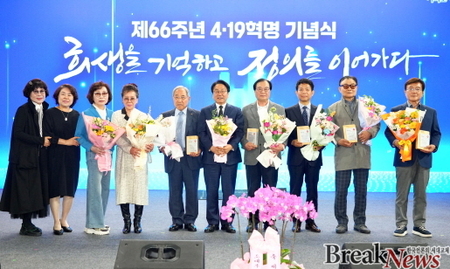
▲ 대전교통공사 단체협약 체결 사진=대전교통공사 제공 © 김정환 기자 |
대전교통공사가 노사 간의 굳건한 신뢰를 바탕으로 21년째 분규 없는 평화적 노사 관계의 전통을 이어가게 됐다.
대전교통공사는 1일 본사 회의실에서 대전교통공사노동조합(위원장 최향호)과 ‘2024년 단체협약’을 체결했다고 밝혔다. 이번 협약은 지난해 9월 첫 교섭을 시작한 이후 약 6개월간의 치열한 협상 끝에 거둔 결실이다.
이번 협상 과정이 순탄치만은 않았다. 한때 소통 단절로 인한 위기 국면을 맞기도 했으나, 노사는 ‘공동 TF’를 가동하며 대화의 끈을 놓지 않았다. 특히 외부 조정 기관의 개입 없이 노사 양측이 자율적인 협의를 통해 합의를 이끌어냈다는 점이 주목받고 있다.
이로써 대전교통공사는 지난 2005년 설립 이후 21년 연속 ‘무분규 사업장’이라는 대기록을 수립하며, 지역 공공기관 노사 화합의 상징적 모델로 자리매김했다.
이번 단체협약의 핵심은 실질적인 복지 향상과 사회적 가치 실현에 방점이 찍혀 있다. 공사는 안전 인력 확보와 현장 중심의 환경 개선에 합의하는 한편, 상대적으로 처우 개선 목소리가 높았던 공무직 직원들의 복무 규정을 지방공무원 수준으로 대폭 끌어올렸다.
주요 개선 사항으로는 자녀돌봄휴가 및 청원휴가 확대 ,병가제도 개선 등이 포함됐다. 또한, 국가적 과제인 저출생 극복을 위해 난임치료 시술휴가 ,임신기·육아기 근로시간 단축 제도를 단체협약에 명문화함으로써 직원이 안심하고 일할 수 있는 토대를 마련했다.
협약식 당일 노사는 ‘직장 내 괴롭힘 제로’를 위한 공동 선언을 병행하며 건강한 조직문화 조성에 대한 의지를 대외적으로 공표했다. 공사는 향후 충남지방노동위원회와 협력해 선진화된 노무 관리 체계를 구축하고, 직장 내 부조리 예방에 앞장설 계획이다.
지역사회와의 상생 행보도 구체화됐다. 노사는 공동 협의위원회와 후생복지위원회를 통해 장학사업 ,재난 지원 활동 ,불우이웃돕기 등 공기업의 사회적 책임을 다하는 공헌 활동을 함께 전개하기로 약속했다.
*아래는 위 기사를 '구글 번역'으로 번역한 영문 기사의 [전문]입니다. '구글번역'은 이해도를 높이기를 위해 노력하고 있습니다. 영문 번역에 오류가 있을 수 있음을 전제로 합니다.<*The following is [the full text] of the English article translated by 'Google Translate'. 'Google Translate' is working hard to improve understanding. It is assumed that there may be errors in the English translation.>
Daejeon Transportation Corporation Labor and Management Conclude 'Dispute-Free Collective Agreement' for 21st Consecutive Year
Based on solid trust between labor and management, the Daejeon Transportation Corporation has established a tradition of peaceful labor-management relations free of disputes for the 21st consecutive year.
The Daejeon Transportation Corporation announced on the 1st that it had signed the "2024 Collective Agreement" with the Daejeon Transportation Corporation Labor Union (Chairman Choi Hyang-ho) in the conference room of its headquarters. This agreement is the fruit of approximately six months of intense negotiations that began with the first round of talks last September.
The negotiation process was not without its challenges. Although the two sides faced a crisis at one point due to a breakdown in communication, labor and management did not let go of dialogue by operating a "Joint Task Force." Particular attention is being paid to the fact that both sides reached an agreement through autonomous consultation without the intervention of an external mediation agency.
With this, Daejeon Transportation Corporation has established a remarkable record of being a "dispute-free workplace" for 21 consecutive years since its establishment in 2005, solidifying its position as a symbolic model of labor-management harmony within a regional public institution.
The core of this collective agreement places emphasis on substantial welfare improvements and the realization of social values. While agreeing to secure safety personnel and improve the field-oriented environment, the Corporation significantly raised the service regulations for public service employees—who had previously faced relatively strong calls for better treatment—to the level of local government officials.
Key improvements include the expansion of childcare leave and petition leave, as well as improvements to the sick leave system. Furthermore, to address the national challenge of overcoming the low birth rate, the Corporation codified leave for infertility treatment and a system for reduced working hours during pregnancy and childcare in the collective agreement, thereby laying the foundation for employees to work with peace of mind.
On the day of the signing ceremony, labor and management simultaneously issued a joint declaration for "Zero Workplace Harassment," publicly announcing their commitment to fostering a healthy organizational culture. The Corporation plans to cooperate with the Chungnam Regional Labor Relations Commission to establish an advanced labor management system and take the lead in preventing workplace irregularities.
Steps toward mutual growth with the local community have also materialized. Labor and management have pledged to jointly carry out contribution activities to fulfill the social responsibilities of a public enterprise, such as scholarship programs, disaster relief, and assistance for the underprivileged, through the Joint Consultative Committee and the Welfare Committee.
원본 기사 보기:브레이크뉴스대전세종충청