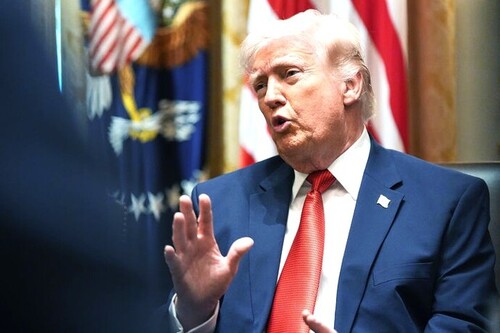
▲ 이란 전쟁 ©브레이크뉴스 |
이란의 핵개발 혐의, 그리고 그와 관련된 미국과의 수십년 동안 수많은 제재와 갈등은 단순히 이란의 핵개발을 넘어서 국제 정치적인 부분과 지정학적 이해 관계에서 비롯되는 부분이다. 세계적인 산유국이자 군사 대국인 이란은 실제로 핵을 보유하고 있는 이스라엘과 달리 현재까지 단 한번도 핵 실험을 한 적이 없다. 그리고 현재까지도 핵무기를 보유하고 있는지 그조차도 알 수 없다. 반면 이란과는 달리 이스라엘은 핵무기를 실험하고 개발하면서 보유하고 있음에도 불구하고 이로 인한 미국의 제재나 갈등을 겪지 않고 있는 것이 현실이다. 이란의 원자력 개발은 팔레비 왕조 때은 1960년대부터로 이란은 친서방 정책을 펼치면서 평화적인 원자력 에너지 사용을 위한 개발을 미국 및 주요 서방 국가들과 함께 하고 있었다.
그러다가 이슬람 혁명 이후, 반서방 정부가 들어서면서 협력이 모두 중단되었고, 호메이니는 원자력 개발을 단독으로 이어가기로 했다. 그러다가 2000년대 IAEA가 이란을 사찰하면서 이란 곳곳 비밀 시설에서 우라늄 농축을 행하고 있었던 사실이 드러났다. 이로써 이란이 전술무기로써의 핵개발을 한다는 우려가 퍼지기 시작했다. 시아파인 이란은 중동에서도 다른 나라들과 대부분 사이가 좋지 않았던 것도 있고, 이스라엘, 반서방주의로 인해 이들의 제재도 받으며 자국 보호와 협상 수단의 하나로 핵을 개발하고 있다. 이란의 직접적인 핵개발 계기는 이란-이라크 전쟁이다. 이라크 사담 후세인은 미국, 영국, 프랑스 등 서방과 중동 국가들, 심지어 소련과 중국의 지원까지 받아가며 이란과 8년 동안 전쟁을 벌였다. 이란은 절대적으로 우세한 국력에도 불구하고 이라크에게 밀렸지만 겨우 이라크군을 몰아냈고, 분노한 호메이니는 이라크의 후세인 정권 몰락을 기치로 내걸고 전쟁을 확대시켰다.
그런데 문제는 호메이니의 생각과 다르게 후세인은 이라크군이 절대적으로 밀리고 있는 와중에도 타국의 지원을 유지했으며, 이와 더불어 소련-아프가니스탄 전쟁으로 인해 이란 동북쪽에도 전운이 고조되자 이란에게 불리하게 흘러가기 시작한다. 이라크는 이란-이라크 전쟁 후반에 소련제 스커드 미사일을 대량으로 구입하여 이란의 수도 테헤란을 폭격해 초토화시켰다. 이후, 2025년 이스라엘이 테헤란을 폭격한 것이 무려 후세인의 공격을 받은 지 38년 만의 일이었다. 결국 1988년 이라크와 이란은 UN과 소련, 미국의 요구로 인해 강제적으로 정전 협정을 맺고 종전했다. 사우디아라비아와 요르단, 이집트 등을 포함한 수니파 아랍 국가들이 이라크를 많이 지원해 주었고, 미국과 서방권 또한 이라크를 지원했다. 또한 극단적인 시아파 국가인 이란은 무신론을 기반으로 종교를 허용하지 않는 공산권 국가들과 사이도 좋지 않았다.
이란 혁명 이후 이란은 사실상 친한 나라가 없었던 채로 고립되었던 것이다. 이란의 영토와 국력은 매우 크고 인구도 많지만, 적성국들이 많아 이에 모두 대응하기에는 역부족이었다. 국제사회의 경제제재와 무기 금수조치로 경제력이 취약해지고 군사력도 뒤떨어지기 시작했다. 사실상 전 세계가 이라크 편을 들어준 이란-이라크 전쟁으로 인해 호메이니는 종전된지 1년 뒤인 1989년 노환으로 병사했는데 이 때의 홧병으로 인한 노환으로 알려지고 있다. 호메이니를 승계한 하메네이는 이란-이라크 전쟁에서의 고립성에서 얻은 자구책을 핵개발에 매달리기 시작했다. 이것이 이란이 핵을 개발하는 이유다. 이런 상황에서 다시 서방과 대치하는 중국과 러시아가 이란을 적극 돕겠다고 했다. 이란은 더 이상 이란-이라크 전쟁 때처럼 속칭 "왕따"는 아니었던 셈이다. 작년 2025년 6월에 발생한 12일 전쟁 때도 이스라엘과 미국은 포르도와 나탄즈, 이스파한 등 이란의 3개 핵 시설에 대해 폭격을 감행했다.
B-2 폭격기로 벙커버스터 GBU-57을 투하했다 하는데 B-2 폭격기 여러 대가 괌 기지에서 출발했고 이들이 벙커버스터를 투하했다. 그런데 이란의 핵 시설에 있던 농축된 우라늄들이 다른 안전한 곳으로 이동시켜서 큰 피해는 없었다. 따라서 당시 미국이 벙커버스터로 때린 곳은 빈 곳일 가능성이 높다. 그러더니 올해 전쟁 전, 미국은 이란과 핵 협상을 시작했다. B-2 폭격기로 벙커버스터 GBU-57을 투하해 다 없앴다고 해놓고 핵 협상을 했다는 것은 전에도 말했듯, 트럼프가 벙커버스터 투하에 실패했다는 것을 의미한다. 그런데 한국인들은 이 때의 벙커버스터 폭격을 완전히 잊어 버리고 핵 협상에 아무도 이를 문제 삼지 않았다. 이걸 문제 삼은 것은 현재까지 필자가 유일하다. 그런데 이란-미국 & 이스라엘 전쟁이 발발하고 이스라엘은 나탄즈 핵 시설에 대해 폭격했다. 불과 9개월 전, 벙커버스터를 떨어뜨렸다는 곳에 재폭격을 감행한 것이다. 이스라엘은 이렇게 트럼프가 지난 전쟁에 핵 시설 파괴에 실패했다는 것을 스스로 인정해버렸다.
이제 이란 또한 이스라엘의 핵 발전소, 핵 시설 등에 대한 공격을 주저하지 않을 것이다. 이란의 목표는 이스라엘의 핵 시설을 제거하고 핵 프로그램을 파괴하는 것으로 새로운 목표가 설정될 가능성이 크다. 미국과 협상을 한다면 이란의 요구는 2개가 더 추가될 것이다.
<이란의 요구>
① 이란의 호르무즈 해협 통제권과 통행료 징수권 인정
② 미국과 이스라엘로부터 향후 불가침에 대한 서면 보장
③ 이스라엘의 레바논 헤즈볼라 공격 중단 요구
④ 걸프만에서 미군 기지를 철수
⑤ 전쟁으로 입은 피해에 대해 미국의 배상금 납부
⑥ 핵 보유에 대한 미국의 간섭 근절
⑦ 이스라엘의 핵 시설 철폐 및 핵 프로그램 해체
⑧ 이스라엘이 핵 무기 보유를 추구하지 않는다는 영구적 약속, 이스라엘 비핵화
 ▲필자/ 정길선 박사 ©브레이크뉴스 |
앞으로의 귀추는 미 지상군이 언제 이란 영토에 투입되느냐, 미 함대가 언제 걸프만과 아라비아해로 들어올 수 있을 것인지에 대한 여부에 달려 있다. lukybaby7@gmail.com
*필자/ 정길선.
노바토포스 회원, 역사학자, 고고인류학자, 칼럼니스트, 러시아 과학아카데미 유라시아 고고인류학연구소 연구교수.
*아래는 위 기사를 '구글 번역'으로 번역한 영문 기사의 [전문]입니다. '구글번역'은 이해도 높이기를 위해 노력하고 있습니다. 영문 번역에 오류가 있을 수 있음을 전제로 합니다.<*The following is [the full text] of the English article translated by 'Google Translate'. 'Google Translate' is working hard to improve understanding. It is assumed that there may be errors in the English translation.>
Iran's Nuclear Development, the Bombing of Nuclear Facilities by Both Iran and Israel, and Iran's Demand for Negotiations
- Columnist Jung Gil-sun
The allegations of Iran's nuclear development, along with the numerous sanctions and conflicts with the United States over the decades associated with it, extend beyond mere nuclear development to stem from international political and geopolitical interests. Unlike Israel, which possesses nuclear weapons, Iran, a global oil producer and military power, has never conducted a single nuclear test to date. Furthermore, it remains unknown whether it possesses nuclear weapons to this day. Conversely, the reality is that unlike Iran, Israel, despite testing, developing, and possessing nuclear weapons, has not faced any sanctions or conflicts with the United States. Iran's nuclear development began in the 1960s during the Pahlavi dynasty; while pursuing pro-Western policies, Iran was collaborating with the United States and major Western nations on the development of nuclear energy for peaceful use.
However, following the Islamic Revolution and the rise of an anti-Western government, all cooperation ceased, and Khomeini decided to continue nuclear development independently. Then, in the 2000s, as the IAEA inspected Iran, it was revealed that uranium enrichment was being carried out at secret facilities throughout the country. This led to widespread concerns that Iran was developing nuclear weapons as tactical weapons. As a Shiite nation, Iran has generally had poor relations with most countries in the Middle East and faces sanctions from Israel and anti-Western forces; consequently, it is developing nuclear weapons as a means of self-protection and negotiation. The direct trigger for Iran's nuclear development was the Iran-Iraq War. Iraq's Saddam Hussein waged war against Iran for eight years with the support of Western nations such as the United States, the United Kingdom, and France, as well as Middle Eastern countries and even the Soviet Union and China. Despite its absolutely superior national power, Iran was pushed back by Iraq but managed to drive out the Iraqi forces; enraged, Khomeini raised the banner of the fall of Hussein's regime in Iraq and expanded the war. However, the problem was that, contrary to Khomeini's expectations, Hussein maintained support from foreign nations even as the Iraqi army was being absolutely pushed back. Furthermore, as war clouds rose in northeastern Iran due to the Soviet-Afghan War, the situation began to turn against Iran. In the latter stages of the Iran-Iraq War, Iraq purchased a large number of Soviet-made Scud missiles and bombed and devastated Tehran, the capital of Iran. Subsequently, it was in 2025 that Israel bombed Tehran, a staggering 38 years after the attack by Hussein. Ultimately, in 1988, Iraq and Iran were forced to sign a ceasefire agreement and end the war due to demands from the UN, the Soviet Union, and the United States. Sunni Arab nations, including Saudi Arabia, Jordan, and Egypt, provided significant support to Iraq, as did the United States and the Western bloc. Additionally, Iran, an extremist Shia state, had poor relations with communist countries based on atheism that did not tolerate religion.
Following the Iranian Revolution, Iran was effectively isolated, with no friendly nations remaining. Although Iran possesses vast territory and national power, as well as a large population, it was overwhelmed by the numerous hostile nations it faced, making it unable to respond to them all. Economic sanctions and arms embargoes by the international community weakened its economy, and its military capabilities began to lag behind. Due to the Iran-Iraq War, in which virtually the entire world sided with Iraq, Khomeini died of old age in 1989, one year after the war ended; it is believed that his illness was caused by the stress and anger he suffered during that time. Khamenei, who succeeded Khomeini, began to focus on nuclear development as a self-preservation measure born from the isolation caused by the Iran-Iraq War. This is the reason why Iran is developing nuclear weapons. In this situation, China and Russia, once again confronting the West, pledged to actively assist Iran. In other words, Iran was no longer the so-called "outcast" it had been during the Iran-Iraq War. During the 12-Day War that broke out last year in June 2025, Israel and the United States carried out bombings on three Iranian nuclear facilities: Fordow, Natanz, and Isfahan. It is said that B-2 bombers dropped GBU-57 bunker busters, and indeed, several B-2 bombers departed from the Guam base and dropped the bunker busters. However, the enriched uranium at Iran's nuclear facilities had been moved to other safe locations, so there was no major damage. Therefore, it is highly likely that the area the U.S. struck with the bunker busters at the time was empty. Then, prior to the war this year, the U.S. began nuclear negotiations with Iran. The fact that they proceeded with nuclear negotiations after claiming to have destroyed everything by dropping GBU-57 bunker busters from B-2 bombers means, as I have stated before, that Trump failed in dropping the bunker busters. However, Koreans completely forgot about the bunker buster bombing at that time, and no one raised this issue during the nuclear negotiations. To date, I am the only one who has raised this issue. However, after the Iran-U.S. & Israel war broke out, Israel bombed the Natanz nuclear facility. They carried out a re-bombing on the very site where bunker busters were allegedly dropped just nine months prior. Israel has thus effectively admitted that Trump failed to destroy nuclear facilities during the last war.
Now, Iran will also not hesitate to attack Israel's nuclear power plants and facilities. It is highly likely that Iran will set a new objective: to eliminate Israel's nuclear facilities and destroy its nuclear program. If negotiations with the United States take place, two additional demands will be added to Iran's list.
<Iran's Demands>
① Recognition of Iran's control over the Strait of Hormuz and its right to collect tolls
② Written guarantees of future non-aggression from the United States and Israel
③ A demand for Israel to cease attacks on Hezbollah in Lebanon
④ Withdrawal of U.S. military bases from the Gulf
⑤ Payment of U.S. reparations for war damages
⑥ Eradication of U.S. interference regarding nuclear possession
⑦ Dismantling of Israel's nuclear facilities and dismantling of its nuclear program
⑧ A permanent commitment that Israel will not pursue nuclear weapons, and the denuclearization of Israel
The future course of events depends on when U.S. ground forces will be deployed to Iranian territory and when the U.S. fleet will be able to enter the Gulf and the Arabian Sea. lukybaby7@gmail.com
*Author/ Gil-Sun Jeong.
Member of Novatopos, historian, archaeologist and anthropologist, columnist, Research Professor at the Institute of Eurasian Archaeology and Anthropology, Russian Academy of Sciences.