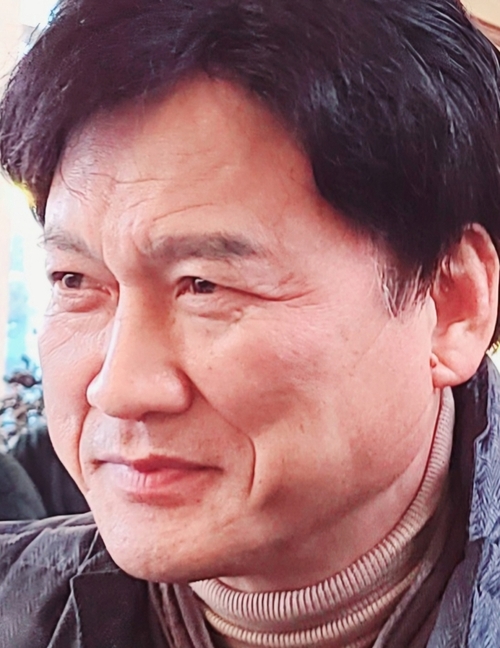
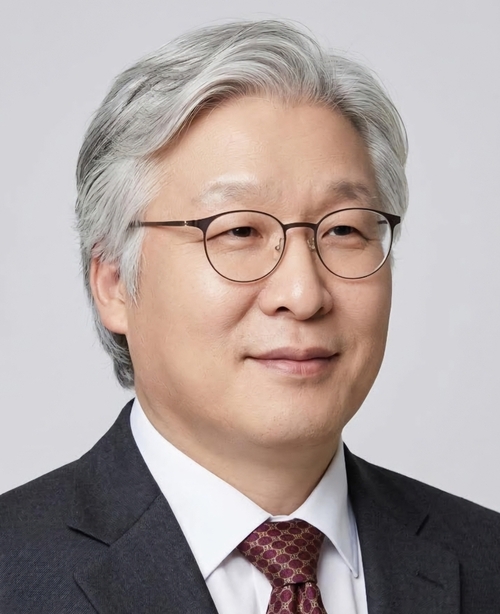
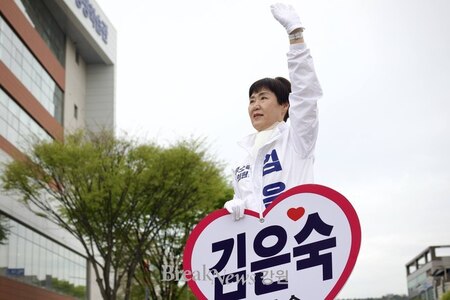
▲ 유지곤 조국혁신당 대전 서구청장 후보는 5일 자신의 사회관계망서비스에서 청년 경선 배제, 당선권 후순위 배치 등 지방정치에서 벌어지는 청년 차별의 민낯에 관해 일갈했다.=유지곤 후보 페이스북 갈무리 ©정지완 기자 |
누구 하나 내리려 하지 않는 꽉 찬 엘리베이터. 문이 열려도 선뜻 발을 들이지 못하고 복도를 서성이는 청년들. 조국혁신당 유지곤 대전 서구청장 후보가 지난 5일 자신의 사회관계망서비스에 올린 이 비유는 2026년 지방선거를 앞둔 대한민국 지방정치의 서글픈 자화상을 낱낱이 드러낸다.
‘청년 정치’라는 화려한 수식어 뒤에 숨은 기득권의 공고한 카르텔과, 그 안에서 소모되는 청년 정치인들의 비명이 이 문장들에 고스란히 담겨 있다.
유 후보의 지적처럼 현재의 지방정치는 ‘순환의 정체’라는 치명적인 고립에 빠져 있다. 대전의 경우, 인구의 절반이 넘는 55%가 만 45세 이하의 젊은 층이다. 하지만 이들의 목소리를 대변해야 할 지방의회는 여전히 ‘선거철 단골손님’ 일색이다.
이러한 불균형을 단순한 세대 갈등의 문제로 치환하기는 어렵겠지만, 건물이 활력을 얻으려면 엘리베이터가 부지런히 오르내리며 새로운 사람들을 실어 날라야 하듯, 정치 또한 새로운 세대의 수혈 없이는 고인 물이 될 수밖에 없다.
지하부터 옥상까지 기성 정치인들만이 독점한 엘리베이터 안에서, 지역 사회의 미래를 결정하는 논의는 과거의 관행에 갇혀 한 걸음도 나아가지 못한다.
지방선거 기초의원 선거구에서 정당이 부여하는 기호 ‘나’ 번은 청년들에게 ‘희망 고문’이다. 정당들은 혁신 이미지를 선점하기 위해 청년들을 대거 영입하고 공천하지만, 정작 당선권인 ‘가’ 번은 지역구 장악력이 높은 중진이나 기여도가 큰 사람에게 배정한다. 청년들은 사실상 당선 가능성이 희박한 ‘험지’인 ‘나’ 번에 배치되어, 정당의 ‘다양성’을 증명하기 위한 소모품으로 전락한다.
지난 제8회 지방선거에서 2030 당선자의 비중은 광역의원의 경우 단 6%대에 머물렀다는 통계가 바로 이를 방증한다. 정당들은 청년 공천 비율을 높였다고 대대적으로 홍보했으나, 실제 당선으로 이어진 비율은 처참했다. ‘나’ 번 배치는 청년을 정계로 입문시키는 통로가 아니라, 오히려 그들의 정치적 생명을 조기에 마감하게 만드는 '배려와 관심을 가장한 차별의 도구'로 활용되고 있다.
청년들이 지방정치라는 '낡고 오래된 건물' 앞에서 엘리베이터 탑승을 주저하는 또 다른 이유 중 한 가지는 선거 비용의 문제다. 자산 형성기에 있는 청년들에게 있어 기탁금을 포함해 수천만 원에 달하는 운영 비용은 그 존재 자체만으로도 버겁다.
누군가가 다가와서 웃는 얼굴로 '후원'을 자청하지만 등 뒤에 칼을 숨긴 채 '소리장도(笑裏藏刀)', 어떠한 형태의 족쇄를 채울지 알 길이 없는 '젊치인'들의 혼란감은 더욱 커지기만 한다.
실제 중앙선관위의 자료를 보면 지방선거 후보자들의 평균 자산은 일반 청년들의 평균치를 아득히 상회한다. 돈과 조직이 없으면 선거를 치뤄 나가기 힘든 현 구조는 정치의 문턱을 철저히 '자본주의적 관점의 자격 심사’로 변질시킬 수 있다는 우려 또한 적지 않다.
저출생, 청년 주거 및 정착, 일자리 등 미래 세대를 위해 고민되고 해결되어야 할 화두들이 '형님 한번, 아우 한번' 나눠먹기 식의 '쌍팔년도 카르텔' 속에서 희미해진다.
지역의 미래를 짊어지고 나가야 하는 청소년, 취업 준비생, 신혼부부, 전입 청년 등을 비롯한 취약계층의 기본적 생존권과 연계된 의제들은 예산 편성 후순위로 밀려나고, 오직 재개발과 산업단지·도로 개통 관련 토지 보상 등을 통한 기득권의 곳간 채우기에만 급급한 '독점적 민주주의'로 흘러간다.
이것이 유 후보가 우려한 '건물 전체의 활기'가 사라지고 있는 근본적인 원인이다.
“변화의 마중물이 되겠다”는 유지곤 후보의 선언은 벼랑 끝에 선 청년 정치인들의 공통된 절규에 다름없다.
마중물은 지하 깊은 곳의 물을 끌어올리기 위해 먼저 펌프에 붓는 희생적인 물이다. 하지만 마중물을 퍼부어도 기계 자체가 벌겋게 녹슬어 작동하지 않거나, 누군가가 웃는 얼굴로 그 입구를 막고 있다면 물은 단 한 방울도 솟구칠 수 없다.
청년들은 '장식품'이 아니다. 지방 정치판은 이제 청년들을 '희생과 헌신이라는 이름의 장기말'로 쓰는 춘추전국시대식 구태에서 벗어나야 한다. 오래 머물렀던 이들은 소멸해가는 지방자치를 심폐 소생할 유일한 생존 전략인 '젊은 정치인'들을 귀하게 맞이하고 성심성의껏 대해야 한다.
서성거리는 후배들의 발걸음이 당당하게 엘리베이터 안으로 향하게 할 수 있을 때, 비로소 대전과 대한민국 지방정치의 문은 미래를 향해 열릴 것이다.
*아래는 위 기사를 '구글 번역'으로 번역한 영문 기사의 [전문]입니다. '구글번역'은 이해도를 높이기를 위해 노력하고 있습니다. 영문 번역에 오류가 있을 수 있음을 전제로 합니다.<*The following is [the full text] of the English article translated by 'Google Translate'. 'Google Translate' is working hard to improve understanding. It is assumed that there may be errors in the English translation.>
Yoo Ji-gon, Candidate for Daejeon Seo-gu District Mayor: "There Is No Place for Youth in Local Politics"
'A Packed Elevator': The Enthusiasm and Purity of Youth Halted by the Walls of Established Politics
A packed elevator where no one wants to get off. Young people loitering in the hallway, unable to step inside even when the doors open. This metaphor, posted on his social media on the 5th by Yoo Ji-gon, the Innovation Party candidate for Daejeon Seo-gu District Mayor, vividly reveals the sorrowful self-portrait of South Korean local politics ahead of the 2026 local elections.
The entrenched cartel of vested interests hidden behind the flashy label of "youth politics," and the cries of young politicians being consumed within it, are captured intact in these sentences.
As Candidate Yoo points out, current local politics is mired in a fatal isolation known as "circular stagnation." In the case of Daejeon, the younger generation—55% of the population, aged 45 or younger—makes up more than half of the total population. However, local councils, which ought to represent their voices, remain dominated by "regulars of election season."
While it may be difficult to simply attribute this imbalance to generational conflict, just as an elevator must diligently travel up and down to transport new people for a building to gain vitality, politics is bound to become stagnant without an infusion of the new generation.
Inside the elevator—which is monopolized by established politicians from the basement to the rooftop—discussions determining the future of the local community remain trapped in past practices, unable to advance even a single step.
For young people, the ballot number "Na" assigned by political parties in local election districts for basic council members is a form of "false hope." Parties recruit and nominate young people in large numbers to preemptively secure an image of innovation, yet the "Ga" number, which is actually within the winning range, is allocated to veteran politicians with strong control over the district or those with significant contributions. Consequently, young people are placed in the "Na" number, a "difficult district" where their chances of winning are virtually slim, and are reduced to expendable commodities used to demonstrate the party's "diversity." Statistics showing that the proportion of elected candidates in their 20s and 30s in the last 8th local elections remained in the 6% range for metropolitan council members serve as direct evidence of this. Political parties extensively promoted that they had increased the proportion of young candidates nominated, but the actual rate of election was abysmal. Being assigned the "Na" spot on the ballot is not a pathway for young people to enter politics; rather, it is being utilized as a "tool of discrimination disguised as consideration and interest" that causes their political careers to end prematurely.
Another reason young people hesitate to "board the elevator" in front of the "old and dilapidated building" of local politics is the issue of election costs. For young people in their asset-building stage, operating expenses amounting to tens of millions of won, including the deposit, are burdensome in their very existence.
Although someone approaches with a smiling face to volunteer "sponsorship," the confusion among these "young politicians" only intensifies, as they have no way of knowing what form of shackles will be imposed—a "smiling knife hidden behind a smile"—while someone hides a knife behind their back. In fact, data from the National Election Commission shows that the average assets of local election candidates far exceed those of the general youth population. There are considerable concerns that the current structure, where it is difficult to run an election without money and organization, could transform the threshold of politics into a thorough "qualification screening based on a capitalist perspective."
Key issues that need to be deliberated and resolved for future generations—such as low birth rates, youth housing and settlement, and employment—are fading away amidst an "old-fashioned cartel" characterized by a "sharing the spoils" mentality.
Agendas linked to the basic right to survival of vulnerable groups—including youth, job seekers, newlyweds, and young people who have moved into the area and must shoulder the region's future—are relegated to the back burner in budget allocation. Instead, the system is drifting toward a "monopolistic democracy" where the focus is solely on filling the coffers of vested interests through land compensation related to redevelopment, industrial complexes, and road openings.
This is the fundamental reason why the "vitality of the entire building," which Candidate Yoo was concerned about, is disappearing. Candidate Yoo Ji-gon’s declaration to “become the catalyst for change” is nothing less than the collective desperate cry of young politicians standing on the brink of a precipice.
Priming water is the sacrificial water poured into a pump to draw up water from deep underground. However, even if you pour in the priming water, if the machine itself is rusted red-hot and does not work, or if someone is blocking the inlet with a smiling face, not a single drop of water can surge up.
Young people are not "ornaments." The local political scene must now break away from the outdated, Warring States-era practices of using young people as "chess pieces in the name of sacrifice and devotion." Those who have been in the field for a long time must welcome and treat with sincerity the "young politicians"—the only survival strategy to resuscitate fading local autonomy—with respect.
Only when the hesitant footsteps of juniors can confidently lead them into the elevator will the doors of local politics in Daejeon and South Korea finally open toward the future.
원본 기사 보기:브레이크뉴스대전세종충청