필자가 쓰는, 이 칼럼의 주제는 일본 산(産) 종교인 한국SGI 교단이 일본 본부에 연간 얼마의 헌금을 송금하고 있는가, 또는 그간 얼마의 헌금을 일본단체에 상납했는가의 문제이다.
일본의 동경 고등재판부는 지난 3월 4일 오전 11시에 판결을 통해 일본 세계평화통일가정연합(옛 통일교, 이하 가정연합) 소송 건을 판결(종교 해산)했다. 그 이유는 아베 수상의 암살에 통일교인 자녀가 개입돼 있다는 혐의와 일본 교인들 헌금의 한국 송금 문제가 그 원인인 것으로 알려지고 있다.
필자는 지난 4월5일자 본지(브레이크뉴스)에 게재한 “일본 통일교 2018~2022년에 4,500억원 가량 한국송금 “통일교=애국종교?” 제목의 칼럼에서 “우리나라의 경우, 종교 헌금이 자유로이 국내외로 유통-이전해왔다. 개신교단의 해외 선교비, 천주교(가톨릭)의 로마 교황청을 상대로 하는 헌금거래도 자유롭다. 한국 선교 이후 오간 헌금(獻金) 총액의 규모는 엄청 날 것이다. 이 가운데 가정연합(통일교)의 경우도 국제적인 헌금의 자유로운 거래가 발생했을 것이다. 시사저널이 일본 재판부가 판시한 가정연합의 헌금 한국 유입 액수는 '2018~22년 656억 엔, 6000억원 이상의 돈이 해외로 흘러나갔다. 이 중 90% 이상이 한국에 송금됐다'는 부분이다. 총 4,500억원 정도가 한국으로 송금됐다고 한다“라면서 ”그간 한국에 진출한 해외 종교 단체들이 한국에서 해외로 송금해간 헌금의 총액은 감춰져 있었다. 은밀하게 진행됐다. 일본 정부-법원이 가정연합(통일교)의 한국송금 헌금액을 공개해서 망신을 준 것처럼, 한국 정부가 일본계 종교단체들이 일본국으로 송금한 헌금의 액수를 공개한다면 어찌될까? 한국 정부의 반격(反擊)도 충분히 가능할 일이다. 일본 통일교 헌금의 한국 유입 저의(底意)가 무언지, 지켜볼 수순“이라고 지적한 바 있다.
통일교회는 한국 산(産) 종교로서 일본에 선교(宣敎)를 시작, 일본 내에서 규모가 가장 큰 한국 산(産) 종교의 교단이다.
그런데, 일본이 일본 내에서 왜 이 교단을 탄압 하는가?
제35대 미국 대통령 존 F. 케네디는 1963년 11월 22일에 암살됐다. 공식적인 암살범은 리 하비 오스왈드(Lee Harvey Oswald)였다. 암살범이 기독교인이라고 해서 기독교를 해산하진 않았다. 그런데 일본의 경우는 달랐다. 아베 신조 전 일본 총리는 지난 2022년 7월 8일에 암살됐다. 암살자는 야마가미 데쓰야(山上徹也)로 발표 됐다. 통일교인의 자녀라는 발표가 있었다. 암살자가 통일교인의 자녀라는 것 때문에, 종교의 해산을 판결했다는 것으로 발표됐다. 이 과정에서 문제됐던 핵심은 일본 내 헌금의 과대한 한국으로의 송금(送金)일 수 있다.
 ▲ 한국 SGI 회원들. ©한국 SGI 홈 페이지 |
 ▲한국 SGI는 150만 여명의 회원들이 지역사회 속에서 인간주의의 평화운동을 실천하고 있다. ©한국 SGI 홈 페이지 |
필자는 이런 시각에서 한국내 일본 산(産) 종교들이 일본 본부에 납입(納入)한 헌금 액수의 명쾌한 공개를 요구하는 것이다. 특히 한국 내 신도세 150만 명을 자랑하는 한국 SGI(국제창가학회)에 관해서이다.
한국 SGI는 일본의 니치렌 불법(佛法)을 근간으로 하는 불교 단체로, 한국에서는 '남묘호렌게쿄'라는 염불로 널리 알려져 있다. 한국 SGI는 일본에서 건너온 종교라는 점 때문에 초기에는 역사적·사회적 진통을 겪으며 성장했다. 1945년, 해방 직후 (1940년대 말~1950년대): 일본에서 귀국한 재일동포들을 중심으로 개별적인 신앙 활동이 시작됐다. 1960년대 초, '포교원'이라는 이름으로 조직적인 활동이 본격화되었으나, 당시 정부로부터 왜색 종교라는 이유로 포교 금지 조치를 받기도 했다.
한국 SGI는 1970년대~1980년대 '불교민주문화학회' 등의 이름으로 활동하며 조직을 정비하고, 환경 보호 및 사회 봉사 활동을 통해 사회적 이미지를 개선하기 시작했다. 1990년대 이후: 1998년 당시 김대중 대통령의 일본 문화 개방 방침과 함께 법인 설립이 허가됐다. 이어 현재의 재단법인 한국SGI 체제를 갖추게 된 것. 한국 SGI는 국내에서 활동하는 외래 신흥 종교 중 가장 큰 규모를 자랑한다. 현재 규모를 보면, 이 교단 측의 공식 발표나 종교계 추산에 따르면 약 150만 명 정도의 신도를 보유한 것으로 알려져 있다. 전국에 약 380여 개의 문화회관을 운영하며 지부, 반, 구미 등의 촘촘한 지역 조직을 유지하고 있다.
한국 SGI는 종교활동과 함께 '평화·문화·교육'을 3대 핵심 가치로 내세워 지역 사회에 녹아드는 전략을 취하고 있다. 인간혁명 실천: "한 사람의 위대한 인간혁명이 한 나라의 숙명도 전환한다"는 모토 아래, 개인의 내면적 변화를 통한 사회 공헌을 강조한다. 이외 헌혈 캠페인, 국토 대청결 운동, 소외 계층 지원 등 다양한 사회 공헌 활동을 전개하여 긍정적인 이미지를 구축했다. 한일 관계 개선을 위한 문화 전시회나 세미나를 정기적으로 개최하며, 올바른 역사 인식 정립을 위한 활동도 병행해왔다. 청년부와 미래부를 중심으로 한 교육 프로그램에 집중하여 조직의 지속 가능성을 도모하고 있다.
한국SGI는 홈 페이지에서 "재단법인 한국SGI는 니치렌 대성인 불법을 바탕으로 사회 속에서 평화·문화·교육운동과 소외된 이웃을 위한 사회공헌 활동을 활발히 펼치며 행복의 가치를 창조하는 대승불교단체이다. 우리나라 문화와 전통을 존중하는 한국SGI는 법화경의 정수(精髓)인 니치렌(日蓮) 대성인의 불법(佛法)을 올바르게 계승해 불법의 근본 이념인 생명존엄 사상을 실천하면서 한 사람 한 사람의 행복한 생활을 추구하고, 나아가 국가번영과 세계평화 실현에 기여하고자 하는 신도들로 구성된 종교단체이다. 세계 192개국. 지역에서 활동중인 SGI(Soka Gakkai International, 국제창가학회)의 결성(1975년)과 함께, 본격적으로 활동을 시작한 한국SGI는 생명존엄을 바탕으로 평화 문화 교육운동과 사회공헌, 환경보호활동 등을 활발히 전개하고 있다“고 설명하고 ”현재 전국(한국 내)에 380여 문화회관을 중심으로, 150만 여명의 회원들이 지역사회 속에서 인간주의의 평화운동을 실천하고 있다.“고 소개했다.
일본 정부가 헌금의 과다(過多)한 한국 선교비 지원문제로 한국 산(産) 종교인 통일교의 탄압을 자행(恣行)하고 있다면, 한국 정부도 한국 내 일본 산(産) 종교들의 헌금문제를 꺼내들 수 있다고 생각한다. 그간, 얼마의 한국헌금이 일본으로 건너갔는지에 대한 조사와 발표가 있어야 함은 당연하다.
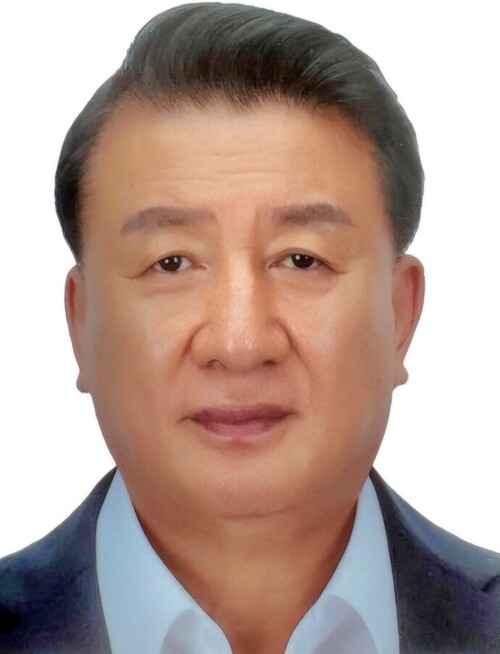
 ▲필자/문일석. 시인. 신문사(본지) 발행인. ©브레이크뉴스 |
한국 내 일본산 종교 단체들에 속한 신도들의 자유로운 헌금과 그 헌금의 자유로운 이동이 보장되듯이, 일본 정부는 이런 시각에서 통일교의 문제를 해결할 수 있어야 된다는 것을 지적한다.
그게 아니라면, 한국 내 일본 산(産) 종교들의 헌금문제도 종교해산과 연관 할 수 있을 것이다. 일본 정부, 통일교가 한국으로 돌아가기를 원(願)한다면, 한국 내 일본 산(産) 종교 역시 일본으로 돌아가야(일본으로 철수) 마땅하다.
하지만, 현대사회에서 종교란 국경(國境)이 없다. 종교란 상생(相生)의 경쟁이고 화해(和解)의 경쟁이어야 한다. moonilsuk@naver.com
*필자/문일석. 시인. 신문사(본지) 발행인.
*아래는 위 기사를 '구글 번역'으로 번역한 영문 기사의 [전문]입니다. '구글번역'은 이해도 높이기를 위해 노력하고 있습니다. 영문 번역에 오류가 있을 수 있음을 전제로 합니다.<*The following is [the full text] of the English article translated by 'Google Translate'. 'Google Translate' is working hard to improve understanding. It is assumed that there may be errors in the English translation.>
Japanese Government's Suppression of the Unification Church... Japanese-Originated Religions in Korea Also 'Must Withdraw from Japan'
- Publisher Moon Il-suk
The subject of this column, written by the author, is the issue of how much annual offering the Korea SGI, a religious group originating in Japan, remits to its headquarters in Japan, or how much offering has been handed over to Japanese organizations over the years.
On March 4 at 11:00 AM, the Tokyo High Court of Japan issued a ruling (dissolution of the religion) in the lawsuit against the Family Federation for World Peace and Unification (formerly the Unification Church, hereinafter the Family Federation). The reasons are reportedly the allegations that a Unification Church member's child was involved in the assassination of Prime Minister Abe, as well as the issue of the remittance of offerings from Japanese members to Korea.
In the article “Japanese Unification Church Remitted Approximately 450 Billion Won to Korea Between 2018 and 2022,” published in this publication (Break News) on April 5, the author wrote: “Unification Church = Patriotic Religion?” In a column titled [title], the author states, “In the case of our country, religious offerings have been freely circulated and transferred both domestically and internationally. Overseas mission funds for Protestant denominations and offering transactions with the Roman Catholic Church regarding the Vatican are also unrestricted. The total volume of offerings exchanged since the establishment of missions in Korea must be enormous. Among these, the Family Federation (Unification Church) likely also engaged in free international transactions of offerings. Regarding the amount of Family Federation offerings flowing into Korea as ruled by the Japanese court, Sisa Journal notes that the figure is the part stating, ‘From 2018 to 2022, 65.6 billion yen, or over 600 billion won, flowed overseas. More than 90% of this was remitted to Korea.’ It is said that a total of about 450 billion won was remitted to Korea.” The author further asserts, “The total amount of offerings remitted from Korea to overseas by foreign religious organizations that have entered Korea has been concealed. It was conducted secretly.” Just as the Japanese government and courts shamed the Family Federation (Unification Church) by disclosing the amount of donations remitted to Korea, what would happen if the Korean government disclosed the amounts of donations sent to Japan by Japanese religious organizations? A counterattack by the Korean government is entirely possible. It has been pointed out that "we are now in a position to watch to see what the ulterior motive is behind the influx of Unification Church donations from Japan into Korea."
The Unification Church is a religion of Korean origin that began missionary work in Japan and is the largest Korean religious denomination within the country.
However, why is this denomination being suppressed within Japan? John F. Kennedy, the 35th President of the United States, was assassinated on November 22, 1963. The official assassin was Lee Harvey Oswald. Christianity was not dissolved simply because the assassin was a Christian. However, the case of Japan was different. Former Japanese Prime Minister Shinzo Abe was assassinated on July 8, 2022. The assassin was announced to be Tetsuya Yamagami. It was announced that he was the child of a Unification Church member. The claim that the dissolution of the religion was ruled upon simply because the assassin was the child of a Unification Church member... It was announced that... The core issue in this process may have been the excessive remittance of offerings from within Japan to Korea.
From this perspective, I am demanding the clear disclosure of the amounts of offerings paid to the Japanese headquarters by Japanese-originated religions in Korea. This applies particularly to the Korea SGI (Soka Gakkai International), which boasts 1.5 million followers in Korea. The Korea SGI is a Buddhist organization based on Japan's Nichiren Buddhism, and it is widely known in Korea for the chanting of "Nam Myoho Renge Kyo." Due to the fact that it is a religion that originated in Japan, the Korea SGI grew while experiencing historical and social growing pains in its early stages. Immediately after liberation in 1945 (late 1940s–1950s): Individual religious activities began, centered around Korean residents in Japan who had returned home. In the early 1960s, organized activities began in earnest under the name "Propagation Center," but the government at the time [discussed] propagation on the grounds that it was a religion with Japanese influence. It was even subject to a ban.
During the 1970s and 1980s, SGI Korea operated under names such as the "Society for Buddhist Democratic Culture," reorganizing its structure and beginning to improve its social image through environmental protection and social service activities. Since the 1990s: In 1998, coinciding with then-President Kim Dae-jung's policy of opening up to Japanese culture, the establishment of a corporation was authorized. This led to the formation of the current SGI Korea Foundation system. SGI Korea boasts the largest scale among foreign new religious movements operating in the country. Based on current figures, according to official announcements by the denomination and estimates by the religious community, it is known to have approximately 1.5 million followers. It operates about 380 cultural centers nationwide and maintains a dense regional organization consisting of branches, sub-branches, and regional divisions.
Along with religious activities, SGI Korea adopts a strategy of integrating into local communities by promoting "Peace, Culture, and Education" as its three core values. Practice of Human Revolution: "The great human revolution of one person transforms the destiny of a nation." Under the motto, it emphasizes social contribution through the inner transformation of individuals. In addition, it has built a positive image by carrying out various social contribution activities, such as blood donation campaigns, national clean-up movements, and support for the underprivileged. It regularly holds cultural exhibitions and seminars to improve Korea-Japan relations, while simultaneously conducting activities to establish a correct understanding of history. It is promoting organizational sustainability by focusing on educational programs centered on the Youth Division and the Future Division.
On its homepage, SGI Korea states: "SGI Korea is a Mahayana Buddhist organization that creates the value of happiness by actively carrying out peace, culture, and education movements within society, as well as social contribution activities for marginalized neighbors, based on the Buddhism of Nichiren Daishonin. Respecting our country's culture and traditions, SGI Korea is a religious organization composed of believers who seek to contribute to national prosperity and the realization of world peace by correctly inheriting the Buddhism of Nichiren Daishonin, which is the essence of the Lotus Sutra, practicing the philosophy of the dignity of life—the fundamental ideology of Buddhism—and pursuing the happy lives of each individual." 192 countries worldwide. It was explained that "SGI Korea, which began its activities in earnest alongside the formation of the local SGI (Soka Gakkai International) in 1975, is actively carrying out peace culture education movements, social contributions, and environmental protection activities based on the dignity of life," and it was introduced that "currently, centered around approximately 380 cultural centers nationwide (within Korea), about 1.5 million members are practicing a humanistic peace movement within local communities."
If the Japanese government is persecuting the Unification Church—a new religion of Korean origin—over the issue of excessive donation support for missionary work in Korea, I believe the Korean government can also raise the issue of donations regarding Japanese-origin religions within Korea. It is only natural that there should be an investigation and announcement regarding how much of the Korean donations have been transferred to Japan.
Just as the free donations of believers belonging to Japanese-origin religious groups within Korea and the free movement of those donations are guaranteed, the Japanese government must be able to resolve the issue of the Unification Church from this perspective. It points out that this is possible. Otherwise, the issue of offerings by Japanese-originated religions in Korea could also be linked to the dissolution of religions. If the Japanese government and the Unification Church wish for the Unification Church to return to Korea, then it is only right that Japanese-originated religions in Korea should also return to Japan (withdraw to Japan).
However, in modern society, religion knows no borders. Religion should be a competition of mutual coexistence and reconciliation. moonilsuk@naver.com
*Author/Moon Il-suk. Poet, Publisher of the newspaper (this publication).