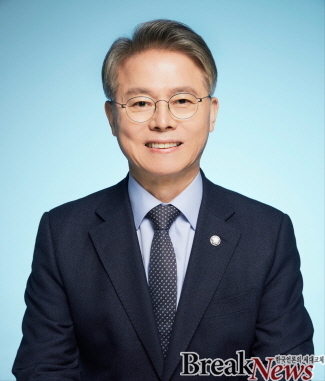
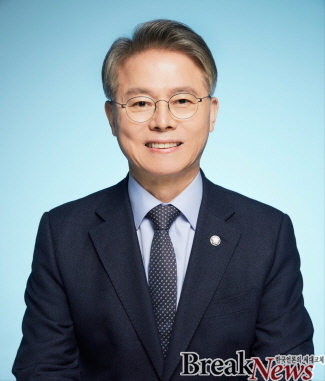
▲ 김태흠 충남도지사=충청남도 제공 ©정지완 기자 |
김태흠 충남도지사가 정부의 민생 안정 정책 추진 과정에서 발생하는 비용을 지방에 전가하지 말고 국비로 전액 충당해야 한다는 입장을 분명히 했다.
고유가 피해지원금과 같은 국가 주도 사업에 지방비 매칭을 요구하는 것은 가뜩이나 어려운 지방 재정을 더욱 압박하는 처사라는 지적이다.
김 지사는 6일 도청에서 열린 지휘부 회의를 통해 최근 이재명 대통령이 언급한 유가 피해지원금과 관련한 견해를 밝혔다. 이 자리에서 그는 정부가 초과 세수를 활용한 '빚 없는 추경'을 강조하고 있지만, 지방의 현실은 이와 정반대라는 점을 짚었다.
부동산 경기 침체로 인해 지방세 수입이 급감하고 있는 상황에서 국가 정책에 따른 지방비 부담은 지자체에 큰 짐이 된다는 논리다.
특히 김 지사는 이번 추경을 통해 내려오는 지방교부세 증가분이 실질적인 재정 보충이 아닌 '가불' 성격이 짙다는 점을 우려했다. 통상 내국세 결산 이후 이듬해 정산되어 내려와야 할 교부세를 미리 당겨 쓰는 방식이기 때문에, 장래 지방 재정에 공백을 초래할 수 있다는 것이다.
또한, 정산 절차를 거쳐 교부될 경우 지자체가 지역 특성에 맞춰 자율적으로 사용할 수 있는 예산이, 이번 추경 배분을 통해 중앙정부 사업의 뒷받침 용도로 사용이 제한되는 구조적 문제도 지적했다.
김 지사는 "민생을 살리겠다는 취지의 정책이 오히려 지방 재정을 압박하는 수단이 되어서는 안 된다"며, 정부의 초과 세수는 지방의 자율성을 보장하고 재정 여건을 실질적으로 보완하는 방향으로 사용되어야 한다고 강조했다.
이에 따라 고유가 피해지원금을 포함한 국가 차원의 민생 대책은 지방비 부담 없이 전액 국비로 집행할 것을 거듭 촉구했다.
*아래는 위 기사를 '구글 번역'으로 번역한 영문 기사의 [전문]입니다. '구글번역'은 이해도를 높이기를 위해 노력하고 있습니다. 영문 번역에 오류가 있을 수 있음을 전제로 합니다.<*The following is [the full text] of the English article translated by 'Google Translate'. 'Google Translate' is working hard to improve understanding. It is assumed that there may be errors in the English translation.>
South Chungcheong Province Governor Kim Tae-heum Strongly Urges "State Funds to Bear 100% of Livelihood Support Funds"
South Chungcheong Province Governor Kim Tae-heum made his stance clear that costs incurred during the implementation of the government's livelihood stabilization policies should not be passed on to local governments but must be fully covered by state funds.
Critics point out that demanding local matching funds for state-led projects, such as relief funds for damages caused by high oil prices, is an action that further strains already struggling local finances.
Governor Kim expressed his views regarding the oil price relief funds recently mentioned by President Lee Jae-myung during a leadership meeting held at the provincial office on the 6th. At the meeting, he pointed out that while the government emphasizes a "debt-free supplementary budget" utilizing surplus tax revenue, the reality for local governments is the exact opposite.
His logic is that in a situation where local tax revenue is plummeting due to the real estate market downturn, the burden of local funds resulting from national policies becomes a heavy weight on local governments.
In particular, Governor Kim expressed concern that the increase in local government grants through this supplementary budget has a strong character of an "advance payment" rather than a substantial financial replenishment. The concern is that this method of borrowing grants—which are typically settled and distributed the year following the national tax settlement—in advance could create a gap in future local finances.
Furthermore, a structural issue was pointed out: budgets that local governments could use autonomously according to regional characteristics if distributed after settlement procedures are restricted through this supplementary budget allocation to support central government projects.
Governor Kim stated, "Policies intended to revitalize people's livelihoods must not become a means to pressure local finances," emphasizing that the government's excess tax revenue should be used to guarantee local autonomy and substantially supplement fiscal conditions.
Accordingly, he repeatedly urged that national-level measures to improve people's livelihoods, including relief funds for damages caused by high oil prices, be executed entirely with state funds without any financial burden on local governments.
원본 기사 보기:브레이크뉴스대전세종충청