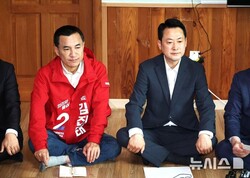
▲ 김현석 경기도의원이 좌장을 맡은 ‘경기도 말산업 발전방안 모색을 위한 정책토론회’가 한국마사회 본관 대강당에서 개최됐다. © |
경기도의회 김현석 의원(국민의힘, 과천)이 좌장을 맡은 ‘경기도 말산업 발전방안 모색을 위한 정책토론회’가 지난 4월 2일 한국마사회 본관 대강당에서 개최됐다.
이번 토론회는 경기도와 경기도의회가 공동 주최하는 ‘2026 경기도 정책토론회’의 일환으로, 정부의 ‘1·29 부동산 대책’에 따른 과천 경마장 이전 계획에 대응하고 지속 가능한 도시 성장 전략을 모색하기 위해 마련됐다.
첫 번째 주제발표에 나선 유승호 제주한라대학교 말산업자원학과장은 “서울경마공원은 단순한 부동산이나 사행산업 시설이 아닌 국가 핵심 인프라 플랫폼”이라며 “단순한 ‘공장 이전’ 방식에서 벗어나 글로벌 접근성과 도시 브랜드를 결합한 산업 중심 정책 전환이 필요하다”고 강조했다.
이어 김혜민 법무법인 송천 변호사는 “정부의 일방적인 이전 및 주택 공급 방안은 연간 약 500억 원 규모의 세수 감소와 도시 브랜드 가치 하락을 초래할 수 있다”며 “말산업과 AI·Tech, 관광, 주거 기능을 결합한 ‘G-LEAP 클러스터’ 조성을 통해 기존 자산을 고도화하고 수도권 최초의 도심형 말산업 특구 모델을 구축해야 한다”고 제언했다.
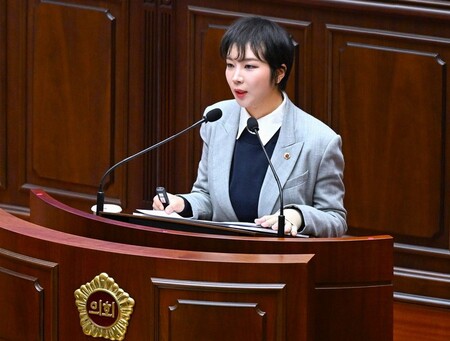
 ▲ 좌장을 맡은 김현석 의원 © |
토론에 참여한 황선희 과천시의회 ‘경마공원 이전 및 주택 공급 전면 철회 특별위원회 위원장’은 “대책 없는 9,800호 주택 공급 계획은 행정의 무능과 정책 기만이 낳은 ‘주택 폭탄’”이라며 “시민 생존권을 위협하는 일방적 이전 계획을 철회하고 지역사회 의견을 반영한 전면 재검토가 필요하다”고 주장했다.
강민아 과천시 세무과장은 “경마장은 과천시 세입의 약 11%를 차지하는 핵심 재원”이라며 “이전 시 연간 약 508억 원, 최대 5,080억 원의 세수 손실이 예상되는 만큼 국가 차원의 재정 보전 대책이 필요하다”고 설명했다.
김창근 한국건설감정사회 회장은 “비용-편익 분석 결과 존치를 전제로 한 복합개발안이 경제성을 확보하는 것으로 나타났다”며 “이전보다 비용과 사회적 갈등을 줄일 수 있는 공공·민간 협력 기반의 ‘센트럴파크형 개발’이 과천의 자족 기능을 강화하는 현실적 대안”이라고 제시했다.
좌장을 맡은 김현석 의원은 “과천의 선택은 ‘경마장을 비울 것인가’가 아니라 ‘경마공원을 미래 도시자산으로 어떻게 전환할 것인가’의 문제”라며 “반복적으로 제시되는 ‘기회’, ‘실리’, ‘일석사조’라는 표현이 과연 시민의 삶을 기준으로 한 판단인지 냉정하게 점검해야 한다”고 밝혔다.
이어 “협상이 항상 실리를 담보하는 것은 아니다”라며 “같은 정치적 이해관계 속에서 이뤄지는 협상이 시민의 이익을 지키는 협상인지, 아니면 정해진 방향을 조정하는 수준에 그치는지 과거 사례를 반면교사로 삼아 면밀히 검토해야 한다”고 강조했다.
한편 이날 토론회에는 경마 관계자와 경기도민 수십 명이 참석해 경마장 이전 문제에 대한 높은 관심을 보였다.
아래는 위 기사를 ‘Google 번역’으로 번역한 영문 기사의 ‘전문’이다. ‘Google 번역’은 이해도를 높이기 위해 노력하고 있다. 영문 번역에 오류가 있을 수 있음을 전제로 한다. <*The following is [the full text] of the English article translated by ‘Google Translate’ and amended. ‘Google Translate’ is working hard to improve understanding. It is assumed that there may be errors in the English translation.>
Gyeonggi Provincial Assembly Member Kim Hyun-seok: “Treat Racecourse as an Urban Asset, Not Relocation”
Solutions for Horse Industry and Urban Strategy Presented at Gyeonggi Policy Forum
The “Policy Forum to Explore Development Strategies for Gyeonggi’s Horse Industry,” chaired by Gyeonggi Provincial Assembly Member Kim Hyun-seok (People Power Party, Gwacheon), was held on April 2 at the main auditorium of the Korea Racing Authority headquarters.
This forum was organized as part of the “2026 Gyeonggi Policy Forum,” jointly hosted by Gyeonggi Province and the Gyeonggi Provincial Assembly. It was designed to respond to the government’s plan to relocate the Gwacheon Racecourse following the “January 29 Real Estate Measures” and to explore strategies for sustainable urban growth.
In his opening presentation, Yoo Seung-ho, Head of the Department of Horse Industry Resources at Jeju Halla University, emphasized, “The Seoul Racecourse is not merely real estate or a gambling facility, but a core national infrastructure platform.” He added, “We need to move away from a simple ‘factory relocation’ approach and shift to industry-centered policies that combine global accessibility with urban branding.” Kim Hye-min, an attorney at Songcheon Law Firm, stated, “The government’s unilateral relocation and housing supply plan could result in an annual tax revenue decrease of approximately 50 billion won and a decline in the city’s brand value.” She suggested, “We must upgrade existing assets and establish the first urban special zone for the horse industry in the Seoul metropolitan area by creating a ‘G-LEAP Cluster’ that combines the horse industry with AI/Tech, tourism, and residential functions.”
Hwang Seon-hee, Chairperson of the Gwacheon City Council’s Special Committee for the Complete Withdrawal of the Racecourse Relocation and Housing Supply Plan, who participated in the discussion, argued, “The plan to supply 9,800 housing units without countermeasures is a ‘housing bomb’ born of administrative incompetence and policy deception.” She asserted, “The unilateral relocation plan, which threatens the survival rights of citizens, must be withdrawn, and a comprehensive review reflecting the opinions of the local community is necessary.” Kang Min-ah, Head of the Tax Department of Gwacheon City, explained, “The racecourse is a core source of revenue, accounting for approximately 11% of Gwacheon City’s tax revenue,” adding, “As relocation is expected to result in an annual tax revenue loss of about 50.8 billion won, and potentially up to 508 billion won, measures for financial compensation at the national level are necessary.”
Kim Chang-geun, President of the Korea Construction Appraisal Association, stated, “Cost-benefit analysis results showed that a complex development plan premised on retention secures economic feasibility,” and suggested that “a ‘Central Park-type development’ based on public-private cooperation, which can reduce costs and social conflict compared to relocation, is a realistic alternative to strengthen Gwacheon’s self-sufficiency.”
Councilor Kim Hyun-seok, who served as the moderator, stated, “Gwacheon’s choice is not a matter of ‘whether to vacate the racecourse,’ but rather ‘how to transform the Racecourse Park into a future urban asset,’” adding, “We must coolly examine whether the repeatedly presented expressions of ‘opportunity,’ ‘practicality,’ and ‘killing four birds with one stone’ are truly judgments based on the lives of citizens.” He continued by emphasizing, “Negotiations do not always guarantee practical benefits,” adding, “We must carefully examine, using past examples as a lesson, whether negotiations conducted amidst shared political interests protect the citizens’ interests or merely amount to adjusting a predetermined direction.”
Meanwhile, dozens of horse racing officials and Gyeonggi residents attended the forum, demonstrating a high level of interest in the issue of relocating the racetrack.
원본 기사 보기:경기브레이크뉴스&주간현대신문