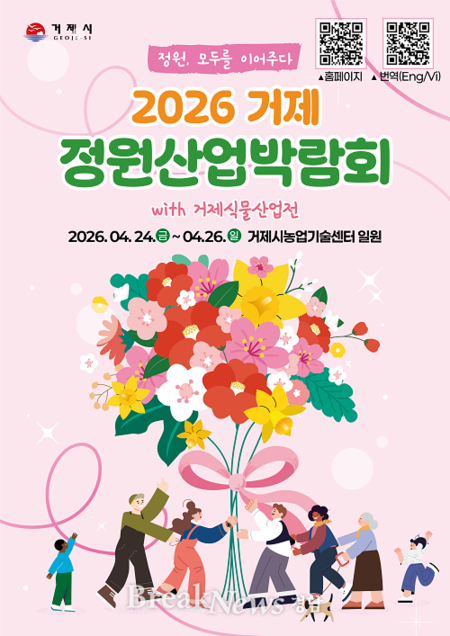
▲ 꽃 그림 ©브레이크뉴스 |
인간은 원래 잔인(殘忍)하다. 조선시대, 양반-상놈 제도가 있었다. 이 신분 제도는 1392년 조선 건국부터 1894년 갑오개혁까지 약 500년 동안 공식적으로 지속됐다.
그 시작은 1392년이었다. 조선 건국과 함께 유교적 질서를 바탕으로 한 신분 체계가 확립됐다. 법적으로 폐지된 때는 1894년이었다. 갑오개혁을 통해 '공사 노비법'이 혁파되고 신분 차별이 법적으로 사라졌다.
이 제도의 실질적인 종말은 1950년대에 이뤄졌다. 법적 폐지 이후에도 관습적으로 남았으나, 6·25 전쟁과 농지개혁을 거치며 완전히 해체됐다.
조선의 신분 제도는 법적인 구조와 실제 운영되는 관습적 구조 두 가지 면이 있었다. 양인 (良人)은 세금을 내고 군대에 갈 의무가 있는 자유민(양반, 중인, 상민), 천인(賤人)은 개인이나 국가에 소속되어 자유가 없는 계층(노비)이었다. 법적으로는 양인이었으나, 시간이 흐르며 권력층인 양반과 일반 백성인 상놈(상민)의 격차가 벌어지며 고착화됐다.
▲양반: 정치와 행정을 주도하는 지배 계층
▲중인: 전문직(통역, 의술) 및 행정 실무자
▲상민(상놈): 농민, 수공업자, 상인 등 대다수 평민
▲천민: 노비, 백정 등 최하위 계층.
신분제가 무너진 이유는 임진왜란 이후 국가 재정이 어려워지자 돈을 받고 신분을 파는 납속책이 시행됐다. 상민이 부를 축적, 부유해진 상민들이 족보를 사서 양반으로 신분을 세탁했다. 이로 인해 양반이 급증했다.
조선 후기에는 인구의 70% 이상이 양반이라고 주장할 정도로 제도가 유명무실해졌다. 이는 그리 먼 과거시대의 이야기가 아니다.
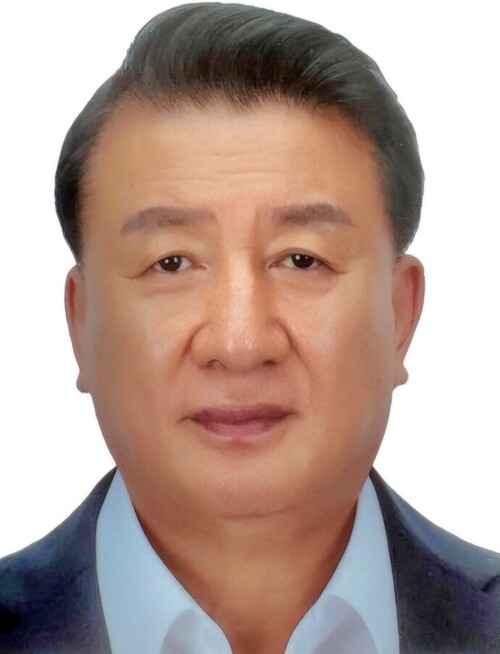
 ▲필자/문일석 시인. 신문사(본지) 발행인. ©브레이크뉴스 |
오늘날은 문명시대. 그런데, 북한에서는 김일성-김정일-김정은 3대 세습 제도가 이어지고 있다. 한민족, 최악(最惡)의 인간들이다. 사람은 원래 잔인(殘忍)하다. 그러하니, 끊임없는 의식의 개화(改化)가 필요하다. moonilsuk@naver.com
-필자가 소장하고 있는 그림.
*필자/문일석 시인. 신문사(본지) 발행인.
*아래는 위 기사를 '구글 번역'으로 번역한 영문 기사의 [전문]입니다. '구글번역'은 이해도 높이기를 위해 노력하고 있습니다. 영문 번역에 오류가 있을 수 있음을 전제로 합니다.<*The following is [the full text] of the English article translated by 'Google Translate'. 'Google Translate' is working hard to improve understanding. It is assumed that there may be errors in the English translation.>
Humans Are Cruel <Series-1>... The Servant System of the Joseon Dynasty - Extreme Discrimination Against People
- Moon Il-suk, Publisher of this Newspaper
Humans are inherently cruel. During the Joseon Dynasty, there was a system of Yangban (nobles) and Sangnom (commoners). This social class system officially persisted for approximately 500 years, from the founding of Joseon in 1392 to the Gabo Reforms of 1894.
It began in 1392. With the founding of Joseon, a social hierarchy based on Confucian order was established. It was legally abolished in 1894. Through the Gabo Reforms, the 'Public and Private Slave Law' was abolished, and social discrimination legally disappeared.
The practical end of this system occurred in the 1950s. Although it remained customarily even after its legal abolition, it was completely dismantled through the Korean War and the Land Reform.
The social class system of the Joseon Dynasty consisted of two aspects: a legal structure and a customary structure in actual operation. Yangin (良人) were free citizens (Yangban, Jungin, and Sangmin) obligated to pay taxes and serve in the military, while Cheonin (賤人) were a class without freedom, bound to individuals or the state (Nobi). Although they were legally Yangin, over time, the gap between the ruling class (Yangban) and the common people (Sangnom/Sangmin) widened and became entrenched.
▲ Yangban: The ruling class leading politics and administration.
▲ Jungin: Professionals (interpreters, doctors) and administrative practitioners.
▲ Sangmin (Sangnom): The majority of commoners, including farmers, artisans, and merchants.
▲ Cheonmin: The lowest class, including slaves and butchers.
The reason the social class system collapsed was the implementation of the "Napsokchaek" policy, which allowed people to sell their social status for money, as the national treasury became strained following the Imjin War. As commoners accumulated wealth and became affluent, they purchased genealogies to "launder" their status into that of Yangban. This led to a rapid increase in the number of Yangban. In the late Joseon Dynasty, the system had become so nominal that it was claimed over 70% of the population belonged to the Yangban class. This is not a story from the distant past.
Today is the age of civilization. However, in North Korea, the three-generation hereditary system of Kim Il-sung, Kim Jong-il, and Kim Jong-un continues. They are the worst kind of people among the Korean people. Humans are inherently cruel. Therefore, a ceaseless enlightenment of consciousness is necessary. moonilsuk@naver.com
- A painting owned by the author.
*Author / Poet Moon Il-suk. Publisher of this newspaper.