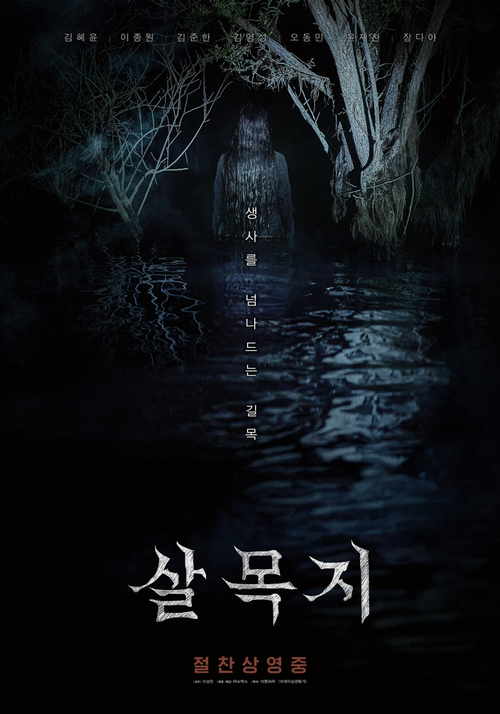
▲ 필자가 소장한 그림. ©브레이크뉴스 |
인간은 원래 잔인(殘忍)하다. 그러하니 의식을 늘 개화(改化)시켜야 한다.
조선시대 잭백 제도가 있었다. 조선시대의 백정(白丁)은 최하층-천민이었다.
조선 초기에 유목 생활을 하던 화척, 양수척 등의 집단을 농민화하기 위해 '백정'이라 부르며 동화 정책을 폈으나 실패했다. 이후 이들은 점차 도축업, 고리 제작 등에 종사하는 최하층 천민의 대명사가 되었다. 도살업(도축), 가죽 가공(갖바치), 고리(버들그릇) 제작 등이었다.
백정은 일반인과 함께 살지 못하고 마을 외곽의 집단 거주지인 '백정촌'에 모여 살았다. 상투를 틀 수 없었고, 패랭이 갓만 쓸 수 있었으며 비녀도 꽂지 못했다. 아무리 나이가 많아도 어린 양인에게 존댓말을 써야 했으며, 이름에 인(仁), 효(孝) 같은 고귀한 한자를 쓸 수도 없게 했다.
갑오개혁(1894) 이후, 공식적으로 신분제가 폐지되면서 법적으로는 평등해졌으나, 사회적 차별은 여전히 남았다. 형평사 운동이란, 1923년 일제강점기 백정들이 경남 진주에서 '형평사'를 조직하여 인간다운 대우와 실질적인 차별 철폐를 요구한 근대적 인권 운동이다.
인간은 잔인(殘忍)하다. 특정 직업의 사람들을 집단으로 멸시하기도 한다.
도살업(도축), 가죽 가공(갖바치), 고리(버들그릇) 제작 등에 종사하는 자들을 인간 이하라며, 멸시 당했다. 시대에 따라, 인간의 의식을 개화시켜야만 한다. moonilsuk@maver.com
*필자/문일석. 시인. 신문사(본지) 발행인.
*아래는 위 기사를 '구글 번역'으로 번역한 영문 기사의 [전문]입니다. '구글번역'은 이해도 높이기를 위해 노력하고 있습니다. 영문 번역에 오류가 있을 수 있음을 전제로 합니다.<*The following is [the full text] of the English article translated by 'Google Translate'. 'Google Translate' is working hard to improve understanding. It is assumed that there may be errors in the English translation.>
Humans are cruel! <Series-4>... “The BaekjeongSystem of the Joseon Dynasty”
- Moon Il-suk, Publisher of this Newspaper
Humans are inherently cruel. Therefore, one must constantly civilize one's consciousness. There was a Baekjeong system during the Joseon Dynasty. The Baekjeong of the Joseon Dynasty were the lowest class—the untouchables.
In the early Joseon period, an assimilation policy was implemented to turn nomadic groups such as the Hwacheok and Yangsucheok into peasants by labeling them "Baekjeong," but this failed. Subsequently, they gradually became synonymous with the lowest class of untouchables engaged in slaughtering and ring making. These included butchering, leather processing, and ring making.
The Baekjeong could not live alongside ordinary people and lived together in "Baekjeongchon," a collective settlement located on the outskirts of villages. They were not allowed to tie their hair in a topknot, could only wear the *paeraengi* (a type of straw hat), and were forbidden from wearing hairpins. No matter how old they were, they had to use honorifics when speaking to young commoners, and they were prohibited from using noble Chinese characters such as *In* (benevolence) or *Hyo* (filial piety) in their names.
Following the Gabo Reform (1894), the caste system was officially abolished, bringing about legal equality; however, social discrimination still persisted. The Hyungpyeongsa Movement was a modern human rights movement initiated in 1923 during the Japanese colonial period, in which Baekjeong (butchers) organized the 'Hyungpyeongsa' in Jinju, South Gyeongsang Province, to demand humane treatment and the practical abolition of discrimination.
Humans are cruel. They sometimes look down upon people of specific professions as a group.
Those engaged in slaughtering (*dosul*), leather processing (*gatbachi*), and the making of *gong* (*beodeulgeureut*, a type of basket) were scorned as being less than human. Human consciousness must be enlightened according to the times. moonilsuk@maver.com
- A painting owned by the author.
Author/Moon Il-suk. Poet. Publisher of the newspaper (this publication).