(브레이크뉴스인천 박상도 기자) 인천자치경찰위원회가 9일, 기존 ‘지시-집행’ 중심 치안 체계를 넘어, 현장에서 문제를 발굴하고 정책으로 설계하는 ‘정책 생산형 자치경찰’ 모델을 도입했다고 밝혔다.
인천자치경찰위원회에 따르면, 이는 치안을 단순 대응 영역이 아닌, 기획과 설계의 영역으로 확장한 첫 시도라는 점에서 주목된다.
이번 정책은 경찰대학과의 협업해 추진되며, 경찰대학의 캡스톤디자인(Capstone Design) 방식으로 운영된다.
캡스톤디자인은 학생들이 팀을 이루어 실제 현장 문제를 기획·설계하고 해결 방안을 도출하는 실무형 종합 프로젝트 교육과정으로, 현장 문제 해결 능력과 정책 설계 역량을 동시에 강화하는 것이 특징이다.
특히, 이번 프로그램은 경찰대학 경찰학과 장일식 교수의 지도 아래 운영되며, 지난 3월 28일 1차 운영에 이어 4월 11일 두 번째 프로그램이 진행된다.
단순 교육을 넘어 현장에서 문제를 찾고, 직접 해법을 도출해 정책으로 연결하는 것이 핵심으로 치안의 출발점을 ‘현장’으로 되돌린 것이다.
참여 학생들은 교통안전, 사회적 약자 보호, 범죄 예방 등 다양한 분야에서 실질적인 정책 아이디어를 제안했다.
교통안전 분야에서는 불법 주정차 단속, 개인형 이동장치(PM) 및 픽시 자전거 등 위험행위 관리, 음주운전 등 위험요인 단속 강화 방안이 제시됐으며, 사회적 약자 보호 분야에서는 치안행정과 복지행정 간 사각지대 발굴 및 연계 필요성이 제안됐다.
범죄 예방 분야에서는 시민 체감형 예방 정책과 플랫폼 개선, 실효성 있는 예방 중심 전략 강화 방안 등이 논의됐다.
참여한 경찰대학생들 사이에서도 기존 치안 방식에 대한 문제의식과 새로운 접근 필요성이 제기됐다.
경찰대학생은 “현장에서 느끼는 문제들이 정책으로 이어지지 않는 경우가 많다”며, “이 프로그램은 현장의 목소리가 실제 정책으로 반영될 수 있다는 점에서 의미가 크다”고 말했다.
인천자치경찰위원회는 이번 2차 운영을 시작으로 상반기 내 프로그램을 확대 운영하고, ‘교육 → 문제 발굴 → 정책화’로 이어지는 체계를 정례화할 계획이다.
이를 통해 지속적인 정책 생산 시스템 구축, 현장에서 즉시 작동하는 치안 정책 구조 정착을 추진한다.
나아가 현장 중심 치안 정책 생산 체계 구축, 청년 참여 기반 미래 치안 역량 강화, 지역 맞춤형 치안 정책의 지속적 창출이 가능해질 것으로 기대된다.
특히, 인천은 대한민국 최초 ‘정책 생산형 자치경찰’ 모델을 선도하는 도시로 자리매김할 전망이다.
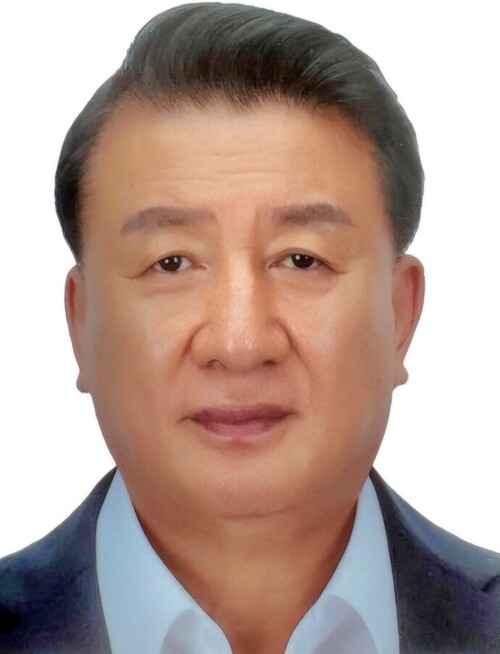
한진호 인천자치경찰위원회 위원장은 “이제 치안은 단순한 집행을 넘어, 현장에서 문제를 발굴하고 정책으로 해결하는 단계로 발전하고 있다”며 “경찰대학 캡스톤디자인과 연계한 이번 모델을 대한민국을 넘어 글로벌 기준으로 발전시켜 나가겠다”고 밝혔다.
*아래는 위 기사를 ‘구글 번역’으로 번역한 영문 기사의 [전문]입니다.‘구글번역’은 이해도 높이기를 노력하고 있습니다. 영문 번역에 오류가 있을 수 있음을 전제로 합니다.<*Below is the [full text] of the English version of the article above, translated using 'Google Translate'. 'Google Translate' strives to improve comprehension. It is assumed that there may be errors in the English translation.>
Incheon Autonomous Police Commission Introduces 'Policy-Producing Autonomous Police' to Establish Field-Oriented Public Security System
Collaboration with Police University via 'Capstone Design' Method... Connecting the Entire Process from Problem Identification to Policy Formulation
-Break News Incheon Park Sang-do Reporter
The Incheon Autonomous Police Commission announced on the 9th that it has introduced a 'Policy-Producing Autonomous Police' model that goes beyond the existing 'direction-execution' centered public security system. This model involves identifying problems in the field and designing them into policies.
According to the Incheon Autonomous Police Commission, this is noteworthy as the first attempt to expand public security beyond the realm of simple response into the realm of planning and design.
This policy is being implemented in collaboration with the Korean National Police University and will be operated using the university's Capstone Design method.
Capstone Design is a practical, comprehensive project curriculum in which students form teams to plan, design, and derive solutions for real-world field problems; it is characterized by simultaneously strengthening field problem-solving skills and policy design capabilities.
In particular, this program is operated under the guidance of Professor Jang Il-sik of the Department of Police Science at the Korean National Police University, and following the first session held on March 28, the second session will take place on April 11.
Beyond simple education, the core of the program is to identify problems in the field, derive solutions directly, and connect them to policy, thereby returning the starting point of public security to the "field."
Participating students proposed practical policy ideas in various fields, including traffic safety, protection of the socially vulnerable, and crime prevention.
In the field of traffic safety, measures were presented to strengthen enforcement against illegal parking, manage dangerous behaviors involving personal mobility devices (PMs) and fixed-gear bicycles, and crack down on risk factors such as drunk driving. In the field of protecting the socially vulnerable, the need to identify blind spots and link between public security administration and welfare administration was proposed.
In the field of crime prevention, discussions focused on citizen-centric prevention policies, platform improvements, and measures to strengthen effective prevention-centered strategies.
Among the participating police academy students, concerns were raised regarding existing policing methods and the need for new approaches.
A police academy student stated, "There are many cases where problems felt in the field do not translate into policy," adding, "This program is highly significant in that it allows voices from the field to be reflected in actual policies."
Starting with this second round of operations, the Incheon Autonomous Police Commission plans to expand the program within the first half of the year and regularize the system that follows the sequence of "education → problem identification → policy formulation."
Through this, the commission aims to establish a continuous policy production system and solidify a policing policy structure that operates immediately in the field.
Furthermore, it is expected to enable the establishment of a field-oriented policing policy production system, the strengthening of future policing capabilities based on youth participation, and the continuous creation of region-specific policing policies.
In particular, Incheon is projected to establish itself as a leading city pioneering the nation's first "policy-producing autonomous police" model.
Han Jin-ho, Chairman of the Incheon Autonomous Police Commission, stated, “Public security is now evolving beyond simple enforcement to a stage where problems are identified on-site and resolved through policy,” adding, “We will develop this model, linked with the Police University’s Capstone Design, into a global standard that goes beyond Korea.”
원본 기사 보기:ebreaknews.com