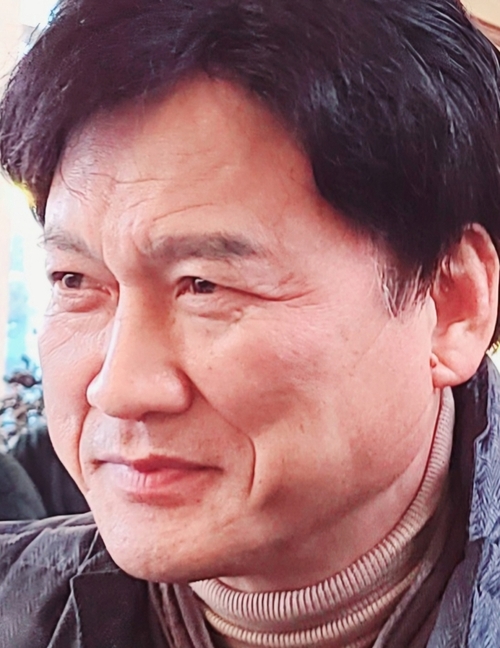
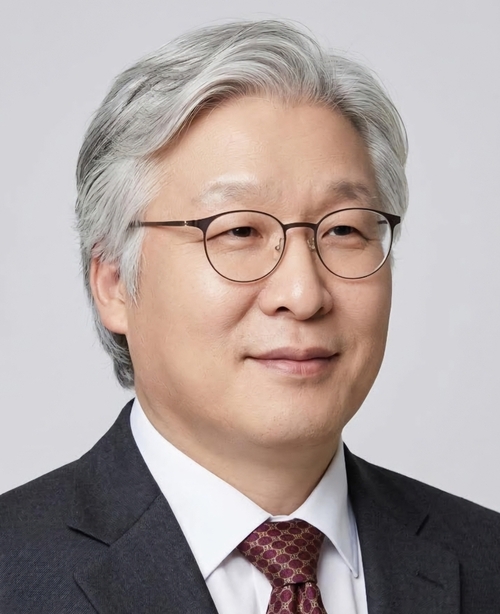
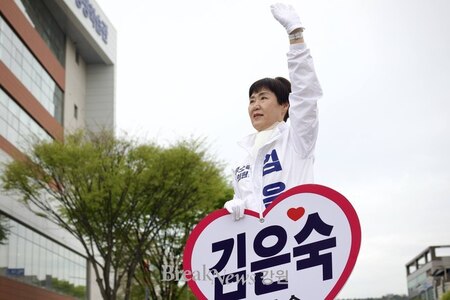
▲ 더불어민주당 남진근 대전 동구청장 예비후보=예비후보 캠프 제공 © 정지완 기자 |
상수원 보호구역과 개발제한구역이라는 겹겹의 규제에 묶여 숨죽였던 대전 동구가 ‘에너지 전환’을 통해 돌파구를 모색한다.
더불어민주당 남진근 동구청장 예비후보는 13일 대전시의회 기자실에서 기자회견을 열고, 지역의 구조적 한계를 기회로 바꾸는 ‘동구형 햇빛소득마을 10곳 조성’ 공약을 전격 발표했다.
단순한 복지 시혜를 넘어, 마을이 직접 부를 창출해 주민에게 환원하는 이른바 ‘에너지 자치’ 시대를 열겠다는 포부다.
남 후보는 이날 회견에서 “그동안 동구는 대청호라는 천혜의 자원을 두고도 규제에 가로막혀 재정적·개발적 측면에서 소외돼 왔다”고 진단하며, “이제는 규제 탓만 할 것이 아니라 에너지와 공동체를 결합한 새로운 소득 모델로 정면 승부해야 한다”고 강조했다.
그가 제시한 ‘햇빛소득마을’은 마을 주민들이 협동조합을 결성해 공공부지와 유휴부지에 태양광 발전시설을 설치하고, 여기서 발생하는 수익을 공유하는 구조다.
정부가 올해부터 전국 확산을 추진 중인 정책을 동구에서 선제적으로 실행해, 전국 최고의 ‘에너지 복지 모델’로 만들겠다는 것이 남 후보의 구상이다.
이번 공약의 핵심은 ‘지속성’과 ‘수익의 구체성’에 있다. 남 후보는 태양광 발전으로 거둬들인 수익을 단순 적립하는 데 그치지 않고, 주민들의 삶에 즉각 투입하겠다고 약속했다.
구체적으로는 '경로당 전기료 및 냉난방비 전액 지원, 마을 순환교통 운영, 취약계층 에너지 복지, 청년 정착 및 귀촌 지원금' 등으로 활용할 방침이다.
수익 규모에 따라 주민들에게 직접 현금을 돌려주는 ‘주민 배당’ 형태도 고려하고 있다.
그는 “일회성으로 현금을 나눠주는 도시는 지속 가능하지 않다”며 “동구를 스스로 소득을 만들어 주민에게 돌려주는 ‘능동형 생산 도시’로 체질을 개선하겠다”고 목소리를 높였다.
특히 대청호 개발 논란과 관련해서는 “대규모 환경 파괴를 동반하는 개발이 아니라, 자연을 보존하면서 주민이 혜택을 입는 ‘상생형 에너지 모델’이 정답”이라며 기존 개발론과 선을 그었다.
남 후보는 같은 당 허태정 대전시장 후보의 에너지 정책과의 차별점도 분명히 했다.
광역 단위의 에너지공사 설립과 시민 배당이 거시적인 담론이라면, 동구의 모델은 ‘마을 단위’에서 주민이 운영 주체로 직접 참여해 이익을 피부로 느끼는 ‘마이크로(Micro) 실행 모델’에 집중한다는 설명이다.
남 후보는 이번 공약의 의미를 “지방정부의 역할 재정립”으로 요약했다.
그는 “이제 지방정부는 단순히 예산을 나누는 역할을 넘어, 소득이 발생하는 구조 자체를 설계하는 기획자가 되어야 한다”며 “대청호는 지키면서도 주민의 통장은 확실히 채우는, 지속 가능한 동구를 반드시 만들겠다”고 약속했다.
규제라는 쇠사슬을 에너지라는 열쇠로 풀겠다는 남 후보의 ‘햇빛 정치’가 동구민들의 마음을 사로잡을 수 있을지 지역 정가의 이목이 쏠리고 있다.
*아래는 위 기사를 '구글 번역'으로 번역한 영문 기사의 [전문]입니다. '구글번역'은 이해도를 높이기를 위해 노력하고 있습니다. 영문 번역에 오류가 있을 수 있음을 전제로 합니다.<*The following is [the full text] of the English article translated by 'Google Translate'. 'Google Translate' is working hard to improve understanding. It is assumed that there may be errors in the English translation.>
Nam Jin-geun, “Turning Regulations into Opportunities,” Extracting Income for Dong-gu Residents from ‘Sunlight’
Pledge to Create 10 ‘Dong-gu-style Sunlight Income Villages’... “Transitioning from a Giving City to an Earning City”
Daejeon’s Dong-gu, which has been stifled by layers of regulations including water source protection zones and development restriction zones, is seeking a breakthrough through an ‘energy transition.’
Nam Jin-geun, the Democratic Party of Korea’s preliminary candidate for Dong-gu Mayor, held a press conference at the Daejeon City Council press room on the 13th and made a surprise announcement of a pledge to create 10 ‘Dong-gu-style Sunlight Income Villages’ to transform the region’s structural limitations into opportunities.
His ambition is to usher in an era of so-called ‘energy autonomy,’ where villages directly generate wealth and return it to residents, moving beyond mere welfare benefits.
At a press conference held on this day, Candidate Nam diagnosed the situation by stating, “Despite possessing the natural resource of Daecheong Lake, Dong-gu has been marginalized in terms of finance and development due to being blocked by regulations.” He emphasized, “Now, instead of merely blaming regulations, we must take on the challenge head-on with a new income model that combines energy and community.”
The ‘Sunshine Income Village’ he proposed is a structure in which village residents form a cooperative to install solar power generation facilities on public and idle land, and share the profits generated.
Candidate Nam’s vision is to preemptively implement this policy, which the government is pushing to expand nationwide starting this year, in Dong-gu to establish it as the nation’s premier ‘energy welfare model.’
The core of this pledge lies in ‘sustainability’ and ‘concreteness of profits.’ Candidate Nam promised that the profits generated from solar power generation would not merely be accumulated, but would be immediately invested into the lives of the residents. Specifically, the plan is to utilize the funds for "full support for electricity and heating/cooling costs at senior citizen centers, operation of village circulation transportation, energy welfare for vulnerable groups, and subsidies for youth settlement and return to rural areas."
He is also considering a "resident dividend" system, which involves returning cash directly to residents based on the scale of profits.
He emphasized, "A city that distributes cash on a one-time basis is not sustainable," adding, "I will transform Dong-gu into an 'active productive city' that generates its own income and returns it to its residents."
Regarding the controversy surrounding the development of Daecheong Lake, he drew a clear distinction from conventional development theories, stating, "The answer is not development that entails large-scale environmental destruction, but a 'win-win energy model' that preserves nature while benefiting residents."
Candidate Nam also clearly distinguished his energy policy from that of Heo Tae-jeong, the Daejeon mayoral candidate from the same party. The explanation is that while the establishment of a metropolitan-level energy corporation and citizen dividends represent macro-level discourse, Dong-gu's model focuses on a "micro-implementation model" at the "village level," where residents directly participate as operating entities to tangibly experience the benefits.
Candidate Nam summarized the significance of this pledge as "redefining the role of local government."
He stated, "Local governments must now move beyond the role of merely distributing budgets and become planners who design the very structure for generating income," and promised, "I will definitely create a sustainable Dong-gu that protects Daecheong Lake while ensuring residents' bank accounts are fully filled."
The local political scene is closely watching to see if Candidate Nam's "Sunshine Politics"—which aims to unlock the chains of regulation with the key of energy—can capture the hearts of Dong-gu residents.
원본 기사 보기:브레이크뉴스대전세종충청