[노병한의 관상·칼럼] 쥐상·서상(鼠相)은 금수물형(禽獸物形) 관상에서 작고 민첩하며 ‘계산력·생존력·기회의 포착 능력’이 뛰어난 유형으로 분류할 수 있다. 얼굴형·눈빛·코·입의 구조에서 ‘쥐의 형상’을 닮은 특징이 나타나는데, 특히 눈의 총명함과 코끝의 예리함 그리고 입의 빠른 반응성이 핵심이다.
쥐상·서상(鼠相)의 유형은 크게 ‘판(板)을 만들고 설계하고 지배하는 쥐상’ ‘판(板)을 뚫는 돌파형 쥐상’ ‘판(板)을 읽는 내공형 쥐상’으로 구별할 수 있다. 이를 다른 관점에서 분류한다면 ‘완전 내향형인 은밀형 쥐상’ ‘영업·네트워크형의 활동형 쥐상’ ‘기획·분석형의 전략형 쥐상’으로도 분류해 볼 수 있다.
이러한 관점에서 정계(政界)에 쥐상·서상(鼠相)의 인물 사례를 짚어보자. 쥐상·서상(鼠相)의 인물은 대체로 ‘빠른 판단·기회의 포착·유연한 대응’이라는 공통점을 가지는데, 쥐상의 관상을 타고난 사람들은 주변에 학상(鶴相)이나 사자상(獅子相)을 가진 사람들이 주변에서 받쳐주어야 리더십을 십 분 발휘할 수 있다.
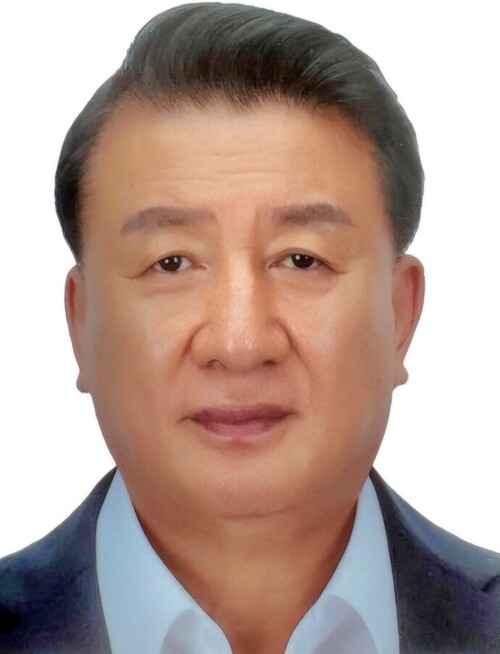
 ▲ 노병한 사주풍수칼럼니스트 © 노병한 사주풍수칼럼니스트 |
정계(政界)에 쥐상·서상(鼠相)의 대표적인 인물로 ‘싱가포르의 리콴유(李光耀) 총리, 대한민국의 이명박(李明博) 대통령, 중국의 시진핑(習近平) 국가&중앙군사위 주석, 중국의 리커창(李克强,) 국무원 총리’의 4명을 들 수 있다. 오늘은 ‘중국의 시진핑(習近平) 국가&중앙군사위 주석, 중국의 리커창(李克强) 국무원 총리’의 사례를 중심으로 살펴보자.
첫째 시진핑(習近平,Xi Jinping,生卒:1953~現) 중국의 국가&중앙군사위 주석(2013~2026.現在)을 역임 중이다. 시진핑은 보이지 않는 움직임으로 판(板)을 장악하는 상으로 ‘권력 구조를 장악하는 통제형 쥐상’이다.
정치에서 권력은 언제나 전면에서만 작동하지 않는다. 오히려 보이지 않는 흐름을 읽고, 조용히 구조를 재편하는 힘이 더 오래 지속되는 경우가 많다. 이러한 관점에서 쥐상·서상(鼠相)은 단순히 기민(機敏)함을 의미하는 것이 아니라, 환경 변화 속에서 살아남고 틈을 파고들어 권력의 핵심을 장악하는 전략적인 측면이 강하다.
시진핑의 경우 외형적으로는 안정적이고 중후한 지도자의 인상을 풍기지만, 관상학적인 관점에서 얼굴의 구조를 세밀히 들여다보면 응축·잠행·집중이라는 쥐상의 본질적인 속성이 매우 강하게 작동하는 유형에 속한다. 그래서 시진핑의 얼굴 구조는 전형적인 쥐상처럼 작고 날카로운 형태라기보다는 확장된 외형 속에 내면이 응축된 변형형에 가까운 쥐상이다.
시진핑의 눈(眼)은 크기보다는 깊이감이 강조된 구조로 시선이 외부를 향해 강하게 발산되기보다 내면으로 응집되는 특징을 가지고 있는데, 이는 정보의 수집형이라기보다 정보의 통제형에 해당하는 시선이다. 그리고 시진핑의 이마·미간은 넓게 펼쳐진 듯 보이지만 중심부가 단단히 모여 있어 사고의 분산보다 집중과 통합이 우선되는 구조다.
시진핑의 코(鼻)는 과도하게 돌출되지 않으면서도 중심축이 안정되어 있어 권력의 상징성보다는 지속성·유지력이 강조되는 구조다. 그리고 시진핑의 입(口)에서 입술은 움직임이 크지 않고 절제된 형태로 발언보다 침묵과 타이밍의 조절에 강점을 가진 구조다.
시진핑 관상의 이러한 요소들은 한마디로 외부의 확장형이 아니라 내부의 응축형 권력 구조를 지향하는 관상학적인 특징을 가졌다고 할 수 있다. 그래서일까 쥐상·서상(鼠相)으로 시진핑 관상은 정치에서 크게 ‘생존·잠행·축적’이라는 3가지 메커니즘·방식으로 작동한다. 그래서 시진핑의 정치 행보는 이 3가지의 요소가 단계적으로 결합한 형태를 보인다.
시진핑의 초년운은 생존과 축적을 위해 보이지 않는 준비기에 해당한다. 시진핑은 초기의 정치 경력에서 전면에 나서기보다 지방과 조직의 내부를 순환하며 기반을 축적했는데, 이는 쥐상이 가지는 은밀한 축적 능력과 일치한다고 할 수 있다.
시진핑의 중년운은 잠행과 진입을 위해 권력 중심으로 이동하는 시기에 해당한다. 시진핑은 권력의 핵심에 진입하는 과정에서도 급격한 돌파보다 점진적인 접근과 내부의 신뢰 확보를 통해 중심부로 이동했음인데, 이는 쥐상의 틈새 진입의 전략에 해당한다고 할 수 있다.
시진핑의 말년운은 장악과 통제를 위해 구조의 재편 단계에 해당하는 시기이다. 시진핑은 집권 이후에는 반대로 매우 강력한 통제의 구조를 구축하며 권력의 분산을 다시 중심으로 응축시키는 행보를 보인다. 이는 쥐상이 단순한 생존형을 넘어 구조의 장악형으로 진화한 형태로 볼 수 있다.
시진핑의 관상과 정치의 행보를 종합해보면 그는 단순한 기민(機敏)형의 지도자가 아니라, 잠행을 통해 축적하고, 축적을 통해 지배하고 장악하며, 장악을 통해 질서를 재편하는 쥐상·서상(鼠相) 권력의 완성형으로 볼 수 있다. 즉 시진핑은 권력 속에서 체제의 통제형으로 장악·지속 권력의 강점을 가진 관상이다.
 ▲ 정계(政界)의 쥐상·서상(鼠相)…관상 개념도 © AI활용 이미지 생성 |
둘째 리커창(李克强,Li Keqiang,生卒:1955~2023) 중국의 국무원 총리(2013~2023)를 역임했다. 리커창은 ‘판(板)을 읽고 관찰하는 지략형·내공형의 쥐상’이다. 리커창의 얼굴·관상을 금수물형(禽獸物形) 중 쥐상·서상(鼠相) 계열로 해석할 때, 전형적인 권력형 강상(强相)이라기보다는 지략형·내공형·실무형 관상에 가까운 특징이 드러난다.
리커창의 전체적인 체형·관상은 과도한 돌출이나 과장된 기세가 없어 ‘은밀·지략·생존형’의 구조를 가진 상이다. 리커창의 관상은 외형은 부드럽고 평온하지만 내면은 계산적이고 치밀한 유형으로 용상(龍相)·호상(虎相)과 같이 권력 투쟁형이라기보다는 ‘상황 적응형·생존형’의 기질이 강해서, 강한 카리스마보다는 ‘지속력·버티는 힘·정책형의 리더십’에 적합해 앞에 나서기보다는 흐름을 읽고 움직이는 두뇌형에 속하는 상이다.
리커창의 두상(頭相)은 비교적 단정하고 크기에 비해 밀집된 느낌으로 과장된 골격보다는 집중력·분석력이 강조되는 구조이기에 사고는 빠르고 현실의 판단이 정확한 타입이다. 그래서 리커창은 큰 비전보다는 ‘현실의 대응·정책의 실행’ 능력이 우수한 소형·집중형의 두뇌 구조를 가진 상이다.
리커창의 이마는 넓지만 과하게 드러나지 않고 평탄하며, 미간은 비교적 좁고 긴장된 형태로 감정보다 논리·상황 판단이 중심을 이루어 이상주의보다 현실주의·계산형의 사고 타입으로 개방보다는 절제형에 속하는 상이다.
리커창의 눈(眼)은 크지 않고 약간 가늘며 집중형으로 안광(眼光)이 강렬하게 발산되기보다는 내면으로 응축된 형태이기에, 관찰력·정보의 수집 능력이 탁월하고 겉으로 드러나는 카리스마는 약하나 뒤에서 판(板)을 읽는 능력이 강한 전형적인 쥐상·서상(鼠相)이다. 그러므로 리커창은 빠르게 상황을 읽고 위험을 감지하는 능력이 뛰어난 소형·예리함·관찰형의 타입에 속하는 쥐상이다.
리커창의 코(鼻)는 높고 두툼하기보다는 비교적 단정하고 절제된 형태로 콧대가 강하게 돌출되지 않아, 정치집권형·대재벌형이 아니라 관리형·재정의 안정형으로 최고의 용상(龍床)에 오르거나 돈을 크게 벌기보다는 흐름을 유지하고 관리하는 능력만을 가진 ‘절제된 재성(財星)의 구조’를 가진 상이라고 할 수 있다.
리커창의 입(口)은 크지 않고 얇은 편이며 입술의 움직임이 절제되어 있어, 말이 많지 않고 필요한 말만 하는 유형으로 외교·정치적인 언어의 사용 능력이 있어, 감정의 표현보다는 계산된 발언을 중시하는 ‘소형·절제·신중형’의 구조를 가진 상이다.
리커창의 턱(顎)은 강하게 돌출되지 않고 부드럽게 마무리되는 곡선을 유지하고 있어 힘으로 밀어붙이는 스타일은 아니다. 그래서 리커창은 강력한 권력의 장악형이 아니라 버티며 균형을 유지하는 구조로, 장기전에는 강하지만 급격한 권력의 투쟁에는 불리한 ‘지속형·버티기형’의 타입에 속하는 상이다. 그러므로 리커창의 쥐상·서상(鼠相)은 ‘지략형·실무형·생존형·내공형·비전보다 실행형’으로 정리될 수 있다.
리커창 쥐상·서상(鼠相)의 강점은 상황 판단력 뛰어나고 위기의 회피 능력이 우수하며 정책·행정의 능력이 강하다는 점이다. 반면에 리커창 쥐상·서상(鼠相)의 약점은 강한 권력의 장악력이 부족하고 카리스마형의 리더십이 약하며 상위 권력자와 충돌 시에 밀릴 가능성이 있다는 점이다. 한마디로 리커창의 쥐상·서상(鼠相)은 판(板)을 뒤집는 자가 아니라, 판(板)을 읽고 살아남는 자의 상이라 할 수 있다.
같은 쥐상·서상(鼠相)에 속하나 시진핑·리커창을 비교할 때 다음과 같은 차이를 보인다. 즉 똑같은 쥐상이나 작용 방식에 따라 ‘생존형→실행형→조정형→통제형’으로 진화하며, 시진핑은 그중에서도 가장 고도화된 응축형 단계에 해당하고, 리커창은 내부 속에서 조율의 조정형으로 균형·정책 감각의 강점을 가진 관상이다.
정계(政界)에 쥐상·서상(鼠相)의 대표적인 인물로 ‘중국의 시진핑(習近平) 국가&중앙군사위 주석, 중국의 리커창(李克强,) 국무원 총리’의 사례를 중심으로 살펴보았는데, 시진핑은 ‘권력 구조를 장악하는 통제형 쥐상’이라면, 리커창은 ‘내부균형을 조정하는 조율형 쥐상’이라고 할 수 있다.
쥐상·서상(鼠相)이 흔히 작고 민첩한 이미지로 단순화되나 실제 정치에서는 보이지 않게 스며들어 결국 중심을 차지하는 힘으로 작용한다는 점을 읽을 수 있다. 시진핑은 그러한 특성을 가장 극단적으로 구현한 사례 중 하나이다. 한마디로 시진핑은 은밀한 생존자에서 구조의 지배자로 전환된 쥐상의 진화된 유형이라고 할 수 있다.
쥐상·서상(鼠相)의 관상의 개괄적·일반적인 특징을 보자. 쥐상은 눈이 크지 않고 깊게 들어간 형태이고 시선은 직선적이기보다 내면의 응시형이며, 쥐상은 얼굴의 윤곽이 넓어 보이지만 세부의 구조는 중심으로 모이는 응축형이고, 쥐상은 입의 주변은 단단하며 표정의 변화가 절제된 구조를 가진다.
쥐상은 외적으로는 안정적·중후한 인상이나 내적으로는 강한 통제력과 타산성을 지녀,
장기권력의 유지 구조를 설계하는 체제형의 전략가로 외부의 확장보다 내부의 장악·질서의 재편에 능한 상이다. 쥐상은 ‘은밀한 권력 운용·장기 잠복형 전략·내부 통제력’이 강한 상이니, 정치에서 단순한 기민함을 넘어서 권력의 흐름을 읽고 때로는 드러나지 않게 구조를 장악하는 유형의 관상이라 할 수 있다.
쥐상·서상(鼠相)의 특징은 작고, 빠르고, 예리하다. 즉 시대가 혼란할수록 쥐상·서상은 오히려 강해지는 생존형 관상이다. 그래서 쥐상·서상(鼠相)의 시대적인 적합성의 관점에서 보면, 혼란기·정보전 시대에 가장 강한 상이다. 예컨대 ‘질서가 깨질 때·정보가 넘칠 때·경쟁이 치열할 때’ 이러한 때 쥐상이 가장 빠르게 기회를 잡는다.
쥐상은 약한 상이 아니라 가장 현실적이고 생존력이 강한 상이다. 큰 힘으로 세상을 움직이지는 못하나 세상의 흐름 속에서 가장 먼저 방향을 읽고 가장 먼저 움직이는 존재가 바로 쥐상이다. 쥐상은 세상을 정복하는 상이 아니라 세상 속에서 살아남고 축적하여 결국 이기는 상이다.
결과적으로 쥐상·서상은 결코 작거나 약한 상이 아니라, 오히려 작은 틈을 파고들어 큰 판을 만드는 전략형 상(相)이다. 용상(龍相)이 대세를 타는 상이라면, 쥐상(鼠相)은 대세를 읽고 먼저 움직이는 상이다. 그래서 시대가 혼란할수록 쥐상·서상이 오히려 강해지는 생존형 관상이다.
□글/노병한:박사/한국미래예측연구소(소장)/노병한박사철학원(원장)/자연사상칼럼니스트/인생상담사.
Political Rat Physiognomy: The ‘Xi Jinping Power Structure Seizure and Control Type’ Rat Physiognomy
- Noh Byung-han, Saju Feng Shui Columnist
[Noh Byung-han’s Physiognomy & Column] In the context of bird and animal physiognomy, the rat physiognomy can be classified as a type characterized by being small, agile, and possessing outstanding ‘calculating ability, survival skills, and the ability to seize opportunities.’ Characteristics resembling the ‘form of a rat’ appear in the shape of the face, gaze, nose, and mouth; the key elements are the intelligence of the eyes, the sharpness of the nose tip, and the rapid responsiveness of the mouth.
The types of rat physiognomy can be broadly distinguished into the ‘rat physiognomy that creates, designs, and dominates the board,’ the ‘breakthrough type rat physiognomy that pierces the board,’ and the ‘inner strength type rat physiognomy that reads the board.’ From a different perspective, this can be classified into the ‘secretive rat type who is completely introverted,’ the ‘active rat type who is sales-oriented and network-oriented,’ and the ‘strategic rat type who is planning-oriented and analytical.’
From this perspective, let us examine examples of figures with rat-like features in the political sphere. Individuals with rat-like features generally share common traits such as ‘quick judgment, seizing opportunities, and flexible response.’ However, those born with rat-like physiognomy can fully exercise their leadership only when supported by people with crane-like or lion-like features around them.
▲ Noh Byung-han, Saju Feng Shui Columnist © Noh Byung-han, Saju Feng Shui Columnist
In the political sphere, four figures can be cited as representative examples of the "rat" or "rat-like" physiognomy: Singapore's Prime Minister Lee Kuan Yew, South Korea's President Lee Myung-bak, China's Chairman of the State and Central Military Commission Xi Jinping, and China's Premier Li Keqiang. Today, let us examine these cases focusing on China's Chairman of the State and Central Military Commission Xi Jinping and Premier Li Keqiang.
First, Xi Jinping (born 1953–present) is currently serving as the Chairman of China's State and Central Military Commission (2013–2026). Xi Jinping possesses the appearance of a "controlling rat" who seizes control of the power structure through unseen movements.
In politics, power does not always operate solely on the front lines. Rather, the power to read unseen currents and quietly reorganize structures often endures longer. From this perspective, the "rat face" does not merely signify agility; rather, it carries a strong strategic aspect of surviving amidst environmental changes, exploiting vulnerabilities, and seizing the core of power.
While Xi Jinping outwardly exudes the impression of a stable and dignified leader, a detailed examination of his facial structure from a physiognomic standpoint reveals that he belongs to a type where the essential attributes of the rat face—condensation, stealth, and concentration—operate very strongly. Therefore, rather than the small, sharp form typical of a rat face, Xi Jinping’s facial structure is closer to a modified form where the inner self is condensed within an expanded exterior. Xi Jinping's eyes feature a structure that emphasizes depth rather than size; his gaze tends to concentrate inward rather than radiate outward, indicating a gaze that controls information rather than collects it. Furthermore, while his forehead and the space between his eyebrows appear broad, the center is tightly packed, suggesting a structure where concentration and integration take precedence over the dispersion of thought.
Xi Jinping's nose is not excessively protruding yet maintains a stable central axis, emphasizing continuity and sustainability rather than the symbolism of power. Finally, his lips exhibit restrained movement, suggesting a structure where he excels in silence and timing control rather than verbal pronouncements.
In short, these elements of Xi Jinping's physiognomy can be described as possessing characteristics that aim for an internal, condensed power structure rather than an external, expansive one. Perhaps that is why Xi Jinping’s physiognomy—characterized by the "rat" or "mouse" features—operates in politics through three major mechanisms and methods: survival, stealth, and accumulation. Consequently, Xi Jinping’s political trajectory exhibits a form in which these three elements are combined in stages.
Xi Jinping’s early fortune corresponds to a period of unseen preparation for survival and accumulation. In his early political career, rather than stepping into the forefront, Xi Jinping built his foundation by circulating within local regions and internal organizations; this aligns with the discreet accumulation capabilities inherent in the "rat" physiognomy.
Xi Jinping’s middle fortune corresponds to a period of moving toward the center of power for stealth and entry. Even in the process of entering the core of power, Xi Jinping moved toward the center through gradual approach and securing internal trust rather than a sudden breakthrough; this corresponds to the "rat" physiognomy’s strategy of entering niches.
Xi Jinping’s later fortune corresponds to a stage of structural reorganization aimed at securing dominance and control. Since assuming power, Xi Jinping has conversely established a very powerful structure of control, taking steps to condense power that was previously dispersed back into a central core. This can be seen as a form in which the "rat-like" physiognomy has evolved beyond a mere survival type into a structure-grabbing type.
When synthesizing Xi Jinping's physiognomy and political trajectory, he can be viewed not merely as a shrewd leader, but as the perfected form of "rat-like" or "mouse-like" power: one who accumulates through stealth, dominates and controls through accumulation, and reorganizes order through control. In other words, Xi Jinping possesses a physiognomy characterized by the strengths of control and sustained power, acting as a system-controlling type within the political sphere.
▲ The "rat-like" and "mouse-like" physiognomy of the political world... Physiognomy Concept Diagram © AI-generated Image
Second, Li Keqiang (Li Keqiang, born: 1955–2023) served as the Premier of the State Council of China (2013–2023). Li Keqiang is described as having the "look of a rat," a strategic and inward-looking type who reads the board and observes. When interpreting Li Keqiang’s face and physiognomy as belonging to the rat or rat type within the animal and beast physiognomy categories, characteristics closer to a strategic, inward-looking, and practical physiognomy are revealed rather than a typical power-oriented, strong physiognomy.
Li Keqiang’s overall physiognomy lacks excessive protrusion or exaggerated energy, resulting in a structure characterized by "secrecy, strategy, and survival." Li Keqiang’s physiognomy reveals a type that appears gentle and calm on the outside, yet is calculating and meticulous on the inside. Rather than being a power-struggle type like those with the Dragon or Tiger physiognomy, he possesses a strong temperament of "situational adaptability and survival." Consequently, he is better suited to "leadership characterized by persistence, endurance, and policy" rather than strong charisma; he belongs to the category of a "brain type" who reads the flow and acts rather than stepping forward.
Li Keqiang’s head features a relatively neat appearance that feels dense relative to its size. Its structure emphasizes concentration and analytical ability rather than an exaggerated skeletal structure, making him a type who thinks quickly and makes accurate judgments on reality. Therefore, Li Keqiang possesses a small, concentrated brain structure that excels in "responding to reality and implementing policies" rather than having a grand vision.
Li Keqiang’s forehead is broad but not excessively prominent and appears flat, while the space between his eyebrows is relatively narrow and tense. His features indicate that logic and situational judgment take precedence over emotion; he is a realist and calculating thinker rather than an idealist, and belongs to the restrained type rather than the open type.
Li Keqiang’s eyes are not large but slightly narrow and focused. Rather than radiating intense light, the gaze is condensed inward. Consequently, he possesses excellent observational skills and the ability to gather information. Although his outward charisma is weak, he has a strong ability to read the situation from behind the scenes, making him a typical "rat" or "mouse" type. Therefore, Li Keqiang is a rat-like figure belonging to the compact, sharp, and observant type, possessing outstanding ability to quickly read situations and detect danger.
Li Keqiang's nose is relatively neat and restrained rather than high and thick, with the bridge not protruding strongly. This suggests he is not a politically ruling or mega-business type, but rather a managerial and financially stable type. Rather than ascending to the highest throne or amassing huge wealth, he possesses the ability to maintain and manage flow—a physique characterized by a "restrained Wealth Star structure."
Li Keqiang's mouth is not large and tends to be thin, with restrained lip movements. He is a type who speaks only when necessary and possesses the ability to use diplomatic and political language. He has a "small, restrained, and prudent" structure, prioritizing calculated remarks over emotional expression.
Li Keqiang's jaw maintains a softly finishing curve rather than protruding strongly, indicating that he is not the type to push things through with force. Therefore, Li Keqiang is not a type that seizes power forcefully, but rather one with a structure of holding out and maintaining balance; he belongs to the "sustaining/holding-out" type, which is strong in long-term battles but disadvantageous in rapid power struggles. Thus, Li Keqiang's "rat" and "mouse" features can be summarized as "strategic, pragmatic, survival-oriented, possessing inner strength, and prioritizing execution over vision."
The strengths of Li Keqiang's "rat" and "mouse" features lie in his excellent situational judgment, superior crisis avoidance ability, and strong capabilities in policy and administration. On the other hand, the weaknesses are a lack of strong power grip, weak charismatic leadership, and the possibility of being pushed back when clashing with higher-ranking officials. In short, Li Keqiang's "rat" and "mouse" features can be described as the face of someone who reads the board and survives, rather than someone who overturns the board.
Although Xi Jinping and Li Keqiang belong to the same "rat" or "mouse" physiognomy, they exhibit the following differences when compared. In other words, while they share the same rat-like appearance, they evolve from the "survival type" to the "execution type," "coordination type," and finally to the "control type" depending on their mode of operation. Xi Jinping corresponds to the most highly developed "condensed type" stage, whereas Li Keqiang is a "coordinating type" who coordinates internally, possessing a physiognomy characterized by strengths in balance and policy sense.
We examined the cases of China's Xi Jinping, Chairman of the State and Central Military Commission, and China's Li Keqiang, Premier of the State Council, as representative figures of the rat/mouse physiognomy in the political sphere. If Xi Jinping is a "controlling rat type who seizes control of the power structure," Li Keqiang can be described as a "coordinating rat type who adjusts internal balance."
While the "rat face" or "mouse face" is often simplified into an image of being small and agile, one can discern that in actual politics, it invisibly permeates and eventually acts as a force that occupies the center. Xi Jinping is one of the most extreme examples of such characteristics. In short, Xi Jinping can be described as an evolved type of rat face that has transitioned from a covert survivor to a ruler of the structure.
Let us examine the general and general characteristics of the physiognomy of the rat face. The eyes of a rat face are not large but deeply set, and the gaze is an inward stare rather than a straight line; although the facial contours appear broad, the detailed structure is condensed, converging toward the center; and the area around the mouth is firm, with a structure in which changes in facial expression are restrained.
The "rat face" presents an outwardly stable and dignified impression, yet possesses strong internal control and calculating nature.
As a system-oriented strategist who designs structures for maintaining long-term power, this face is adept at internal control and the reorganization of order rather than external expansion. Since the rat face is characterized by "covert power operation, long-term latent strategies, and internal control," it can be described as a physiognomy type that goes beyond mere agility in politics to read the flow of power and, at times, seize control of structures without revealing them.
The characteristics of the rat face are small, fast, and sharp. In other words, it is a survival-oriented physiognomy that actually becomes stronger the more chaotic the times become. Therefore, from the perspective of the suitability of the rat face for the times, it is the strongest face during periods of chaos and information warfare. For instance, when "order breaks down, information overflows, and competition is fierce," the rat face seizes opportunities most quickly.
The rat face is not a weak face; rather, it is the most realistic and resilient face. Although one cannot move the world with great power, the Rat-faced being is the first to read the direction within the flow of the world and the first to make a move. The Rat-faced being is not one that conquers the world, but one that survives and accumulates within it to ultimately prevail.
Consequently, the Rat-faced and Rat-faced beings are by no means small or weak; rather, they are strategic types of physiognomy that exploit small openings to create a grand scheme. If the Dragon-faced being rides the prevailing trend, the Rat-faced being reads the trend and moves first. Therefore, the Rat-faced and Rat-faced beings are survival-type physiognomies that actually grow stronger the more chaotic the times become.
nbh1010@naver.com
□ Written by Noh Byung-han: Ph.D. / Korea Future Prediction Research Institute (Director) / Dr. Noh Byung-han Philosophy Institute (Director) / Natural Philosophy Columnist / Life Counselor.