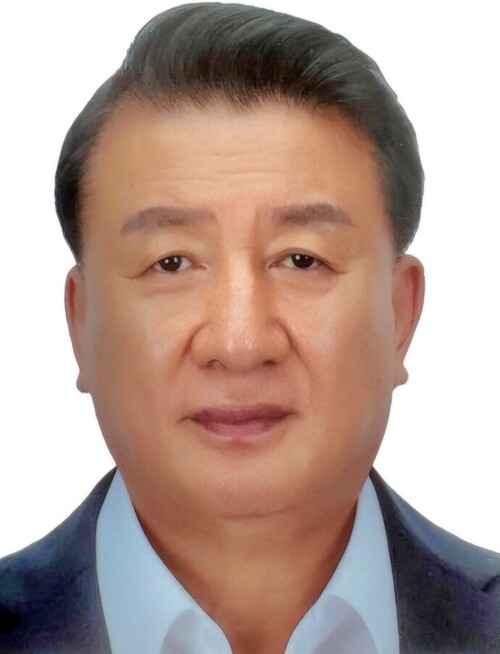
▲ 정길선 박사 ©브레이크뉴스 |
십자가에 못 박혀 죽었던 예수의 부활을 축하하는 부활절은 낮과 밤의 길이가 같은 춘분 이후 첫 번째 보름달이 뜨고 나서 돌아오는 일요일이다. 이 같은 규정은 로마 황제인 콘스탄티누스 1세가 325년 소집한 니케아 공의회에서 결정됐다. 춘분이 양력으로 3월 21일 전후이므로 이르면 3월 22일, 늦을 때는 4월 26일이 부활절이 된다. 실제로 2008년에는 부활절이 3월 23일, 2011년에는 4월 24일이었다. 불과 3년 사이에 한 달이나 차이가 난 것이다. 하지만 부활절이 5월인 경우도 있다. 정교회에서는 가톨릭, 개신교 등과 달리 4월 4일부터 5월 9일 사이에 부활절이 온다. 이처럼 카톨릭과 정교회의 부활절 날짜가 다른 것은 사용하는 역법에 차이가 있기 때문이다.
카톨릭과 개신교는 현재 우리가 이용하는 그레고리력을 채택했지만, 정교회는 전통과 가치를 중요하게 여기며 초기 교회가 쓰던 율리우스력을 고수하고 있다. 본래 러시아의 어린이 날은 6월 1일인데 1949년 국제민주여성연합회가 중심이 되어 제정한 '국제 어린이 날(International Children's Day)'이 근원으로 알려져 있다. 다만 소련 시절에는 상당히 큰 기념일이었지만 공산주의 체제가 붕괴된 이후 그 의미가 축소되어 거의 눈에 띄지 않다가 최근에 다시금 본격적으로 행사를 치르기 시작한 기념일이라고 할 수 있다. 러시아, 중국, 북한, 중앙아시아 등의 국가들은 모두 6월 1일을 아동절로 지정하고 있는데 아동절은 북한에서 지정한 단어로 러시아에서는 "젠 젯쩨이(День детей)"라고 불린다.
러시아에서 어린이 날이 큰 기념일로 다시 탄생한데는 원래 취지인 어린이들의 권익을 보호하고, 가혹 행위를 반대한다는 것 외에 한 가지 의미가 더 포함되어 있다. 이는 러시아의 인구 정책과 관련이 되어 있다. 러시아는 지구 육지의 1/6을 차지하고 있는 세계 최대의 국가이다. 하지만 인구수를 보면 그 영토 크기에 비해 적다고 할 수 있는데 2010년에 실시된 러시아 인구 총조사에 따르면 러시아의 총 인구수는 1억 4천 3백만 명이다. 인구 수로만 따지면 간신히 세계 10위권에 머무르는 수준이다. 그나마도 이 인구수는 2002년에 조사한 것에 비해 200만 여명이 줄어든 결과로 나타난다. 그 원인은 한국의 인구가 하락한 이유와 별 차이가 없다. 노년층이 죽는 것에 비해 젊은 층의 출산율이 상당히 낮기 때문에 벌어진 현상이다.
전통적으로 어린이에 대한 사랑과 배려의 저변이 넓고 무상 교육을 실시하고 있는 러시아인데도 나타나는 이와 같은 출산율 저하는 러시아 국가 발전의 저해 요소로 인식되고 있다. 부족한 인구수를 충당하기 위해 정책적 실시하고 있는 노동 이민은 결과적으로 여러 사회 문제를 양산하고 있어 러시아 정부의 뜻대로 제대로 이루어지지 않고 있다. 이와 같은 이유로 인해 러시아 정부는 국민들의 의료 보조를 강화해 인구수가 줄어드는 것을 막으려는 노력을 하고 있다. 러시아의 기본 정책 목표는 인구수를 늘리는 것이 아니라 현재 인구수를 유지하는 것에 있다. 러시아 정부가 감안하고 있는 국가 인구수의 마지노선은 1억 4천만 명 수준으로 그 이하로 떨어지는 것을 미연에 방지하는 것이 기본 정책이라 볼 수 있다.
러시아에서 어린이 날이 다시금 큰 행사로 재조명되고 도심에서 큰 기념행사가 열리는 것은 이와 같은 국가 상황 및 정책과 무관하지 않다. 물론 도시마다 행사 규모의 차이는 있을 것이다. 6월 1일 러시아의 공식적인 여름의 첫 날이자 어린이날을 맞이해 각 도시에서 어린이날 행사가 벌어지고 있다. 특히 러시아 내부 시민 수 1위를 점유하고 있는 모스크바 도심 고리키 공원은 시민들이 몰려들어 인근 교통상황이 마비되었을 정도인데 시민들 대부분이 어린이를 대동한 가족 단위의 인파들이었다. 고리키 공원은 모스크바 시에서 지정한 공식 행사 장소로 알려져 있다.
러시아 정교회 신자들은 보통 율리우스력 5월 5일에 부활절을 맞이한다. 부활절은 정교회력에서 가장 중요한 축일이지만 구소련 시절에는 부활절 행사 참석이 금지돼 있었다. 이로 말미암아 러시아의 부활절 전통에는 소련 시절 새롭게 생겨난 전통들이 공존한다. 물론 러시아 정교회는 새로운 전통을 환영하지 않는다. 부활절 기념 행사는 십자가 행진으로 이어지는 화려한 성야 미사로 시작된다. 십자가 행진 중에 성직자들은 성상화를 모시고 기도문을 외우며 성당 건물을 시계 반대 방향으로 도는데 그 뒤를 신자들이 따른다. 성야 미사를 마치는 것으로 사순대재의 끝을 고하게 되며 신자들은 이제 금식에서 풀려나게 된다.
러시아 정교신자들은 부활절에 물감으로 색을 입힌 부활절 달걀, 부활절 빵 ‘쿨리치’, 러시아식 코티지 치즈와 건포도로 만든 부활절 케이크 ‘파스하’를 준비한다. 이 음식들은 교회 미사에서 축성을 받는다. 그리고 축성을 받은 달걀 한 알을 이듬해 부활절까지 보관하는데 축성받은 달걀은 1년 내내 부패하지 않는다고 여겨진다. 종교를 인민의 아편으로 금지시켰던 소련 시절에도 사실상 모든 가정에서 부활절 달걀을 장식했다. 이러한 의식에 특별히 종교적 의미를 부여하지는 않았지만 그 당시에 부활절은 모든 이들이 기념하는 축일이었다.
*필자/ 정길선.
노바토포스 회원, 역사학자, 고고인류학자, 칼럼니스트, 러시아 과학아카데미 유라시아 고고인류학연구소 연구교수.
*아래는 위 기사를 '구글 번역'으로 번역한 영문 기사의 [전문]입니다. '구글번역'은 이해도 높이기를 위해 노력하고 있습니다. 영문 번역에 오류가 있을 수 있음을 전제로 합니다.<*The following is [the full text] of the English article translated by 'Google Translate'. 'Google Translate' is working hard to improve understanding. It is assumed that there may be errors in the English translation.>
April 12 is Russian Orthodox Easter
Columnist Jung Gil-sun
Easter, which celebrates the resurrection of Jesus who was crucified and died, falls on the Sunday following the first full moon after the vernal equinox, when the lengths of day and night are equal. This rule was established at the Council of Nicaea, convened by Roman Emperor Constantine I in 325. Since the vernal equinox falls around March 21 in the Gregorian calendar, Easter falls as early as March 22 or as late as April 26. In fact, Easter was on March 23 in 2008 and on April 24 in 2011. This represents a difference of a full month in just three years. However, there are also cases where Easter falls in May. Unlike Catholicism and Protestantism, the Orthodox Church celebrates Easter between April 4 and May 9. The difference in Easter dates between the Catholic and Orthodox Churches is due to the difference in the calendar systems they use. While Catholicism and Protestantism have adopted the Gregorian calendar we currently use, the Orthodox Church, valuing tradition and values, adheres to the Julian calendar used by the early church. Originally, Russia's Children's Day falls on June 1st, and its origin is known to be the "International Children's Day," established in 1949 under the leadership of the International Democratic Women's Union. However, although it was a significant holiday during the Soviet era, its significance diminished after the collapse of the communist system, causing it to become almost invisible until recently when celebrations began to resume in earnest. Countries such as Russia, China, North Korea, and Central Asia all designate June 1st as Children's Day; however, "Children's Day" is a term designated by North Korea, while in Russia it is called "Den Detey" (День детей).
The rebirth of Children's Day as a major holiday in Russia carries another meaning beyond its original intent of protecting children's rights and opposing cruel treatment. This is related to Russia's population policy. Russia is the world's largest country, occupying one-sixth of the Earth's landmass. However, its population is relatively small compared to its territory; according to the 2010 Russian census, the total population stands at 143 million. In terms of population alone, it barely ranks within the top 10 globally. Even this figure represents a decrease of approximately 2 million people compared to the 2002 census. The reasons for this decline are not significantly different from those of South Korea's population drop. This phenomenon is occurring because the birth rate among the younger generation is considerably lower than the mortality rate of the elderly.
Despite Russia having a long tradition of broad love and care for children and providing free education, this declining birth rate is perceived as a hindering factor in the country's development. Labor migration, implemented as a policy to compensate for the population shortage, is ultimately generating various social problems and is not proceeding as the Russian government intended. For these reasons, the Russian government is making efforts to prevent population decline by strengthening medical assistance for its citizens. Russia's fundamental policy objective is not to increase the population, but to maintain its current level. The Russian government considers a national population threshold of around 140 million, and its basic policy can be seen as preventing the population from falling below this level.
The fact that Children's Day is once again being highlighted as a major event in Russia, with large-scale commemorative ceremonies being held in city centers, is not unrelated to these national circumstances and policies. Of course, the scale of the events will vary from city to city. To mark June 1st, which is both the official first day of summer in Russia and Children's Day, events are taking place in various cities. In particular, Gorky Park in downtown Moscow, which boasts the largest population in Russia, was so crowded with citizens that traffic in the surrounding area was paralyzed; the majority of the crowds were families accompanied by children. Gorky Park is known as an official event venue designated by the Moscow Metropolitan Government.
Russian Orthodox believers usually celebrate Easter on May 5th of the Julian calendar. Although Easter is the most important feast day in the Orthodox calendar, attending Easter celebrations was prohibited during the Soviet era. Consequently, Russian Easter traditions coexist with those newly created during the Soviet era. Of course, the Russian Orthodox Church does not welcome these new traditions. Easter celebrations begin with a splendid Holy Vigil Mass leading to a procession of the Cross. During the procession, clergy carry icons and recite prayers as they circle the cathedral counterclockwise, followed by the faithful. The conclusion of the Holy Vigil Mass marks the end of Lent, and the faithful are released from their fasting.
Russian Orthodox believers prepare colored Easter eggs, Easter bread called "kulich," and an Easter cake called "paskha," made with Russian cottage cheese and raisins. These foods are blessed during the church Mass. One blessed egg is kept until the following Easter, as it is believed that a blessed egg does not rot throughout the year. Even during the Soviet era, when religion was banned as the "opium of the people," virtually every household decorated Easter eggs. Although no special religious significance was attached to these rituals, Easter was a holiday celebrated by everyone at that time.