1) 도널드 트럼프 미국 대통령이 13일(현지시간) 미셸 박 스틸(한국명 박은주) 전 미국 하원의원(사진 4)을 한국 주재 미국 특명전권대사로 지명한다고 발표했다. 트럼프 2기 출범 이후 14개월 간 공석이었던 주미 대사에 한국계 인사가 지명되면서 한·미 관계에 가교 역할이 증진될 것으로 예상된다.
스틸 대사 지명자는 공화당 소속으로 재선 연방 하원의원 출신이다. 2020년 캘리포니아 48지구에서 공화당 후보로 나서 현역 민주당 의원을 꺾고 당선됐다. 2022년에는 캘리포니아 45지구에서 재선에 성공했다. 하원에서는 세입위원회, 교육·노동위원회, 美中전략경쟁특위 등에서 활동했다. 2024년 선거에서는 약 650표 차이로 낙선했다.
스틸 대사 지명자는 1955년 6월 서울에서 태어나 일본에서 성장한 후 1975년 부모님을 따라 미국에 갔다. 페퍼다인 대학교에서 경영학 학사,서던캘리포니아(남가주대)에서 MBA 학위를 받았다. 정계에 입문하기 전에는 사업가로 활동하면서 납세자 권익 옹호 운동 등을 벌였다.
그녀는 트럼프 정부 출범 후 유력한 주한 미국대사 후보로 거론됐다. 대사 지명자는 미국 상원의 인준과 주재국 정부의 아그레망(동의)이 필요하다. 트럼프 정부 2기 출범 후 14개월이 넘도록 대사 자리가 비어 있었던 만큼, 한국 정부도 신속한 아그레망(외교관 부임 사전 동의) 절차를 진행할 것으로 예상된다.
스틸 대사 지명자가 정식 임명되면 조 바이든 행정부에서 임명된 필립 골드버그 전 대사가 지난해 1월 이임한 뒤 계속된 주한미국대사 공석 상황이 해소된다.
 ▲ 트럼프 미 대통령(오론쪽). 미셀 박 스틸 신임 주한미 대사(왼쪽). ©자료 사진 |
 ▲ 미셸 박 스틸, 현 주한 미 대사. ©브레이크뉴스 |
2) 미셸 박 스틸이 부임하면 제26대 대사가 된다. 최근의 주한 미국 대사를 보면 25대 필립 골드버그, 24대 해리 해리스, 23대 마크 리퍼트,
22대 한국계 성 킴(한국명 김성용), 21대 캐설린 스티븐스였다.
먼저, 25대 필립 골드버그 대사는 커밍아웃한 '게이 외교관'이었다. 그는 2022년 부임 때부터 동성(同性) 파트너와 함께 한국에 왔으며, 스스로 동성애자임을 밝혔다. 2022년 7월부터 2025년 1월까지 재임했다.
제24대 해리 해리스(Harry B. Harris Jr.) 대사(2018년 7월-2021년 1월)는 군인 출신 유일한 대사였다. 일본계 미국인(일본 요코스카 태생)인 그는 미국 해군 4성 제독(태평양사령부 사령관) 출신으로, 역대 23명의 주한 미국 대사 중 유일한 직업군인, 비문관(非文官) 출신이라는 점에서 매우 이례적이었다.
상대국 대사로서 “군통수권에 가까운 전문가”라는 이미지로, 한국 내에서는 “총독형 대사”라는 비판까지도 나왔다.
태평양사령관 시절부터 북한·중국에 대해 강경한 발언을 여러 차례 해온 인물로, 북한에 대해 “한반도를 적화통일하려 한다”거나 중국 남중국해 인공섬을 “모래 만리장성”이라고 조롱하는 등, 절제되지 않은 언어 사용이 두드러졌다.
그는 방위비 분담금 인상을 요구했고, ‘종북 좌파’라는 표현을 사용했으며, 호르무즈 해협 파병(고덕호)을 압박하면서 문재인 정부와 한국 여론 사이에서 여러 차례 충돌했다. 이 때문에 일부 진보·반미 성향 세력에서는 그를 “미국 총독”, “문제의 대사”로 평가하기도 했다.
그는 한미 동맹의 군사적, 전략적 기능을 강조하면서, 한미 방위비 분담금 인상과 '한일 군사정보보호협정(지소미아, GSOMIA)'의 유지·강화를 적극 주장했다. 이 때문에 진보 진영에서는 그를 '역대 최악의 대사'로 평가한다.
23대 마크 리퍼트(Mark William Lippert) 미국대사는 오바마 행정부 시절 재임했다. 스탠퍼드대 출신으로 국방부 고위직과 백악관 국가안보실 보좌관 등을 거친 외교·안보 전문가로, 한국에 부임하며 한미동맹 강화와 싸드(THAAD) 배치 등을 추진했다. 그는 한국문화에 적극 동화된 <동네 아저씨> 이미지로 유명하며, 아들 '세준이'와 함께 한국생활을 즐겼다. 퇴임 후에는 보잉 부사장, 삼성전자 북미 대외협력팀장 부사장 등으로 활동했다. 그에게 2015년 3월 5일은 잊을 수 없는 날이다. 이날 아침 서울 세종문화회관에서 '민족화해협력범국민협의회' 조찬강연 중 '우리마당' 대표 김기종에'의 흉기에 습격당했다. 오른쪽 얼굴(11cm)과 왼팔(3cm)에 상처를 입었으나 생명에 지장은 없었고, 가해자는 '한미 군사훈련 반대' 이유로 징역 12년을 선고받았다. 피습 후 매우 의연한 모습을 보여 좋은 인상을 줬다.
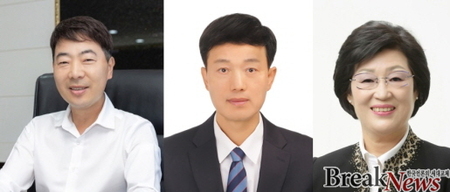
22대 대사는 여러가지로 사연이 많은 성 킴(Sung Yong Kim, 한국명 김성용, 사진 2)이다. 한미 수교 129년 만에 최초의 한국계 미국인 대사였다. 서울 출신으로 부모가 모두 한국인이며 한국어에 유창했으나 공식 석상에서는 사용하지 않았다. 미 국무부 한국과장, 6자회담 수석대표 등을 거친 대북 전문 외교관이었다. 그는 재임 중 '네이버 블로그'를 운영하고 부인과 TV에 출연하는 등 한국 문화에 적극 동화됐다.
2011년 11월부터 2014년 10월까지 약 3년간 재임하며 한미동맹 강화와 북핵 문제를 중점적으로 다뤘다.
그의 가족사는 좀 복잡하다. 그의 부친은 1973년 8월 김대중 납치사건 때 일본에서 현장책임자 중의 하나였던 당시 중정(中情) 소속의 주일 공사 김재권(金載權)이다. 김재완(金在完)이라는 이름도 썼던 성 킴의 부친은 일본에서 귀국 후 몇 해 뒤 미국으로 가 망명했다. 이 때문에 성 킴이 주한 미국대사에 지명됐을 때 "김대중 대통령의 납치범 아들을 어떻게 대사로 받을 수 있느냐"는 논박이 터져나오기도 했다. 그는 이명박 정권 때 대사로 부임했는데, 김대중 정권 때는 물론 노무현 문재인 정권 때에도 아그레망을 받을 수 없었을 것이라는 생각이 든다.
김대중 대통령 납치 사건 주범의 아들을 대사로 받아들이는 나라. 무슨 민족정기를 주장할 수 있는가 말이다.
성 킴은 2022년 4월 당시 대통령 당선자 신분이던 윤석열, 나중에 대통령 비서실장이 되는 정진석, 그리고 후에 국가정보원장이 되는 조태용과 함께 정진석의 집에서 불콰하게 술을 마시고 나오다 사진이 찍혀 구설수에 오르기도 했다. 대통령 당선자는 이미 대통령 예우를 받는데, 미 국무부 차관보 직급인 성 킴과 사적으로 만나면 의전상 안되기 때문이었다. 윤석열, 정진석, 성 킴은 1960년 생 동갑(조태용은 56년 생)으로 이미 상당한 교분이 있었다.
성 김은 2014년 주한 미국대사를 마친 후 국무부 대북정책 특별대표를 거쳐 주필리핀 대사, 주인도네시아 대사, 국무부 동아태 차관보 대행 등을 역임했다. 2023년 공직 퇴임 후에는 법무법인 태평양에서 고문으로 일하기도 했으며, 현대자동차 대외협력·PR 사장을 맡았다.
21대 주한 미국대사는 여성인 캐슬린 스티븐스(Kathleen Stephens, 사진 3)였다. 2008-2011년 재임한 그는 최초 여성 대사로, 한국어를 유창하게 구사한 것으로 유명하다. 그녀는 한국 이름 '심은경'을 선호했고, 20대 시절 충남 예산에서의 평화봉사단(Peace-Corps) 경험, 스포츠 애호가 등의 면모로 한국인들에게 친근한 이미지를 주었다. 한국어에 능통해 주한 대사 중 최초로 통역 없이 한국어로 연설문을 썼으며 친한파 이미지로도 유명하다. 그녀는 1975-1977년 충남 예산중학교에서 평화봉사단 영어교사로 일하면서 한국어를 습득했고, 이후 대사관 근무로 한국에 빠져들게 됐다. 테니스·사이클·등산을 즐기는 활동가였다. 대사 재임 중 블로그에 한국어로 일상을 공유하며 국민적 호감을 얻었다.
캐슬린 스티븐스는 2011년 9월 주한 미국 대사 퇴임 후 국무부 공보차관(2011~2013)을 거쳐 2014년 인도 주재 대사 대행을 맡았고, 2015년부터는 한국외국어대학교 석좌교수로 활동했다. 퇴임 후 한미 관계 전문가로 싱크탱크와 학계에서 활동하며, 북미 문제 등 한반도 관련 대화에 기여하고 있다.
 ▲ 존무초 ©브레이크뉴스 |
 ▲ 캐슬린 스티븐스 ©브레이크뉴스 |
 ▲ 성 김 ©브레이크뉴스 |
3)초대 주한 미국대사 존 무초(John J Muccio, 사진 1)는 대한민국 정부 수립 직전인 1949년 4월부터 1952년 9월까지 재임하며 한미 관계의 초석을 다진 인물이다. 이탈리아계 미국인으로 하버드대 졸업생이며, 1948년 리경직 암살과 여순반란 등 위기 속에서 한국 정부 승인(1949.4.20)을 이끌어냈다. 1950년 6월 전쟁 발발 직후 서울 탈환 실패 시 대통령과 정부 요인을 제주도로 피신시키는 '무초 작전'을 주도적으로 실행핬다. 외교관 출신으로 한국에 대한 깊은 이해와 신뢰를 바탕으로 '한미상호원조조약(1953)' 기반을 마련했다는 평을 받는다. 트루먼 행정부 시절 부임한 그는 한국전쟁 휴전 전까지 재임하며 '한미동맹의 아버지'로 불린다. 퇴임 후 미 국무부 국제기구국장 등을 거쳤다.
제10대 대사인 필립 C 하비브는 (Philip C. Habib,1971년 10월~1974년 8월)는 직설적이고 강인한 성격의 아르메니아계 미국 외교관이었다. 닉슨 대통령의 직접 지명으로 부임한 그는 한국통 전문가로 한국어를 잘 구사하며 박정희 정권과 직설적 대화를 나누었다.
그는 별명이 '트러블 슈터'일만큼 부드러운 전형적 외교관과 달리 정력적, 직선적 태도로 현안에 임했다. 이런 터프한 자세로 섬유 협상과 군사지원 등을 처리했으며, 1973년 8월 김대중 납치사건 때에는 박정희 정권을 강력히 압박해 김대중 생명 구원에 큰 힘이 됐다. 그는 외교관으로서
한국 경험이 풍부했다. 특히 1962~65년 주한미대사관 정치담당 참사관으로 재직하며 정계 네트워크를 구축한 것이 후일 대사로 일할 때 크게 도움이 됐다고 술회했다.
제11대 리처드 스나이더(Richard Lee Sneider) 대사,1974년 9월~1978년 6월)는 아시아 전문가로 무엇보다 한국의 핵개발 시도를 저지한 대사였다. 국무부 동아시아. 태평양 담당 차관보 대리를 거친 베테랑 외교관으로, 남북 대화와 '코리아게이트' 사건 등 주요 현안을 관리했다. 그는 대사 부임 후 박정희 정권의 비밀 핵무기 개발 계획을 발견하고, 강력 반대해 이를 중단시켰다. 또 한미 간 무역 확대와 군사 원조 협상에서 한국 측과 치밀하게 조율했다. 주일 대사관 수석 공사와 NSC(미국 국가안보회의) 보좌관 경험으로 한국 정치, 안보를 깊이 이해했다. 제럴드 포드 행정부 시절 재임하며 한미동맹 안정화에 기여했다.
제12대 대사 윌리엄 H 글라이스틴 주니어(William H. Gleysteen Jr, 1978~1981)는 한국 현대사의 격동기(박정희 사망, 12·12 쿠데타, 5·18 민주화운동)를 겪으며 신중한 원칙주의자로 처신했다는 평을 듣는다. 그는 카터 행정부의 인권 외교와 주한미군 철수 압박 속에서 한미 관계 조율에 고군분투했던 베테랑 외교관이다. 1979년 10·26 사태 후 신군부 등장과 1980년 광주항쟁에 대해 1차 목격자로서 미국 정부에 입장을 전달했다. 그는 직설적이었던 전임자와 달리 완곡하고 세심한 보고서 작성으로 광주항쟁에 대응했다. 이 때문에 일부 운동권 학생들은 "미국이 신군부를 용인, 지원했으며 이 과정에 글라이스틴 대사가 있었다"고 비난하기도 했다. 재임 중 김영삼 총재가 국회에서 제명되자 카터 대통령에 의해 소환한 바 있으며, 주한미군 철수에는 반대 입장을 표명했다. 베이징에서 출생했고, 국무부 동아태(東亞太) 전문가였다.
제13대 리차드 워커(Richard Louis Walker) 대사는 주한 미국 대사 중 가장 장기 재임(1981~1986, 5년 2개월)했다. 예일대 교수의 학자 출신 외교관인 그는 레이건 행정부 시절 전두환 정권과 민주화 세력 사이에서 '균형 외교'를 펼치며 김대중 석방에 기여한 '조용한 외교'의 대가(大家)로 평가받는다. 최장기간 재임하며, 한미 무역·정치 갈등 조율, 전두환-레이건 정상회담 성사에 기여했다. 사형수 김대중 석방 압박과 반체제 인사 옹호 발언으로 한국 민주화 과정에 선한 영향을 끼쳤다. 한국전쟁 참전 용사로 한국 관련 16권의 저서와 한국어 동화집, '한국의 추억'이라는 회고록 출간 등 한국에 애정이 많은 대사였다. 후일 레이건 대통령은 그를 "조용한 외교의 예술가"라고 칭송했다.
제14대 제임스 릴리(James Lilley) 대사, 1986~1989)는 미 CIA(중앙정보국) 출신 중국 전문가로, 1987년 6월 민주항쟁 당시 전두환 정권의 계엄령 선포를 막은 '민주화 수호자'로 유명하다. 그는 레이건 대통령의 친서를 직접 전달하며 무력 진압을 경고해 계엄령 선포를 막았다. 그의 외교적 개입이 한국 민주화의 한 전환점이 됐다는 평가를 받는다. 그는 구체적으로 명동성당 농성 강제진압을 반대했고, 6·10항쟁에 대한 계엄 반대로 전두환 정권을 압박했다. CIA 중국지부장과 주중 대사를 역임한 한국의 북방정책도 지원했다.
그러나 미국 기업의 이익 보호에는 와 강경하기도 했다. 그의 타계 후 부시 대통령은 그를 "가장 효과적인 대사"라고 회고했다.
제19대 알렉산더 버시바우(Alexander Vershbow) 대사(2005년 10월 -2008년 9월)는 조지 W. 부시 행정부 시절 임명되었다. 외교 경험이 풍부한 경력 외교관으로, 주NATO 대사와 미국 국방부 국제안보차관보를 역임했다. 그는 러시아계 유대인으로 소련 붕괴 과정에서 중요한 역할을 했으며, 한국에서의 임기 중에는 한미동맹 강화와 6자회담 등 북핵 문제 대응에 주력했다.
미국이 14개월 동안이나 주한 대사를 비워놨다는 것은 그만큼 한국관계를 그리 중시하지 않는다는 뜻이다. 대사대리로서도 별 탈 없이 끌고갈 수 있다는 다소 안일하고 오만한 자세이기도 하다. 1980년 대처럼 주한 미 대사관이 점거되고 문화원이 불탈 때 같으면 상상도 못할 안이함이다.
 ▲ *필자/김기만. 정론실천연대 명예대표/전 동아일보 파리특파원, 노조위원장/전 청와대 춘추관장. ©브레이크뉴스 |
지난 14개월의 공백 기간 중 조셉 윤(Joseph Yun) 전 미국 국무부 북한정책특별대표가 9개월 간 대사 대리를 했고, 이어 케빈 김(Kevin Kim)이 70 여일(2개월 여) 대사대리를 하고 2026년 1월 초 미국으로 복귀했다.
미국이 볼 때 한국은 아직도 대사를 1년 이상 비워놔도 별 문제 없는 별볼 일 없는 나라다. 주한 미국대사가 일제하의 총독(總督) 같은 존재는 분명히 아니나, 그렇게 보인 시절이 있었다. 그런 시절은 결연코 거부한다.
*필자/김기만
정론실천연대 명예대표/전 동아일보 파리특파원, 노조위원장/전 청와대 춘추관장.
*아래는 위 기사를 '구글 번역'으로 번역한 영문 기사의 [전문]입니다. '구글번역'은 이해도 높이기를 위해 노력하고 있습니다. 영문 번역에 오류가 있을 수 있음을 전제로 합니다.<*The following is [the full text] of the English article translated by 'Google Translate'. 'Google Translate' is working hard to improve understanding. It is assumed that there may be errors in the English translation.>
Let’s take a look at the faces of 25 past U.S. ambassadors to Korea!
With the nomination of former Republican congresswoman Michelle Steele Park of Korean descent to the position of U.S. Ambassador to Korea, which had been vacant for 14 months...
-Kim, Key man honorary representative of the Solidarity for Justice
1) On the 13th (local time), U.S. President Donald Trump announced that he would nominate former U.S. Representative Michelle Park Steele (Korean name Park Eun-joo) (Photo 4) as U.S. Ambassador Extraordinary and Plenipotentiary to Korea. With the appointment of a Korean-American to the position of ambassador to the United States, which had been vacant for 14 months since the inauguration of Trump's second term, the role of bridge between Korea and the United States is expected to improve.
Ambassador Steele is a Republican and a re-elected member of the U.S. House of Representatives. In 2020, he ran as a Republican candidate in California's 48th district and was elected, defeating an incumbent Democratic congressman. In 2022, he was re-elected in California's 45th district. In the House of Representatives, he served on the Ways and Means Committee, the Education and Labor Committee, and the Special Committee on U.S.-China Strategy and Competition. In the 2024 election, he lost by about 650 votes.
Ambassador-designate Steele was born in Seoul in June 1955, grew up in Japan, and moved to the United States with his parents in 1975. He received a bachelor's degree in business administration from Pepperdine University and an MBA degree from the University of Southern California. Before entering politics, he worked as a businessman and campaigned for taxpayer rights.
She was mentioned as a strong candidate for U.S. ambassador to Korea after the Trump administration took office. Ambassador nominees require confirmation from the U.S. Senate and consent from the host government. As the ambassador position has been vacant for more than 14 months since the launch of the second term of the Trump administration, the Korean government is also expected to proceed with a quick agrément (prior consent to appoint a diplomat) process.
If Ambassador Steele is officially appointed, the vacancy of the U.S. Ambassador to Korea, which has continued since former Ambassador Philip Goldberg, who was appointed by the Joe Biden administration, resigned in January of last year, will be resolved.
2) When Michelle Park Still takes office, she will become the 26th ambassador. The recent US ambassadors to Korea include the 25th Philip Goldberg, the 24th Harry Harris, the 23rd Mark Lippert,
The 22nd generation Korean surname was Kim (Korean name Kim Seongyong), and the 21st generation Kathleen Stevens.
First, the 25th Ambassador Philip Goldberg was a ‘gay diplomat’ who came out. Since taking office in 2022, he has been coming to Korea with his same-sex partner and has revealed that he is homosexual. He served from July 2022 to January 2025.
The 24th Ambassador Harry B. Harris Jr. (July 2018 - January 2021) was the only ambassador with a military background.
A Japanese American (born in Yokosuka, Japan), he was a former four-star admiral (commander of the Pacific Command) in the U.S. Navy, and was very unusual in that he was the only career military officer among the 23 U.S. ambassadors to Korea in history and was a non-civilian officer.
As an ambassador to the other country, he had the image of an “expert close to military commander-in-chief,” and was even criticized in Korea for being a “governor-type ambassador.”
He is a person who has repeatedly made hard-line remarks against North Korea and China since his time as commander of the Pacific Command, and his unrestrained use of language was notable, such as when he said of North Korea, “It is trying to unify the Korean Peninsula under communist rule,” or when it ridiculed China’s artificial islands in the South China Sea by calling them “the Great Wall of Sand.”
He demanded an increase in defense cost sharing, used the expression ‘pro-North Korea leftist’, and pressed for the dispatch of troops to the Strait of Hormuz (Go Deok-ho), clashing several times between the Moon Jae-in administration and Korean public opinion. Because of this some
Progressive and anti-American groups evaluated him as “the American governor” and “the ambassador in question.”
He emphasized the military and strategic functions of the ROK-US alliance and actively advocated for an increase in ROK-US defense cost sharing and the maintenance and strengthening of the Korea-Japan Military Information Security Agreement (GSOMIA). For this reason, the progressive camp evaluates him as ‘the worst ambassador of all time.’
The 23rd U.S. Ambassador Mark William Lippert served during the Obama administration. A graduate of Stanford University, he is a diplomacy and security expert who served as a high-ranking member of the Department of Defense and an advisor to the White House National Security Office. Upon his appointment to Korea, he promoted the strengthening of the ROK-US alliance and the deployment of THAAD. he
He is famous for his image as a ‘neighborhood guy’ who actively assimilated into Korean culture, and enjoyed life in Korea with his son ‘Sejun’. After retirement, he served as vice president of Boeing and vice president of Samsung Electronics' North American external cooperation team. For him, March 5, 2015 is an unforgettable day. This morning, during the breakfast lecture of the Pan-National Council for National Reconciliation and Cooperation at the Sejong Center for the Performing Arts in Seoul, he was attacked with a deadly weapon by Kim Ki-jong, the representative of Our Madang. There were injuries to the right side of the face (11 cm) and left arm (3 cm), but there were no life-threatening injuries, and the perpetrator was sentenced to 12 years in prison for 'opposition to ROK-US military exercises.' After the attack, he showed a very resolute appearance and made a good impression.
The 22nd ambassador is Sung Yong Kim (Korean name Kim Seong-yong, photo 2), who has many stories. He was the first Korean-American ambassador in 129 years of diplomatic relations between Korea and the United States. He was from Seoul, both of his parents were Korean, and although he was fluent in Korean, he did not use it in official settings. He was a diplomat specializing in North Korea who served as head of the Korea Department at the U.S. State Department and chief representative of the six-party talks. During his tenure, he actively assimilated into Korean culture, running a 'Naver blog' and appearing on TV with his wife.
He served for approximately three years from November 2011 to October 2014, focusing on strengthening the ROK-US alliance and the North Korean nuclear issue.
His family history is a bit complicated. His father is Kim Jae-kwon (金載權), a minister to Japan who belonged to the Central Government at the time, and was one of the people in charge in Japan at the time of the Kim Dae-jung kidnapping incident in August 1973. Kim's father, who also went by the name Kim Jae-wan (金在完), went into exile in the United States a few years after returning from Japan. For this reason, when Sung Kim was nominated as the U.S. ambassador to Korea, a controversy erupted, asking, "How can the son of President Kim Dae-jung's kidnapper be accepted as ambassador?" He was appointed as ambassador during the Lee Myung-bak administration, but I think he would not have been able to receive an agrément during the Kim Dae-jung administration or even during the Roh Moo-hyun and Moon Jae-in administrations.
A country that accepts as its ambassador the son of the main culprit in the kidnapping of President Kim Dae-jung. What kind of national spirit can one claim?
In April 2022, Sung Kim was photographed drinking alcohol at Jeong Jin-seok's house with Yoon Seok-yeol, who was then president-elect, Jeong Jin-seok, who later became the president's chief of staff, and Cho Tae-yong, who later became the director of the National Intelligence Service. The president-elect already receives presidential courtesy, but protocol does not allow him to meet privately with Sung Kim, who holds the rank of Assistant Secretary of State. Yoon Seok-yeol, Jeong Jin-seok, and Seong Kim were born around the same age in 1960 (Cho Tae-yong was born in 1956) and already had a significant relationship.
After serving as U.S. Ambassador to Korea in 2014, Seong Kim served as the State Department's Special Representative for North Korea Policy, Ambassador to the Philippines, Ambassador to Indonesia, and Acting Assistant Secretary of State for East Asian and Pacific Affairs. After retiring from public office in 2023, he worked as an advisor at Pacific Law Firm and served as president of external cooperation and PR for Hyundai Motor Company.
The 21st U.S. Ambassador to Korea was Kathleen Stephens (Photo 3), a woman. In office from 2008 to 2011, she was the first female ambassador and is famous for her fluency in Korean. She preferred the Korean name 'Shim Eun-kyung', and gave a friendly image to Koreans due to her experience with the Peace Corps in Yesan, South Chungcheong Province in her 20s and as a sports enthusiast. He is fluent in Korean and is the first ambassador to Korea to write a speech in Korean without an interpreter. He is also famous for his pro-Korean image. She learned Korean while working as a Peace Corps English teacher at Yesan Middle School in South Chungcheong Province from 1975 to 1977, and later fell in love with Korea while working at the embassy. He was an activist who enjoyed tennis, cycling, and hiking. While serving as ambassador, he gained public favor by sharing his daily life in Korean on his blog.
After retiring as U.S. Ambassador to Korea in September 2011, Kathleen Stevens served as Deputy Secretary of State for Public Information (2011-2013), then took on the role of Acting Ambassador to India in 2014, and has served as a Distinguished Professor at Hankuk University of Foreign Studies since 2015. After leaving office, he has been active in think tanks and academia as an expert on Korea-US relations, contributing to conversations related to the Korean Peninsula, including North Korea-US issues.
3) The first US Ambassador to Korea, John J Muccio (Photo 1), served from April 1949 to September 1952, just before the establishment of the Korean government, and laid the foundation for Korea-US relations. An Italian-American and graduate of Harvard University, he led the recognition of the Korean government (April 20, 1949) amid crises such as the assassination of Lee Gyeong-jik and the Yeo-sun Rebellion in 1948. Immediately after the outbreak of war in June 1950, he took the lead in executing 'Operation Mucho', which had the president and government officials take refuge in Jeju Island in the event of failure to recapture Seoul. As a former diplomat, he is said to have laid the foundation for the 'Korea-US Mutual Assistance Treaty (1953)' based on deep understanding and trust in Korea. He took office during the Truman administration and served until the armistice of the Korean War, and is called the 'father of the ROK-US alliance.' After leaving office, he served as Director of the Bureau of International Organizations at the U.S. State Department.
The 10th ambassador, Philip C. Habib (October 1971 - August 1974), was an Armenian-American diplomat with a straightforward and strong personality. Appointed directly by President Nixon, he was an expert in Korean communications, spoke Korean well, and had direct conversations with the Park Chung-hee administration.
Unlike the typical soft-spoken diplomat, who was nicknamed 'Trouble Shooter', he tackled current issues with an energetic and straightforward attitude. With this tough attitude, he handled textile negotiations and military support, and during the Kim Dae-jung kidnapping incident in August 1973, he put strong pressure on the Park Chung-hee regime, which was a great help in saving Kim Dae-jung's life. He is a diplomat
I had a wealth of Korean experience. In particular, he said that building a political network while serving as a political counselor at the U.S. Embassy in Korea from 1962 to 1965 was of great help when he later served as ambassador.
The 11th Ambassador Richard Lee Sneider (September 1974 - June 1978) was an expert on Asia and, above all, the ambassador who blocked Korea's attempt to develop nuclear weapons. Department of State for East Asia. He is a veteran diplomat who served as acting assistant secretary for Pacific affairs and managed major issues such as inter-Korean dialogue and the 'Koreagate' incident. After taking office as ambassador, he discovered the Park Chung-hee regime's secret nuclear weapons development plan and strongly opposed it, stopping it. In addition, we closely coordinated with Korea in negotiations for trade expansion and military aid between Korea and the United States. I gained a deep understanding of Korean politics and security through my experience as chief envoy at the Embassy in Japan and as an advisor to the National Security Council (NSC). He served during the Gerald Ford administration and contributed to stabilizing the ROK-US alliance.
The 12th ambassador, William H. Gleysteen Jr (1978-1981), is said to have conducted himself as a prudent principled person while going through the turbulent times of modern Korean history (the death of Park Chung-hee, the December 12 coup, and the May 18 democratization movement). He is a veteran diplomat who struggled to coordinate relations between Korea and the United States amid the Carter administration's human rights diplomacy and pressure to withdraw U.S. troops from Korea. After the October 26, 1979 incident, he presented his position to the U.S. government as the primary witness regarding the emergence of the new military government and the Gwangju Uprising in 1980. Unlike his straightforward predecessor, he responded to the Gwangju Uprising by writing euphemistic and meticulous reports. For this reason, some activist students criticized that “the United States tolerated and supported the new military regime, and Ambassador Gleysteen was involved in this process.” During his tenure, he was recalled by President Carter after Governor Kim Young-sam was expelled from the National Assembly, and he expressed opposition to the withdrawal of US troops from Korea. Born in Beijing, he was a State Department expert on East Asia and the Pacific.
The 13th Ambassador Richard Louis Walker served the longest among U.S. ambassadors to Korea (1981-1986, 5 years and 2 months). A scholar-turned-diplomat from Yale University, he is regarded as a master of 'quiet diplomacy' who contributed to the release of Kim Dae-jung by practicing 'balanced diplomacy' between the Chun Doo-hwan regime and democratization forces during the Reagan administration. He served for the longest period of time and contributed to the coordination of trade and political conflicts between Korea and the United States and the successful Chun Doo-hwan-Reagan summit. He had a positive influence on the democratization process in Korea by pressuring for the release of death row inmate Kim Dae-jung and by speaking out in defense of dissidents. As a veteran of the Korean War, he was an ambassador who had a lot of love for Korea, publishing 16 books on Korea, a collection of Korean fairy tales, and a memoir called ‘Memories of Korea.’ President Reagan later praised him as "an artist of quiet diplomacy."
The 14th Ambassador James Lilley (1986-1989) was a China expert from the U.S. Central Intelligence Agency (CIA), and is famous as a 'defender of democracy' who prevented the Chun Doo-hwan regime from declaring martial law during the June 1987 democratic uprising. He personally delivered a letter from President Reagan and warned of military suppression, preventing the declaration of martial law. His diplomatic intervention is evaluated as a turning point in Korea's democratization. He specifically opposed the forcible suppression of the sit-in protest at Myeongdong Cathedral and put pressure on the Chun Doo-hwan regime to oppose martial law for the June 10 Uprising. He also supported Korea's northern policy, serving as the head of the CIA's China branch and ambassador to China.
However, he was also tough on protecting the interests of American companies. After his death, President Bush recalled him as "our most effective ambassador."
The 19th Ambassador Alexander Vershbow (October 2005 - September 2008) was appointed during the George W. Bush administration. A career diplomat with extensive diplomatic experience, he served as Ambassador to NATO and Assistant Secretary of Defense for International Security Affairs. he
As a Russian Jew, he played an important role in the collapse of the Soviet Union, and during his term in Korea, he focused on strengthening the ROK-US alliance and responding to the North Korean nuclear issue, including the six-party talks.
The fact that the United States has left its ambassador to Korea empty for 14 months means that it does not attach much importance to Korean relations. It is also a somewhat complacent and arrogant attitude that even as an acting ambassador, he can lead the way without any trouble. This is an unimaginable complacency like the 1980s, when the U.S. Embassy in Korea was occupied and the Cultural Center burned down.
During a 14-month hiatus, former US State Department Special Representative for North Korea Policy Joseph Yun
He served as ambassador for 9 months, and Kevin Kim served as ambassador for 70 days (about 2 months) and returned to the United States in early January 2026.
In the eyes of the United States, Korea is still an unremarkable country where there is no problem even if the ambassador is absent for more than a year. The U.S. ambassador to Korea is clearly not like the governor general under Japanese colonial rule, but there was a time when it seemed that way. I resolutely reject those times.
*Writer/Kim, Key-man
Honorary Representative of the Solidarity for Justice/Former Dong-A Ilbo Paris Correspondent, Union Chairman/Former Blue House Spring and Autumn Director.