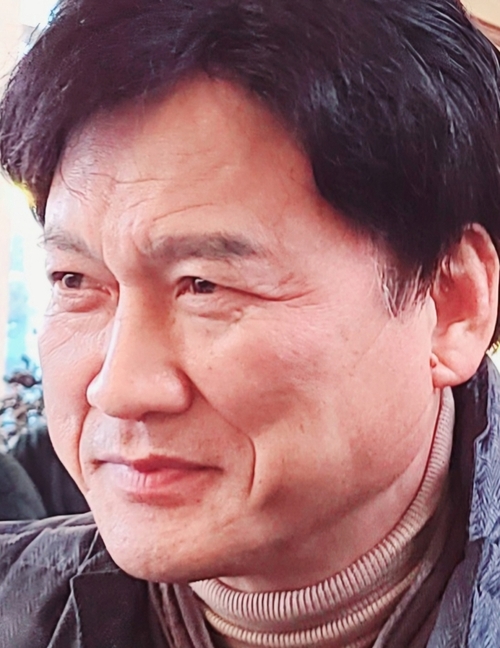
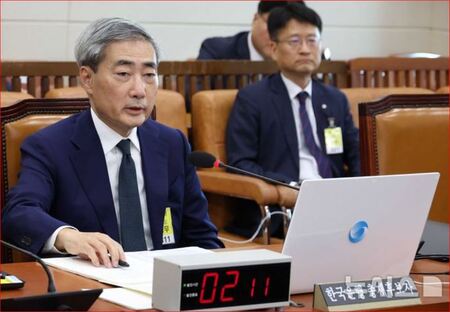
▲ 한전-대우건설, 'TBM 설계기술 고도화' 업무 협약식 진행 모습=한국전력공사 제공 © 정지완 기자 |
반도체 첨단산업단지의 전력 공급과 국가 에너지고속도로 구축을 위한 지하 통로 건설에 첨단 굴착 기술이 도입된다.
한국전력(이하 한전)은 송전선로 건설 사업의 속도를 높이고 기술 경쟁력을 강화하기 위해 대우건설과 ‘TBM 설계기술 고도화’를 위한 업무협약을 체결했다고 15일 밝혔다.
이번 협약은 전력구 터널의 핵심 기술을 내재화하고 나아가 글로벌 시장으로 사업 영토를 확장하려는 포석으로 풀이된다.
양 기관은 지난 14일 서울 중구 대우건설 본사에서 협약식을 갖고, 송전선로 지중화의 핵심 장비인 TBM(Tunnel Boring Machine)의 설계 기술 고도화를 위해 전방위적으로 협력하기로 뜻을 모았다.
TBM은 전력구와 철도, 도로 터널 등을 뚫는 거대 굴착 장비로, 지반의 특성에 맞춘 최적화된 설계가 전체 사업의 경제성과 안전성을 결정짓는 핵심 변수다.
한전은 1987년 부산 전력구 사업을 시작으로 국내에서 가장 많은 TBM 시공 실적을 보유하며 독보적인 기술력을 쌓아왔다.
여기에 국내외 대형 터널 사업을 성공적으로 수행해온 대우건설의 설계 및 시공 역량이 합쳐지면서 시너지 효과가 극대화될 전망이다.
양 기관은 이번 협약을 통해 '국내외 TBM 실적 데이터 및 설계 노하우 공유, 공동 연구개발 및 기술 교류, 현장 실증을 통한 성과 창출' 등 전 분야에서 긴밀한 협력 체계를 구축한다.
특히 데이터 기반의 기술 고도화를 통해 전력구 터널 건설의 효율성을 획기적으로 높인다는 구상이다.
또한 한전 전력연구원은 자체 개발한 TBM 설계 모델을 제공해 대우건설의 터널 사업을 지원하고 기술의 사업화 기반을 닦는다.
대우건설은 보유한 핵심 시험 장비 운영 노하우를 바탕으로 주요 전력구 터널 사업의 설계 모델 검증과 고도화를 뒷받침할 예정이다.
이번 협력은 단순히 국내 건설 기술 향상에 그치지 않고, 해외 터널 사업과 연계한 글로벌 공동 사업화로 이어진다는 점에서 주목받고 있다.
이를 통해 전력구 터널 설계 분야의 기술 자립도를 높이고, 한국의 전력 인프라 건설 기술이 세계 시장에서 우위를 점할 수 있는 계기가 될 것으로 보인다.
김대한 한전 전력연구원장은 대우건설과의 지속적인 기술 교류를 통해 국내 TBM 기술 발전은 물론 글로벌 경쟁력을 확보하는 데 최선을 다하겠다고 강조했다.
*아래는 위 기사를 '구글 번역'으로 번역한 영문 기사의 [전문]입니다. '구글번역'은 이해도를 높이기를 위해 노력하고 있습니다. 영문 번역에 오류가 있을 수 있음을 전제로 합니다.<*The following is [the full text] of the English article translated by 'Google Translate'. 'Google Translate' is working hard to improve understanding. It is assumed that there may be errors in the English translation.>
“Energy Highway Underground”: KEPCO and Daewoo E&C Join Hands for ‘TBM Technology Advancement’
MOU Signed for ‘TBM Design,’ Key to Underground Transmission Lines… Maximizing Stability and Economic Efficiency in Power Tunnel Construction
Advanced excavation technology will be introduced for the construction of underground tunnels to supply power to the advanced semiconductor industrial complex and to establish the national energy highway.
KEPCO announced on the 15th that it has signed a business agreement with Daewoo E&C to advance TBM design technology in order to accelerate transmission line construction projects and strengthen technological competitiveness.
This agreement is interpreted as a strategic move to internalize core technologies for power tunnels and, furthermore, to expand business territory into the global market.
The two organizations held a signing ceremony at Daewoo E&C’s headquarters in Jung-gu, Seoul on the 14th and agreed to cooperate comprehensively to advance the design technology of the TBM (Tunnel Boring Machine), a key piece of equipment for undergrounding transmission lines. TBMs are massive excavation machines used to bore power conduits, railways, and road tunnels; optimized design tailored to specific ground characteristics is a key variable determining the economic viability and safety of the entire project.
Starting with the Busan Power Conduit project in 1987, KEPCO has built unrivaled technological expertise, possessing the most TBM construction track record in Korea.
The synergy is expected to be maximized as this is combined with the design and construction capabilities of Daewoo E&C, which has successfully executed large-scale tunnel projects both domestically and internationally.
Through this agreement, the two organizations will establish a close cooperative framework across all areas, including "sharing domestic and international TBM performance data and design know-how, conducting joint R&D and technology exchange, and generating results through field demonstrations."
In particular, the plan is to dramatically improve the efficiency of power conduit tunnel construction through data-driven technological advancement.
Furthermore, the Korea Electric Power Research Institute (KEPRI) will provide its self-developed TBM design models to support Daewoo E&C's tunnel projects and lay the foundation for the commercialization of the technology.
Based on its expertise in operating core testing equipment, Daewoo E&C plans to support the verification and advancement of design models for major power conduit tunnel projects. This collaboration is drawing attention for the fact that it goes beyond merely improving domestic construction technology and leads to global joint commercialization linked to overseas tunnel projects.
Through this, it is expected to enhance technological self-reliance in the field of power tunnel design and serve as an opportunity for Korea's power infrastructure construction technology to gain a competitive edge in the global market.
Kim Dae-han, President of the Korea Electric Power Research Institute (KEPRI), emphasized that he will do his utmost to secure global competitiveness as well as advance domestic TBM technology through continuous technological exchange with Daewoo Engineering & Construction.
원본 기사 보기:브레이크뉴스대전세종충청