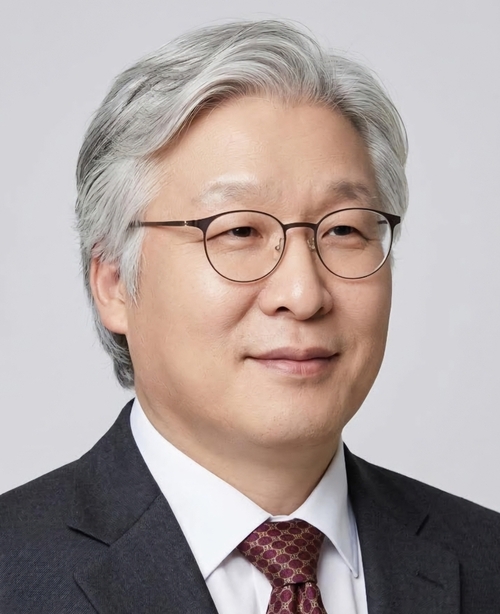
▲ 김정재 의원 ©박영재 기자 |
【브레이크뉴스 포항】박영재 기자=국민의힘 김정재 의원이 철강산업의 전기요금 부담 완화와 탄소중립 전환 지원을 위한 후속 입법에 나섰다.
김 의원은 16일 철강산업 경쟁력 강화와 탄소중립 전환을 지원하기 위한 「철강산업 경쟁력 강화 및 탄소중립 전환을 위한 특별법 일부개정법률안(K-스틸법 개정안)」을 대표발의했다고 밝혔다.
이번 개정안은 철강산업의 탄소중립 전환 과정에서 발생하는 전기요금 부담을 완화하기 위해 관련 지원 근거를 법률에 명시하는 데 초점을 맞췄다. 구체적으로는 산업용 전기요금 감면과 관련된 사항을 철강산업 기본계획과 철강산업경쟁력강화특별위원회의 심의·의결 사항, 철강특구 지원 항목 등에 반영하도록 했다.
이는 앞서 김 의원이 지난 6일 발의한 '전기사업법 일부개정법률안'의 후속 조치다. 기존 전기사업법 개정안이 산업위기지역 철강기업을 대상으로 한 선택공급약관 적용과 전력산업기반기금 부담금 면제 근거 마련에 초점을 맞췄다면, 이번 K-스틸법 개정안은 철강산업 지원 정책 전반에 전기요금 감면을 포함시켜 보다 체계적인 지원 기반을 구축하려는 취지다.
현행 K-스틸법은 철강산업 경쟁력 강화를 위한 기본계획 수립과 특별위원회 운영, 기술개발 지원, 철강특구 지정 등을 규정하고 있으나, 전기요금 부담 완화에 대한 직접적 규정은 미비한 상황이다.
특히 최근 산업용 전기요금 인상과 요금체계 개편으로 철강업계의 부담이 가중되고 있다는 지적이 이어지고 있다. 지난 3월 정부와 한국전력이 발표한 산업용 전기요금 개편안은 낮 시간대 요금을 일부 인하하고 야간 요금을 인상하는 방식이었지만, 24시간 가동이 불가피한 철강업 특성상 실질적인 절감 효과는 제한적인 것으로 분석된다.
실제 동일한 전력 사용 기준에서 절감 효과는 1kWh당 약 1원 수준에 그친 것으로 나타났으며, 포항 지역 철강업계 역시 최근 수년간 약 80% 가까이 상승한 전기요금 부담을 고려할 때 체감 효과가 크지 않다는 반응을 보이고 있다.
김 의원은 “탄소중립 전환 과정에서 전력 수요는 증가하는 반면, 이를 뒷받침할 제도적 장치는 충분하지 않다”며 “전기요금 부담 완화와 탄소중립 지원이 유기적으로 작동할 수 있도록 입법적 기반을 강화할 필요가 있다”고 강조했다.
이어 “철강산업은 국가 제조업의 핵심이자 포항 지역경제를 지탱하는 기반 산업”이라며 “전기요금 부담과 글로벌 공급 과잉, 탄소중립 전환이라는 복합 위기를 극복할 수 있도록 정책적 지원을 지속적으로 추진하겠다”고 밝혔다.
<구글 번역으로 번역한 영문 기사의 전문 입니다. 번역에 오류가 있을 수 있음을 밝힙니다.>
Rep. Kim Jung-jae Proposes K-Steel Act Amendment to Support Electricity Costs for Steel Industry
— Aims to ease burden of carbon neutrality transition and strengthen comprehensive support system
Rep. Kim Jung-jae of the People Power Party, representing Pohang Buk-gu, has introduced follow-up legislation aimed at reducing electricity cost burdens on the steel industry while supporting its transition to carbon neutrality.
On April 16, Kim announced that she has proposed a partial amendment to the Special Act on Strengthening the Competitiveness of the Steel Industry and Supporting Its Transition to Carbon Neutrality (commonly referred to as the K-Steel Act).
The amendment focuses on explicitly establishing legal grounds for electricity rate reductions associated with the steel industry’s transition to carbon neutrality. Specifically, it includes provisions to reflect electricity rate discounts and industrial electricity tariff reductions in the national master plan for the steel industry, deliberations and resolutions of the Special Committee on Steel Industry Competitiveness, and support measures for designated steel industry zones.
This bill follows a previous amendment to the Electric Utility Act proposed by Rep. Kim on April 6. While the earlier bill aimed to provide a legal basis for discounted electricity rates and exemptions from the Electric Power Industry Fund for steel companies in industrial crisis regions, the latest K-Steel Act amendment seeks to incorporate electricity cost support into the broader policy framework for the steel industry, thereby establishing a more systematic and comprehensive support structure.
The current K-Steel Act already outlines measures such as the formulation of a basic plan to enhance competitiveness, the operation of a special committee, support for technological development, and the designation of steel industry zones. However, it lacks explicit provisions addressing direct electricity cost relief.
Amid recent increases in industrial electricity rates and restructuring of the tariff system, concerns have grown within the steel industry over rising energy costs. In March, the government and Korea Electric Power Corporation (KEPCO) introduced a revised pricing scheme that lowers daytime industrial electricity rates while raising nighttime rates. However, given that steel mills typically operate 24 hours a day, the actual cost-saving effect has been limited.
Estimates indicate that the net reduction amounts to only about 1 KRW per kWh for facilities with constant electricity usage. Steel companies in Pohang have also noted that, with industrial electricity rates having risen by nearly 80% over the past three to four years, the recent adjustment provides only marginal relief.
Rep. Kim stated, “As electricity demand increases during the transition to carbon neutrality, institutional mechanisms to alleviate the burden on industries remain insufficient. It is essential to strengthen the legal framework so that electricity cost relief and carbon neutrality support can work in tandem.”
She added, “The steel industry is a cornerstone of Korea’s manufacturing sector and a key pillar of Pohang’s economy. We will continue to pursue policy support to help the industry overcome compounded challenges, including rising electricity costs, global oversupply, and the transition to carbon neutrality.”
원본 기사 보기:브레이크뉴스 대구경북