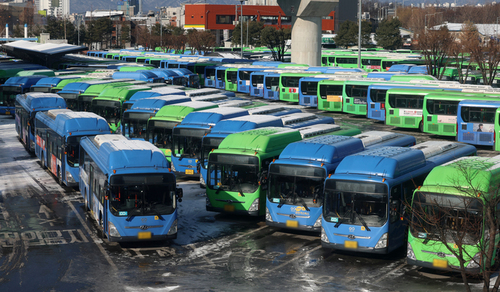
▲서울 중심부의 부동산. ©브레이크뉴스 |
문재인 정권의 부동산 정책 실패로 대한민국이 부동산 망국으로 가고 있다. 한국인에게 집의 의미는 무엇일까? 자본주의 역사가 짧다 보니까 국가가 국민을 지켜주는 든든한 안전망이 된 적이 없다. 특히, 사회적 동물로서 군거하는 데 필수적인 '내 집' 마련을 해주는 노력을 게을리했다는 거다. 주택시장도 시장의 기본원리인 수요와 공급의 영향을 받는다는 평범한 사실을 잊은 채, 특히 수도 서울은 수요에 비해 공급이 부족했다. 그래서 서울의 부동산 시장은 언제나 과열이었다. 이런 과정에서, 서울은 부동산을 통해 부를 축적한 사람과 내 집 마련의 꿈을 상실한 사람으로 나눠지면서 빈부의 격차는 더욱 심해졌다. 즉, 부동산에 의해 촉발된 부정의injustice가 서울 하늘을 지배하게 됐다. 역대 어느 정권도 부동산 문제에 대한 만족스러운 처방을 내놓은 적이 없었고, 특히 진보좌파 정권인 노무현과 문재인 시기에 서울의 부동산 가격이 가파르게 상승하면서 내 집 마련의 꿈이 무참하게 짓밟아 버렸다.
서울시민의 꿈인 내 집 마련이 정말 요원해 진 걸까? 왜 독일과 싱가포르가 할 수 있는 일을 한국은 하지 못할까? 서울시민이 모두 만족하는 부동산 해법은 없는 걸까? 물론, 최선의 방안은 서울의 부동산 시장 수요에 맞춰 공급을 해주는 것이다. 그런데, 왜 이런 기본적 시장 원리가 제대로 작동하지 않는 걸까? 정부 관료, 정치인, 재벌 건설사, 금융기관, 투기꾼 등으로 이루어진 카르텔이 시장을 왜곡하고 있기 때문이 아닐까? 여기다가, 일반 국민도 살기 위한 집이 아니라 팔기 위한 집을 확보하려고 하면서 부동산 광풍이 일어난 게 아닐까? 부동산을 통해 부를 확장하는 건 나쁘다. 어느 그룹이 부를 취하는 대신에 다른 그룹은 부를 빼앗기는 구조이기 때문에 사회 정의로 봐서도 온당치 않다. 역대 정권도 비난받아 마땅하다. 경제성장률 수치에 매몰되어 건설을 통한 경기 부양책으로 부동산 시장을 활성화시켰기 때문이다. 현금 유동성으로 돈이 부동산 시장에 몰리는 건 국가 경제 발전에 전혀 도움이 되지 않는다. 돈이 생산적인 경제활동, 즉 증권시장에 몰려 기업 자금의 창구가 되고, 기업은 이 돈으로 투자를 하고, 그러면 고용이 창출되고, 궁극적으로는 공장에서 완성된 제품을 수출하여 국부를 창출하는 것이다.
통계청의 인구주택총조사 결과에 따르면, 1인가구는 2019년에 전체의 30.2%, 2인가구는 27.8%로 1~2인 가구 비중이 58%로 증가했고, 3인가구는 2019년 20.7%로 이전에 비해 큰 변화가 없었고, 4인가구의 비중은 2019년 16.2%로 이전에 비해 대폭 감소했다. 이는 지금까지 가구구성이 4인 가구 중심에서 3인 가구나 특히 1~2인 가구로 변했다는 것을 말하고 있다. 서울시의 경우 가구 수는 2019년 기준으로 3,896,389가구이며 주택 수는 2,953,964호로 주택수보다 가구 수가 942,425가구나 더 많았다. 서울은 실제 주택보급률이 통계청 자료로 보면 75.8%로 밖에 되지 않는데, 정부는 서울의 주택보급률이 98% 정도라고 말한다. 통계에서 보듯이 가구 수보다 주택수가 턱없이 부족하니 지속적으로 주택가격이나 전월세 가격이 상승할 수밖에 없는 구조다. 그래서 서울의 주택 부족현상은 심각한 상태이며 주택을 어느 정도 공급한다고 해도 상당기간은 주택가격이 계속 상승할 수밖에 없다. 특히, 서울은 다주택자가 다른 지역보다 월등히 많다. 2018년 기준 서울시 주택보유자 246만 명 중 다주택자 비율은 38만 9000명으로 16%에 달해서 실제 주택 보급률은 40%에 그친다. 이렇게 수요보다 공급이 부족한데도 정부는 오히려 공급을 늘리기보다는 임대차3법(전월세상한제, 계약갱신청구권제, 전월세신고제)과 조세3법(취득세 강화, 양도세 강화, 종합부동산세 강화) 등으로 시장을 규제하고 있어 향후 주택가격은 더 오를 수밖에 없다.
그러면 어떻게 해야 할까? 민관 합동으로 시장의 수요에 맞춰 공급을 극대화하면 된다. 즉, 민간은 재개발, 재건축을 하게 하고, 정부는 오로지 공공주택을 대규모로 공급하여 시장의 거품을 빼는 것이다. 구체적으로 살펴보자.
첫째, 민간 주도로 건설되는 재개발, 재건축에 따른 소셜믹스형아파트다. 즉, 재개발, 재건축을 활성화하여 분양과 임대가 섞이게 하는 거다. 용적율이나 층고 등 각종 규제를 완화해주고, 대신에 무주택 취약 계층을 위해 임대아파트 공급 비율을 최소 30%로 하는 것이다. 이렇게 되면, 제2의 뉴타운 사업이 탄력을 받게 되고, 동시에 사각지대에 있는 저소득층까지 케어할 수 있게 되니까 서울공동체 정신에도 부합한다. 어쨌든, 점점 노후화되는 서울의 주택들을 재개발, 재건축 사업을 추진하여 주거환경을 개선함은 물론 주택공급을 늘려 시장이 안정화 될 수 있도록 하는 게 중요하다. 그리고 서울의 택지가 부족한 현실을 감안하여 주거지역은 물론 준주거지역과 상업지역까지도 주택을 공급할 수 있는 토지의 용적율은 국토의 계획 및 이용에 관한 법률이 정하는 상한 용적률까지 건축할 수 있도록 해야 한다. 특히, 서울의 스카이라인 35층은 예전처럼 완화하여 50층까지 건축을 허용해야 한다. 이렇게 해야 주택공급이 늘어나게 될 것이다.
둘째, 정부 주도로 건설되는 공공모기지론 아파트다. 즉, 공공자가주택으로 일종의 토지임대부 아파트다. 싱가포르가 성공 사례다. 정부 즉, SH공사(LH공사 포함)가 공급하는 아파트는 모두 공공모기지론 아파트로 한다. 이른바, 토지 소유권은 SH가 갖고, 지상권은 소비자에게 분양하는 거다. 한국인들이 내 집에 집착하는 이유는 나와 내 가족을 지키는 안전장치라고 생각하기 때문이다. 이런 국민정서를 감안하여 경제활동을 하는 소비자에게 임대가 아니라 지상권이라도 소유권을 주자는 거다. 평형을 20평, 25평, 30평, 35평, 40평 등 5가지로 한다. 평당 건축 비용이 500만원이라면 20평형은 1억, 25평형은 1억 2천 5백만원, 30평형은 1억 5천만원, 35평형은 1억 7천 5백만원, 40평형은 2억원이면 된다. 여기에 정부가 보유한 토지 사용료를 더하면 된다. 목돈이 없어도 분양받아 내 집 마련의 꿈을 이룰 수 있는 것이다. 다만, 로또가 되지 않도록 서울신용보증기금이 보증하는 장기 모기지론을 도입하고, 동시다발적으로 충분한 양을 공급한다. 어떻게 가능할까? 미국 모기지론 방식으로 가면 된다. 즉, 분양가의 10%만 내고, 나머지 90%는 2-30년에 걸쳐 원리금을 갚는 방식이다. 원리금은 평형과 연수에 따라 다르겠지만, 매월 50-70만원 전후가 될 것이다 다만, 2-30년이 지나면 완전한 내 소유가 되어 자유롭게 매도 가능하지만, 기간을 채우기 전에 매도할 때는 SH공사(LH공사 포함)에 매도하는 방식이어서 투기를 원천적으로 차단할 수 있고, 집은 오로지 살기 위한 공간으로 기능을 하는 것이다.
여기에 더하여 대한민국의 미래세대를 위한 배려도 있어야 한다.
첫 번째가 청년임대아파트다. 집이 직장생활을 하기에 편리해야 한다. 누가 뭐라고 해도 이동성이 좋은 역세권이 좋다. 어떻게 해야 할까? 서울시내 지상 지하철 역이 있는 공유지를 활용하여 청년을 위한 대규모 임대아파트를 지으면 된다. 10평에서 15평이면 족하고, 월세 부담을 최소한이 되도록 한다. 공유지에 청년아파트를 지으니까 토지 수용 비용이 없고, 오로지 건축 비용만 들어가니까 가능한 이야기다. 예를 들면, 평당 건축비용이 500만원이라면, 10평은 5,000만원이고 15평은 7,500만원이다. 건축원가에 대한 연리 2%와 아파트 감가상각비와 토지 사용료를 더해도 대략 월세가 10평은 약 20만원, 15펑은 약 30만원이면 가능할 거다. 경제활동하는 청년이 충분히 감당할 수 있는 액수다. 로또가 되지 않도록 처음에는 대규모 공급을 하고, 순차적으로 수요에 따라 청년 임대아파트를 공급하면 되는 것이다.
두 번째가 신혼부부아파트다. 저출산 고령화 시대를 맞이하여 신혼부부를 위한 주거를 안정시키는 건 정부의 책무다. 생산 가능 인구 없이 인구절벽 시대를 맞이하는 것은 대한민국의 미래를 어둡게 하는 것이다. 신혼부부들이 어린 자녀를 쉽게 키울 수 있는 맞춤형 소도시가 필요하다. 어떻게 해야 할까? 나는 대한민국의 미래인 신혼부부에게 용산공원 80만평을 선물로 주었으면 한다. 이른바, 신혼부부를 위한 공공모기지론 아파트를 25평형 초고층으로 10만호 건설하는 것이다. 물론, 공원도시를 전제로 해서 말이다. 여기다가 인공지능, 로봇, 자율주행차, 바이오 등 4차 산업혁명 관련 글로벌기업 R&D 센터와 국내 유수대학 4차산업 관련 연구소를 유치해서 서울 도심 속의 실리콘밸리를 만드는 거다. 이름하여 용산 U-CITY, 즉 젊음을 뜻하는 YOUTH와 정보통신을 상징하는 UBIQUITOUS의 발음을 딴 유씨티다. 물론, 용산공원 추진 계획을 바꾸기는 쉽지 않을 거다. 용산공원을 뉴욕의 센트럴파크나 런던의 하이드파크처럼 조성하겠다는 건데, 서울 부도심에 대규모 공원이 왜 필요한 지 모르겠다. 뉴욕이나 런던은 평지에 건설된 도시라 산이 없고, 강폭도 좁아서 주변을 공원화히기도 어려워서 시내 중심에 공원을 조성한 것이다. 여기에 비해 서울은 축복받은 도시다. 남산, 북한산, 도봉산, 수락산, 대모산, 청계산이 공원이고, 한강변이 공원이다. 원하기만 하면, 어린이대공원, 서울대공원, 에버랜드 등에 쉽게 접근할 수 있다. 혁명적인 사고의 전환을 요한다.
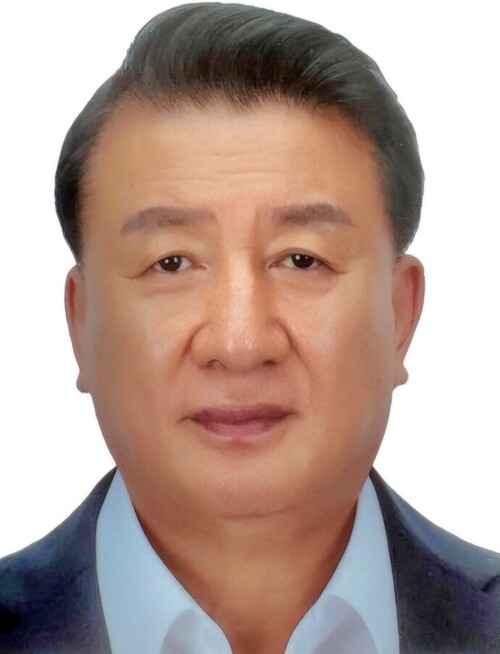
 ▲ 김정기 칼럼니스트. ©브레이크뉴스 |
결론이다. 이제부터라도 서울시 공동체가 하나가 되어 건강성을 회복하는 노력이 민관 합동으로 이뤄지기를 간절히 소망한다. 즉, 수요와 공급이라는 시장 논리에 부합하여 정부는 공공모기지지론 아파트를 최대한으로 공급하고, 민간은 재개발, 재건축을 통해 소셜믹스형 아파트로 분양과 임대가 함께 이루어지게 하면 서울 부동산 문제 해결이 되지 않을까? 그리하여 서울이 세계에서 가장 살고 싶은 도시 1위가 되는 날을 꿈꿔 본다.
*필자 김정기
미국변호사, 제8대 주 상하이 대한민국 총영사, 숭실사이버대학교 초대 총장, 국민대학교 정치대학원 특임교수, 법무법인 대륙아주 중국총괄 미국변호사, 밀리언셀러 거로영어시리즈[전10권] 저자, 유튜브채널 신의한수 <김정기의 세계전망대> 정치평론가(현).
*아래는 위 기사를 구글 번역기로 번역한 영문 기사의 [전문]이다. [Below is the [full text] of an English article translated from the above article with Google Translate.]
Seoul apartment is possible at half the price of now!
I dream of a day when Seoul will become the number one city in the world where I want to live.
-Kim Jung-ki columnist
Due to the failure of the Moon Jae-in regime's real estate policy, Korea is going into a real estate ruin. What is the meaning of home for Koreans? Given the short history of capitalism, the state has never become a strong safety net to protect the people. In particular, he said he neglected to make efforts to provide'my home', which is essential for living as a social animal. Forgetting the common fact that the housing market is also affected by supply and demand, which are the basic principles of the market, especially in the capital city of Seoul, supply was insufficient compared to demand. So the real estate market in Seoul has always been overheating. In this process, the gap between the rich and the poor widened as Seoul was divided into those who had accumulated wealth through real estate and those who had lost their dreams of getting a home. In other words, the injustice triggered by the real estate came to dominate the Seoul sky. No other regime has ever come up with a satisfactory prescription for the real estate problem, and especially during the period of the progressive leftist Roh Moo-hyun and Moon Jae-in, the steep rise in real estate prices in Seoul trampled on my dream of obtaining a home.
Has the Seoul citizens' dream of preparing my own home really become unstable? Why can't Korea do what Germany and Singapore can do? Is there no real estate solution that all citizens of Seoul are satisfied with? Of course, the best option is to provide supplies to meet the needs of the real estate market in Seoul. But, why are these basic market principles not working properly? Isn't it because the cartel made up of government officials, politicians, conglomerates, financial institutions, speculators, etc. is distorting the market? On top of that, wasn't there a real estate craze as the general public tried to secure a house for sale rather than a house for living? It's bad to expand wealth through real estate. Because it is a structure in which one group takes the wealth, the other group takes it, so it is not reasonable even in terms of social justice. Successive regimes are also deserving of blame. This is because it was buried by the economic growth rate and activated the real estate market through economic stimulus measures through construction. The flow of money into the real estate market due to cash flow does not help the country's economy at all. Money flocks to productive economic activities, that is, the stock market, and becomes a window for corporate funds, and companies invest with this money, which creates employment, and ultimately creates national wealth by exporting finished products at factories. .
According to the results of the Population and Housing Census by the National Statistical Office, the proportion of single-person households increased to 30.2% in 2019 and 27.8% for two-person households, and 58% for single-person households, and 20.7% for three-person households in 2019. Compared to that, there was no significant change, and the proportion of four-person households was 16.2% in 2019, a significant decrease from the previous year. This means that until now, the composition of the furniture has changed from a 4-person household to a 3-person household, especially one or two-person households. In the case of Seoul, the number of households was 3,896,389 as of 2019, and the number of houses was 2,953,964, which was 942,425 more than the number of houses. In Seoul, the actual housing supply rate is only 75.8% according to statistics from the National Statistical Office, but the government says the housing supply rate in Seoul is around 98%. As the statistics show, the number of houses is not enough than the number of households, so housing prices and cheonsei prices are inevitably rising. Therefore, the housing shortage in Seoul is in serious condition, and even if housing is supplied to some extent, housing prices are bound to continue to rise for a considerable period of time. In particular, Seoul has far more multi-homed people than other regions. As of 2018, the proportion of multi-homed people out of 2.46 million homeowners in Seoul was 389,000, reaching 16%, and the actual housing penetration rate was only 40%. Despite the shortage of supply rather than demand, rather than increasing the supply, the government managed the market with the 3rd Lease Act (the monthly tax limit, the right to apply for contract renewal, the rent to cheonsei report system) and the 3rd Tax Act (reinforced acquisition tax, strengthened transfer tax, and strengthened comprehensive real estate tax). As they are regulated, housing prices will inevitably rise further.
So what do you do? Public-private partnerships can maximize supply to meet market demand. In other words, the private sector is forced to redevelop and rebuild, and the government only supplies public housing on a large scale to remove the market bubble. Let's look specifically.
First, it is a social mix-type apartment based on redevelopment and reconstruction that is built by the private sector. In other words, redevelopment and redevelopment are revitalized so that pre-sale and rental are mixed. It eases various regulations such as floor area ratio and floor height, and instead sets the ratio of rental apartments to at least 30% for the vulnerable. In this case, the second new town project will be regained momentum, and at the same time, it will be able to care for the low-income class in the blind spot, which is in line with the spirit of the Seoul community. Anyway, it is important not only to improve the residential environment by promoting redevelopment and reconstruction projects in Seoul's increasingly aging houses, but also to increase housing supply so that the market can stabilize. In addition, in view of the shortage of residential land in Seoul, the floor area ratio of land that can supply housing to residential areas as well as semi-residential and commercial areas should be built up to the maximum floor area ratio prescribed by the National Land Planning and Use Act. In particular, the 35th floor of the Seoul skyline should be relaxed as before, allowing construction up to the 50th floor. This will increase the housing supply.
Second, it is a public mortgage loan apartment built by the government. In other words, it is a kind of land rental apartment as a public private house. Singapore is a success story. All apartments supplied by the government, that is, SH Corporation (including LH Corporation) are public mortgage loan apartments. So-called land ownership is owned by SH, and superficies are distributed to consumers. The reason Koreans are obsessed with my home is that they think it is a safeguard to protect me and my family. In view of this national sentiment, it is to give ownership to consumers who engage in economic activities, even superficial rights rather than rent. There are five types of balance: 20 pyeong, 25 pyeong, 30 pyeong, 35 pyeong, and 40 pyeong. If the construction cost per pyeong is 5 million won, 20 pyeong is 100 million won, 25 pyeong is 125 million won, 30 pyeong is 150 million won, 35 pyeong is 175 million won, and 40 pyeong is 200 million won. To this, add the government-owned land usage fee. Even if I don't have a small amount of money, I can get it and realize my dream of getting a house. However, to avoid becoming a lottery, a long-term mortgage loan guaranteed by the Seoul Credit Guarantee Fund is introduced, and sufficient amounts are simultaneously supplied. How is it possible? You can go with the American mortgage loan method. In other words, only 10% of the pre-sale price is paid, and the remaining 90% is paid off over 2-30 years. The principal and interest will vary depending on the equilibrium and the number of years, but will be around KRW 500,000 to 700,000 per month. However, after 2 to 30 years, it becomes fully owned and can be freely sold. However, when selling before the period is completed, SH Corporation (including LH Corporation) It is a method of selling to) so that speculation can be fundamentally blocked, and the house functions as a space for living only.
In addition, there should be consideration for future generations of Korea.
The first is the youth rental apartment. Your home should be convenient for working life. No matter what anyone says, a station area with good mobility is good. What should I do? You can build a large-scale rental apartment for young people by using the public land with subway stations above ground in Seoul. 10 to 15 pyeong is sufficient, and the monthly rent burden is minimized. This story is possible because there is no cost to accommodate land because the youth apartment is built on the common ground, and only construction costs are charged. For example, if the construction cost per pyeong is 5 million won, 10 pyeong is 50 million won and 15 pyeong is 75 million won. Even if we add 2% of the annual interest for the construction cost, the depreciation of apartments and the land use fee, the monthly rent would be approximately 200,000 won for 10 pyeong and 300,000 won for 15 pyeong. This is an amount that a young economically active youth can afford. In order not to become a lotto, it is necessary to supply large-scale apartments at first, and then supply youth rental apartments according to demand.
The second is the newlyweds apartment. It is the government's responsibility to stabilize housing for newlyweds in the age of low birthrate and aging. Entering an era of population cliffs without a productive population is darkening the future of Korea. There is a need for a customized small town where newlyweds can easily raise their young children. What should I do? I would like to give a gift of 800,000 pyeong of Yongsan Park to newlyweds, the future of Korea. In other words, 100,000 units of public mortgage loan apartments for newlyweds will be built with 25 pyeong skyscrapers. Of course, on the premise of a park city. In addition, it will create a Silicon Valley in downtown Seoul by attracting R&D centers for global companies related to the 4th industrial revolution, such as artificial intelligence, robots, autonomous vehicles, and biotechnology, and research institutes related to the 4th industry of leading domestic universities. It is named after Yongsan U-CITY, that is, YOUTH, which means youth and UBIQUITOUS, which symbolizes information and communication. Of course, it will not be easy to change the Yongsan Park promotion plan. It means that Yongsan Park will be built like New York's Central Park or London's Hyde Park, but I don't know why a large-scale park is needed in the sub-center of Seoul. New York and London are cities built on flat land, so there are no mountains, and the river width is narrow, making it difficult to park the surroundings, so a park was built in the center of the city. Compared to this, Seoul is a blessed city. Namsan, Bukhansan, Dobongsan, Suraksan, Daemosan, and Cheonggyesan are parks, and Han Riverside parks. If you want, you can easily access Children's Grand Park, Seoul Grand Park, and Everland. It requires a revolutionary change of thinking.
That is the conclusion. From now on, I sincerely hope that the public-private joint efforts to restore health by uniting the Seoul city community. In other words, in accordance with the market logic of supply and demand, if the government supplies public mortgage-supported apartments to the maximum, and the private sector is redeveloped and rebuilt into social mix-type apartments, it will solve the real estate problem in Seoul. ? So, I dream of a day when Seoul will become the number one city in the world where I want to live.
*Writer Kim Jeong-ki
US Attorney, 8th Consul General of the Republic of Korea in Shanghai, First President of Soongsil Cyber University, Special Professor at the Graduate School of Political Science, Kookmin University, American Attorney in charge of China Law Firm, Continental Law Firm, Author of the Million Seller Georo English Series [10 books in total], Yu Han Soo Shin on YouTube Channel <Kim Jong-ki's World Observatory> Political Critic (present).